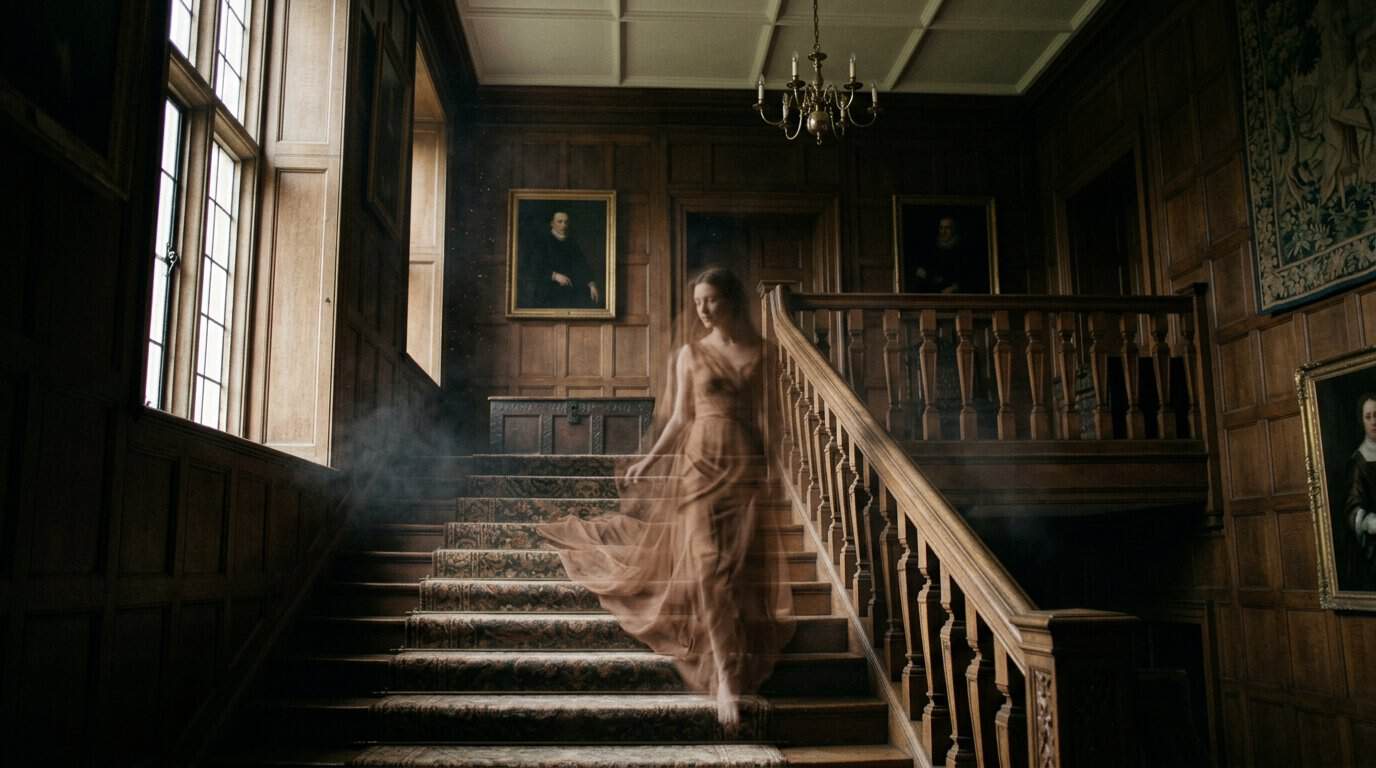
The Legend and Photography of the Brown Lady of Raynham Hall
Deep within the countryside of Norfolk, England, lies a historic estate holding one of the most famous supernatural secrets in history. For centuries, visitors to this grand house have reported chilling sightings of an eerie figure dressed in an elegant brown gown, known worldwide as the Brown Lady of Raynham Hall. Her mysterious form has unsettled generations of onlookers, turning a peaceful country mansion into an epicenter of ghost lore. Could this breathtaking specter be a simple trick of light, or does a restless soul truly wander the grand corridors?
Local legend links the phantom to Lady Dorothy Walpole, an 18th-century noblewoman whose life ended in heartbreak and mysterious isolation. Trapped inside her rooms by a jealous husband, her painful story seems to linger long past her final days. Decades of frightening encounters and world-famous photographs suggest that her spirit might still be searching for a way out. While skeptics offer logical explanations for the sightings, the lingering mystery leaves plenty of room to wonder if her tragic story never truly ended.
Key Takeaways
- The legend of the Brown Lady of Raynham Hall stems from the tragic 18th-century life of Lady Dorothy Walpole, who was allegedly confined to her rooms by her husband before her death in 1726.
- Across centuries of reported hauntings, independent witnesses consistently described encountering an apparition dressed in a rich, distinct brown brocade gown.
- Raynham Hall gained international fame in September 1936 when photographers captured an image of a luminous, shrouded figure descending the estate’s grand oak staircase.
- Despite decades of scientific debate regarding photographic anomalies like double exposures or light leaks, the 1936 image remains an unresolved benchmark in paranormal documentation.
The Tragic Legend of Lady Dorothy Walpole
Long before famous photographs captured her ghostly silhouette, the tragic real life of Lady Dorothy Walpole set the stage for one of England’s most enduring haunted tales. Born in 1686 as the sister of Britain’s first Prime Minister, Sir Robert Walpole, Dorothy seemed destined for a life of luxury and high social standing. Her fortunes changed dramatically when she married Charles Townshend, a powerful nobleman notorious for his fierce temper. Local lore claims that after learning of her alleged romantic past or mounting debts, Viscount Townshend locked his young wife inside her rooms at Raynham Hall. She officially died of smallpox in 1726, though rumors quickly spread that her death was caused by abuse, heartbreak, or severe mistreatment.
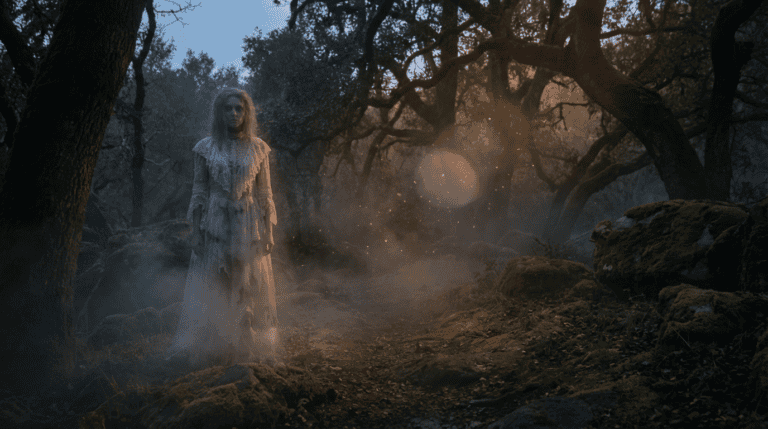
Unsettling reports of a phantom woman wandering the grand hallways of Raynham Hall began surfacing among aristocratic guests in the nineteenth century. Visiting the Norfolk estate for a Christmas gathering in 1835, guests recounted terrifying encounters with an apparition dressed in a rich brown brocade gown. Colonel Loftus reported seeing the ghost on two separate nights, noting with horror that her face possessed glowing, empty eye sockets. A few years later, famous novelist Frederick Marryat stayed at the hall specifically to disprove the haunting, only to come face to face with the same terrifying spirit. Marryat actually fired a pistol directly at the ghost, but the bullet reportedly passed right through her and embedded itself in a bedroom door.
These dramatic nineteenth-century encounters laid a chilling foundation for the phantom that would later become a worldwide paranormal sensation. Skeptics often argue that late-night shadows, trick lighting from candles, and fueled imaginations explain the sightings among house guests. Yet, the striking consistency between independent witness accounts regarding her brown dress and dark features remains difficult to dismiss entirely. Documented historical records confirm Dorothy’s sudden imprisonment at the estate, adding eerie credibility to the legend of her lingering soul. The strange events reported by these early visitors suggest that the tragedy of Raynham Hall might indeed be anchored in genuine historical pain.
The Historic 1936 Photograph That Shocked the World
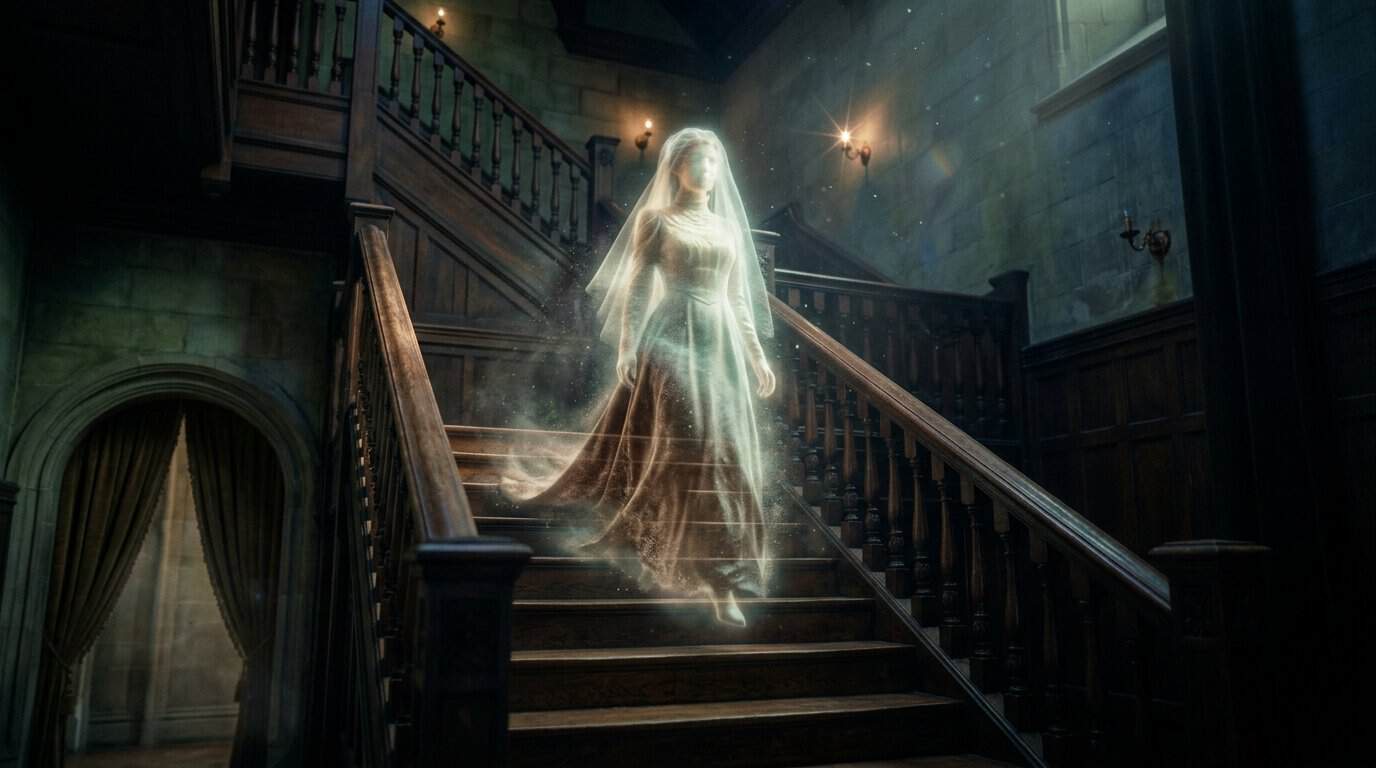
On a quiet September afternoon in 1936, London photographers Captain Hubert C. Provand and Indre Shira visited Raynham Hall to take interior photographs for a feature in Country Life magazine. While setting up their heavy camera at the base of the grand oak staircase, Shira suddenly noticed an ethereal, misty form gently drifting down the steps toward them. Excited by what he was seeing, Shira shouted for Provand to quickly trigger the flash and capture the image. Provand pressed the flash lever, capturing the moment just before the luminous mist dissolved into the cool air. Neither man knew for certain if their flash of light had captured anything unusual until they developed the film later that day.
As the negative developed in the chemical tray, a distinct, veiled figure appearing to wear a brown brocade dress slowly materialized on the steps. The resulting picture revealed a glowing, phantom-like shape descending the stairs, sparking intense curiosity across the globe. When the extraordinary photograph was published in December 1936, it quickly became an international sensation and a benchmark for paranormal documentation. Optical experts at the time closely examined the original negative and concluded that there was no obvious evidence of photographic trickery or double exposure. While modern critics still debate whether a light leak or an intentional trick was involved, the photograph remains one of the most intriguing spectral images ever captured.
The story behind this famous photograph continues to fascinate both scientific researchers and ghost enthusiasts today. Investigators often point to the precise timing of the flash and the detailed narrative provided by both men as compelling elements of a genuine mystery. Others suggest that minor camera movements or subtle reflections on the lens could account for the mysterious shape on the staircase. Regardless of where one stands on the debate, the photograph offers a rare moment where historical documentation meets unexplained legend. The eerie figure on the staircase stands as a testament to humanity’s ongoing fascination with what might linger just beyond our vision.
Scientific Analysis and Debates Over the Spectral Image
When photographers Captain Hubert C. Provand and Indre Shira snapped their camera inside Raynham Hall in 1936, they captured what would become the most famous paranormal photo in history. The image showed a glowing, ethereal figure draped in a veil descending the grand staircase. Skeptics immediately stepped forward to analyze the photographic plate, suspecting a clever hoax created through double exposure or intentional light leaks. However, Shira and Provand maintained that the flash went off just as the luminous form took shape before their eyes. Their detailed testimony added a compelling layer of real-time observation that challenged quick dismissals.
In the years following the image’s publication, various optical experts examined the original negative to determine if trickery was at play. Forensic investigators and photography specialists remained sharply divided over whether the ghostly silhouette was a mundane mistake or genuine evidence of the supernatural. Skeptics pointed to several common photographic anomalies that could recreate the glowing shape, yet nobody could definitively prove the plate had been altered in a darkroom. In fact, the original glass plate showed no obvious signs of physical tampering under close examination.
- Double exposure caused by taking two pictures on a single glass plate
- A smudge of grease or chemical residue left directly on the camera lens
- Unintentional light leaking into the camera housing during the flash exposure
Renowned paranormal researcher Harry Price thoroughly examined the evidence and declared the negative entirely free from manipulation. Other critics and magicians argued that simple cotton wool or a reflection on the lens could produce a similar effect under studio conditions. Despite decades of intense scientific scrutiny, no single explanation has ever completely disproven the mysterious photograph. The image continues to occupy a fascinating space where historical evidence and spectral possibility meet.
The Enduring Mystery of Raynham Hall’s Brown Lady
Centuries after her untimely death, the tragic tale of Lady Dorothy Walpole continues to captivate paranormal researchers and history enthusiasts alike. What began as hushed rumors inside the grand corridors of Raynham Hall eventually produced one of the most famous spectral photographs ever captured. The mysterious 1936 image of a shrouded figure descending the oak staircase remains a cornerstone of historical ghost photography. While skeptics offer theories involving accidental double exposures, believers see an irreplaceable piece of evidence showing life beyond the veil. Regardless of where one stands, this haunting image bridged the gap between ancient folklore and modern scientific curiosity.
The enduring appeal of the Brown Lady lies in this delicate balance between historic tragedy and tangible evidence. Even with modern digital forensics, experts still debate the exact mechanics behind the famous photograph, leaving room for authentic wonder. The story invites people to look closely at historical accounts, asking whether a grieving spirit might truly remain bound to her former home. Every generation brings new eyes and fresh perspectives to this timeless British mystery. What do you see when you look at the famous image of the Brown Lady of Raynham Hall, and do you believe it truly captures a spirit?
Frequently Asked Questions
1. Who was the Brown Lady of Raynham Hall in real life?
The mysterious spirit is widely believed to be Lady Dorothy Walpole, born in 1686 as the sister of Britain’s first Prime Minister. She married Viscount Charles Townshend, a powerful nobleman with a fierce temper, and lived a troubled life at the estate. Her tragic death in 1726 sparked centuries of ghostly sightings throughout the grand house.
2. Why is she called the Brown Lady?
Witnesses across generations consistently described the phantom wearing an elegant brown gown. This distinct, rich dress made her easily recognizable to anyone who encountered her in the hallways. Her unique appearance became the defining hallmark of one of England’s most famous hauntings.
3. How did Lady Dorothy Walpole die?
Official historical records state that Lady Dorothy died of smallpox in 1726. However, persistent rumors suggested that her jealous husband locked her inside her rooms after discovering a heartbreak or secret scandal. Many believe her painful isolation contributed to her untimely demise, keeping her spirit trapped at the estate.
4. What made the specter of Raynham Hall so famous worldwide?
While reports of her phantom had circulated for decades, a famous 1936 photograph brought her international fame. Photographers captured a glowing, spectral figure descending the hall’s main staircase during a magazine shoot. That chilling image remains one of the most debated pieces of paranormal evidence ever recorded.
5. Where is Raynham Hall located?
Raynham Hall is situated deep within the scenic countryside of Norfolk, England. This historic country estate has served as the seat of the Townshend family for centuries. Its quiet, majestic halls provide a striking setting for a story that bridges real history with supernatural legend.
6. Is there a logical explanation for the ghostly sightings at Raynham Hall?
Skeptics often suggest that sightings could be caused by tricks of light, shadows, or overactive imaginations in the old mansion. Regarding the famous photograph, critics argue it might be the result of a double exposure or light leak. Nevertheless, the detailed reports from reliable witnesses leave room for intriguing doubt.
7. Can you visit Raynham Hall today?
Raynham Hall remains a private family home, so it is not open for regular public tours. However, the estate occasionally opens its gates for limited special events, recitals, and guided tours. These rare occasions allow visitors to experience the historic atmosphere where the legend unfolded.