The Ghost Of The B31: The Haunting Legend Of The Lady Of Lindenberg
In the rolling hills of Bavaria, a crown is worn not by a monarch of blood, but by a sovereign of style known as the lady of Lindenberg. This title belongs to the Hat Queen, a living symbol of a town once hailed as the Little Paris of the hat industry. Every two years, a new ambassador is chosen to carry forward a legacy that transformed a quiet village into a global fashion powerhouse. She represents more than just a tradition; she is the guardian of a century-old craft that once produced millions of straw hats for the world.
While the role is celebratory today, there is a certain magic in how this small German town maintained its grip on the international fashion scene through sheer craftsmanship. Exploring the history of the Hat Queen reveals a story of innovation, where simple straw was spun into economic gold. Behind the parades and the elegant headwear lies a fascinating journey of heritage and community pride. Understanding this figure is the key to understanding the enduring cultural identity of Lindenberg im Allgäu.
Key Takeaways
- Lindenberg im Allgäu maintains a dual identity as both a historic global powerhouse of the straw hat industry and a central hub for Bavarian supernatural folklore.
- The ‘Hat Queen’ serves as a prestigious cultural ambassador, preserving the town’s legacy as the former ‘Little Paris’ of millinery through biennial traditions.
- The B31 highway is home to a persistent ‘vanishing hitchhiker’ legend involving a silent woman in white who disappears from vehicles near the local cemetery.
- Scientific and psychological theories attribute these spectral sightings to a combination of highway hypnosis, infrasound, and the region’s dense Alpine fog.
The Midnight Hitchhiker Of The B31 Highway
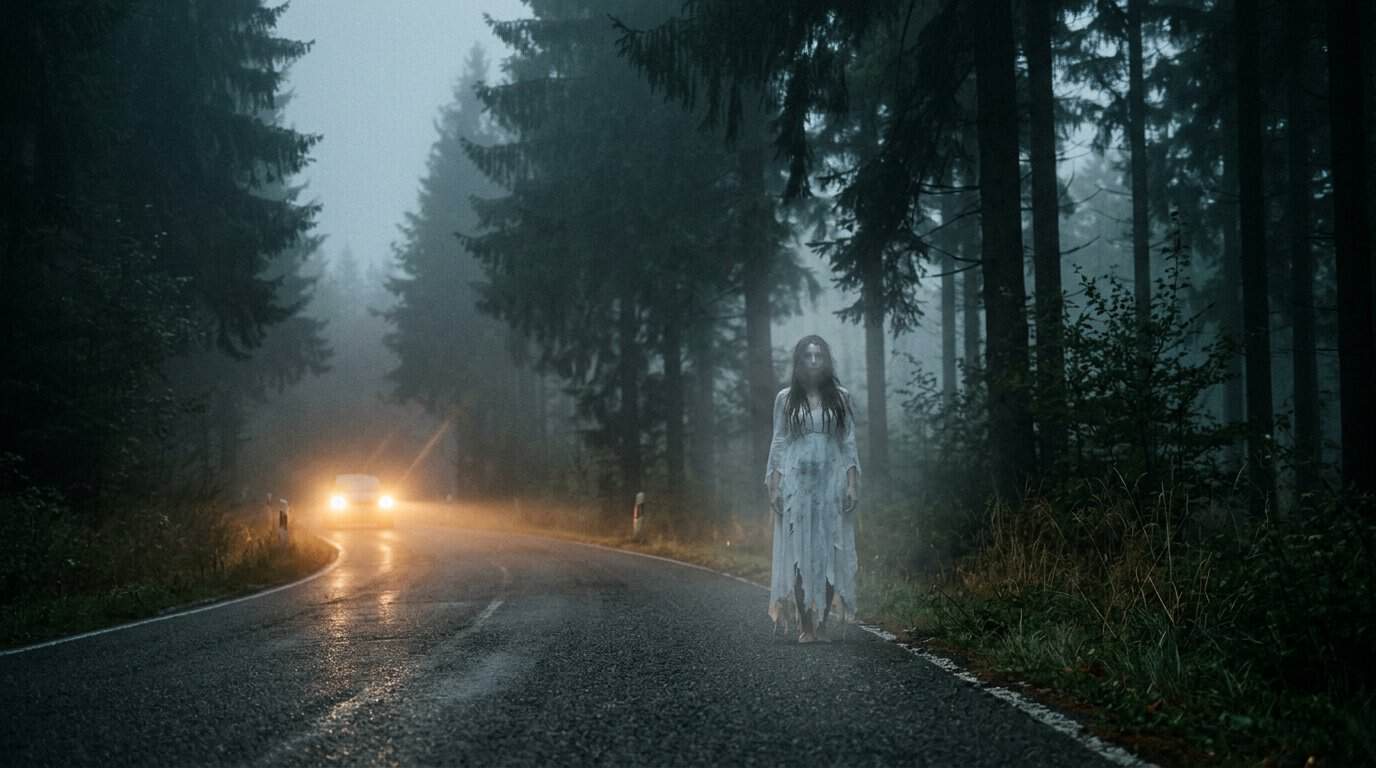
Drivers traveling along the B31 highway near the Bavarian town of Lindenberg im Allgäu often share stories of a mysterious passenger who appears out of thin air. This local legend describes a young woman dressed in a shimmering white gown, standing motionless by the roadside in the dead of night. When a solitary motorist pulls over to offer assistance, she climbs into the backseat without uttering a single word. Her presence is said to bring a sudden, unnatural chill to the car’s interior, leaving the driver with a sense of profound unease as they continue their journey through the dark German countryside.
The encounter follows a chillingly consistent pattern that has fascinated folklorists and paranormal researchers for decades. As the vehicle approaches the local cemetery located just outside the town limits, the silent passenger simply vanishes from the locked car. Drivers frequently report looking into their rearview mirror only to find the backseat empty, even though no doors were opened and the car never slowed down. This classic vanishing hitchhiker legend is deeply rooted in European White Lady traditions, suggesting that the figure may be a restless soul tied to a tragic event from the region’s past.
Witnesses and local historians have noted several specific details that define these eerie midnight encounters:
- The figure is almost always described as wearing a dated, formal white dress or a bridal gown.
- She never engages in conversation, responding only with slight nods or fixed stares.
- The disappearances occur exclusively within a specific radius of the Lindenberg cemetery gates.
- Electronic equipment in the car, such as radios or GPS systems, sometimes malfunctions during the ride.
While some skeptics suggest these sightings are merely products of driver fatigue or optical illusions caused by moonlight on the fog, the sheer number of reports keeps the legend alive. Historical records from the area mention various accidents and tragedies along the winding B31, providing a somber backdrop for those who believe the lady is searching for a way home. Whether she is a trick of the light or a genuine spectral entity, the Lady of Lindenberg remains a captivating fixture of Bavarian folklore. Have you ever experienced an unexplained presence while driving alone at night, or do you believe these stories are simply cautionary tales meant to keep travelers alert?
Origins Of The White Lady Folklore
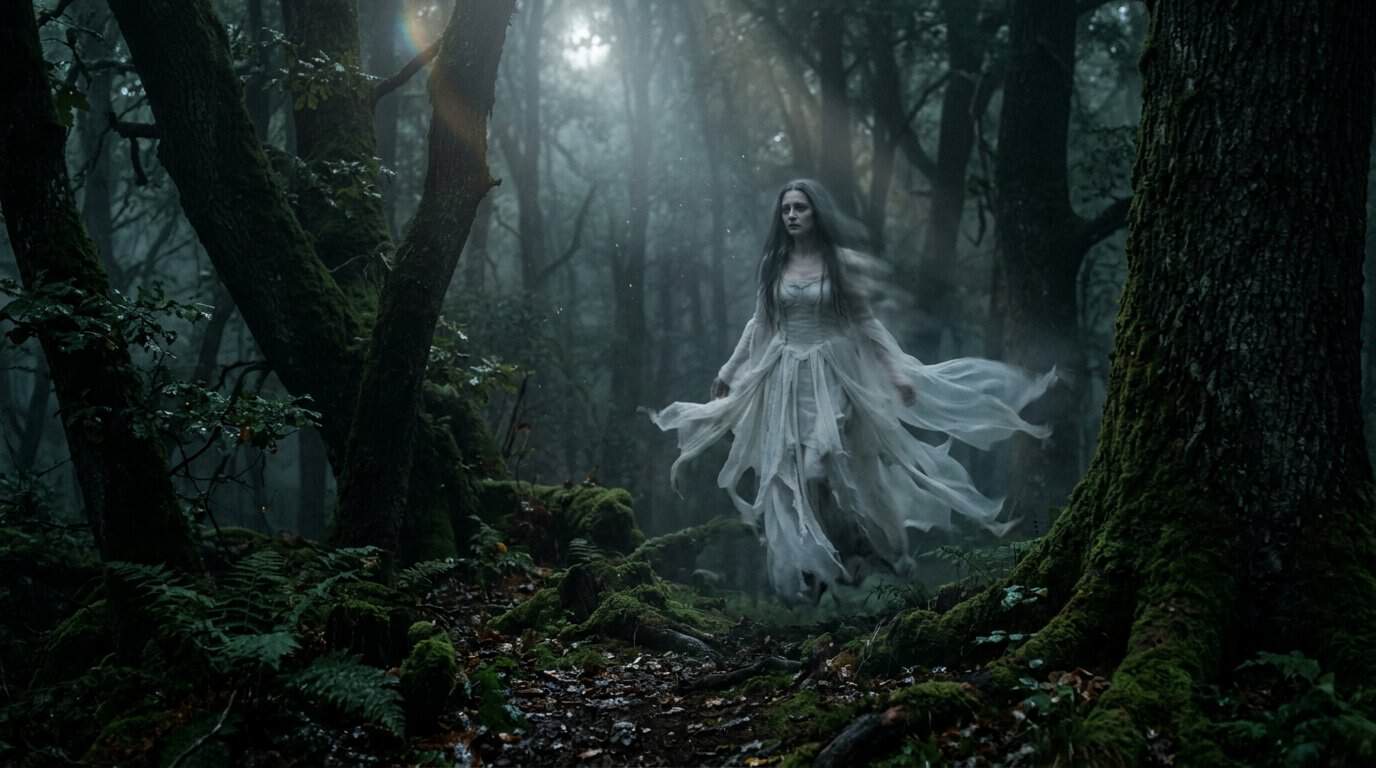
The White Lady of Lindenberg is a spectral figure that bridges the gap between ancient European folklore and modern urban legends. In the Allgäu region of Bavaria, stories have circulated for decades about a pale, shimmering woman seen wandering the roadsides or appearing to lone drivers near the town of Lindenberg im Allgäu. While the town is globally famous for its Hat Queen and its historic straw hat industry, this ghostly counterpart represents a darker side of local heritage. Local storytellers often link her appearance to tragic accidents on the winding mountain roads, suggesting she is a soul trapped between worlds. This specific manifestation follows the classic European White Lady archetype, which typically describes a woman who died under sorrowful or violent circumstances and remains tied to a specific geographic location.
The origins of this legend are deeply rooted in the historical surroundings of the Allgäu, where the mist-heavy forests provide a perfect backdrop for supernatural sightings. Historical records from the region mention various Weiße Frauen who were often seen as omens of change or guardians of specific family lineages. In the case of Lindenberg, the legend evolved from these traditional roots into a more contemporary hitchhiker narrative during the mid-20th century. Researchers of German folklore note that these stories often spike during times of social transition, blending old-world superstition with the anxieties of the modern automotive age. By examining the local history of the Bavarian Alps, we can see how the Lady of Lindenberg has been shaped by several key factors:
- The recurring motif of the White Lady in Germanic mythology as a restless spirit or mourning mother.
- Documented carriage and automobile accidents on the steep, fog-heavy passes surrounding the town.
- The cultural significance of the Lindenberg hat industry, which sometimes weaves themes of elegance and loss into local oral traditions.
- The proximity to ancient ruins and historical estates where Lady figures were traditionally said to haunt the grounds.
While some skeptics argue that these sightings are merely optical illusions caused by the dense Alpine fog reflecting off road signs, the consistency of the reports keeps the mystery alive. The Lady of Lindenberg is rarely described as a malicious entity, but rather as a melancholic figure seeking a way home. This blend of journalistic curiosity and local testimony suggests that the legend is more than just a campfire story; it is a cultural anchor for the community. Whether she is a remnant of a forgotten historical tragedy or a psychological projection of the region’s misty atmosphere, she remains a captivating fixture of Bavarian ghost lore. Exploring these origins allows us to appreciate how a simple local haunting can reflect the broader, centuries-old traditions of the European continent. Have you ever experienced an unexplainable chill while driving through a foggy mountain pass, or do you believe these White Lady stories are simply a way for us to process the tragedies of the past?
Scientific Skepticism And The Psychology Of Hauntings
Psychologists often point to the unique environment of the Bavarian roads when discussing the Lady of Lindenberg. Driving through the dense forests of the Allgäu region at night can create a perfect storm for the human mind, especially when road fatigue sets in. This state of exhaustion can lead to highway hypnosis, where the brain begins to misinterpret shadows or patches of fog as solid figures. Local geography also plays a significant role, as the winding paths and sudden temperature drops near Lindenberg im Allgäu can create realistic optical illusions. When a driver is already familiar with the local urban legend, their brain may instinctively fill in the blanks to turn a mundane visual glitch into a spectral encounter.
The structure of this haunting follows a classic pattern seen in many European White Lady legends, yet it remains distinct due to the height of reports. Skeptics argue that the story is a cultural contagion where the expectation of seeing a ghost actually triggers the experience. However, researchers who study the psychology of hauntings note that several factors consistently contribute to these sightings:
- The influence of infrasound caused by wind rushing through specific rock formations or valley gaps.
- The power of suggestion fueled by the town’s rich history and folk traditions.
- Sensory deprivation during long, solitary night drives that heightens the imagination.
- The presence of electromagnetic fields in certain geographical pockets that some believe can trigger hallucinations.
Despite these scientific explanations, the accounts from witnesses often remain difficult to dismiss entirely. Many of those who claim to have seen the Lady of Lindenberg are described by local authorities as credible, sober individuals with no previous interest in the paranormal. These witnesses often provide specific details about her appearance that align with historical clothing styles from the region, rather than modern interpretations of ghosts. This consistency suggests that while science can explain how we perceive the unknown, it may not yet account for the origin of the phenomenon itself. The balance between a tired mind and a genuine mystery keeps the legend alive for every traveler passing through the Allgäu.
Do you believe a tired mind is capable of inventing such a consistent figure, or could there be a grain of truth hidden in the misty roads of Lindenberg?
The Spectral Legacy of the Allgau Region
The legend of the Lady of Lindenberg serves as a haunting reminder of how deeply folklore is woven into the Bavarian countryside. While the town is celebrated for its historic hat-making industry, this spectral figure represents a different kind of cultural legacy that persists through oral tradition. She has become a permanent fixture in the local imagination, bridging the gap between the tangible history of the Allgau region and the unexplained mysteries of the night. Her story continues to be shared in cozy taverns and on long drives, ensuring that the White Lady remains as much a part of the local identity as the mountains themselves.
Whether she is a lost soul searching for peace or a cautionary manifestation of the road’s dangers, the Lady of Lindenberg captures the human fascination with the unknown. Scientific explanations often point to optical illusions or the power of suggestion, yet the consistency of these sightings across generations suggests a deeper narrative truth. This classic hitchhiker tale reminds us that even in a modern world, there is still room for the eerie and the unexplained. It is this balance of historical fact and ghostly possibility that keeps the legend alive for every new traveler who passes through these dark woods.
As you travel the winding, fog-covered roads of southern Germany, it is easy to see how such a legend could take root. The shadows of the trees and the stillness of the night create a perfect stage for a supernatural encounter. Every flicker of light or movement on the shoulder of the road might just be a trick of the eye, or it could be something much more mysterious. Much like Germany’s unsolved massacre at Hinterkaifeck, these local tales often leave behind more questions than answers. If you were driving alone through the Bavarian countryside and saw a pale, solitary figure waiting by the roadside, would you have the courage to stop and offer a ride to a lonely traveler? Perhaps you might even wonder if the town you are approaching is real, much like the famous Germany’s favorite urban legend regarding a city that supposedly doesn’t exist. Germany has a long history of such mysteries, ranging from spectral hitchhikers to the 1561 Nuremberg UFO Battle that once terrified the public. Much like the mystery of the green children of Woolpit, these accounts challenge our understanding of reality and the boundaries of our world.
Frequently Asked Questions
1. Who is the official Lady of Lindenberg?
The Lady of Lindenberg is a prestigious title given to the town’s Hat Queen, who serves as a cultural ambassador for the region’s historic millinery industry. Every two years, a woman is selected to represent the legacy of a town once known as Little Paris for its world-class straw hat production.
2. Why is Lindenberg im Allgäu famous for hats?
Lindenberg became a global fashion powerhouse by transforming simple straw into high-end headwear, eventually producing millions of hats for international markets. This craftsmanship was so refined that the small Bavarian town earned a reputation as a Little Paris for innovation and style during the height of the industry.
3. What is the legend of the hitchhiker on the B31 highway?
Local lore tells of a mysterious young woman in a shimmering white gown who appears to drivers along the B31 highway at night. She silently enters vehicles and sits in the backseat, only to vanish without a trace once the car nears the local cemetery.
4. Is there a connection between the Hat Queen and the ghostly hitchhiker?
While both figures are known as the Lady of Lindenberg, they represent two very different sides of the town’s identity. One is a celebrated living symbol of fashion and heritage, while the other is a chilling figure of local folklore that has intrigued paranormal researchers for decades.
5. Where do the sightings of the mysterious woman typically occur?
Most encounters are reported on the stretches of road surrounding Lindenberg im Allgäu in the Bavarian countryside. The sightings specifically concentrate on the route leading toward the town’s cemetery, where the passenger is said to disappear from moving vehicles.
6. How does the town celebrate its hat-making heritage today?
Lindenberg maintains its cultural pride through the crowning of the Hat Queen and various community events that honor its history as a fashion hub. These traditions ensure that the skills and economic triumphs of the past remain a central part of the town’s modern identity.