The Haunting Melodies Of The Mysterious Whistling Woods
Deep in the heart of the world’s oldest forests, a haunting melody often rises above the sound of rustling leaves. Recent reports from late 2025 have brought fresh attention to these mysterious whistling woods, where hikers describe hearing choir-like notes that seem to drift through the air without a visible source. From the rugged peaks of the Appalachians to the dense thickets of the Carpathian Mountains, these acoustic wonders continue to blur the line between ancient folklore and modern discovery.
While many might dismiss these sounds as mere tricks of the wind, new scientific investigations suggest there is more to the story. Researchers are now looking closer at how unique tree formations and hollow trunks might act as natural instruments, creating music under the right weather conditions. These findings offer a fascinating bridge between the natural world we understand and the lingering secrets that still hide within the shadows of the timberline.
Key Takeaways
- The ‘whistling’ sounds in ancient forests are caused by Helmholtz resonance, where wind vibrates inside hollowed-out tree trunks and knot formations to act as natural flutes or organ pipes.
- Specific topographical features, such as narrow mountain gaps in the Appalachians, create Aeolian tones by forcing wind into high-pressure streams that vibrate against jagged peaks.
- Auditory phenomena in old-growth forests, like the mournful moaning in New Zealand’s Rimu valleys, are most prominent during seasonal transitions when wind speeds and atmospheric conditions are optimal.
- While physics identifies trees and terrain as the source of these melodies, the complex overlapping notes often mimic human choirs, maintaining a deep connection between scientific reality and ancient folklore.
Natural Flutes Of The Thuringian Forest
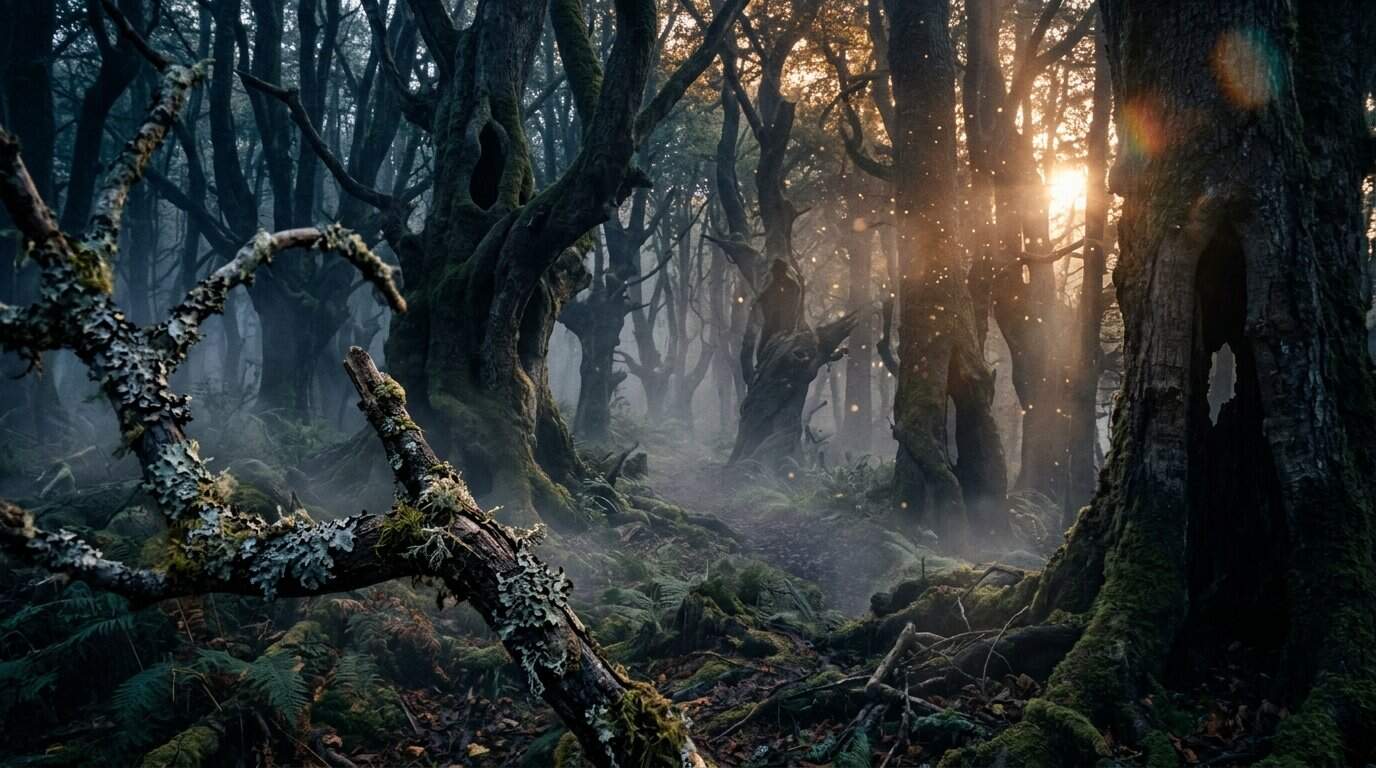
Deep within the emerald shadows of Germany, the Thuringian Forest holds a secret that sounds more like a cathedral choir than a simple woodland. Hikers often pause in their tracks as the wind picks up, listening to a haunting, melodic whistle that seems to rise directly from the timber. This isn’t just the rustle of leaves or the creaking of branches, but a sustained musical note that can fill the air for several minutes at a time. The melodic tune often swells slowly, holds for a moment, and then fades back into the sound of the trees, leaving listeners to wonder whether the forest has finished its song. Local folklore has long attributed these songs to forest spirits or ancient guardians watching over the trails. Recent investigations by professional scientific researchers have finally begun to peel back the layers of this acoustic mystery.
The secret behind this choral performance lies in a physical phenomenon known as Helmholtz resonance. As the wind moves through the forest, it interacts with trees that have been naturally hollowed out by age or specific fungal growth. These hollowed trunks and unique knot formations act as organic flutes or organ pipes, catching the air at precise angles. When the breeze hits these openings at just the right speed, the air inside the cavity vibrates to create a deep, resonant tone. It is a rare perfect storm of biology and physics that transforms a gust of wind into a hauntingly beautiful symphony.
While science provides a clear explanation for how the sound is produced, the experience remains deeply cinematic and mysterious for those who witness it firsthand. The way the forest seems to breathe in harmony creates an atmosphere that challenges our modern understanding of the natural world. Many visitors find it difficult to remain purely clinical when the very trees around them begin to hum with a life of their own. This blend of documented physics and ethereal beauty reminds us that nature still holds many wonders that feel like magic. Have you ever stood in a place where the landscape seemed to speak to you, or do you believe every whisper in the whistling woods has a simple explanation?
Acoustic Secrets Of New Zealand Rimu Valleys
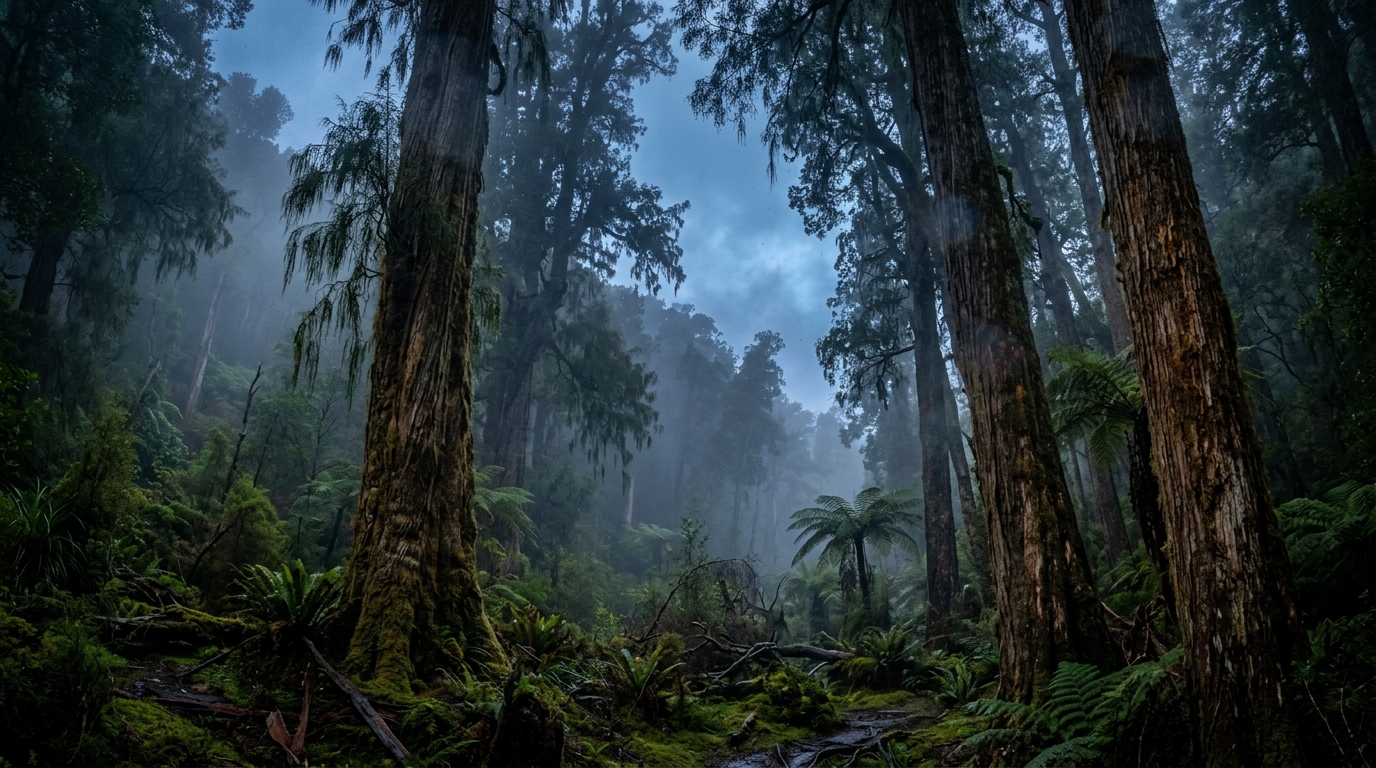
High in the mist-covered valleys of New Zealand, a haunting sound often drifts through the dense canopy of ancient Rimu trees. Hikers and local guides have long described a deep, mournful moaning that seems to vibrate through the very ground beneath their feet. This auditory phenomenon is most prominent during the transition between seasons when high-altitude winds funnel down into the narrow forest corridors. Locals say the forest seems quietest just before dusk, and the sound grows most noticeable once the dark settles over the valley floor and the canopy becomes a wall of shadows. While some legends speak of forest spirits or ancient guardians, recent observations suggest the trees themselves are the source of the music. These massive, towering giants often develop natural hollows and weathered scars over centuries of growth.
The secret behind these acoustic anomalies lies in the unique physical structure of the New Zealand’s Rimu trunk and its interaction with the environment. When powerful gusts hit the forest at specific angles, they create a natural flute effect as air rushes over the hollowed-out sections of the wood. Scientists who have studied similar occurrences point to a process called Helmholtz resonance. This happens when air vibrates within a cavity, producing a low-frequency hum or a sharp whistle depending on the size of the opening. In the Rimu valleys, the sheer scale of the old-growth timber allows for a range of notes that can sound eerily like a nature’s ghostly choir or a distant pipe organ.
While the physics of wind and wood offer a logical foundation, the experience remains deeply cinematic and mysterious for those who witness it firsthand. The way the sound rises and falls with the shifting breeze creates an atmosphere that feels intentional, as if the forest is attempting to communicate. Local folklore has often integrated these sounds into the history of the land, blending natural science with the rich imagination of those who live near the bush. This balance of scientific evidence and unexplained beauty keeps the Rimu valleys at the top of the list for acoustic enthusiasts. Have you ever stood in a forest and felt like the trees were trying to tell you a secret, or do you believe every sound has a simple explanation?
Folklore And Physics In The Appalachian Peaks
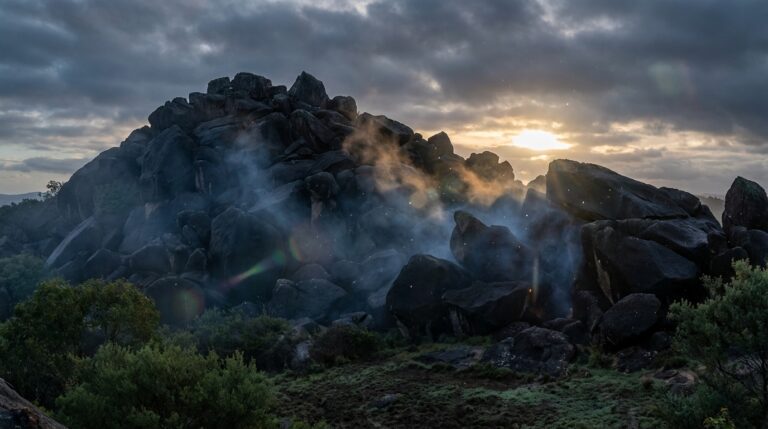
Deep within the rugged folds of the Appalachian Peaks, hikers often report a haunting sound that resembles a rhythmic, human-like whistle echoing through the dense canopy. Local legends have long attributed these melodic notes to the spirits of the mountains, suggesting that the woods themselves are trying to communicate with those who wander too far off the trail. These stories describe the spirit whistles as a protective warning or a beckoning call that seems to shift location whenever a listener tries to find its source. In many of these accounts, the high-pitched call arrives after nightfall, and the sound seems to whistle back whenever a hiker answers it. While the folklore adds a layer of enchantment to the emerald slopes, recent investigations by acoustic research groups suggest there may be a more grounded explanation hidden in the landscape.
The unique topography of the Appalachian range creates a natural laboratory for a phenomenon known as Aeolian tones. As wind rushes through narrow mountain gaps and interacts with specific rock formations, the air is forced into a high-pressure stream that vibrates against the jagged edges of the peaks. This process acts much like a giant woodwind instrument, producing clear, whistling notes that can travel for miles without losing their clarity. Scientists believe that the dense pockets of ancient hardwoods further amplify these sounds, trapping the vibrations and creating the illusion that the music is coming from the trees themselves. In the dense wilderness of the Appalachians, where the trail can vanish beneath rhododendron thickets and fallen timber, a sharp whistle can carry for a surprising distance and bounce off the ridgelines, making its origin nearly impossible to pin down.
The intersection of these ancient myths and modern physics offers a fascinating look at how humans interpret the unknown. While the scientific explanation of wind pressure and topography provides a logical framework, it does not fully diminish the sense of wonder felt by those who experience the whistling firsthand. Much like the glowing enigma of other wilderness phenomena, many enthusiasts argue that the precision of these sounds suggests a complexity that goes beyond simple wind patterns, keeping the door open for more mysterious possibilities. Whether it is a trick of the atmosphere or something more profound, the whistling woods remain one of the most captivating secrets of the high country.
Eerie Tales Of Being Watched In The Dark
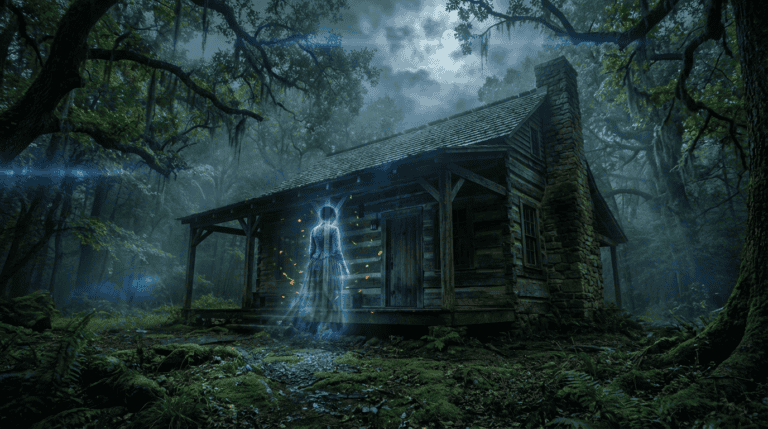
Ask people who have spent long hours in the Appalachian hollows about the whistling woods, and many will eventually tell a story that begins after the sun goes down. The night changes the forest completely. Familiar trails disappear into the dark, the tree trunks become tall shapes at the edge of a flashlight beam, and every distant whistle seems to come a little closer. Campfire tales from the region often describe a sense of being watched, as if something old and patient has been following the sound of footsteps through the undergrowth. Some storytellers describe the ancient spirit of the mountains as a guardian that never sleeps, while others speak of it as a lonely presence that calls out to those who stray too far from camp.
These accounts share a common thread: a creeping sense of dread that builds slowly rather than arriving all at once. A hiker might hear a high-pitched call far off in the timber, then hear a similar note answer from a different ridge. Many storytellers say that when they answer back, the whistle returns at once, which makes the listener feel that the woods are paying close attention. Scientists would point out that echoes and wind channeling through gaps in the ridges can easily produce this effect. Still, the experience of standing alone in the dark, unable to see where the sound begins, has a way of making even the most skeptical listener glance over a shoulder.
What makes these eerie tales so compelling is that they show how the human mind responds to uncertainty. Darkness hides the details that normally reassure us, and sound fills the gap with meaning. Whether the whistling is a natural acoustic effect or something that the old stories have tried to explain for generations, it has the power to make a quiet forest feel alive. Have you ever been on a dark trail and felt that something was listening back, and if so, what did you decide the sound was?
Forest Rules For Listening To The Woods
Anyone who wants to hear the whistling woods for themselves should know that these forests have their own unwritten forest rules. Stay on marked trails, because the dense wilderness of these regions can swallow a hiker who leaves the path, even for a short distance. Let someone know where you plan to walk and when you expect to return, since weather in high country can shift quickly and the wind that creates the music can also bring cold rain, fog, or falling branches. Old trees with hollow trunks are beautiful to study, but they can be unstable, so it is wise to keep a respectful distance and never climb or lean against them.
Hunters are also part of the story. In many parts of the Appalachians, hunters know the woods better than almost anyone, and they often describe the same odd whistles that hikers report. Many hunters say they pay close attention to the wind because it shapes where game moves and how sound travels across the ridges. If you visit during a hunting season, check local regulations, wear bright clothing so you are easy to see, and keep to the trails that are open to the public. Sharing the forest with hunters is one of the simplest ways to stay safe while you search for the music.
Respecting these rules does more than protect you. It keeps the forest quiet enough for the subtle sounds to be heard. Every careful step and calm pause gives the wind a chance to find the hollow trunks and ridge gaps that create the melody. Patience, more than anything, is the key to hearing the whistling woods as they were meant to be heard.
Where Nature Plays Its Own Haunting Score
The enchanting melodies of the whistling woods remind us that the earth is a living instrument tuned by the hands of physics. Whether it is the Helmholtz resonance creating organ-like tones in Thuringia or the wind rushing through the jagged ridges of the Appalachians, nature proves it can compose hauntingly beautiful scores without human intervention. These acoustic anomalies bridge the gap between hard science and the Appalachian folklore that has captivated hikers for generations. By understanding how hollow trunks and specific wind speeds interact, we can appreciate the forest not just as a collection of trees, but as a complex symphony of sound.
While researchers continue to map out the mechanics of these singing forests, a sense of wonder still lingers in the air. Science offers a clear framework for these phenomena, yet the experience of hearing a phantom choir in the deep wilderness remains a deeply personal and eerie encounter. Every rustle and whistle tells a story of the landscape, blending the physical world with the legend of the deep woods that has long fascinated explorers. We invite you to share your own stories of the trail and any strange sounds you have heard while exploring the great outdoors. Have you ever stepped into a grove and heard the trees start to sing, or did the woods keep their secrets quiet during your journey?
Frequently Asked Questions
1. What exactly causes the forest to make these whistling sounds?
The music is often the result of a physical phenomenon called Helmholtz resonance. When wind passes over hollowed trunks or specific knot patterns, the trees act like natural flutes to create sustained, melodic notes. Research from environmental scientists suggests that age and certain types of fungal growth are responsible for creating these hollow chambers.
2. Where are the most famous whistling woods located?
These acoustic wonders are found in several ancient forests across the globe. Notable locations include the rugged Appalachian peaks in North America, the dense Carpathian Mountains, and the Thuringian Forest in Germany. Each location offers a unique version of the melody based on the local tree species and terrain.
3. Is it true that the sounds can sound like a human choir?
Many hikers describe the experience as hearing a haunting, choir-like notes rather than just a simple whistle. Because multiple trees often catch the wind at the same time, the overlapping notes create a complex soundscape that mimics a group of singers. This beautiful and eerie effect is what has fueled local legends about forest spirits for centuries.
4. Do these musical trees only whistle during certain times of the year?
The performance usually depends on specific weather conditions and wind speeds rather than a calendar date. High winds during seasonal transitions often trigger the loudest and most clear notes. Recent reports from late 2025 show that these sounds are most frequently heard when the air is crisp and the wind moves steadily through the timberline.
5. Can these sounds be explained entirely by science?
While researchers have identified how hollow trees act as instruments, many aspects of the phenomenon remain a mystery. The way the sounds seem to drift and change direction without a visible source continues to puzzle both scientists and visitors. This leaves plenty of room for both scientific study and the ancient folklore that suggests the woods have a life of their own.
6. Is it safe to visit these forests to hear the music for yourself?
Exploring these forests is generally safe for hikers who stay on marked trails and prepare for the rugged terrain. It is important to remember that these sounds often occur in deep, ancient wilderness areas where weather can change quickly. Visitors should always respect the natural environment while they search for these elusive woodland melodies.