Spirit Box Reviews: What the Models Offer and What Remains Disputed
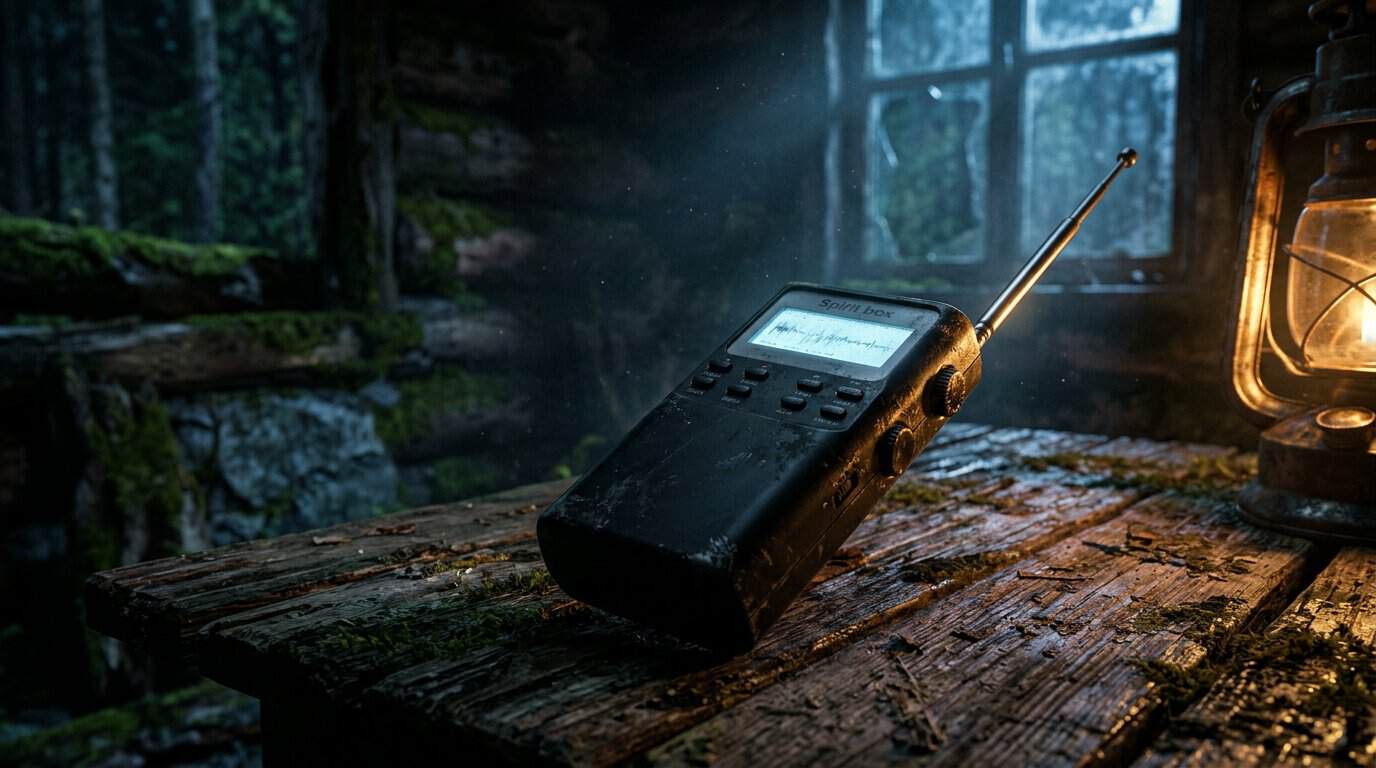
A spirit box is a radio receiver that rapidly sweeps AM and FM frequencies without stopping on any station, producing bursts of noise and stray fragments of broadcasts. Spirit box reviews compare the models marketed for paranormal investigation, and most of them differ mainly in their controls and recording options. During the research, sale prices for the models reviewed ranged from $85.95 for the SBox to $199 for the SB7 Pro, though prices can change.
The bigger question is whether that noise carries anything meaningful. In a 2009 blind listening test run by Association TransCommunication, 41 entries came in, and three reported phrases had zero recognized target words. Reviews of spirit boxes often split between listeners who hear messages and skeptics who hear ordinary radio. Whether either side is right remains disputed, and that uncertainty is where the story gets interesting.
Key Takeaways
- Spirit boxes have no solid proof yet of picking up anything beyond chance, so whether they detect real messages remains an open question.
- Auditory pareidolia, the brain’s habit of finding meaningful speech in noise, may explain many voices heard through a spirit box, according to Freddie McCann’s 2025 article in the Journal of Interdisciplinary Science Topics.
- In the 2009 blind listening test run by Association TransCommunication, 41 entries came in, and three reported phrases had zero recognized target words.
- Spirit box owners who want a fair test can record a session with written questions and play the audio back to a friend who has not heard those questions.
- Spirit box prices seen during the research ranged from $85.95 for the SBox to $199 for the SB7 Pro, and those prices can change before a buyer checks again.
How Exactly Do Spirit Boxes Work?
A spirit box tunes a radio receiver through AM and FM frequencies one after another so quickly that it never settles on a station long enough to produce a clear program. Each pass through the band takes a fraction of a second, so the listener hears a rapid stream of hiss, static, and short bursts of speech.
The speed is set by the sweep rate. The SB7 offers six settings running from 100 to 350 milliseconds, while the SB7 Pro can go as fast as 30 milliseconds and adjusts in 20-millisecond steps. Faster settings chop the audio into shorter pieces, which tends to make the output sound more broken up.
Because the device jumps from one station to the next, every burst is a mix of whatever happens to be on air at that instant. The result can include music, talk, or a single word cut off mid-syllable, and none of it arrives in order.
McGill University’s Office for Science and Society describes these bursts as noise that can include stray words from radio broadcasts. The same source notes that words heard this way can be woven into an investigator’s interpretation, so a listener’s expectations may shape what seems meaningful.
The sweep can also be tested under unusual conditions. In one demonstration McGill describes, the box was placed inside a Faraday cage, a metal enclosure that blocks radio signals, and it could not receive broadcasts at all. That detail matters for anyone trying to judge where a voice in the noise comes from.
Many models include recording features so that a session can be replayed later. The SBox records to a microSD card with a maximum supported capacity of 32 GB and runs on a rechargeable battery that lasts up to six hours of continuous use. Replaying a recording lets listeners hear the same fragments again, sometimes with a different ear.
Sellers market spirit boxes as tools for paranormal investigation, but that claimed use remains disputed. The mechanism itself is easy to explain, and that is exactly why the bigger question is so tempting to explore.
Which Spirit Box Is the Best Choice?
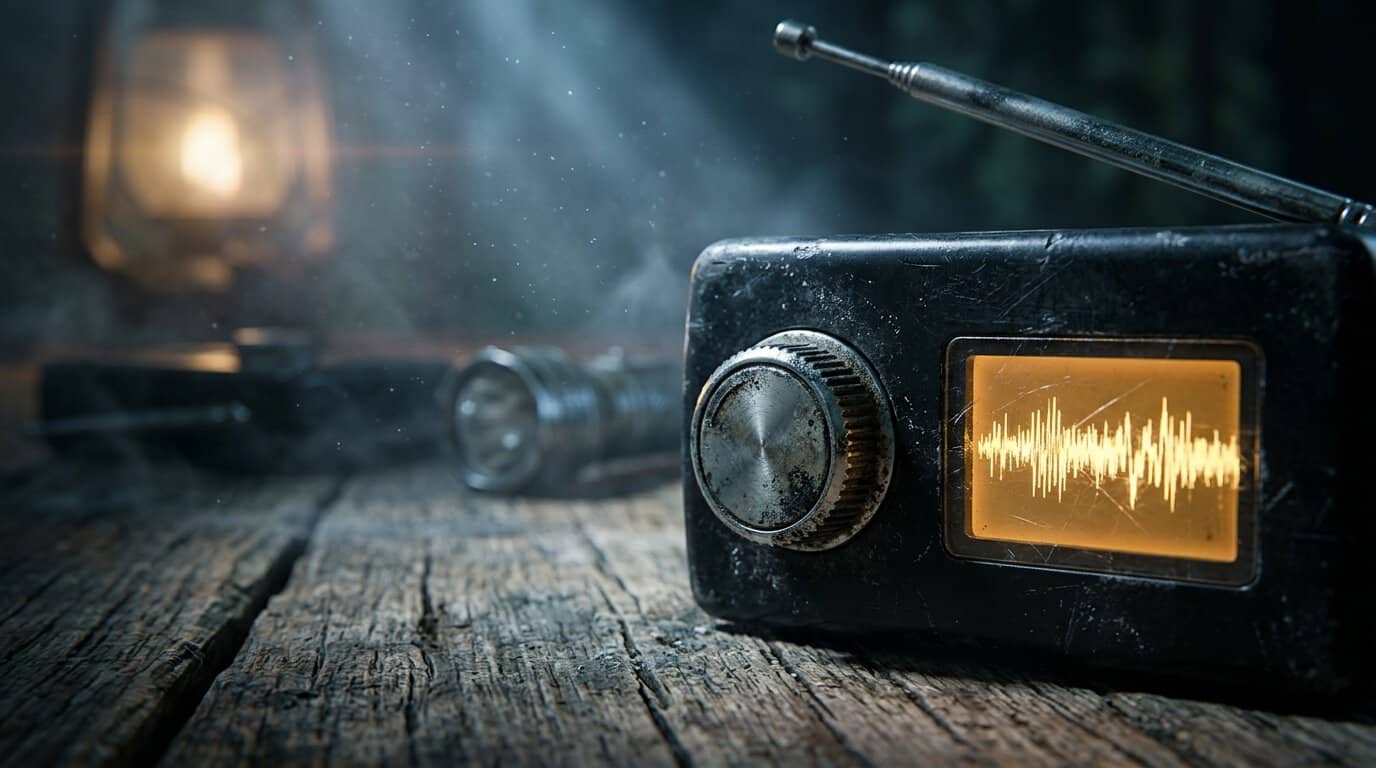
The best spirit box depends on how much control a buyer wants, from a basic single sweep to dual-channel sweeps, finer speed settings, built-in recording, or wireless listening. Each model in the lineup trades simplicity for extra features.
The SB7 is the most basic option. It offers six sweep rates from 100 to 350 milliseconds, lets the user choose AM or FM, and sweeps either forward or in reverse. Someone who wants to try the technique without learning many settings may find it the easiest starting point.
The SB11 adds single- or dual-channel sweeps, forward or reverse direction, and adjustable AM/FM sweep rates. The SB7 Pro offers the finest speed control, with settings from 30 to 350 milliseconds in 20-millisecond increments. Buyers who care most about tuning the sweep speed will find that precision is the main draw.
The SBox focuses on recording. It saves sessions to a microSD card with a maximum supported capacity of 32 GB and runs on a rechargeable battery for up to six hours of continuous use. The SBox 2 adds wireless headphone connection, an antenna cutoff, random-station scanning, and single-station selection, which suits listeners who want a more controlled session.
| Model | Sweep controls | Recording | Wireless and other features | Sale price seen in research |
|---|---|---|---|---|
| SB7 | Six rates, 100 to 350 ms; AM/FM; forward or reverse | Not listed | Not listed | $94.90 |
| SB11 | Single or dual channel; forward or reverse; adjustable AM/FM rates | Not listed | Not listed | $139.90 |
| SB7 Pro | 30 to 350 ms in 20 ms steps | Not listed | Not listed | $199, from a listed $275 |
| SBox | Not listed | microSD up to 32 GB; battery up to six hours | Not listed | $85.95, from $99.95 |
| SBox 2 | Not listed | Not listed | Wireless headphones, antenna cutoff, random and single-station scanning | Not captured in research |
These prices are the figures displayed during the research, and they can change before a buyer checks again. A 2025 article by Freddie McCann in the Journal of Interdisciplinary Science Topics discusses auditory pareidolia, the tendency to hear meaningful patterns in random sound, and spirit boxes are part of that conversation. Feature lists can help a buyer compare models, but they cannot settle what a listener actually hears. Would a recording of the same session still sound the same to that listener a week later?
How Much Do Spirit Boxes Cost?
During this research, spirit boxes ranged from about $85.95 for a basic recorder model to $199 for the top sweep-control model. The SBox sits at the low end because it focuses on recording with a simpler sweep, while the SB7 Pro costs the most for its finer speed settings.
Sale prices can blur those numbers. The SBox was displayed at $85.95 after a listed price of $99.95, and the SB7 Pro was offered at $199 against an original price of $275. A discount is only as meaningful as the price a seller charges on the day a buyer looks.
Prices also change over time, so the figures here are a snapshot rather than a guarantee. Anyone planning a purchase should check the current price before deciding.
In general, the gap between budget and advanced models comes down to what a buyer pays for. Several features tend to push the price upward:
- Extra sweep controls, such as dual-channel sweeping or finer speed steps
- Built-in recording to a memory card
- Wireless features, such as headphone connection or station selection
Recording alone does not guarantee a higher price. The SBox includes it yet still costs the least, because it offers fewer sweep choices and no wireless options. Would a cheaper model with fewer controls be enough to test the idea, or does the extra control change what a listener thinks they hear?
How Legit Are Spirit Boxes, Really?
Right now, there is no solid proof that spirit boxes pick up anything beyond chance, and the honest answer is that the question is still open. Investigators who report clear words are not necessarily inventing them for effect. Many describe real experiences in a dark room, when a voice in the hiss seems to answer a question they just asked, and those experiences deserve respect even when the evidence behind them is contested.
The 2009 blind listening test shows how hard the problem is. Listeners tried to match clips to target words, and three reported phrases stood out: “Big Circle,” “Circle, Big,” and “Might be!” None of them contained a single recognized target word. Other entries did match some words, which is why the results were mixed rather than clearly negative.
At that time, its authors found no controlled studies establishing that radio sweeps produce electronic voice phenomena, the recorded voices some investigators hear in static.
Then there is the human ear itself. Freddie McCann’s 2025 article in the Journal of Interdisciplinary Science Topics, a University of Leicester publication, discusses auditory pareidolia, the brain’s habit of finding meaningful speech in noise. Hearing is built to pick out voices, so a burst of hiss that sounds like a name to a tired listener may be the brain doing exactly what it was designed to do.
Some believers push back on that explanation. They argue that a sweep delivers fragments of real broadcasts at the exact moment a question is asked, and that a passing word can feel like a reply because the timing seems intentional. Skeptics answer that timing is easy to imagine when the listener is waiting for a message.
A fair test is one any curious reader can try. Record a session at the SB7’s slowest and fastest settings, then play it back to a friend who does not know the question that was asked. If the friend hears the same words, the experience gains weight. If they hear only static, the listener has learned something useful either way.
Can Expectation Shape What You Hear?
Yes, expectation can shape what a listener hears, and a spirit box gives it plenty to work with. The sweep throws out a constant stream of hiss and fragments, and the mind is quick to join those pieces into words. Stray words from broadcasts can be woven into an investigator’s interpretation, so a listener who is waiting for a name may hear one.
Picture a dark room where someone has just asked, “Is anyone here?” A sharp burst of noise arrives, and a fragment that sounds like “here” feels like a reply. In that moment the feeling is powerful and hard to set aside.
A fairer approach is to slow the process down. Recording a session lets the listener step away from the moment. The SBox saves audio to a microSD card with a maximum supported capacity of 32 GB, so a full session can be kept. Writing down each question and the exact time it was asked before listening back allows the playback to be compared against the questions rather than against memory.
A simple home check can also show where sound comes from. Place the box inside a closed metal container, the kind of enclosure that blocks radio signals. If voices still come through, the listener has a reason to look harder at the source. If the output falls silent, the fragments were most likely coming from outside the box.
What Owner Reviews Often Leave Out
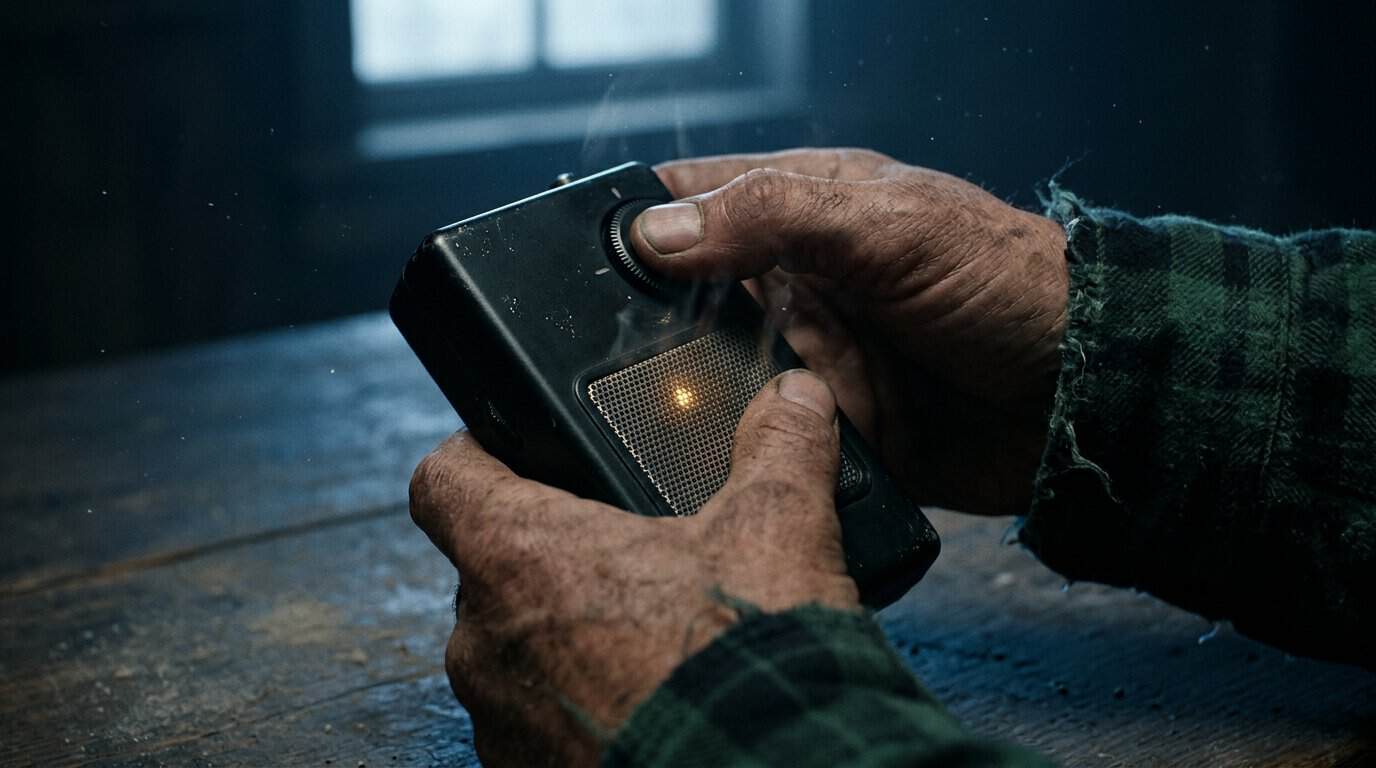
Owner reviews are often the first thing a buyer reads, and they can be useful. Still, most forum threads and marketplace reviews describe how a session felt rather than how a device performed under fair conditions. A reviewer might write that an SB7 picked up a clear name on a quiet night, but the post rarely says what else was playing nearby or whether the same question was asked again on another night.
Few reviews describe a controlled setup at all. The 2009 Association TransCommunication test relied on blind clips, where listeners tried to match sounds to target words without knowing the answers. Most online reviews never attempt anything like that, so a reader cannot tell whether a heard word came from the device or from the listener’s expectations.
Before trusting a review, it helps to ask a few plain questions:
- What did the reviewer compare the device against, such as a plain AM/FM radio or a different spirit box?
- Did they record the session, so that another listener could hear the same audio?
- How long did they test it, over a single evening or across several weeks?
Good answers do not prove that a spirit box works. They do show whether a review can be checked at all. A reviewer who saved audio and played it back to a friend has offered something that a single enthusiastic post cannot.
Deciding Whether a Spirit Box Belongs in Your Kit
A buyer who only wants to try a basic sweep may find the SB7 at its displayed sale price of $94.90 covers the essentials. The SBox, at $85.95, suits anyone who wants each session saved to a microSD card. Buyers who want dual-channel sweeping should look at the SB11, while those who care about fine speed steps will find them on the SB7 Pro at $199. Then weigh the appeal of hearing something unusual against the open questions. The 2009 listening test found mixed results, and the 2025 pareidolia discussion suggests that ordinary hearing may explain many moments. Before buying, a careful listener might plan a recorded session with written questions and a friend who has not heard them. Anyone who has already tried a spirit box might ask what they heard and how they tested it.
Deciding Whether a Spirit Box Belongs in Your Kit
Start with the question the buyer actually wants answered. If the goal is simply to hear what a sweep sounds like, the SB7 at its displayed sale price of $94.90 offers six sweep rates from 100 to 350 milliseconds, which is enough to learn the basics without a stack of settings. If every session needs to be saved, the SBox at $85.95 records to a microSD card with a maximum supported capacity of 32 GB, so the audio does not depend on memory.
Checking the price on the day of purchase matters, because the figures seen during this research can change.
Then the buyer can run a personal test. Pick one evening, write down each question to be asked along with the exact time it is asked, and record the whole session from start to finish. Afterward, play the audio back to a friend who did not hear the questions, and ask them to write down every word they catch. Comparing their list with the written notes shows what was actually heard.
If the friend hears the same words, that is a lead worth pursuing. If they hear only hiss, the session has revealed how much expectation can shape what a listener hears, and that lesson is worth more than any single feeling in a dark room.
Starting with the slowest sweep setting on the SB7 and keeping the first session short is a sensible approach. A faster setting can be tried on a second night, with a note of which one produced more words. A personal written record will reveal more than any single review.
Frequently Asked Questions
1. Can a spirit box be used outdoors or in noisy locations?
A spirit box can be used outdoors, but its sweep picks up whatever radio broadcasts are on the air nearby, so a city can produce far more fragments than a rural field. Outside sounds such as traffic, voices, and machinery can also blend into the output and be mistaken for speech. A quiet indoor room makes it easier to tell which sounds came from the box, and noting any background noise in a session record helps.
2. Are there independent tests that compare spirit box models side by side?
The best-known published listening test, run by Association TransCommunication in 2009, focused on whether listeners could match blind clips to target words rather than ranking devices against each other. Side-by-side comparisons of specific models are rare, so most of the model differences described online come from feature lists. A buyer can make a simple fair comparison at home by recording the same questions on two boxes and playing both clips to a friend who has not heard the questions.
3. What should a first-time spirit box buyer check before ordering online?
A first-time buyer should confirm which sweep controls, recording options, and wireless features a model includes, since these differences account for most of the price gap. The displayed price, such as $94.90 for the SB7 during this research, can change, so the price on the day of purchase is the one that matters. It also helps to read the seller’s return terms before paying, so that a model which does not suit the buyer’s plans can be sent back.