Ghost Tour Reviews: What to Check Before You Book
Ghost tour reviews are most useful when they explain whether a roughly two-hour route, guide, and evidence claims match what a visitor wants. New Orleans examples run about two hours, with observed prices ranging from $27 for one walking tour to $30–$35 for several other options; these are snapshots, not market-wide averages. A walking route, a pub crawl, and a tour with augmented-reality features can offer very different evenings, even when each promises a brush with the uncanny.
Reviews can reveal what a listing cannot: whether the guide is easy to hear, whether the history feels carefully researched, and whether the paranormal evidence satisfies visitors. Tripadvisor feedback includes praise for storytelling and historical detail, alongside complaints about audibility and documentation. Neither reaction settles what happened on a tour, but repeated, specific comments can help set expectations. In New Orleans, a city permit is also a practical check: guides must pass a history-and-culture exam and submit a federal background check, according to the City of New Orleans. A permit supports accountability; it does not prove a haunting. The best choice depends on whether the draw is local history, atmosphere, or a closer look at the claims.
Key Takeaways
- Ghost-tour shoppers should choose a tour based on whether they value local history, spooky atmosphere, or interactive features. New Orleans examples include a two-hour walking tour with augmented reality at $27, while observed prices for other options range from $30 to $35; these are snapshots, not market-wide averages.
- Ghost-tour shoppers should read recent, specific reviews for repeated comments about audibility, pacing, historical detail, and paranormal documentation rather than relying on star ratings alone.
- Ghost-tour reviews and operator promises cannot independently verify a haunting, so visitors should treat claims such as a guarantee to see a ghost as promotional wording, not proof.
- Visitors booking a New Orleans ghost tour can check whether the guide holds a city permit, which requires a history-and-culture exam and a federal background check but does not confirm paranormal claims. The City of New Orleans explains the requirements.
- Before booking, visitors should confirm the current route, site access, duration, included features, price, and cancellation terms on the operator or ticket listing.
Are Ghost Tours Worth It?
A ghost tour may be worthwhile for visitors seeking local stories, history, atmosphere, or an unusual evening out, but it should not be treated as guaranteed proof of the supernatural. Each tour is a guided storytelling experience, and its value can depend on the guide, route, access to sites, duration, price, and added features such as augmented reality or a pub crawl.
The right choice depends on what the visitor hopes to get from the evening. Someone drawn to local history may care most about the guide’s research and the places on the route; someone seeking a spooky mood may put more weight on setting and storytelling. A tour that fits one person’s expectations can disappoint another, even when both read the same description.
A high rating can signal that visitors enjoyed a tour, but it cannot establish that paranormal claims are true. Tripadvisor reviews reflect personal opinions, and an operator’s supernatural claims are not independent verification. Tourism research offers a different lens: a study by Pharino, Pearce, and Pryce explored visitors’ emotional and sensory experiences at paranormal-interest sites in Bali, treating the visit itself as part of the appeal, rather than proof of a haunting. The study in Tourism Management Perspectives helps explain why atmosphere and curiosity may matter even when evidence remains uncertain.
A useful review should therefore help readers match a guided experience to their expectations, not crown a winner by star score alone. It can clarify what is included, how the tour handles evidence claims, and what visitors say about the guide and experience. Current operator or ticket listings can then confirm the route, access, duration, price, and any added features before readers book.
What Do Ghost Tour Reviews Reveal?
Ghost tour reviews reveal how a guided evening feels in practice, especially the guide’s delivery, historical research, pacing, and handling of paranormal evidence. A New Orleans ghost-tour listing snapshot showed a 4.8/5 rating from 3,292 reviews in September 2026. That figure is a snapshot, not a promise of what a future visitor will experience. Tripadvisor describes member reviews as subjective opinions, so a high score signals visitor approval, not a guarantee that every guide or tour will satisfy the next group.
Specific comments can explain what a rating leaves out. An April 2023 Tripadvisor reviewer criticized a guide for being difficult to hear and questioned the paranormal documentation. An October 2022 reviewer, by contrast, praised a guide’s research and historical detail. The contrasting accounts do not prove that one guide was universally effective or that paranormal claims were true; they show how different parts of the experience can shape a visitor’s judgment.
Look for repeated, concrete remarks about storytelling and sound. Reviews that describe a guide’s delivery, whether guests could hear the narration, and how well the tour kept moving offer more useful clues than a string of general praise. Pacing matters too: comments about long pauses, rushed stops, or enough time to take in a location can help readers picture the evening.
Historical context deserves its own close read. Repeated praise for researched details may suggest that visitors found the stories grounded in local history, while specific criticism can flag places where context felt thin. For paranormal documentation, note whether reviewers explain what evidence was presented and whether they found it clear or convincing. Visitors may disagree about what counts as proof, so one person’s enthusiasm or skepticism is not a verdict.
A pattern across detailed reviews is more revealing than any single account. If several visitors mention clear narration and thoughtful history, that points to strengths in the guided experience; repeated complaints about audibility or vague documentation may signal a mismatch with what another visitor hopes to hear.
What Does a Ghost Tour Include?
A ghost tour can include a guided walking route, access to specific locations, augmented-reality features, or a pub crawl, and each changes the shape of the evening. One New Orleans example combines a two-hour walk with two augmented-reality experiences. General listing snapshots show adult admission at $27, child admission at $15 for ages 6–12 and free for ages 2–5, and senior admission at $24.25 for ages 65 and older.
Augmented reality can add a visual layer to a story, which may appeal to visitors who enjoy interactive features. Someone who would rather focus on a guide’s narration and the street setting may not find the added technology as important. The listing’s features describe what is offered, not what every visitor will find compelling.
A standard walking tour can keep the focus on stories and the route. A New Orleans walking-tour snapshot showed a price of $30 per adult, a 4.7/5 rating from 581 reviews, and an estimated duration of one to two hours. Those details help set expectations for time and cost, but they do not show which locations a particular guest will find most interesting.
A pub crawl adds stops at pubs to the night’s ghost stories. A New Orleans haunted-pub-crawl snapshot showed a price of $35 per adult, a 4.7/5 rating from 81 reviews, and a two-hour duration. The listing also showed free cancellation up to 24 hours in advance. That format may suit visitors who want drinks and ghost stories in the same outing; those seeking a quieter, history-focused walk may prefer a route without pub stops.
Access matters, too. A route that includes particular locations can feel different from one told mainly outdoors, so readers can check the listing for what the tour actually visits rather than assuming a title guarantees entry. Prices, ratings, review counts, durations, and cancellation terms above are dated listing snapshots, not broad market averages. They describe individual offers at the time listed, not the full range of New Orleans tours.
How Strong Are the Ghost Claims?
Ghost claims on tour listings are not strong evidence on their own: the available sources do not independently verify paranormal evidence presented by tour operators. The Visit New Orleans listing says visitors are “guaranteed to see a ghost on every tour,” but that is promotional wording, not independent verification that a ghost appears. The promise may set an expectation of a startling encounter; it does not establish that a supernatural event can be confirmed.
That distinction need not drain a tour of its appeal. A guide’s account of local history, a suspenseful pause outside a storied building, or the sound and feel of a nighttime route can make an evening memorable even when a haunting remains unconfirmed. Visitors can value those moments as part of an immersive experience without treating emotion as evidence of a ghost.
Tourism research helps explain why people seek places associated with the paranormal. In a 2018 study, Pharino, Pearce, and Pryce reported emotional excitement, joy, surprise, and sensory experiences among visitors to paranormal-interest sites in Bali. Those responses describe what visitors felt; they do not show that a haunting occurred. The researchers’ findings are useful for understanding the draw of mystery and atmosphere, not for verifying an operator’s claim. Read the 2018 study for more on those visitor experiences.
A Journal of Heritage Tourism study published online September 25, 2026, examined 2,716 verified visitors to haunted-heritage sites. It found that experiential novelty positively predicted intention to visit, while perceived risk had a significant negative influence. Those findings concern what shapes interest in visiting, not whether a ghost was present. A novel setting or story can attract visitors even when the supernatural claim remains unsettled; risk can also affect whether the experience feels appealing. The haunted-heritage tourism study offers a view of those motivations, not proof of paranormal activity.
For readers comparing tours, the useful distinction is between what the experience delivers and what its supernatural claims establish. History, suspense, and sensory detail can have real value as parts of a guided outing, while a haunting itself may remain beyond what the available evidence confirms.
Which New Orleans Tour Fits You?
The best fit depends on whether a visitor values added technology, a flexible-length walking tour, or a pub-crawl format; ratings offer context, not a universal winner. For visitors drawn to interactive features, a two-hour walking tour includes two augmented-reality experiences. A general listing snapshot shows an adult price of $27. That combination may appeal to someone who wants a visual layer alongside the stories, while visitors who prefer a more traditional walk may care less about the technology. The listing details describe the format, but they cannot predict which elements each guest will enjoy. Visitors prioritizing a walking tour with a shorter possible duration may consider another New Orleans ghost tour. A listing snapshot showed a price of $30 per adult, an estimated duration of one to two hours, and a rating of 4.7/5 from 581 reviews. Its rating and review count provide one kind of context, but do not establish how much historical detail a particular guide will offer. Readers focused on historical storytelling can look closely at reviews for specific comments about research and context rather than relying on stars alone. For guests who want ghost stories alongside pub stops, a two-hour haunted pub crawl is the format-specific choice. A listing snapshot showed a price of $35 per adult and a rating of 4.7/5 from 81 reviews. The rating matches the other New Orleans ghost tour, but the smaller review count and different outing make the scores poor grounds for declaring either tour better. The pub-crawl listing showed free cancellation up to 24 hours in advance. Readers should confirm current cancellation terms before booking, since listing details can change. Route, duration, and the kind of evening each format offers may matter more than a small difference in price or a shared rating.
Does Guide Licensing Matter?
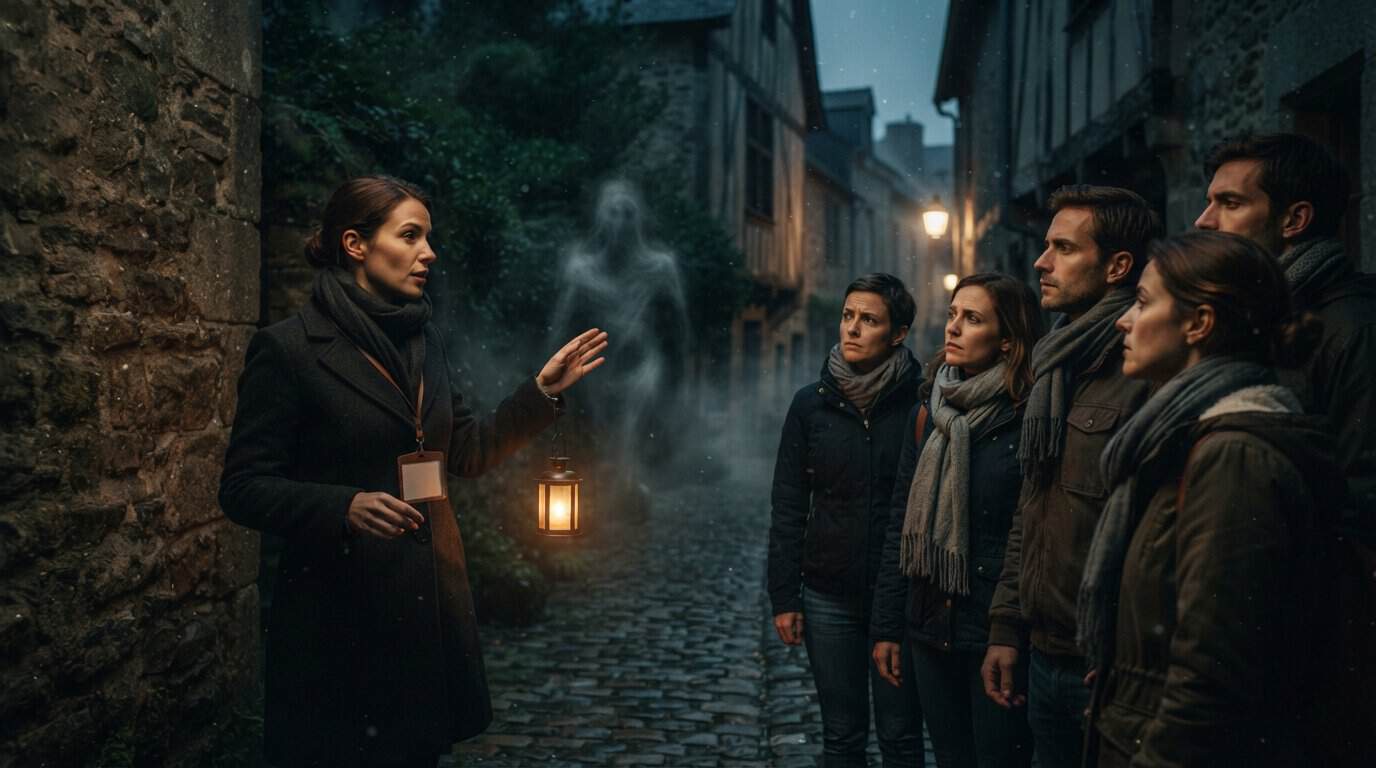
Yes. In New Orleans, checking that a tour guide has a city permit is a practical trust-and-safety step, but it does not prove a tour’s paranormal claims. The City of New Orleans requires guides to obtain a permit, pass an initial history-and-culture exam with a score of at least 70%, and submit a federal background check. Guides are exempt from drug testing, according to the city’s tour-guide requirements.
The permit rules also give readers a clearer picture of the city’s baseline for guides. The City says applicants must be at least 18 and cannot have a felony conviction within the preceding five years. A permit is valid for two years and costs $50 for a new permit or $20 for renewal; the New Orleans tour-guide permit information lists those terms.
A permit supports accountability and provides some assurance that a guide has met city requirements, including a test on local history and culture. That knowledge can give a ghost story more context: a guide may connect a tale to the city’s past instead of relying on atmosphere alone. A permit does not guarantee that every story is accurate, that every guide is engaging, or that guests will find the evidence convincing.
New Orleans Administrative Rule 16-01, “Standards of Conduct and Ethics for Licensed Tour Guides,” took effect September 26, 2016. The rule sets conduct and ethics standards for licensed guides, adding a formal framework beyond the permit’s application requirements. Readers can consult the city rule for its wording.
Licensing is a useful local check, not a paranormal seal of approval. A guide’s permit can support trust in the person leading the tour and their grounding in New Orleans history, but it cannot verify that a reported apparition appeared or that an operator’s supernatural explanation is correct. The city’s requirements concern tour guides, not proof of ghosts.
What Should You Check Before Booking?
Before booking, compare recent visitor comments with the current operator or ticket listing for the route, access, duration, included features, and cancellation terms. Mysterious Realms informs readers about tours but does not sell them. A short checklist can help separate a compelling story from the details that shape the evening.
- Read recent comments for recurring strengths and complaints. Repeated praise for a guide’s storytelling or historical research may matter more than one glowing review; repeated complaints about audibility can signal a practical concern.
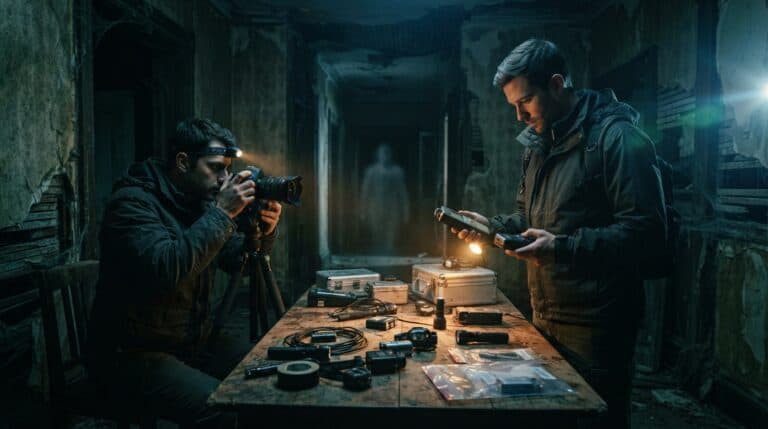
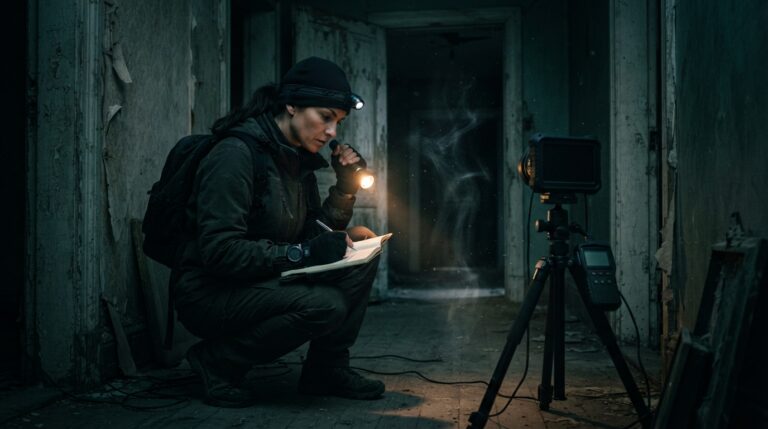
- Look for specific descriptions of what visitors heard and saw. Comments about whether the guide was easy to hear, how stories were told, how much research informed them, and what paranormal documentation was presented give more context than general reactions.
- Confirm the route, access, and duration on the current listing. Check which locations the tour visits, whether guests enter sites or hear stories outdoors, and how long the outing is scheduled to last.
- Check which features are included. A listing may describe a walking tour, augmented-reality experiences, or pub stops; confirm that the feature you want is part of the selected ticket rather than an optional extra.
- Review the current cancellation terms before paying. Rules can differ by tour, so check the listing for the deadline and conditions that apply to the specific booking.
- Compare the operator’s description with independent visitor feedback, then use the current booking link on the relevant operator or ticket listing for the tour you choose.
Ratings, review counts, and prices are snapshots, not fixed measures of quality or value. A listing can change, and a high rating cannot guarantee clear narration, persuasive historical detail, or convincing paranormal documentation. Recent, detailed comments can help reveal patterns, while the current listing confirms what is being offered now. When readers weigh a ghost tour, which matters most to them: history, atmosphere, or evidence?
Choose the Story That Fits
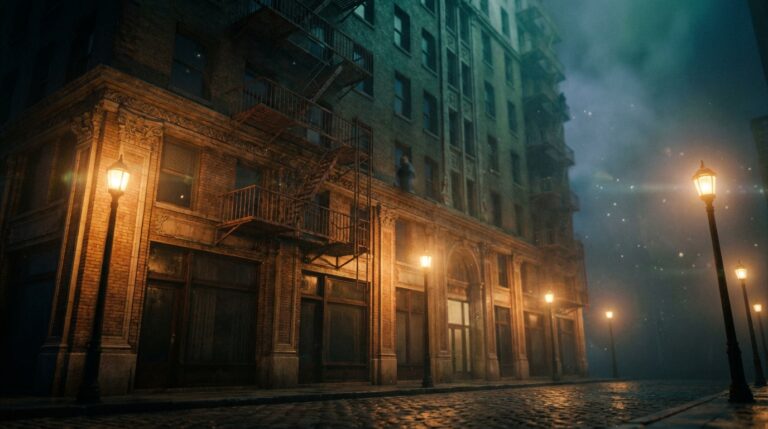
Before opening a booking page, finish this sentence: “I want the evening to leave me with ___.” If the answer is a stronger sense of New Orleans history, look for reviews that mention researched details and check whether the guide holds a city permit. If the answer is a tense, atmospheric walk, focus on comments describing the route and the guide’s delivery.
If the answer is evidence of a haunting, pause at words such as “guaranteed.” Read reviews that explain what paranormal material the guide presented and how visitors assessed it. An unexplained photo or story may deepen the mystery, but it does not independently confirm a ghost.
Then choose the format that matches that priority, and check the current listing for the exact route, access, included features, and cancellation conditions. Before paying, scan recent reviews for a practical deal-breaker: difficulty hearing the guide, little historical context, or an experience centered on an activity the visitor does not want. A high rating cannot resolve those personal fit questions.
A useful final test is to imagine the tour without a ghost encounter. If the stories, setting, and format still sound worthwhile, the choice may fit. If the evening only appeals when a supernatural claim comes true, reconsider what the listing can actually promise.
Frequently Asked Questions
1. What do GhostTube reviews say about the app?
GhostTube app reviews need to be assessed separately from reviews of guided ghost tours. Tripadvisor feedback about New Orleans tours discusses guides, history, audibility, and paranormal documentation, but does not rate the app.
2. Are ghost tours suitable for children?
Ghost tours can suit children who enjoy spooky stories, but the fit depends on the child and the tour format. Before booking, parents can check age guidance, route length, timing, and whether the outing includes pub stops; a New Orleans walking-tour example includes child-ticket age bands of 6–12 and 2–5.
3. How can visitors compare walking-tour accessibility?
Visitors can ask tour operators about route distance, steps or uneven pavement, rest stops, pace, seating, and whether the guide can be heard clearly. A listed duration alone does not show whether a walk will be manageable, so visitors should confirm access details for the specific route before booking.