The Terrifying Secrets Of The Mackenzie Poltergeist Hauntings
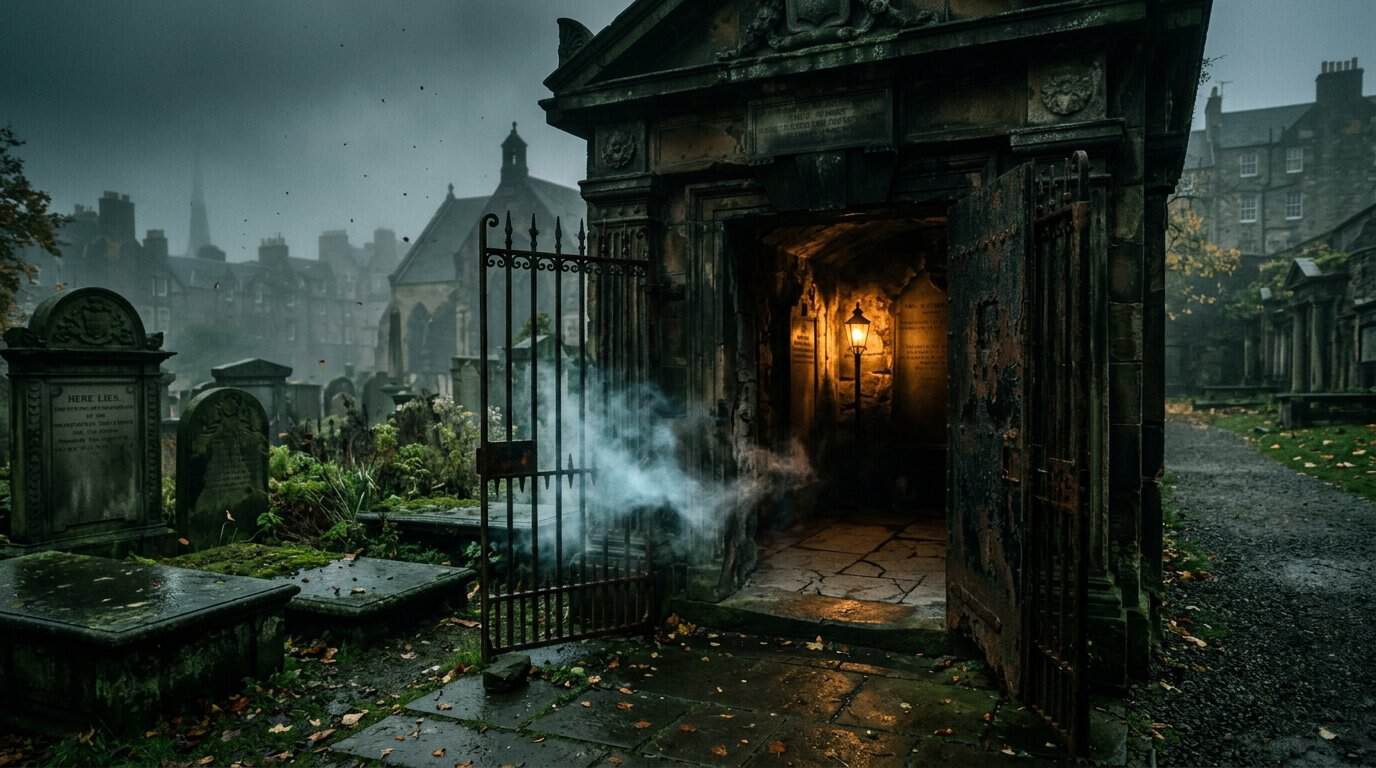
Deep within the shadows of Edinburgh’s Greyfriars Kirkyard, a restless spirit known as Bluidy Mackenzie is said to guard his final resting place with terrifying force. Since a break-in at his domed tomb years ago, the mackenzie poltergeist hauntings have become famous for their sheer physical intensity and frequency. Visitors often enter the locked gates of the Covenanters’ Prison with curiosity, only to leave with unexplained scratches, bruises, and fainting spells.
As of 2026, this remains one of the most well-documented cases of paranormal activity in history, blending 17th-century tragedy with modern-day mystery. While skeptics look for rational explanations in the damp Scottish air or the power of suggestion, the sheer volume of reported attacks keeps the legend alive. This site serves as a chilling reminder of Sir George Mackenzie’s brutal legacy and the dark history of the prisoners who suffered just steps away from his grave.
Key Takeaways
- The Mackenzie Poltergeist is one of the world’s most aggressive paranormal phenomena, with over 950 documented physical attacks including scratches, bruises, and unexplained fainting spells.
- The haunting is rooted in the 17th-century atrocities of Sir George ‘Bluidy’ Mackenzie, who oversaw the brutal imprisonment and death of over 1,200 Covenanters in Greyfriars Kirkyard.
- Modern activity was reportedly triggered in 1998 when a break-in at the Black Mausoleum disturbed Mackenzie’s tomb, unleashing a vengeful energy that remains active as of 2026.
- The most intense paranormal encounters are localized within the locked Covenanters’ Prison, where the proximity of the oppressor’s tomb to his victims’ place of suffering creates a unique hotspot of spiritual conflict.
The Bloody Legacy Of Sir George Mackenzie
The legend of the Mackenzie Poltergeist begins with the ruthless reign of Sir George Mackenzie, a man whose 17th-century legal career earned him the terrifying nickname Bluidy Mackenzie. As the Lord Advocate for King Charles II, he was tasked with suppressing the Covenanters, a group of Presbyterian rebels who refused to accept the state-sanctioned religion. His methods were notoriously cruel, leading to the imprisonment of over 1,200 people in a cramped, outdoor section of Greyfriars Kirkyard. These prisoners were left to suffer through a harsh winter with almost no food or shelter, and many died from exposure or were eventually executed under his command. It is this concentration of suffering and death that many believe laid the foundation for the dark energy that still clings to the graveyard today.
Historical records paint a grim picture of the Covenanters Prison, where Mackenzie oversaw the slow destruction of those who opposed the crown. The prisoners were kept in conditions that would be considered war crimes today, and their bodies were often buried in mass graves just feet from where they were held. Ironically, when Mackenzie died in 1691, he was interred in the grand Black Mausoleum located only a short distance from the site of his greatest atrocities. Many historians and local researchers suggest that his spirit remains restless, trapped in a cycle of eternal conflict with the victims he once persecuted. This proximity between the oppressor and the oppressed is frequently cited as the primary trigger for the violent paranormal activity reported by modern visitors.
The transition from a historical tragedy to a modern haunting allegedly occurred when a homeless man broke into the Mackenzie tomb to find shelter from the cold. According to local lore, he accidentally fell through a rotted floor into a pit of old bones, an event that many believe disturbed the spirit of the Lord Advocate. Since that night, the area surrounding the Black Mausoleum and the Covenanters Prison has become a hotspot for physical attacks, including scratches, bruises, and unexplained fainting spells. While skeptics look for rational explanations, the sheer volume of documented incidents makes it difficult to ignore the possibility that Mackenzie is still exerting his iron will from beyond the grave. What do you think causes such violent physical reactions in a place with such a dark history?
Breaking Into The Black Mausoleum
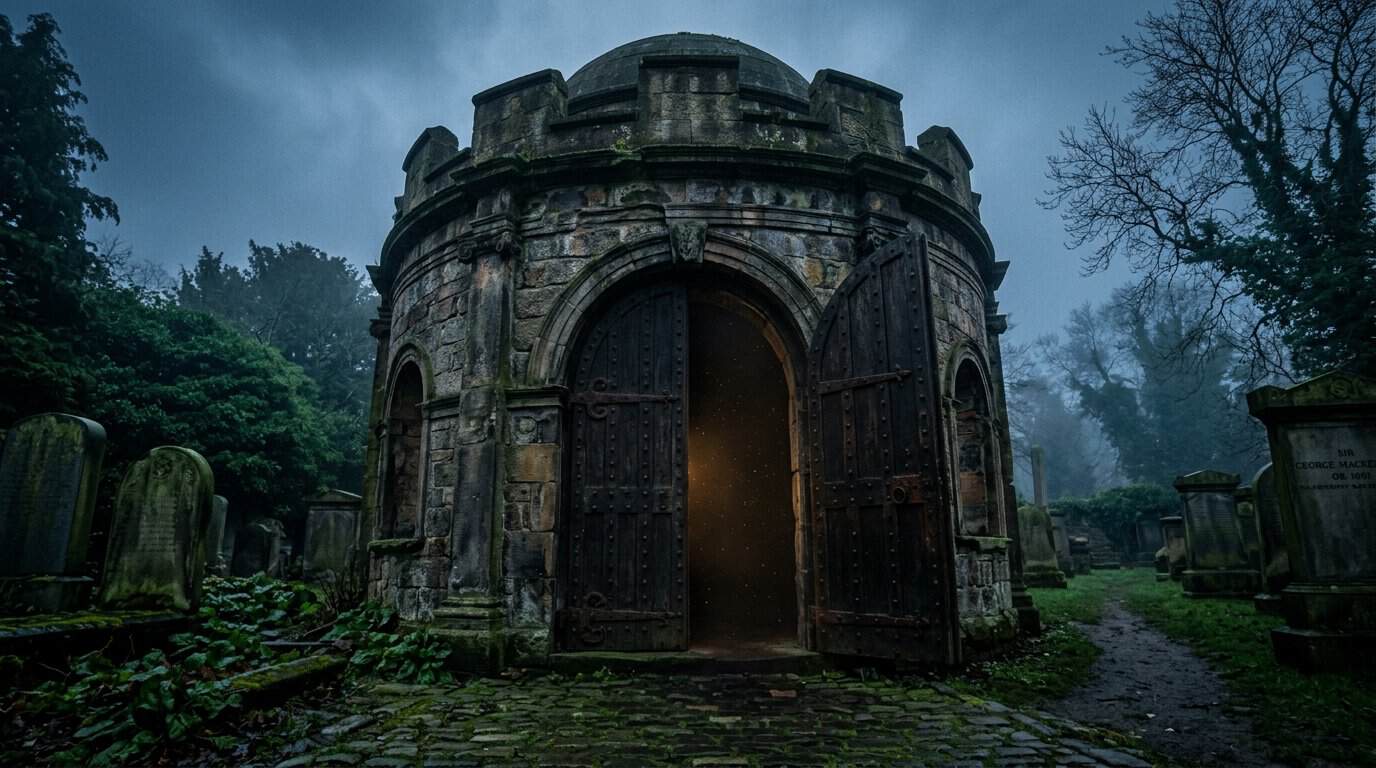
The modern legend of the Mackenzie Poltergeist began on a cold December night in 1998 when a homeless man sought shelter from the Edinburgh rain. He broke into the Black Mausoleum, the final resting place of the notorious Sir George Mackenzie, looking for a dry place to sleep. While exploring the dark tomb, he reportedly stumbled into a ventilation shaft or a loose floorboard, falling into a lower chamber filled with the skeletal remains of plague victims. This sudden disturbance of the tomb is widely believed by local historians and paranormal researchers to be the catalyst that awakened a dormant and vengeful energy. The man fled the graveyard in a state of pure terror, leaving the heavy doors of the mausoleum ajar and the spirit within supposedly unleashed.
Shortly after this break-in, visitors to Greyfriars Kirkyard began reporting strange and violent physical sensations near the tomb and the adjacent Covenanters Prison. People who had no knowledge of the recent trespassing incident started complaining of hot spots, cold chills, and the feeling of being watched by unseen eyes. More alarmingly, many individuals began discovering unexplained scratches, bruises, and even burn marks on their skin after leaving the site. These reports became so frequent and consistent that the city of Edinburgh eventually took the unusual step of locking the gates to this specific section of the cemetery. The incident with the intruder is now viewed as the definitive turning point that transformed a quiet historical site into a global hotspot for poltergeist activity.
While skeptics might point to the power of suggestion or the uneven terrain of the graveyard, the sheer volume of poltergeist evidence remains difficult to ignore. Since that night in 1998, hundreds of people have collapsed or suffered minor injuries while standing near the Black Mausoleum, often in the presence of many witnesses. Researchers note that the activity seems localized to the area where the Covenanters were once held in brutal conditions, suggesting a dark link between the spirit of the persecutor and his victims. Whether the homeless man truly disturbed a ghost or simply ignited a local legend, the physical evidence left on the bodies of visitors continues to fuel the mystery. Do you believe that a single act of trespassing could really wake a spirit that had been silent for centuries?
Documented Violence Within The Covenanters Prison
The atmosphere within the locked gates of the Covenanters Prison is often described as heavy and suffocating, serving as a prelude to the physical intensity that has been documented there for decades. Since the late 1990s, when a homeless man reportedly broke into Sir George Mackenzie’s tomb and disturbed his rest, the site has become a hotbed for aggressive paranormal activity. Visitors on guided tours frequently report being pushed, scratched, or even bitten by an unseen force that leaves behind tangible marks. These incidents are not merely ghost stories, as professional tour organizers have meticulously logged over 950 separate physical attacks. Many of these encounters occur in broad daylight or under the watchful eyes of dozens of witnesses, making them some of the most well-documented cases of poltergeist activity in modern history.
Beyond the cuts and bruises, the location is notorious for causing sudden and unexplained medical emergencies among those who enter the Black Mausoleum. Hundreds of visitors have collapsed or fallen into deep faints without any prior history of illness or dizziness. Some people report feeling a sudden drop in temperature followed by an overwhelming sensation of dread before losing consciousness entirely. While skeptics might point to the power of suggestion or the claustrophobic nature of the stone vaults, the sheer volume of documented collapses remains a statistical anomaly. Many who have experienced these blackouts describe a feeling of being drained of energy, as if the spirit of Bluidy Mackenzie is drawing strength directly from the living.
The historical documentation of these events provides a chilling bridge between the brutal past of the 17th century and the hauntings of today. The area once served as a horrific outdoor jail where Mackenzie oversaw the suffering of over 1,200 prisoners, many of whom died from exposure and starvation. Much like the terrifying legend of other aggressive spirits, it is fascinating to consider if the residual trauma of such an event has permanently stained the land, or if a singular, intelligent entity is responsible for the ongoing violence. Whether you believe in spirits or prefer a more grounded explanation, the physical evidence left on the bodies of visitors is difficult to ignore. Do you think a person’s fear can manifest as physical injury, or is there truly something malicious lurking behind the bars of the Covenanters Prison?
The Enduring Shadow of Greyfriars Kirkyard
The legend of the Mackenzie Poltergeist continues to stand as one of the most compelling mysteries in the world of the supernatural. Even as we move through 2026, the reports of scratches, bruises, and sudden fainting spells within Greyfriars Kirkyard show no signs of slowing down. This enduring phenomenon bridges the gap between 17th century history and modern day paranormal investigation, proving that some stories refuse to stay buried. Whether the activity is fueled by the dark legacy of Sir George Mackenzie or some other unknown energy, the physical evidence remains difficult for even the most hardened skeptics to ignore.
Walking through the gates of the Covenanters Prison offers a chilling reminder of the thin line between the past and the present. The historical documentation of the brutal conditions faced by prisoners provides a somber backdrop to the modern reports of aggressive spiritual encounters. While science may look for geological or psychological explanations, the sheer volume of consistent eyewitness accounts suggests a mystery that is far from solved. This site remains a premier destination for those seeking to understand the unexplained, cementing its reputation as a cornerstone of global hauntings.
The Black Mausoleum waits in the shadows of Edinburgh, holding its secrets behind locked iron gates. For many, the risk of a physical encounter is a price worth paying for a glimpse into the unknown, while others prefer to keep a respectful distance from the tomb of Bluidy Mackenzie. Each new visitor contributes to the growing archive of this living ghost story, adding a modern chapter to an ancient tale of terror. Would you ever be brave enough to step inside the tomb and face the Mackenzie Poltergeist yourself, or is the dark history of Greyfriars Kirkyard best left undisturbed?
Frequently Asked Questions
1. Who was the man behind the Mackenzie Poltergeist legend?
Sir George Mackenzie was a 17th century legal official known as Bluidy Mackenzie for his harsh treatment of religious rebels. He earned this reputation by imprisoning over 1,200 Covenanters in a brutal outdoor jail where many perished from hunger and cold.
2. What event is believed to have triggered the modern hauntings?
The activity began after a break-in at Mackenzie’s domed tomb several years ago. This disturbance of his final resting place is often cited by paranormal researchers as the moment the restless spirit was unleashed.
3. Where do most of the reported attacks take place?
Most encounters occur within the gates of the Covenanters’ Prison, a specific section of Greyfriars Kirkyard in Edinburgh. This area served as the original site of suffering for Mackenzie’s prisoners and remains locked to the public except for guided tours.
4. What kind of physical symptoms do visitors report?
Visitors frequently report experiencing unexplained scratches, bruises, and even fainting spells after entering the prison grounds. These marks often appear instantly on the skin, making this one of the most physically aggressive hauntings on record.
5. Is there a scientific explanation for these occurrences?
Skeptics suggest that the damp Scottish air or the power of suggestion in a creepy environment might cause people to feel unwell. However, the sheer volume of documented physical injuries continues to challenge purely rational theories, much like the haunting legends found in other notorious burial grounds around the world.
6. Can the public visit the site of the hauntings today?
The Covenanters’ Prison is generally kept under lock and key to ensure visitor safety and preserve the historic site. Those wishing to explore the area usually must join a sanctioned ghost tour to gain access to the most active locations.