The Bloop Sound Mystery: From Sea Monster Theories To Icequake Evidence
The Bloop sound mystery began with a deep, powerful noise recorded across the Pacific in 1997. It was so loud that it inspired theories about unknown creatures, hidden machines, and distant underwater events. Hydrophones more than 2,000 miles apart detected the signal, which appeared to come from one of the ocean’s most inaccessible regions. Its unusual tone made it one of the most famous unexplained sounds ever recorded.
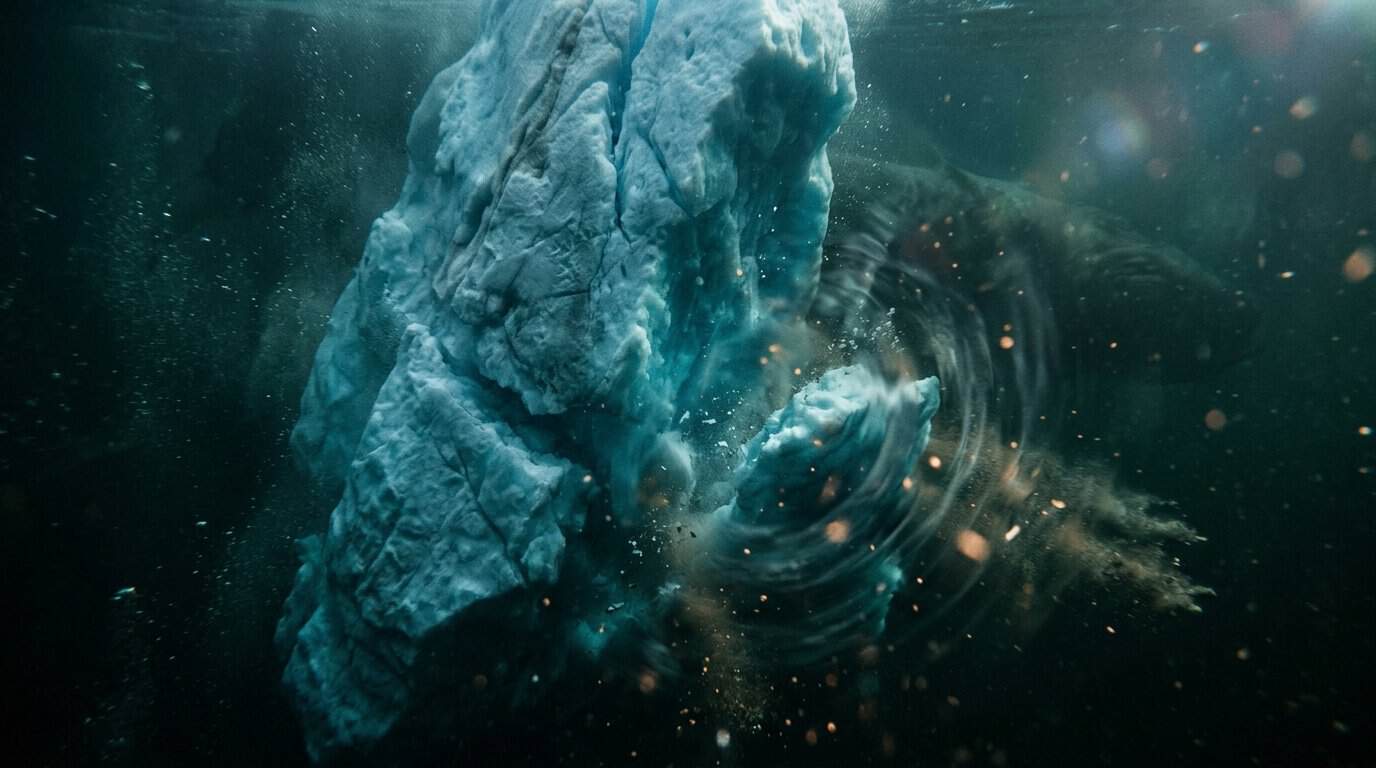
Today, NOAA identifies the Bloop as an icequake, the sound of a massive Antarctic iceberg cracking, breaking apart, or shifting against the seafloor. Later recordings support that explanation, although researchers have not connected the sound to one specific iceberg. That leaves a small but fascinating gap between what science can explain and what the ocean still keeps hidden.
Key Takeaways
- The Bloop was a powerful, low-frequency sound recorded across the Pacific in 1997 by hydrophones more than 2,000 miles apart.
- NOAA identifies the Bloop as an icequake caused by a massive Antarctic iceberg cracking, calving, grounding, or breaking apart—not an unknown sea creature.
- Later recordings of iceberg activity support the icequake explanation, although researchers have not identified the specific iceberg or exact event responsible.
- The Bloop demonstrates how unusual underwater signals can inspire extraordinary theories before stronger evidence reveals a natural explanation.
Bloop Sound Mystery Introduction
In 1997, underwater microphones across the Pacific detected a powerful, low-frequency sound that seemed to come from the deep. The signal, later nicknamed the Bloop, was recorded by NOAA’s Equatorial Pacific Ocean autonomous hydrophone array. Sensors more than 3,219 kilometers apart detected the same sound, quickly drawing public attention. If the signal traveled so far, many people wondered whether it could have come from a creature larger and stranger than any known ocean animal.
That question gave the Bloop a lasting place among modern mysteries. The ocean remains difficult to explore, and its darkest depths have long inspired theories about undiscovered life. At the same time, the recording offered no proof of a living source, so scientists compared it with known underwater events. The central question was whether the Bloop revealed unknown ocean life or pointed to a powerful natural process.
Later research led NOAA to identify the Bloop as an icequake, a sound created when a large Antarctic iceberg fractures, calves from a glacier, grounds, or breaks apart. Similar sounds recorded from ice helped support that explanation, although researchers have not linked the Bloop to one specific iceberg. The finding does not make the story less fascinating. Instead, it shows how evidence can turn an imaginative theory toward a surprising natural answer. Like other unexplained sounds, the Bloop invites curiosity while reminding listeners that careful study often reveals the source of an apparent mystery.
The 1997 Bloop Recording
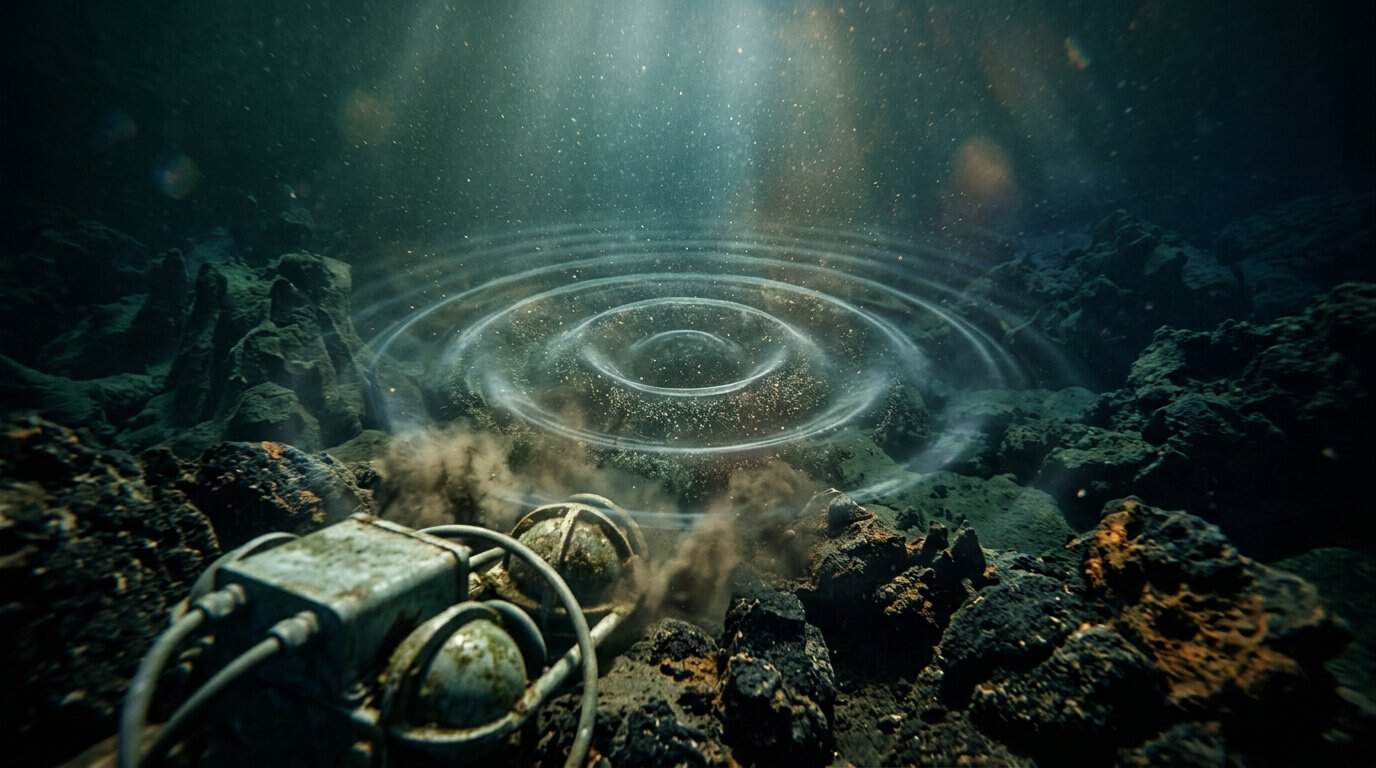
In 1997, NOAA’s autonomous hydrophone array in the Equatorial Pacific captured an unusually powerful, low-frequency sound that became known as the Bloop. Hydrophones are underwater microphones that detect changes in water pressure, allowing scientists to hear events far beyond the reach of ordinary instruments. The array’s sensors were more than 3,219 kilometers, or 2,000 miles, apart, yet several recorded the same signal. That wide spacing helped researchers estimate the sound’s location and showed how far powerful noises can travel through the ocean.
At first, the Bloop’s strength and unfamiliar quality inspired theories about unknown ocean life. The recording also had practical scientific value because it demonstrated how broad listening networks could reveal volcanic activity, shifting ice, and other hidden events in remote parts of the sea. NOAA later compared the Bloop with similar sounds produced when large Antarctic icebergs fracture, calve, or scrape against the seafloor. Those comparisons support the explanation that the Bloop was an icequake, although researchers have not identified one specific iceberg as its source.
The mystery remains valuable because it shows how a dramatic observation can come before its explanation. A sound that once seemed to hint at a creature from the deep ultimately became evidence of powerful natural forces moving through the planet’s oceans. The Bloop story encourages curiosity, but it also highlights the need to test extraordinary ideas against later recordings and stronger evidence. For ocean scientists, the lasting lesson is that careful listening can turn an eerie signal into a new way of understanding Earth.
Sea Monster Theories And Ocean Fear
The Bloop’s immense strength made the 1997 recording feel like a warning from the deep. Hydrophones more than 3,219 kilometers apart detected the low-frequency signal, leading some listeners to imagine a giant, undiscovered animal moving through the Pacific. The theory echoed an old fear of the ocean: that dark waters might still hide creatures larger than any documented by science. Readers curious about that possibility can explore related stories about deep-sea creatures and the animals that thrive beyond sunlight.
For years, the Bloop’s unclear source allowed the sea monster theory to grow, especially because no known animal had been linked to a sound of comparable power. Yet the recording provided no image, tissue sample, or repeated pattern proving that a living creature made it. NOAA later concluded that the sound was an icequake, likely caused by a large Antarctic iceberg fracturing, calving, grounding, or breaking apart. Similar underwater recordings of iceberg activity support that explanation, although researchers have not identified one specific iceberg as the definite source.
The icequake explanation changes the mystery without removing its sense of wonder. It shows how a real scientific clue can first inspire imaginative theories, then point toward a powerful natural event that is just as dramatic as a monster story. The Bloop also belongs beside other cases collected in unexplained ocean sounds, where limited evidence can keep several possibilities alive for a time. Does the natural explanation settle the story, or does the ocean still leave room for something unknown?
Icequake Evidence And NOAA Findings
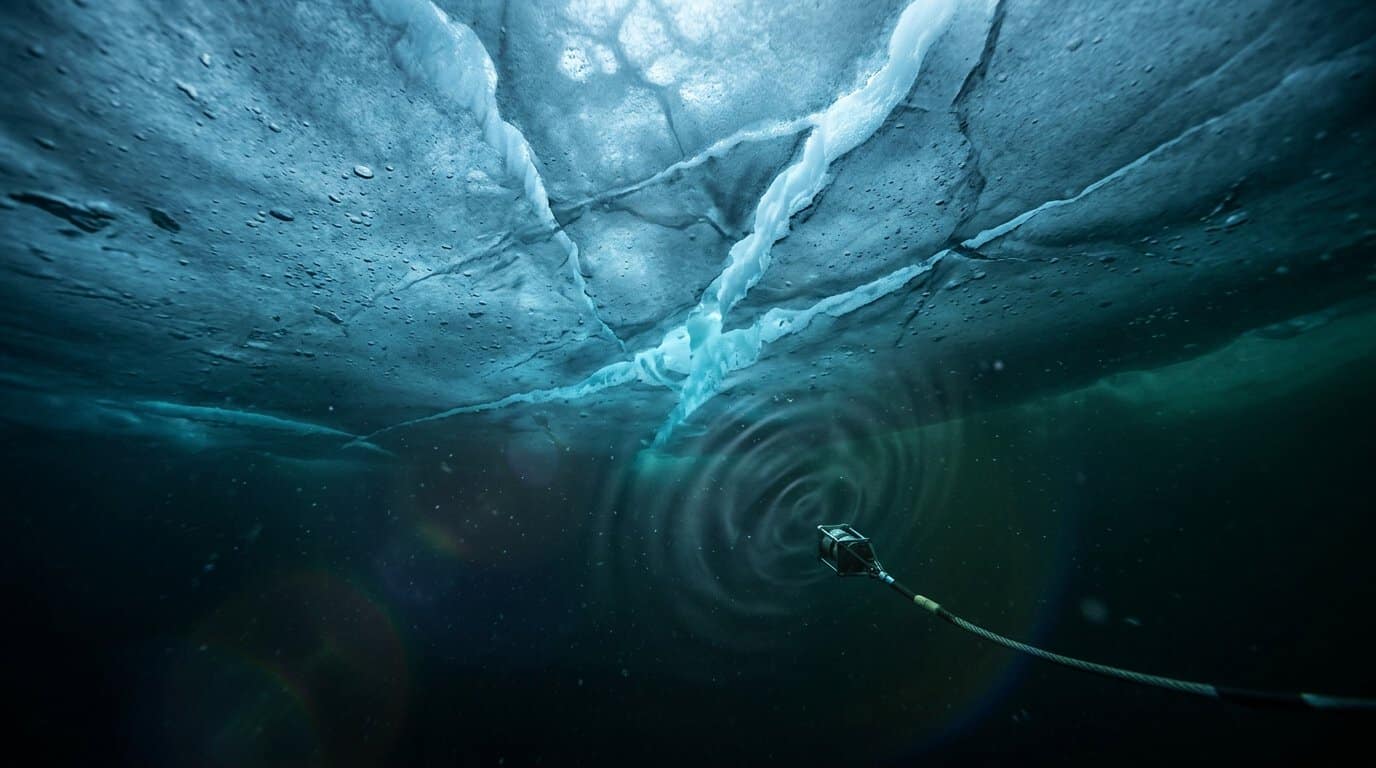
NOAA’s current explanation is that the Bloop was an icequake, not a call from an unknown sea creature. In 1997, hydrophones across the Equatorial Pacific detected the unusually powerful, low-frequency sound, with instruments more than 3,219 kilometers, or 2,000 miles, apart recording it. Scientists believe a large Antarctic iceberg may have cracked, calved from a glacier, scraped the seafloor, or broken apart. Any of these events could send a deep rumble through the ocean across a vast distance. The theory offers a natural explanation while preserving the mystery of how such a remote event produced such a striking signal.
Later recordings of iceberg activity strengthened this theory. Researchers captured sounds from large ice masses fracturing and breaking apart, and those recordings showed patterns similar to the Bloop. The comparison gave scientists a way to test the original signal instead of relying only on its dramatic reputation. However, no one has identified one specific Antarctic iceberg as the definite source. That missing detail means the explanation is well supported, but it does not provide a complete reconstruction of the event.
A useful visual would place a map of the hydrophone network beside waveform comparisons from the Bloop and later iceberg recordings. Such an image could show how a sound recorded thousands of kilometers away can be matched to known ice behavior, helping separate evidence from speculation about unknown ocean life. The Bloop therefore remains an intriguing chapter in ocean science, not because it proves that a hidden creature exists, but because it shows how new recordings can reshape a powerful mystery. Could the next unexplained underwater signal be solved in the same way?
Bloop Sound Mystery Conclusion
The Bloop moved from a chilling, unexplained signal to a scientifically supported natural event. Recorded in 1997 by NOAA’s underwater hydrophones, the sound reached sensors more than 2,000 miles apart, making its strength seem almost impossible to explain. Later research found that large Antarctic icebergs can produce remarkably similar sounds when they fracture, calve from glaciers, or grind against the seafloor. NOAA now identifies the Bloop as an icequake, although researchers have not linked it to one specific iceberg.
That explanation does not erase the wonder surrounding the recording. Before the icequake evidence emerged, the signal inspired theories about unknown sea creatures and hidden activity in the deep, showing how quickly an unusual clue can invite extraordinary ideas. The case also demonstrates how new evidence can reshape a mystery without making the original discovery any less fascinating. Does the icequake evidence fully resolve the Bloop sound mystery, or might the ocean still hold other sounds waiting to be understood?
The Bloop’s Icy Answer
The Bloop sound mystery began with a startling discovery in 1997, when NOAA hydrophones more than 2,000 miles apart detected an unusually powerful underwater signal. Its deep, rising tone seemed strange enough to inspire theories about an unknown ocean creature hidden in the darkest depths. Later analysis, however, pointed toward a natural source rather than a living giant. NOAA now identifies the Bloop as an icequake, likely caused by a large Antarctic iceberg fracturing, calving, grounding, or breaking apart.
Although researchers have not traced the sound to one specific iceberg, later recordings of similar ice-related noises support this explanation. The mystery remains valuable because it shows how limited information can make an extraordinary theory seem possible, while stronger evidence can gradually reshape the story. The Bloop may not be the call of undiscovered ocean life, but it still captures the ocean’s power and the human urge to investigate what cannot immediately be understood. Could another strange underwater signal someday challenge what scientists currently believe?
Frequently Asked Questions
1. What was the Bloop sound?
The Bloop was a powerful, low-frequency sound recorded across the Pacific in 1997. Its unusual strength and ability to travel more than 2,000 miles through the ocean made it one of the most famous unexplained sounds ever captured.
2. Where was the Bloop recorded?
NOAA detected the Bloop with its Equatorial Pacific Ocean autonomous hydrophone array. Sensors more than 3,219 kilometers apart picked up the signal, showing that it was strong enough to travel across a vast section of the Pacific.
3. What caused the Bloop sound?
NOAA identifies the Bloop as an icequake, a powerful sound produced when a massive Antarctic iceberg cracks, breaks apart, or shifts against the seafloor. Later recordings of similar sounds support this explanation, although researchers have not connected the original signal to one specific iceberg.
4. Could the Bloop have come from a giant sea creature?
The sound’s deep tone and enormous reach inspired theories about an unknown animal living in the ocean’s darkest depths. However, the recording contains no evidence of a living source, and the similarity between the Bloop and sounds from Antarctic ice events makes a natural explanation far more likely.
5. Why did the Bloop become such a famous mystery?
The Bloop combined several elements that fuel lasting mysteries: a remote location, a powerful sound, limited knowledge of the deep sea, and no immediate visual evidence. Its eerie name and possible connection to an undiscovered creature also helped it spread through documentaries, websites, and discussions about other deep-sea mysteries.
6. Was the Bloop louder than any known animal sound?
The Bloop was extraordinarily powerful when detected by underwater microphones, but its volume does not prove that it came from a larger animal. Icequakes and other large underwater events can release immense energy, allowing their sounds to travel much farther than ordinary marine calls.
7. Has the Bloop mystery been completely solved?
Its most accepted explanation is clear: the Bloop was probably an Antarctic icequake. A small gap remains because scientists have not identified the exact iceberg or precise event that created the 1997 signal. This leaves room for careful investigation, but there is no strong evidence for a hidden creature or machine.
8. Why does the Bloop still matter today?
The Bloop shows how much information can be gathered from sound in places humans cannot easily reach. It also reminds researchers and the public that a strange signal deserves both imagination and testing, especially when the deep ocean continues to hold events that are difficult to observe directly.