
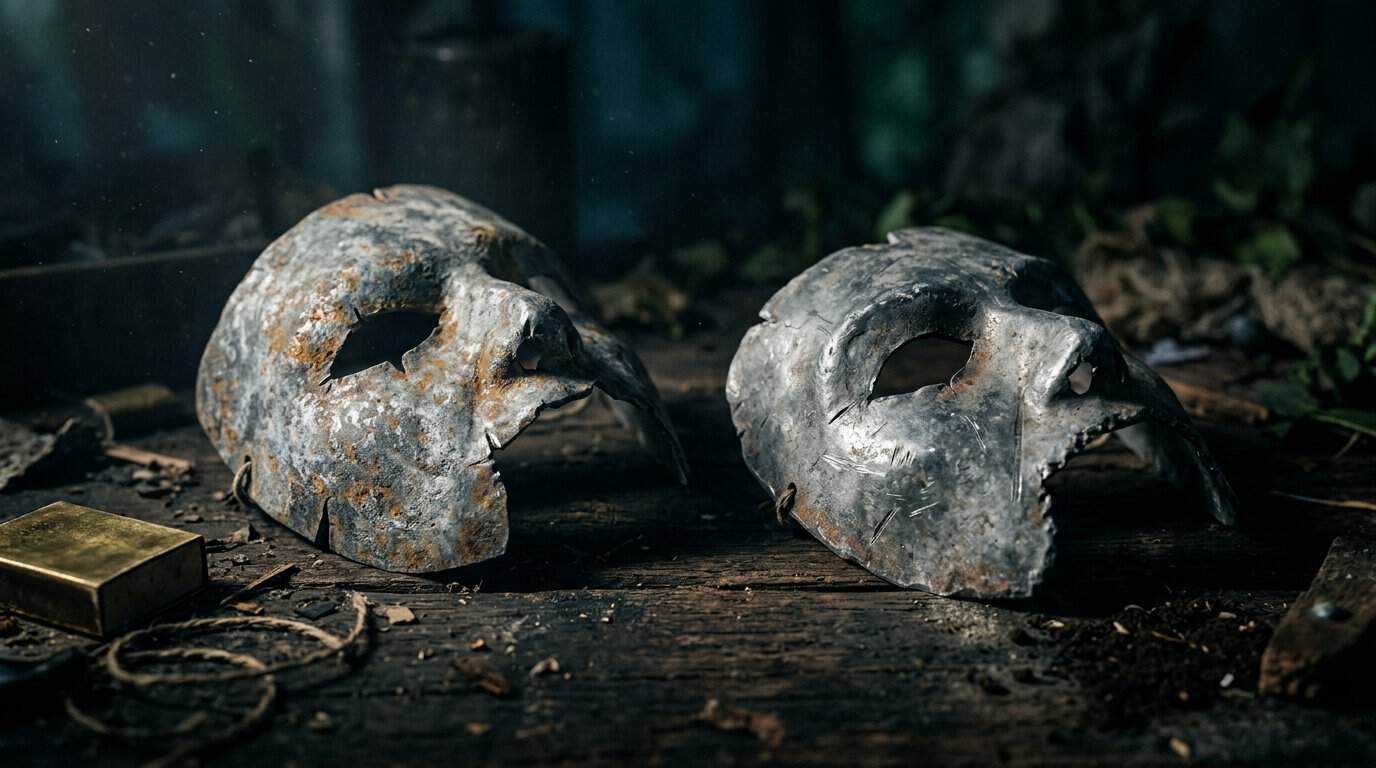
Lead Masks Case Mystery: Evidence, Theories, And Unanswered Questions
The lead masks case began on August 20, 1966, when two electronics technicians were found dead on Vintém Hill in Niterói, Brazil. They wore crude lead eye masks, and a nearby note mentioned capsules, protecting metals, and waiting for a signal. Because the bodies were badly decomposed and reliable toxicology results were unavailable, the cause of death was never confirmed.
The clues have fueled theories ranging from a failed experiment and accidental poisoning to suicide, homicide, or something more unusual. Yet the strongest evidence still leaves important questions unanswered: Why were the masks made, what did the capsules contain, and who or what was expected to send the signal? The mystery endures because the facts are strange enough to invite curiosity, but incomplete enough to demand caution.
Key Takeaways
- On August 20, 1966, electronics technicians Manoel Pereira da Cruz and Miguel José Viana were found dead on Brazil’s Vintém Hill wearing crude lead eye masks, with a note mentioning capsules, metal protection, and waiting for a signal.
- The masks and note are confirmed evidence, but their purpose remains unknown; no reliable toxicology established what the capsules contained or how the men died.
- Accidental poisoning, a failed experiment, suicide, and homicide remain possible, while UFO and paranormal explanations are speculative and unsupported by verified evidence.
- The case endures because decomposition and missing forensic evidence prevent a definitive conclusion, making it essential to distinguish documented facts from later rumors.
Introduction To The Lead Masks Case
On August 20, 1966, two electronics technicians, Manoel Pereira da Cruz and Miguel José Viana, were found dead on Morro do Vintém, or Vintém Hill, in Niterói, Rio de Janeiro. The scene was striking: both men wore crude lead eye masks, and a nearby timed note mentioned taking capsules, protecting metals, and waiting for a signal. Their deaths soon became known as the Lead Masks Case, a mystery marked by an unusual setting and clues that seemed to suggest a planned experiment or ritual. Yet the surviving evidence does not clearly show what the men intended or what caused their deaths.
This account begins with the confirmed facts, then separates documented details from rumors and later theories. The bodies were badly decomposed, and no definitive toxicology result established whether poisoning, an accident, suicide, homicide, or another cause was responsible. That uncertainty raises scientific questions about the masks, the capsules, and the note, while also explaining why more extraordinary interpretations continue to attract attention. The case remains compelling not because one explanation has been proven, but because its central questions have never received reliable answers.
Last Journey To Vintém Hill
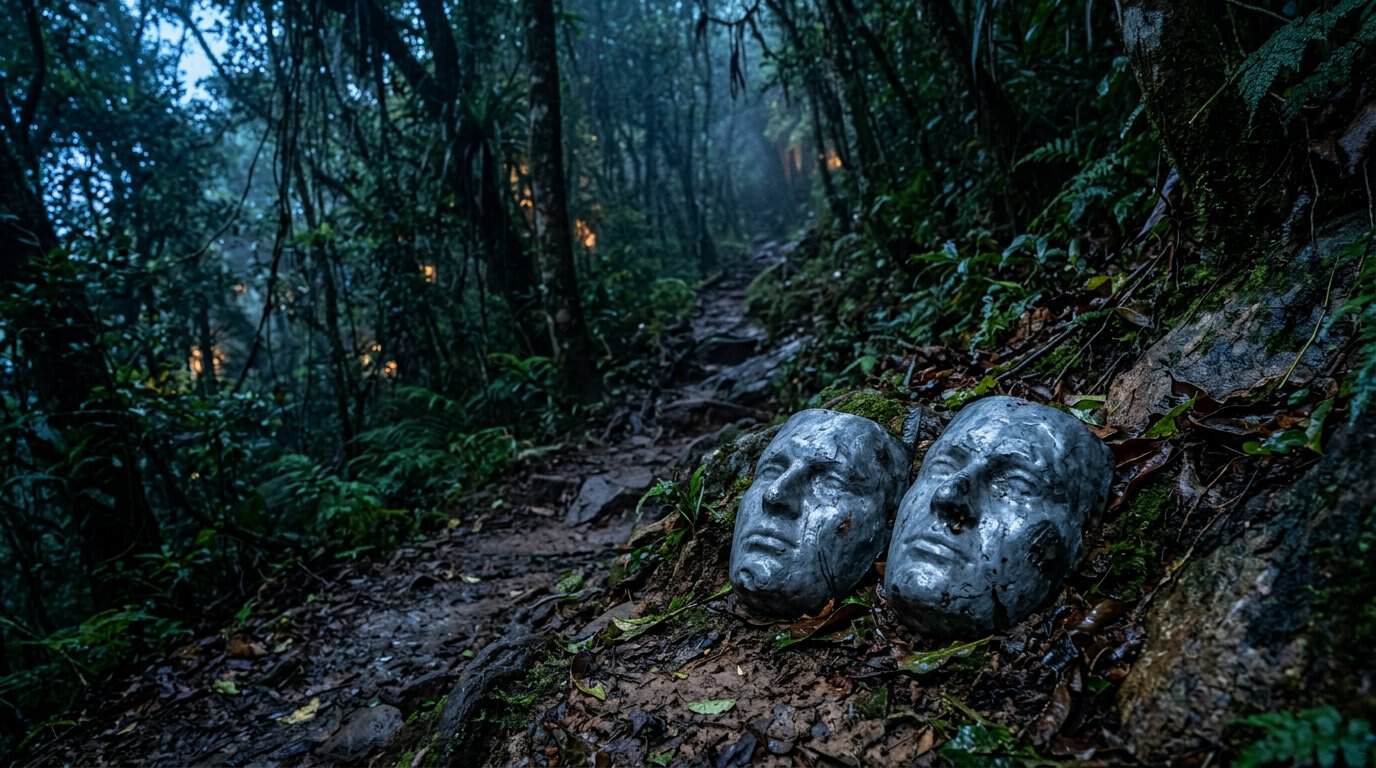
On August 17, 1966, electronics technicians Manoel Pereira da Cruz and Miguel José Viana reportedly left Campos dos Goytacazes, saying they were traveling to obtain materials connected to their work. Their route led toward Niterói, where the pair made their final known movements. Accounts place them buying raincoats and reaching Morro do Vintém, a steep hill with open ground and wide views across the city. Nothing about the journey clearly explains why they chose the isolated hilltop.
Three days later, on August 20, a boy flying a kite noticed something unusual on the hillside and helped bring attention to the scene. Searchers found both men lying side by side, already badly decomposed, wearing crude lead masks over their eyes. Nearby were the raincoats, a notebook, and a timed instruction referring to capsules, protection from metals, and waiting for a signal. The setting and strange note quickly turned an apparent double death into one of Brazil’s most enduring mysteries.
The discovery established important facts, but it did not settle the cause of death. Because the bodies had deteriorated and reliable toxicology was not obtained, investigators could not confirm poisoning or determine whether the men had taken the capsules themselves. Later theories have suggested an experiment, suicide, homicide, or a belief in contact with an unknown source, yet none has been proven. The boy’s kite led to the discovery, but the evidence left on Vintém Hill has never revealed what the men expected to happen there.
Lead Masks And Timed Note
On August 20, 1966, investigators found Manoel Pereira da Cruz and Miguel José Viana on Morro do Vintém in Niterói, Rio de Janeiro. The two electronics technicians were wearing homemade lead eye masks and ordinary clothing that offered no clear explanation for what they expected to happen. Their bodies were badly decomposed, and there were no obvious signs of a struggle or violent attack at the scene. The masks are a confirmed detail, but their purpose remains uncertain. They could have been linked to an experiment, a ritual, or a belief about protection from radiation or other forces.
A nearby note provided the most puzzling clue. It referred to capsules, the need to protect metals, and waiting for a signal at a set time. Its brief wording suggests that the men were following a plan, yet it does not explain who created the plan, what the capsules contained, or what signal they expected. Later reports and retellings have connected the message to poisoning, secret experiments, and contact with unusual forces, but none of those ideas has been proven. Because definitive toxicology was never obtained, investigators could not establish whether the deaths resulted from poison, an accident, suicide, homicide, or another cause.
A simple timeline graphic could place the known events beside the unanswered questions, beginning with the men’s departure and ending with the discovery of the bodies. One side might show documented details, such as the masks, clothing, note, and lack of visible violence, while the other marks unclear points, including the capsule contents, the meaning of “protect metals,” and the missing signal. This visual separation would help readers see why the Lead Masks Case remains controversial without treating every rumor as evidence. It also leaves the central question open: were the masks part of a dangerous experiment, or did they serve a purpose investigators never understood?
Missing Toxicology Evidence
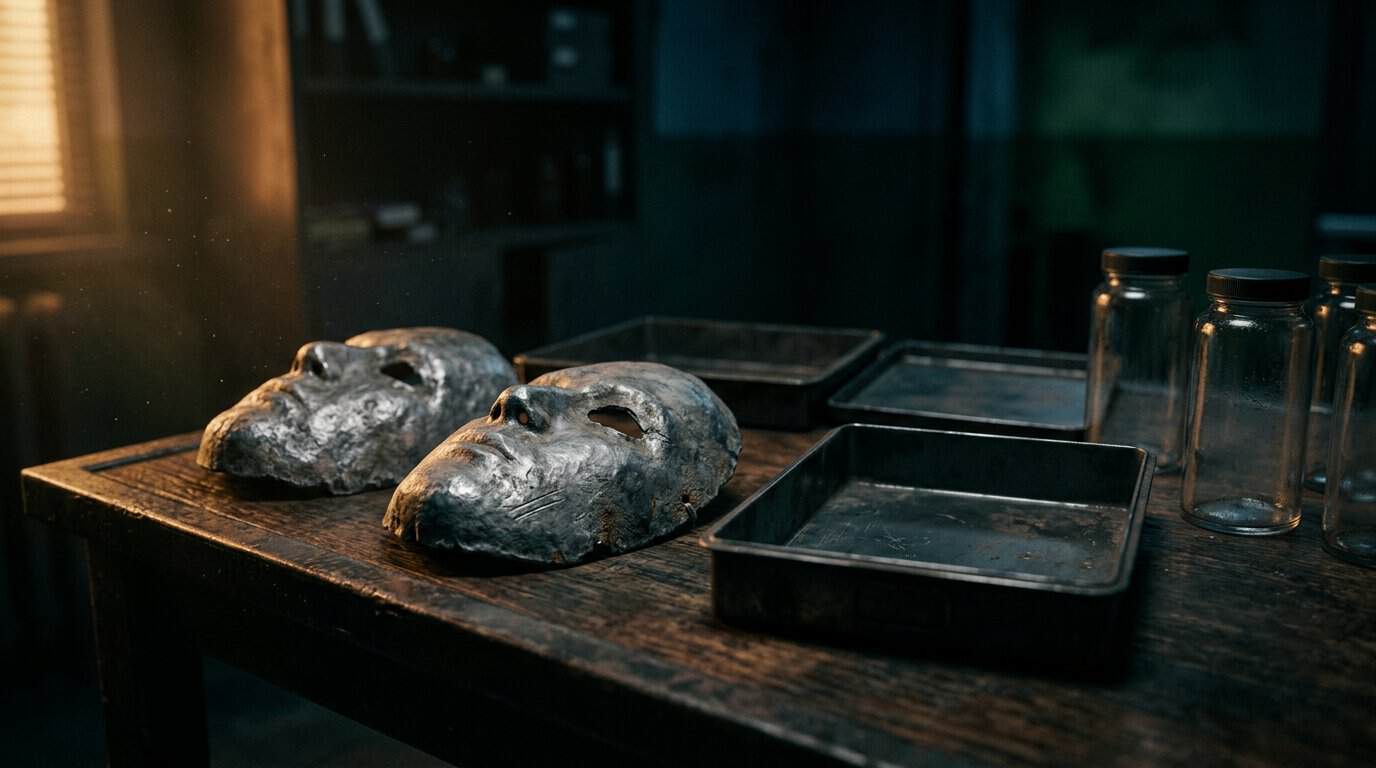
By the time the two men were found on Vintém Hill on August 20, 1966, decomposition had already damaged or erased many clues. The autopsies could establish their identities, the general condition of the bodies, and the absence of obvious violent injuries, but they could not provide a clear cause of death. The crude lead masks, clothing, and timed note remained important parts of the scene, yet none proved what happened inside the men’s bodies. With the limited forensic resources available at the time, investigators were unable to recover definitive toxicology evidence from the remains.
That gap left several explanations open, including poisoning, an accidental experiment, suicide, or an act by someone else. The note’s reference to capsules suggested that a substance may have been involved, but no confirmed drug or poison was linked to the deaths. Decomposition also made it difficult to separate genuine physical findings from changes that occurred after death, so later theories often rested on clues rather than proof. The case therefore belongs among the unresolved forensic mysteries in which surviving evidence can narrow the possibilities without delivering a final answer.
Competing Theories And Later Rumors
Investigators have considered accidental poisoning, planned suicide, and homicide since the bodies were found on Vintém Hill on August 20, 1966. Accidental poisoning could fit the note’s reference to capsules, but the missing toxicology evidence means no poison was ever confirmed. Planned suicide is also possible, yet the crude lead masks, the instruction to protect the metals, and the promise of awaiting a signal do not explain what the men believed would happen. Homicide cannot be ruled out, although there was no publicly documented proof of a struggle, a clear motive, or a confirmed suspect.
Another theory holds that the electronics technicians were conducting a dangerous experiment involving radiation, sound, or another force they did not understand. The idea draws some support from their technical background, but no equipment or reliable test records show what experiment was taking place. Later stories added claims that the men were meeting spirits, receiving instructions from flying objects, or waiting for contact with extraterrestrial beings. These accounts give the Lead Masks Case its eerie reputation, but they appear to have grown mainly from speculation, sensational retellings, and the strange wording of the note rather than evidence recorded at the scene.
The strongest contemporary facts remain limited to the two deaths, the lead eye coverings, the capsules mentioned in the note, and the absence of a conclusive forensic explanation. Rumors about secret experiments or supernatural contact should therefore be separated from what police reports and period news accounts could establish. At the same time, the lack of definitive toxicology leaves open questions about whether the deaths were accidental, deliberate, or caused by another person. Until new evidence appears, the case remains unresolved, inviting readers to weigh the documented clues against the stories that followed.
Conclusion: Why The Mystery Endures

On August 20, 1966, electronics technicians Manoel Pereira da Cruz and Miguel José Viana were found dead on Morro do Vintém in Niterói, Rio de Janeiro. Both wore crude lead eye masks, and a handwritten note reportedly mentioned taking capsules, protecting metals, and waiting for a signal. Their trip from Campos dos Goytacazes, the masks, and the timed instructions form the confirmed core of the case, even though the meaning of each detail remains uncertain. Later stories have added claims about drinks, unusual meetings, and secret experiments, but those accounts must be separated from what investigators could document at the scene.
The greatest gap is the absence of reliable toxicology, since the bodies had badly decomposed before examination. Without proof of what the capsules contained or how the men died, poisoning, an accidental experiment, suicide, homicide, and other possibilities remain open. The lead masks may have served a practical purpose, reflected a belief, or simply been part of a plan that was never completed, but no explanation has been proven. Which theory best fits the known timeline, the strange objects, and the missing evidence? At what point does reasonable interpretation give way to speculation?
The Lead Masks Case Still Defies Explanation
The Lead Masks Case remains an unresolved Brazilian death investigation rather than a solved story of secret experiments or extraterrestrial contact. On August 20, 1966, electronics technicians Manoel Pereira da Cruz and Miguel José Viana were found dead on Morro do Vintém in Niterói, Rio de Janeiro, wearing crude lead eye masks. Nearby, investigators found a note mentioning capsules, protection from metals, and waiting for a signal, but its meaning was never confirmed. The condition of the bodies also made it impossible to establish a reliable cause of death.
That uncertainty has allowed several theories to survive, including accidental poisoning, planned suicide, homicide, and an unknown experiment linked to the men’s interest in electronics and spiritual ideas. None has been proven, and there is no verified forensic breakthrough or publicly documented official resolution as of August 15, 2026. The strongest account separates confirmed clues from later rumors while recognizing that the strange setting and missing evidence leave room for questions. The Lead Masks Case endures because every explanation must account for the masks, the timed note, the capsules, and the absence of a clear motive. What may have happened on Vintém Hill?
Frequently Asked Questions
1. What is the Lead Masks Case mystery?
The Lead Masks Case concerns the deaths of electronics technicians Manoel Pereira da Cruz and Miguel José Viana, whose bodies were found on Vintém Hill in Niterói, Brazil, on August 20, 1966. Both men wore crude lead eye masks, and a nearby note referred to capsules, protecting metals, and waiting for a signal.
2. Who were the two men found on Vintém Hill?
The victims were Manoel Pereira da Cruz and Miguel José Viana, two electronics technicians from Brazil. Their technical background has encouraged theories that they were testing an unusual device or taking part in a planned experiment, but no surviving evidence proves that explanation.
3. What did the note found near the bodies say?
The note included instructions about taking capsules, protecting metals, and waiting for a signal. Its short and unclear wording suggests that the men had planned something, but it does not identify the capsules, explain the masks, or reveal who or what was expected to send the signal.
4. Why were the men wearing lead masks?
No confirmed explanation exists for the crude lead eye masks. They may have been intended as protection during an experiment, part of a personal ritual, or objects connected to beliefs about radiation or other unseen forces. Because the men were found long after death, the masks themselves could not establish their purpose.
5. What did the capsules contain?
The contents of the capsules were never reliably established. The bodies had badly decomposed, and the investigation did not produce a definitive toxicology result, so poisoning remains possible but unproven. The capsules could have contained medicine, a chemical substance, or something harmless connected to the men’s plans.
6. How did the two men die?
The official cause of death was never confirmed. The main possibilities include accidental poisoning, a failed experiment, suicide, homicide, or another unknown event, but the condition of the bodies and the lack of reliable toxicology evidence prevented a firm conclusion.
7. Does the Lead Masks Case prove an encounter with aliens or a paranormal event?
The strange masks, capsules, and reference to a signal have inspired UFO and paranormal theories, but the evidence does not prove an extraterrestrial or supernatural cause. Those theories remain part of the case’s cultural legacy, while the documented facts also fit more ordinary possibilities, such as an accident, poisoning, or a private experiment that went wrong.
8. Why does the Lead Masks Case remain unsolved?
The mystery endures because its most important clues are incomplete and open to several interpretations. The deaths were discovered after decomposition had already damaged vital evidence, and the note never explained the men’s intentions. That combination leaves the case genuinely unresolved while encouraging careful comparison with other unexplained death mysteries.