Spontaneous Human Combustion Cases Explained Through Science
Spontaneous human combustion cases have long raised a chilling question: can a person burn almost completely while a nearby room remains largely untouched? Historical reports describe bodies reduced to ash, with some limbs or clothing left behind and no obvious flame source. These details continue to fuel debate. Yet no scientifically verified case has shown a living or recently deceased person igniting from within.
Modern fire research points instead to a rare combination of an unnoticed external spark, flammable clothing, and the “wick effect,” which can sustain a slow, focused burn. That explanation fits many documented scenes, although unanswered details still invite careful investigation into what really happened.
Key Takeaways
- No scientifically verified case has shown a living or recently deceased person igniting through an internal process without an external heat source.
- The wick effect offers the leading explanation: an overlooked spark or flame ignites clothing, which absorbs melted body fat and sustains a slow, localized burn.
- A wick-effect fire can severely damage the torso while leaving nearby furniture and walls relatively untouched, making an ordinary fire appear paranormal.
- Investigators should examine ignition sources, clothing, burn patterns, ventilation, toxicology, witness accounts, and the reliability of historical records before accepting extraordinary explanations.
Introduction To Spontaneous Human Combustion Cases
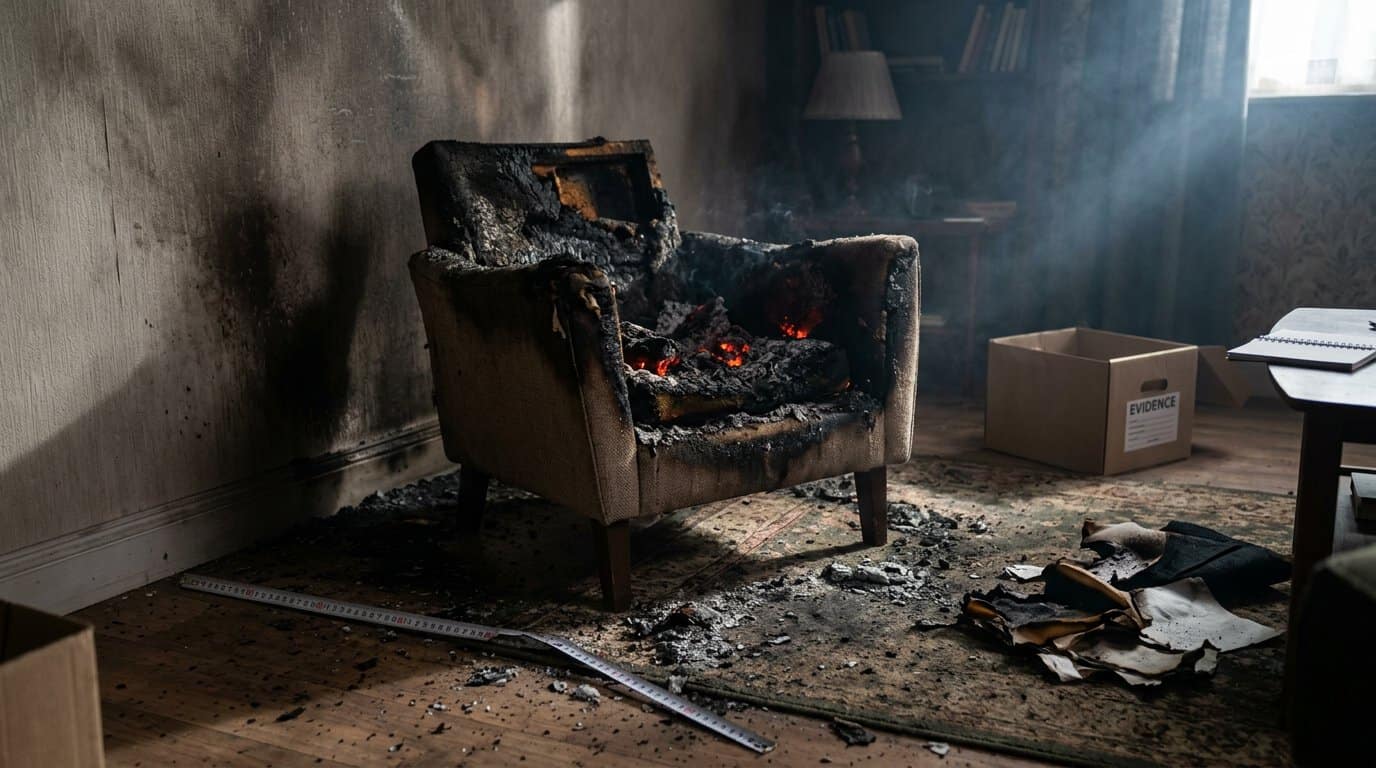
A badly burned body is discovered in a room that appears to have escaped any major fire, leaving investigators with a disturbing puzzle. The victim’s torso may be severely damaged while nearby furniture, walls, or personal items show only limited signs of heat. Scenes like this have fueled reports of spontaneous human combustion for centuries, raising questions about whether the body somehow caught fire from within. Yet no scientifically verified case has shown that a person ignited through an internal process without an outside heat source.
The mystery becomes more understandable when investigators examine the details of each scene. Many reported cases involve a small ignition source, such as a flame, ember, or heated object, followed by the wick effect. In this process, clothing absorbs melted body fat and burns slowly like a candle. The result can be intense, localized damage with less spread than a typical room fire. It may also explain why some accounts seem impossible at first glance, especially when the original ignition source was overlooked or destroyed.
Historical reports still raise questions about individual cases, and not every scene has a clear answer. Careful examination of burn patterns, ventilation, clothing, nearby materials, and the timeline of events can separate unusual accidents from claims of something paranormal. Spontaneous human combustion remains a compelling mystery because the evidence is strange, but the current case record supports rare external fires rather than proven internal combustion.
Historic Spontaneous Human Combustion Cases
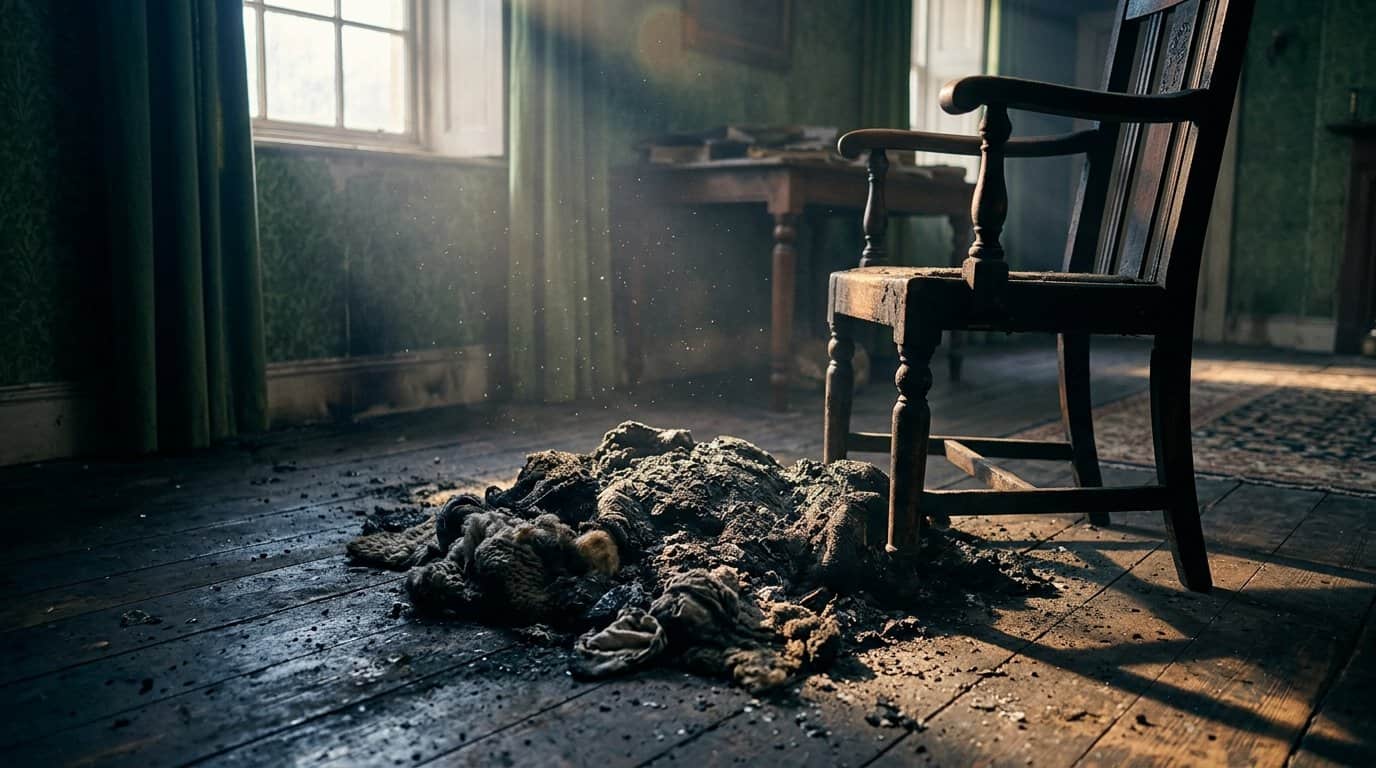
Early reports of unexplained human burning appeared in European newspapers and pamphlets centuries ago, while Victorian writers and journalists helped turn the idea into a lasting mystery. Charles Dickens used the concept in Bleak House, although his account was fictional and reflected the fears of the time. These stories often described a body destroyed by intense fire, with the hands, feet, or nearby possessions left relatively untouched. Because many early reports relied on hearsay, brief newspaper accounts, or later retellings, the original evidence is often difficult to verify.
Two frequently discussed twentieth-century cases are Mary Reeser, who died in Florida in 1951, and Dr. John Bentley, who died in Pennsylvania in 1966. Investigators and newspapers described severe burning around the torso, comparatively preserved extremities, limited damage to surrounding rooms, and no obvious ignition source. Those details helped keep the cases in the public imagination, but they do not prove that the fires began inside the victims. Missing photographs, incomplete reports, and uncertain witness accounts also make it difficult to separate what investigators observed from what later storytellers added.
Modern reviews generally find no scientifically verified case of a person igniting through an internal process without an outside spark or flame. One leading explanation is the wick effect, in which clothing acts like a wick and body fat feeds a slow, localized fire after an ordinary ignition source, such as a cigarette, heater, or open flame. This theory can help explain extensive damage to the torso and limited damage nearby, although it does not remove every uncertainty from individual cases. The record remains intriguing, inviting readers to compare documented facts with ordinary fire behavior before deciding whether any mystery truly remains.
The Wick Effect In Human Burning
The wick effect offers a grounded explanation for many reported spontaneous human combustion cases. After an outside flame, such as a candle, fireplace ember, or cigarette, ignites clothing, fabric can work like the wick of a candle. Melted body fat may soak into the material and provide fuel, allowing a low, slow fire to remain concentrated around the torso. The person may be unable to respond, especially if asleep, intoxicated, injured, or already deceased.
This process can consume much of the central body while leaving a room only lightly damaged because the flame is small and localized. Clothing and surrounding materials may burn unevenly, while the head, hands, or lower legs can remain less affected, depending on position and available fuel. Published forensic reviews have found no scientifically verified case in which a person ignited through an internal process without an outside source. The wick effect does not explain every historical report perfectly, but it offers a testable alternative to the older claim that the body somehow burst into flame from within.
| Wick-effect explanation | Traditional SHC explanation |
|---|---|
| An external flame starts the fire, clothing acts as a wick, and body fat helps sustain a slow, localized burn | No clear outside flame exists, and the body supposedly ignites through an unknown internal process |
| Localized heat can destroy the torso while nearby furniture remains mostly intact | A mysterious fire is said to consume the body without spreading normally |
The unsettling appearance of these scenes is what keeps spontaneous human combustion cases alive in public memory. Investigators can search for overlooked ignition sources, burn patterns, ventilation, and the victim’s position before deciding whether the evidence points to an ordinary fire or something less understood. That approach leaves room for honest questions without treating mystery as proof of the paranormal. Readers examining famous cases such as the death of Mary Reeser can compare the original reports with modern fire science and decide which explanation best fits the evidence.
Investigating Unexplained Burning Evidence
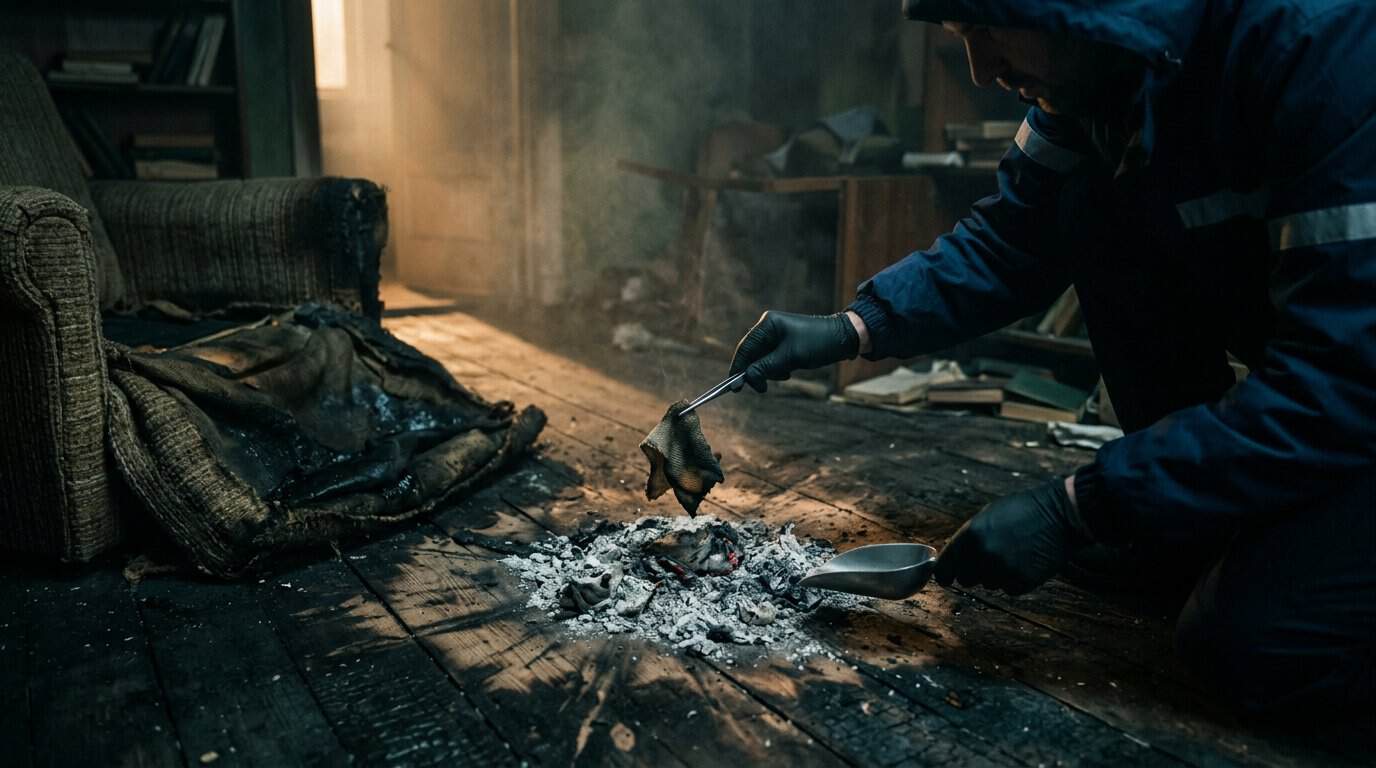
A charred body in a room with little damage can make spontaneous human combustion seem like a paranormal event. Yet ordinary ignition sources, including cigarettes, fireplaces, candles, heaters, and faulty wiring, may start a small fire that goes unnoticed until much later. Clothing and body fat can then support a slow-burning “wick effect,” allowing severe damage to the body while nearby furniture remains mostly intact. The result is disturbing and unusual, but it does not prove that a person ignited from within.
Investigators must reconstruct the scene before accepting any extraordinary explanation. Burn patterns, the location of possible ignition sources, smoke damage, electrical evidence, toxicology results, and witness statements can reveal whether the victim was incapacitated, asleep, intoxicated, or discovered after a delayed response. Modern forensic methods, including laboratory fire analysis and detailed scene mapping, also help separate genuine mysteries from incomplete records or mistaken assumptions. A 2012 medical review of reported cases found only 12 patients who met its criteria in the examined reports, and it identified no scientifically verified case of a person burning without an external source.
Even so, each unexplained death deserves careful attention rather than instant dismissal. A missing cigarette, a dying ember in a fireplace, or a heater near fabric may explain one case, while another may remain uncertain because evidence was lost before investigators arrived. The paranormal interpretation keeps the question alive, but ordinary causes remain the stronger explanation supported by the available record. For readers exploring related mysteries, the most revealing trail often begins not with the legend, but with the physical evidence left behind.
Why Spontaneous Human Combustion Cases Persist
Spontaneous human combustion cases persist because their stories combine tragedy, mystery, and striking images. Reports often describe a body that was badly burned while nearby furniture or parts of the room appeared mostly untouched, creating the impression that an unusual force was at work. Sensational headlines then turned uncertain investigations into tales of people who supposedly burst into flames without warning. Readers exploring unexplained deaths can see how missing timelines, incomplete records, and unclear fire evidence allowed these accounts to grow more dramatic over time.
Closer examination offers a less mysterious, though still unusual, possibility. Fire investigators commonly point to the wick effect, in which clothing absorbs melted body fat and burns slowly like a candle, allowing intense damage in one area while limiting the spread of flames. Cases such as the 1951 death of Mary Reeser helped popularize the legend, but no scientifically verified case has shown a living or recently deceased person igniting through an internal process without an outside ignition source. That conclusion does not make every scene easy to explain, and the unusual appearance of some fires helps explain why SHC remains a subject in forensic mysteries and the history of paranormal investigations.
The legend also survives because uncertainty is often more memorable than a settled answer. Early reports may leave out smoking materials, heaters, candles, electrical faults, or the movements of a victim before the fire, while later retellings remove those details in favor of a cleaner paranormal narrative. Comparisons with famous fire myths show how repetition can make a dramatic claim feel like established history, even when the evidence is thin. Could an overlooked detail change the interpretation of a famous case, or does the wick effect explain most of what once seemed impossible?
Conclusion On Spontaneous Human Combustion Cases
The historical record of spontaneous human combustion cases describes unusual deaths involving intense, highly localized burning. In many reports, the torso was badly damaged while parts of the body and nearby furniture remained relatively intact, creating an image that seems difficult to explain. Yet no scientifically verified case has shown a living or recently deceased person igniting through an internal process without an outside spark or flame. The wick effect offers a more ordinary possibility, as clothing and body fat can sustain a slow, concentrated fire after an unnoticed ignition source starts the blaze.
That explanation may fit many cases, but questions remain about the details of individual reports, especially when investigations were incomplete or records were shaped by rumor. A careful review should separate what witnesses actually observed from later claims that made the deaths seem paranormal. Spontaneous human combustion remains an intriguing mystery, not proof of a hidden force inside the body. Does the wick effect fully explain the evidence, or is there a historical case that still seems difficult to account for?
Why the Wick Effect Explains Many Cases
Spontaneous human combustion cases remain intriguing because the damage can appear strangely limited, with a body badly burned while nearby furniture and rooms show little harm. Yet no scientifically verified case has demonstrated that a person ignited through an internal process without an outside spark or flame. In many investigations, the wick effect offers a more ordinary explanation: clothing or bedding catches fire, body fat acts like fuel, and the material burns slowly in one focused area. That explanation may not answer every detail in every historical report, but it fits the available evidence better than a mysterious form of internal combustion.
The case record therefore sits between compelling folklore and careful fire science. Unidentified ignition sources, incomplete investigations, and unusual scenes can preserve the mystery, while modern analysis continues to test what witnesses and investigators believed they saw. For anyone drawn to unexplained deaths and other paranormal mysteries, the most honest conclusion is neither instant belief nor easy dismissal, but curiosity guided by evidence. Could a future investigation reveal an overlooked pattern, or will these stories remain rare fires wrapped in legend?
Frequently Asked Questions
1. What is spontaneous human combustion?
Spontaneous human combustion is the reported burning of a human body with no clear outside cause. Historical accounts describe severe destruction of the body while nearby parts of a room remain mostly undamaged, but no scientifically verified case has proven that a person ignited from within.
2. Has spontaneous human combustion ever been scientifically proven?
No. Modern fire investigations have not confirmed a case in which a living or recently deceased person caught fire without an outside heat source. Most researchers instead examine overlooked flames, embers, heated objects, smoking materials, and the way clothing can carry a fire.
3. What is the wick effect?
The wick effect occurs when clothing acts like a candle wick and melted body fat acts like fuel. Once an outside heat source starts the fire, the fabric can support a slow, focused burn that causes extensive damage to the body while limiting the spread of flames.
4. Why can a body burn badly while a nearby room remains mostly untouched?
A wick-effect fire may burn at a low temperature for a long period rather than erupting like a normal room fire. This concentrates heat around the body, while limited oxygen, damp materials, and the lack of nearby fuel can prevent furniture and walls from catching fire.
5. What are some well-known spontaneous human combustion cases?
Cases involving Mary Reeser in Florida in 1951 and earlier reports such as the death of Countess Cornelia di Bandi have often been presented as examples. Investigators have disputed parts of these stories, and surviving records do not prove that either person ignited without an external source.
6. Can a human body really be reduced to ash?
A body can suffer extreme destruction in a sustained fire, especially when body fat feeds the flames and clothing keeps the heat close to the remains. Complete cremation normally requires controlled heat and time, so a scene involving ash, bones, or an intact limb still demands careful examination rather than an immediate supernatural conclusion.
7. What evidence do investigators look for in these cases?
Investigators examine electrical devices, candles, fireplaces, smoking materials, heating equipment, clothing, burn patterns, ventilation, and the position of the remains. They also look for soot, melted materials, fuel sources, and signs that a small fire burned for a long time before anyone noticed it.
8. Could spontaneous human combustion cases still contain an unexplained element?
Some cases remain uncertain because scenes are discovered late, evidence is damaged, and older reports often lack photographs or detailed fire records. That uncertainty keeps the mystery alive, but an unexplained case is not the same as proof of an internal human ignition, and each incident must be judged against the available physical evidence.