The Day The Sky Exploded: Solving The Bell Island Boom Mystery
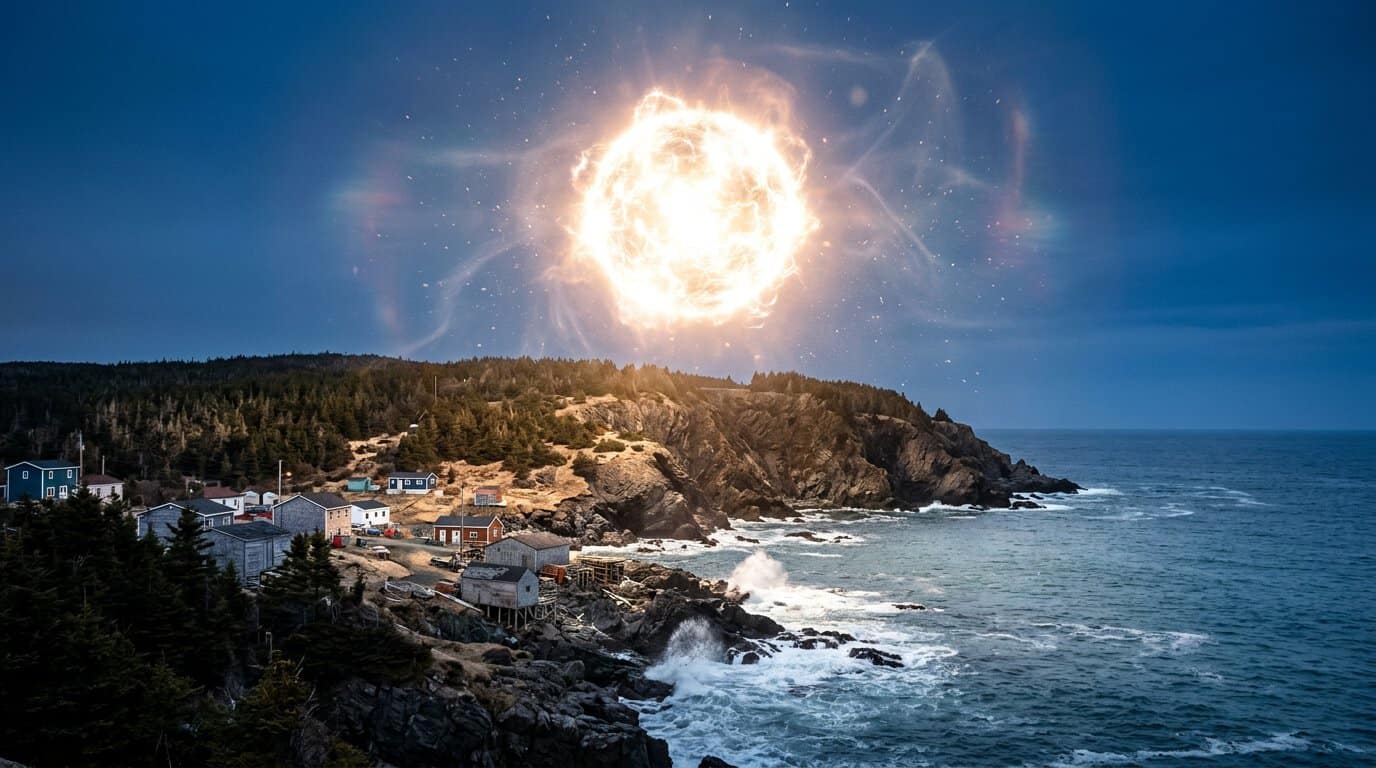
On a quiet Sunday morning in April 1978, the residents of a small Newfoundland community were shaken by a blast so powerful it felt like the world was splitting open. This mysterious event, now famously known as the Bell Island Boom, did far more than just rattle nerves and shatter windows. In an instant, electrical wires melted inside home walls and strange, glowing orbs of light were seen hovering over the rugged terrain.
While officials scrambled for answers, the physical evidence left behind suggested something far beyond a simple lightning strike or a sonic boom. Deep holes were carved into the earth on a local farm, yet no clear source for the explosion was ever officially confirmed. Today, the island remains a focal point for those seeking to understand whether these high-energy bursts are a rare natural phenomenon or something much more secretive.
Key Takeaways
- The 1978 Bell Island Boom caused unprecedented physical damage, including melting electrical wiring inside home walls and creating deep craters on the Bickford farm.
- Witnesses reported vibrant, intelligent-moving orbs of light in various colors, suggesting the event involved rare atmospheric phenomena like ball lightning or unidentified technology.
- The island’s unique geological makeup, specifically its high iron ore content and honeycomb of abandoned mines, may have acted as a massive conductor or echo chamber for high-energy discharges.
- While theories range from rare ‘superbolt’ lightning to secret Cold War-era pulse weapon testing, the event remains an officially unsolved mystery at the intersection of science and the paranormal.
The 1978 Blast At The Bickford Farm
On the morning of April 2, 1978, the quiet atmosphere of the Bickford farm was shattered by a sound so violent it felt like a direct hit from a massive shotgun. The power of the blast was immediately visible as it ripped through the family home, blowing fuse boxes clean off the walls and melting electrical wiring instantly. Outside, the earth itself bore the scars of the event, with three distinct craters discovered in the ground where the soil had been displaced by an unseen force. This was not a typical thunderstorm, as the physical destruction suggested a concentrated release of energy that defied local weather patterns.
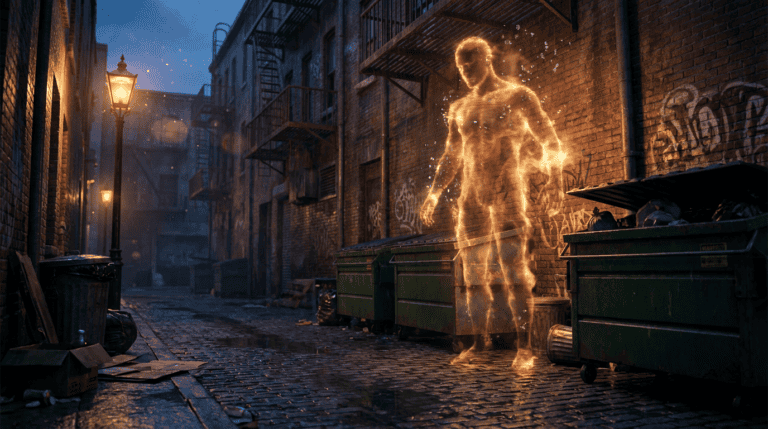
In the moments following the deafening roar, twelve year old Darren Bickford and other local residents witnessed something truly otherworldly hovering in the sky. They reported seeing vibrant balls of light in shades of blue, orange, and yellow floating near the site of the explosion. These glowing orbs moved with a strange intelligence, appearing as if they were a direct byproduct of the atmospheric anomaly. While some scientists might suggest these were rare instances of ball lightning, the sheer scale of the damage and the duration of the sightings left many wondering if a more mysterious force was at play.
The physical evidence gathered at the Bickford farm continues to be a cornerstone for those investigating the Bell Island Boom. Beyond the shattered windows and ruined appliances, the presence of those mysterious lights adds a layer of paranormal intrigue that simple geological theories struggle to explain. It remains one of the most documented cases of a localized atmospheric explosion, blending hard physical evidence with credible witness testimony. What do you think caused the ground to tear open and the sky to glow on that spring morning?
Secret Weapons And Rare Atmospheric Superbolts
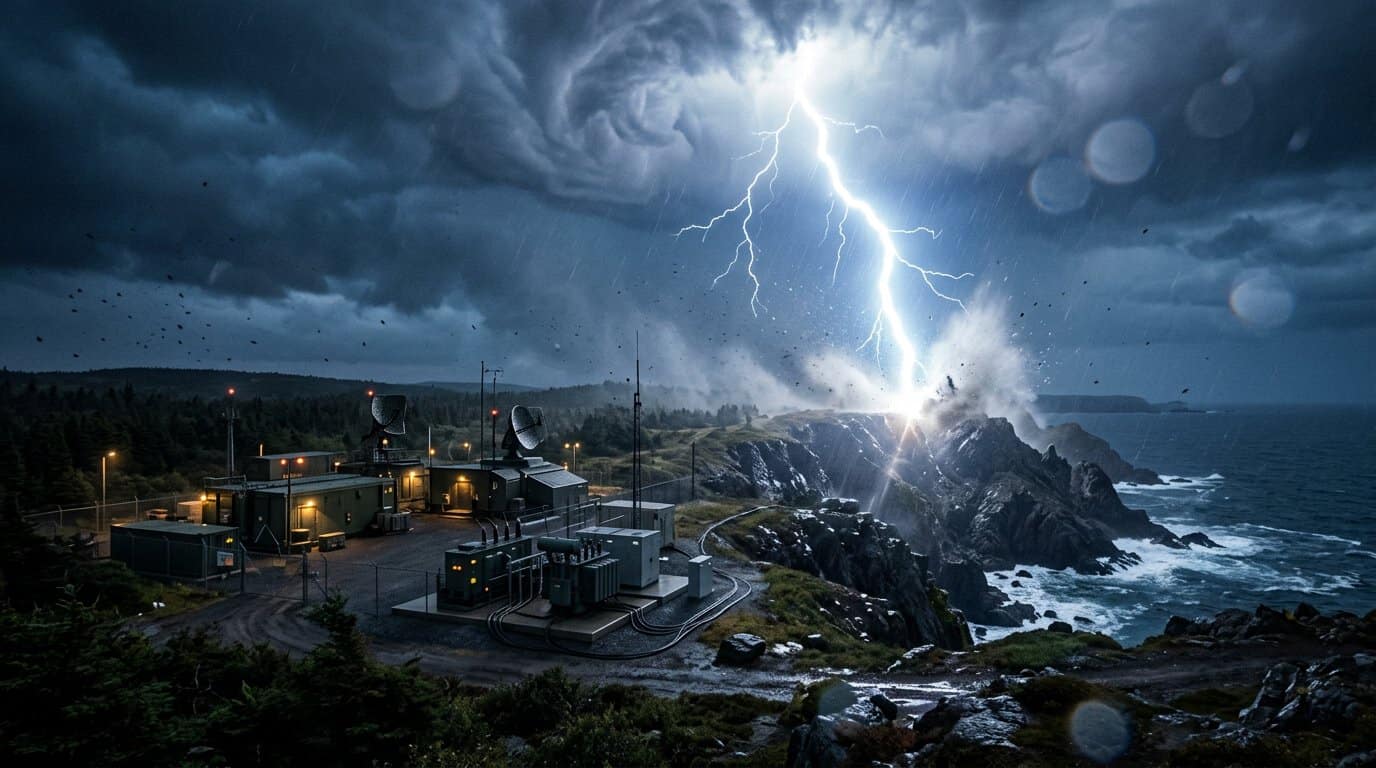
One of the most persistent theories regarding the 1978 explosion suggests that the island was the unwitting target of a secret military experiment. During the height of the Cold War, rumors began to circulate that the Soviet Union was testing a high-tech pulse weapon or an advanced form of electromagnetic warfare. Some researchers even speculated that the United States was involved in testing top-secret weather modification technology that accidentally triggered the massive blast. While no government has ever officially claimed responsibility for the event, the sheer level of local destruction, including melted wiring and blown fuse boxes, led many to believe a man-made force was at play.
Looking toward the heavens, scientists have proposed an equally fascinating natural explanation involving rare atmospheric phenomena. High-energy lightning strikes, often called superbolt lightning, are thousands of times more powerful than a standard bolt and have been detected by satellites in the region. These rare events can occur during winter storms and are capable of causing the exact type of seismic shock and localized damage reported on Bell Island. The presence of iron ore in the island’s soil may have acted as a massive conductor, drawing the energy deep into the ground and creating the strange craters found on the Bickford farm.
The mystery deepens when considering the reports of glowing spheres of light that witnesses described hovering in the air. These sightings align closely with descriptions of ball lightning, a rare and poorly understood electrical phenomenon that often accompanies powerful storms. While some believe these orbs of light prove the existence of extraterrestrial or experimental technology, others see them as the final piece of a complex meteorological puzzle. Whether the boom was a byproduct of a secret arms race or a freak occurrence of nature, it remains one of Newfoundland’s most enduring puzzles. Do you think a natural lightning strike could really melt a home’s electrical system, or does a secret weapon seem more likely?
Iron Mines And Anomalous Geological Echoes
The unique geological makeup of Bell Island creates a fascinating backdrop for these acoustic anomalies, especially considering the extensive network of abandoned iron mines stretching beneath the seafloor. For decades, the island was a hub of industrial activity, leaving behind a honeycomb of tunnels that some researchers believe could act as a massive underground echo chamber. When natural seismic shifts or atmospheric pressures interact with these hollowed spaces, the resulting sounds can be amplified and distorted in strange ways. This subterranean landscape provides a plausible scientific foundation for why the island seems to experience such localized and intense vibrations.
Beyond the hollowed earth, the high iron content within the rocks themselves might play a significant role in attracting or generating rare electrical phenomena. Some investigators, including those who studied the 1978 event for the documentary series In Search Of, have suggested that the island’s mineral wealth could create a natural lightning rod effect. This theory proposes that the iron ore interacts with the atmosphere to produce rare occurrences like ball lightning or superbolts. These massive electrical discharges would explain the melted wiring and glowing orbs reported by witnesses like the Bickford family during the most famous blast.
The combination of man-made tunnels and natural magnetic properties makes Bell Island a prime location for events that defy simple explanation. While many skeptics look toward secret military testing or sonic booms from high-altitude aircraft, the specific physical damage to the island’s infrastructure points to something much more grounded in the local environment. Much like the unexplained encounters reported in other parts of the world during the late 1970s, the Bell Island event remains a living laboratory for the unexplained. Do you think the answers lie deep within the iron mines, or should we be looking toward the clouds for the source of these explosive sounds?
The Unsolved Legacy of the 1978 Blast
The Bell Island Boom remains one of the most fascinating puzzles in the history of Atlantic Canada. Decades after the 1978 event, the community still remembers the shattered windows and the strange balls of light that danced across the sky. While some experts point toward rare geological triggers or atmospheric phenomena like superbolts, the sheer intensity of the damage keeps other possibilities on the table. The mystery lives on through the stories of those who witnessed the blast firsthand and the scorch marks left behind on the landscape.
The debate between natural wonders and man-made secrets continues to spark curiosity among researchers and locals alike. Some believe the island was a testing ground for advanced military technology, while others feel the answer lies in the unique iron ore deposits beneath the soil. Every new discovery of wartime history or weather patterns adds a fresh layer to this enduring riddle. It is clear that the island holds onto its secrets tightly, leaving a trail of physical evidence that refuses to be easily explained away. This event is often compared to Canada’s most credible mystery, where physical witnesses and official reports collided with the unknown.
What do you think really happened on that spring morning in Newfoundland? Do you believe a rare form of ball lightning was responsible for the melted wiring and craters, or does the military testing theory feel more likely to you? Perhaps you have heard a different local legend or have your own ideas about the strange lights seen by the Bickford family. Share your theories and join the conversation as we try to piece together the truth behind this incredible atmospheric explosion.
Frequently Asked Questions
1. What exactly happened during the 1978 Bell Island Boom?
On April 2, 1978, a massive explosion rocked Bell Island, Newfoundland, causing widespread damage to homes and electrical systems. The blast was powerful enough to melt wiring inside walls and blow fuse boxes off their mounts, leaving the community in a state of shock.
2. Were there any physical signs left behind on the ground?
The Bickford farm became the center of the investigation after three distinct craters were discovered in the earth. These deep holes suggested a concentrated release of energy that physically displaced the soil, a level of force that went far beyond a typical weather event.
3. What did witnesses see in the sky after the explosion?
Local residents, including young Darren Bickford, reported seeing vibrant glowing orbs of light hovering in the air. These spheres appeared in shades of orange, blue, and yellow, moving with a strange and quiet intelligence through the sky immediately following the roar.
4. Could the boom have been caused by a regular lightning strike?
Many experts find the lightning theory difficult to accept because the damage was so localized and intense. While a rare form of weather called superbolts exists, the clear skies and the specific way the electrical systems melted suggest something more unusual was at play.
5. Is there a connection between the boom and the local mines?
Some researchers have looked into the island’s deep iron ore mines as a possible factor in the event. The theory explores whether the underground structures could have acted as a conductor for atmospheric energy or if the blast originated from within the earth itself.
6. Has the mystery of the Bell Island Boom ever been officially solved?
Despite investigations by scientists and even interest from documentary film crews, no single official cause has been confirmed. The event remains one of Canada’s most intriguing mysteries, sitting right at the intersection of natural science and the unexplained.