Shadows on Bray Road: Unraveling Wisconsin’s Famous Dogman Legend
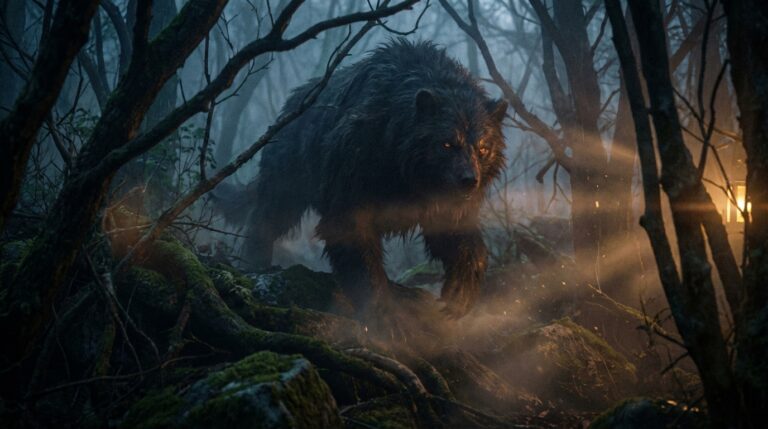
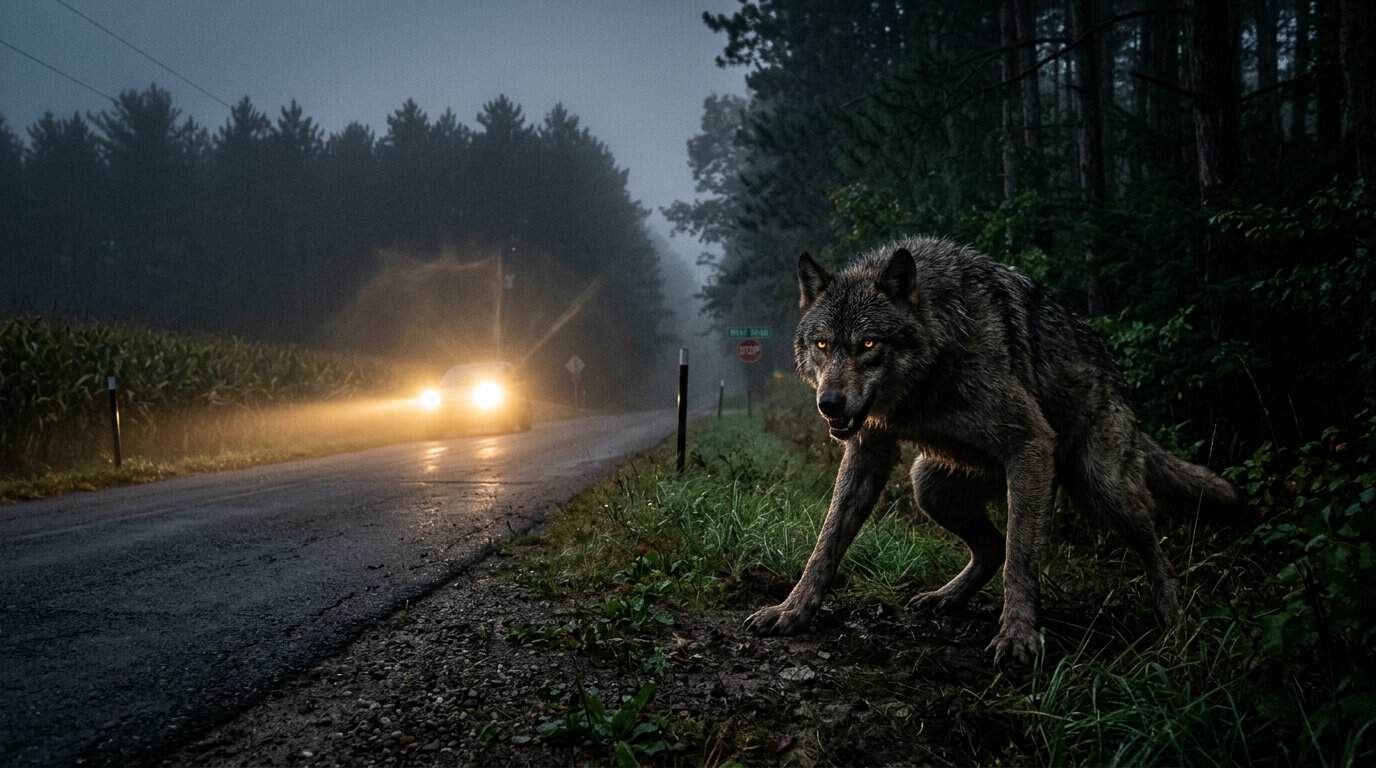
Deep in the quiet countryside of Elkhorn, Wisconsin, a strange shadow lurks along a lonely stretch of farm road. Driving down this path late at night, startled witnesses have reported seeing a massive, wolf-like creature standing upright on two legs. This mysterious creature, known as the Beast of Bray Road, has baffled local residents and intrigued investigators for decades. Towering nearly seven feet tall with thick brownish-gray fur and a heavy, muscular torso, the sight leaves a lasting mark on anyone who sees it.
What began as scattered rural rumors exploded into national interest when a local journalist started documenting these strange encounters in the early 1990s. While skeptics often suggest misidentified black bears or unusually large wild dogs, the striking consistency of the eyewitness accounts hints at a deeper puzzle. From odd footprints to chilling face-to-face moments, the line between ordinary wildlife and the unexplained continues to blur along this peaceful Wisconsin highway.
Key Takeaways
- The Beast of Bray Road is described as a massive, six-to-seven-foot-tall wolf-like creature with a muscular torso and the ability to shift seamlessly between moving on all fours and walking upright.
- Investigative journalist Linda Godfrey brought national attention to the phenomenon in the early 1990s after discovering documented law enforcement incident reports filed by credible local residents.
- While skeptics attribute the sightings to misidentified black bears with severe mange or large wild dogs, the creature’s reported bipedal stance and human-like hand dexterity challenge standard biological explanations.
- The detailed paper trail and consistent eyewitness accounts have elevated this rural Wisconsin mystery into one of North America’s most enduring modern cryptid legends.
Linda Godfrey and the First Bray Road Encounters
In the late months of 1991, local journalist Linda Godfrey was working for a newspaper in Walworth County, Wisconsin, when she caught wind of an unusual story. Reports were circulating about a massive, strange creature roaming along Bray Road near the small town of Elkhorn. While many people might have brushed off the rumors as mere campfire tales, Godfrey decided to dig deeper into local police logs and incident files. To her surprise, she uncovered a stack of formal reports detailing encounters with a giant, wolf-like animal that walked upright on two legs. Witnesses were not just pranksters, but included respected community members who were genuinely shaken by what they had seen.
- Physical appearance: Standing six to seven feet tall with thick brownish-gray fur and a heavy, muscular torso.
- Humanoid movement: The ability to shift easily between all fours and an upright, bipedal stance.
- Unusual behavior: Kneeling by the roadside while holding food in its clawed hands, displaying human-like dexterity.
One of the most compelling accounts documented by Godfrey involved a local driver named Lorianne Endrizzi, who spotted the creature kneeling beside the road late one evening. Endrizzi initially thought she was looking at a person in a realistic costume, but she quickly realized the muscular, six-foot-tall beast was far too broad and strange to be human. Other drivers recounted hitting something massive on the dark rural roads, only to watch a clawed beast spring up and run off into the cornfields. Godfrey carefully compiled these descriptions, noticing consistent physical details that were difficult to explain away as simple misidentifications of native wildlife. Her balanced coverage treated the witnesses with respect, which encouraged even more terrified locals to come forward with their own stories.
When Godfrey published her original investigative piece in the local paper, it quickly sparked a massive wave of national interest. Major television shows and regional news outlets flooded Elkhorn to report on Wisconsin’s very own werewolf mystery. While mainstream skeptics suggested that people were merely seeing exceptionally large gray wolves or bears suffering from mange, the sheer volume of detailed police reports pointed toward something much stranger. Godfrey maintained an open mind throughout her career, blending journalistic skepticism with an appreciation for the unexplained. By treating these eerie sightings as a serious mystery worth investigating, she helped transform a rural Wisconsin road into an iconic chapter of modern American folklore.
Eyewitness Accounts and Official Police File Evidence
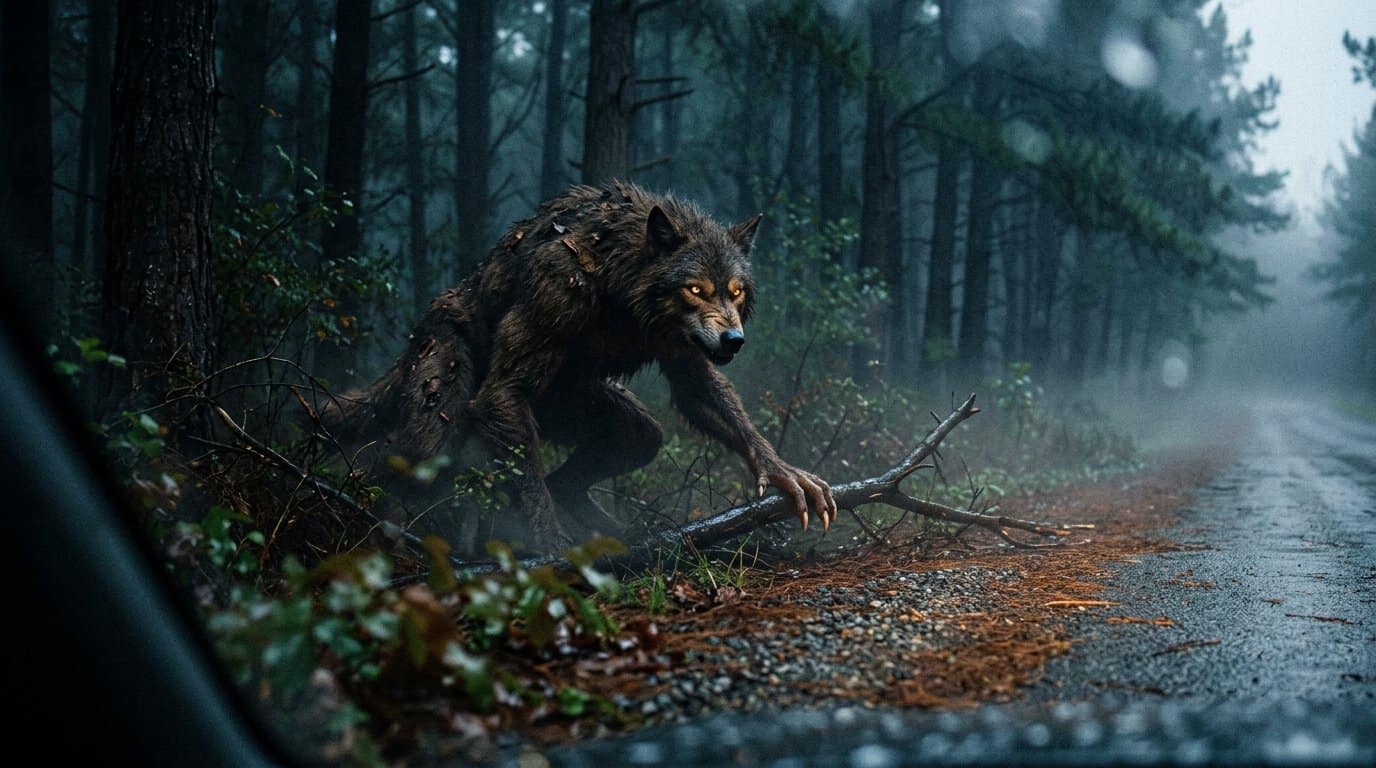
Late at night along the quiet rural stretch of Bray Road, several drivers encountered a creature that defied conventional explanation. Witnesses reported seeing a massive, wolf-like figure lurking near the tree lines or feeding on roadkill in the farm ditches. What unsettled these onlookers most was the beast’s uncanny ability to rise onto its hind legs and stand up to seven feet tall. With a heavy, muscular torso estimated between four hundred and seven hundred pounds and thick brownish-gray fur, the entity looked like a living nightmare straight out of ancient lore. Drivers described heart-stopping moments where the creature locked eyes with them before sprinting into the darkness with astonishing speed.
- Muscular Bipedal Stature: Eyewitnesses described a beast standing six to seven feet tall with broad shoulders and a wolf-like head.
- Aggressive Encounters: Reports detailed instances where the creature struck moving vehicles or left deep claw marks on trunk lids.
- Official Paper Trail: Recorded dispatch calls and incident reports were formally logged with local Walworth County law enforcement.
These frightening sightings were not just neighborhood gossip whispered around campfires, as they eventually caught the attention of local law enforcement. When journalist Linda Godfrey began investigating the rumors for the local newspaper, she discovered that the Walworth County Sheriff’s Department had actually compiled a file on the mystery. Officers had taken detailed reports from respectable citizens who were clearly shaken by what they had witnessed along the dark country roads. Sheriff’s deputies even compiled illustrations based on witness testimonies, capturing a creature with pointed ears, glowing yellow eyes, and powerful clawed hands. The sheer consistency of these official reports suggested that people were seeing something real and unusually terrifying out in the fields.
While skeptics often point to misidentified black bears or unusually large feral dogs, the official documentation makes a compelling case for a far stranger phenomenon. Skeptical officers initially doubted the claims, yet the sincerity of the callers kept the file open as reports continued to trickle in throughout the early 1990s. The official records reveal that these encounters were not brief, fleeting glimpses, but prolonged interactions where the beast actively approached vehicles. Whether these sightings stem from an unclassified animal or a deeply rooted cultural myth made physical, the documented law enforcement file remains one of the most intriguing pieces of evidence in modern cryptozoology. The mystery invites us to consider if something truly extraordinary prowls the quiet corners of the American heartland.
Biological Skepticism and Natural Explanations
When trying to unravel the mystery behind the Beast of Bray Road, wildlife experts and skeptics usually point toward mundane creatures suffering from unusual physical conditions. A black bear infected with severe sarcoptic mange loses its fur, exposing dark, wrinkled skin and prominent claws that look strikingly monstrous to an unsuspecting driver. When such a sick bear stands on its hind legs to forage or scan its surroundings, its posture can easily fool a panicked witness into seeing a tall, humanoid wolf. Large wild dog hybrids or oversized coyotes prowling the fields of Walworth County also present compelling candidates, especially when spotted briefly through a haze of fog or under dim headlights. Local police records show that big canine strays occasionally roam these farm roads, making misidentification a very real possibility during late-night encounters.
To make sense of these unsettling sightings, researchers generally group the rational explanations into a few distinct possibilities:
- Black bears with severe mange standing upright on their hind legs
- Feral dog hybrids or coyotes hunting along dark rural roadsides
- Psychological stress where fear transforms a fleeting glimpse of a normal animal
Beyond misidentified wildlife, psychological factors like high adrenaline and darkness can drastically warp a person’s perception during a shocking moment. Journalist Linda Godfrey documented numerous accounts where witnesses swore the creature possessed a massive chest, pointed canine ears, and glowing eyes. While high-stress situations can cause the human brain to exaggerate shapes, certain details in these official reports continue to give investigators pause. Witnesses often describe the creature holding roadkill with flexed, hand-like paws, a specific behavior that does not align with standard bear or canine movements. These detailed, consistent observations leave a fascinating gap between rational biological theories and something far stranger lurking in the Wisconsin shadows.
How a Rural Mystery Became an Enduring Legend
What began as a series of strange sightings along a quiet Wisconsin farm road quickly grew into one of North America’s most enduring modern cryptid mysteries. The story of the Beast of Bray Road managed to bridge the gap between small-town rumors and documented eyewitness reports, forever changing how people view the dark country roads of Walworth County. Decades after the initial frenzy, the creature remains a deeply ingrained symbol of local folklore and cryptozoology. Whether viewed as a terrifying predator or a fascinating mystery, the legendary dog-man continues to capture the imagination of researchers and enthusiasts around the world. Its shadow still looms over the rural countryside, reminding travelers that some secrets of the night remain stubbornly unsolved.
Skeptics often argue that these haunting encounters stem from misidentified native wildlife, such as unusually large timber wolves or bears suffering from severe mange. Yet, the remarkable consistency in the eyewitness accounts, including detailed reports filed with local police, makes it difficult to dismiss every sighting as a simple mistake. The persistent physical descriptions of a massive, upright wolf-like entity suggest that something genuinely unusual was lurking near those cornfields. This intriguing overlap between recorded documentation and inexplicable phenomenon keeps the debate alive among both serious scientists and open-minded believers. The line between biological reality and modern myth continues to blur with every new retelling of the mystery.
As the legacy of this Wisconsin prowler endures, the ultimate truth behind the sightings remains open to personal interpretation. Does the Beast of Bray Road represent a hidden, undiscovered canine species roaming the Midwestern countryside? Perhaps the entire phenomenon is merely a classic case of misidentification amplified by dark nights and active imaginations. Alternatively, the strange sightings could point toward a genuine anomaly that defies conventional scientific explanation. Readers are encouraged to share their own thoughts on whether this famous creature is a flesh-and-blood animal, a simple misunderstanding, or pure folklore.
Frequently Asked Questions
1. What is the Beast of Bray Road?
The Beast of Bray Road is a mysterious wolf-like creature reported along rural roads in Elkhorn, Wisconsin. Witnesses describe a massive animal standing up to seven feet tall with thick brownish-gray fur and a muscular torso. It is particularly famous for its ability to walk upright on two legs like a human.
2. Where do sightings of the Beast of Bray Road take place?
Sightings are heavily concentrated in Walworth County, Wisconsin, particularly along Bray Road near the countryside of Elkhorn. Drivers typically report seeing the creature late at night along dark, lonely stretches of farm roads.
3. Who first investigated the Beast of Bray Road?
Local journalist Linda Godfrey brought widespread attention to the creature in the early 1990s. While examining police logs in Walworth County, she uncovered numerous formal incident reports from credible local residents detailing their encounters.
4. What does the Beast of Bray Road look like?
Witnesses describe the creature as standing six to seven feet tall with dense brownish-gray fur and a heavy torso. It features a wolf-like head, powerful build, and the uncanny ability to shift seamlessly between moving on all fours and walking upright.
5. Could the Beast of Bray Road be a normal wild animal?
Skeptics often propose that witnesses are misidentifying large wild dogs, timber wolves, or black bears. However, the remarkable consistency of eyewitness accounts and strange footprints hint that something far more unusual might be roaming the area.
6. Has the Beast of Bray Road ever hurt anyone?
There are no official records of the creature physically harming or attacking humans. Most encounters involve frightening face-to-face standoffs where the animal gazes at witnesses before retreating into the shadowy countryside.
7. Are people still seeing the Beast of Bray Road?
Reports of strange shadows and unusual wolf-like creatures in southern Wisconsin continue to surface periodically. Decades after the initial wave of stories, the mystery remains a captivating legend for travelers passing through Elkhorn late at night.