Cryptid Research Consultation: How to Assess Reports and Find the Right Help
A shadow crosses the trail. A strange call breaks the silence. One question remains: what was really out there? A cryptid research consultation can help turn a puzzling sighting into a clear record by examining when and where it happened, what witnesses observed, and what photos or recordings may reveal.
The process leaves room for the unexplained while checking familiar possibilities, from local wildlife to misleading light or sound. Whether the account points to a known animal or something harder to explain, careful research can bring the mystery into sharper focus.
Key Takeaways
- A useful cryptid consultation organizes the encounter’s timeline, location, conditions, witness observations, and available recordings so the evidence can be assessed clearly.
- Compare reports with ordinary explanations—such as local wildlife, terrain, and recording artifacts—while treating folklore as cultural context, not proof of an unknown species.
- Cryptid consultation has no standardized license or credential, so ask about a consultant’s methods, relevant experience, fees, deliverables, and how they handle uncertainty.
- A consultation can identify safe next steps and promising leads, but a single sighting or unclear recording cannot prove an unknown species exists.
What Cryptid Consultants Review
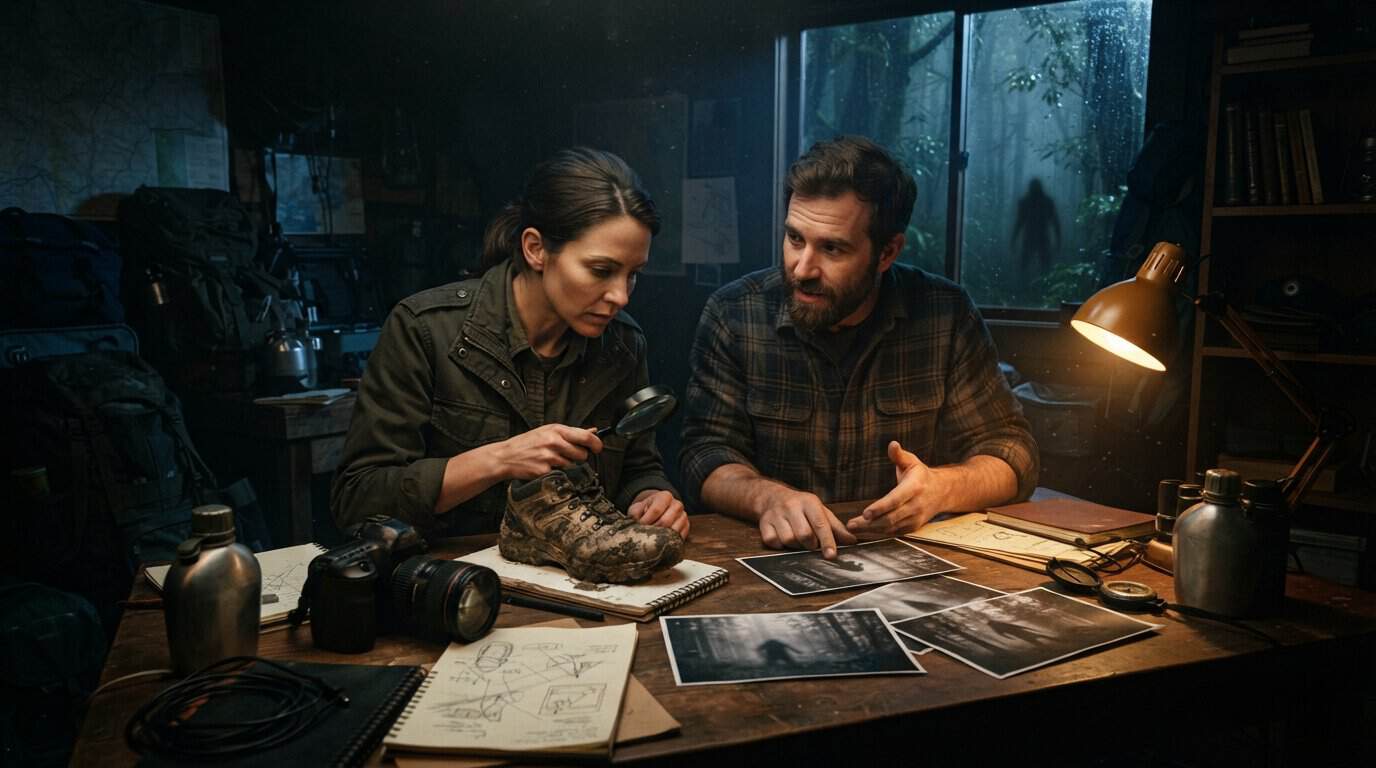
A cryptid research consultation may begin with a careful reconstruction of the reported encounter. The reviewer can organize details such as when it happened, where the witness was, how long the sighting lasted, and the weather, lighting, and viewing distance. Photos, audio, video, maps, and historical records may add useful details, though each has limitations. A clear timeline can reveal gaps or clues to check before favoring an explanation.
The review then compares the account with ordinary possibilities, including known local wildlife, landscape features, and camera or recording artifacts. Historical sources and local folklore can help explain how a story developed and what it means to the community, but cultural accounts are not proof of a previously unknown species. Because cryptid consultation is not a standardized or licensed profession, readers should ask how the reviewer handles uncertainty and what methods or relevant experience they bring. A careful assessment can preserve the mystery while distinguishing what the available evidence supports from what remains unknown.
How To Choose A Cryptid Consultant
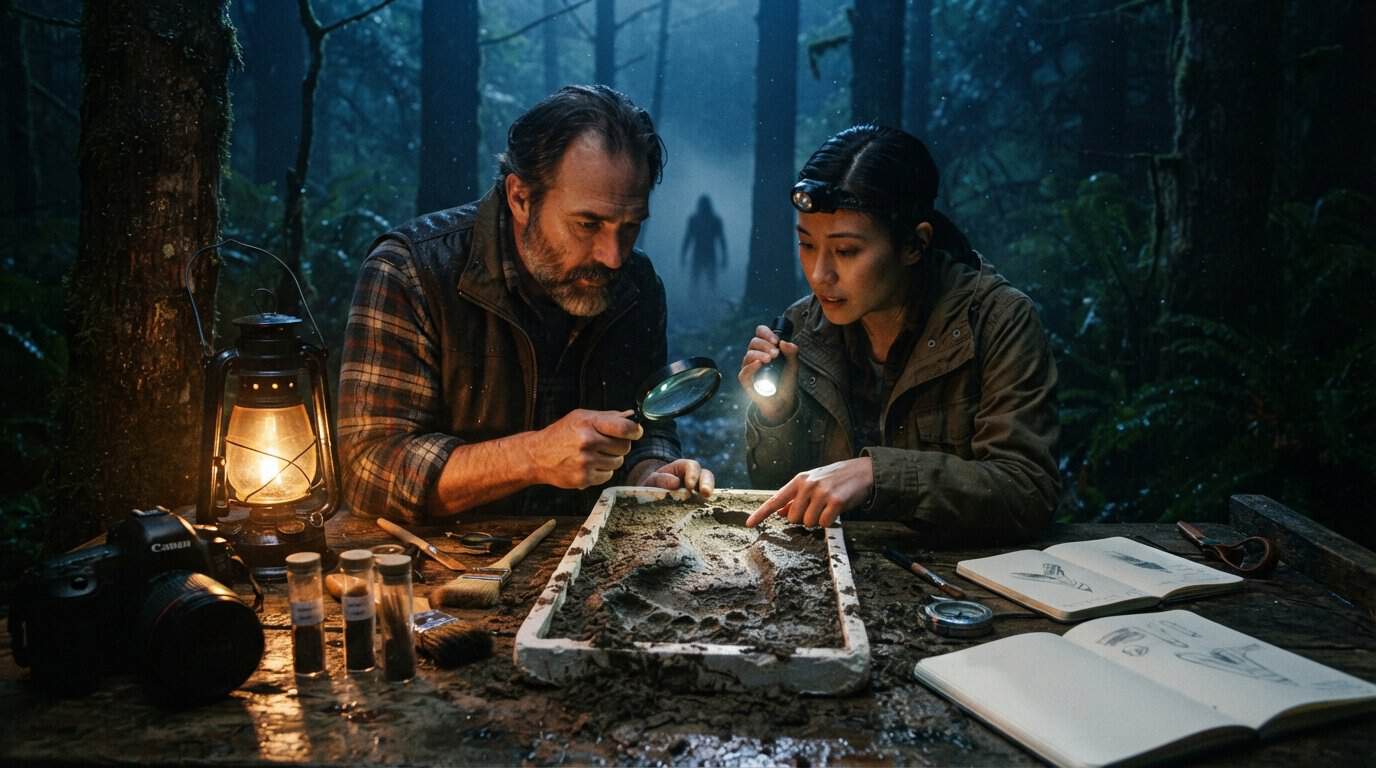
A useful cryptid research consultation starts with a clear explanation of what the consultant can review, whether that is a sighting timeline, a recording, an old newspaper report, or local folklore. Since the field has no standard license or shared credential, a title alone does not establish expertise. The consultant should explain how they check claims, consider possible wildlife or recording errors, and separate documented facts from interpretation. They should also describe what the client will receive, such as a written evidence review, a source list, or suggestions for further observation.
Before agreeing to a fee, prospective clients should ask how charges are calculated, what the work includes, and whether extra research costs more. A careful consultant will explain the limits of the review, including when an image is too unclear to identify or available records cannot support a conclusion. They should distinguish investigation from entertainment and speculation while treating an unusual report with curiosity and respect. Clear answers make it easier to judge whether the consultation will provide useful context, even if it cannot prove what was seen.
From Encounter Report To Evidence Plan
A cryptid research consultation can turn a striking encounter into a clear record that others can assess. The review begins by organizing the witness’s account, including the date, location, weather, lighting, distance, sequence of events, and any photos, audio, or video. A researcher can then compare possible explanations, such as known wildlife, landscape features, recording artifacts, or an inaccurate memory, while checking the account’s historical and cultural context. Because this kind of consultation is not a standardized, licensed profession, readers should check a consultant’s relevant experience and methods rather than assume a title proves expertise. A simple timeline graphic can show what was observed and when, alongside links to related mystery reports for comparison.
The next step is an evidence plan built around questions that can be tested safely. If tracks are present, for example, the plan might include photographs with a scale, careful notes about the ground, and repeat observations from a safe distance. Concerns involving wildlife, private land, or possible biological samples may warrant a referral to an appropriate specialist. Sightings, tracks, recordings, and DNA traces can all prompt further study, but none alone establishes that an unknown species exists. A careful consultation separates what the evidence shows from what remains uncertain and records how future observations could strengthen or challenge each explanation. Which detail in an encounter report would readers most want to see checked first?
How Consultation Clarifies Cryptid Sightings
A careful cryptid research consultation can turn an unusual report into a clear record of what is known, what remains uncertain, and what should be checked next. A consultant might organize the timeline, location, weather, distance, and available images or recordings, then compare the account with known wildlife, terrain, and possible equipment errors. Historical and cultural accounts can add context, but they should not be treated as proof of an unknown animal. The goal is not to force a verdict, but to weigh each explanation against the evidence and leave room for questions that cannot yet be answered.
Readers considering outside help can explore Paranormal Investigator Reviews: How To Compare Services, Evidence, And Client Experiences to learn what to look for when assessing investigative methods and claims. A careful review may support an ordinary explanation, uncover a promising lead, or show that the available evidence is too limited to decide. What would readers want a consultant to examine first, and what kind of evidence might change their minds?
Frequently Asked Questions
1. What is a cryptid research consultation?
A cryptid research consultation is a structured review of a reported encounter, its setting, timeline, witness observations, and available recordings or documents. It can help clarify what the evidence supports and identify details that remain unexplained.
2. What information should a witness prepare?
A useful account includes the date and time, location, weather, lighting, viewing distance, and how long the sighting lasted. Photos, audio, video, maps, and notes made soon after the event can add context. Any gaps or uncertainty should be recorded rather than filled in later.
3. How does a consultant assess photos, audio, or video?
A careful review considers what a recording clearly shows or captures, as well as its limitations. Distance, lighting, background sounds, camera movement, and recording artifacts can affect what appears to be present, so the recording should be compared with the witness’s timeline and the location.
4. Will a consultant consider ordinary explanations?
Yes. A thorough assessment checks possibilities such as local wildlife, landscape features, and misleading light or sound before favoring a rarer explanation. This process does not erase the mystery. It helps show which explanations fit the available details and which do not.
5. Can a consultation prove that an unknown species exists?
A consultation can assess a report, but a single account or unclear recording cannot establish that a species is unknown to science. Stronger conclusions require reliable, verifiable evidence, and a careful reviewer will distinguish what is documented from what remains uncertain.
6. What role do local history and folklore play?
Historical records and local stories can help explain how a report fits into a community’s history and traditions. They provide useful cultural context, but they are not proof that a previously unknown animal exists.
7. How can someone choose a cryptid consultant?
Before starting, a witness should ask what the consultant will review, which methods they use, and what relevant experience they bring. Because cryptid consultation is not a standardized or licensed profession, a trustworthy reviewer should be clear about uncertainty and avoid promising a definitive answer.
8. What can a witness expect after the consultation?
The result may include a clearer timeline, an organized review of the available material, and a comparison of plausible explanations. Some reports point toward familiar causes, while others leave unanswered questions. A careful assessment makes that distinction clear.