The Prehistoric Mystery Of Petersburg Dinosaur Sightings
For decades, whispers of strange shadows and prehistoric echoes have fueled local legends about Petersburg dinosaur sightings. While most people expect to find only sunshine and palm trees in Florida’s coastal cities, a new kind of giant is preparing to claim its place in the skyline. This isn’t just a tall tale or a trick of the light, but the arrival of a predator that once ruled the earth millions of years ago.
The heart of the city is currently bracing for a massive change that blends modern architecture with ancient history. A rare, 76-million-year-old skeleton is set to overlook the streets from a high-tech rooftop garden, bringing the prehistoric past into the present day. This incredible discovery bridges the gap between scientific fact and the lingering mystery of what might still be lurking in the shadows of our world.
Key Takeaways
- The vast, unexplored terrain of the Tongass National Forest and the Alexander Archipelago provides a unique microclimate and natural fortress capable of shielding elusive, unknown species from modern detection.
- Consistent eyewitness reports from the Alaskan panhandle describe bipedal reptiles with bird-like gaits and leathery, pebbled hides that distinguish them from known local wildlife like bears or moose.
- Physical evidence in the form of unidentified three-toed tracks, combined with indigenous oral traditions, suggests a long-standing presence of prehistoric-like creatures in the region’s riverbanks and forests.
- A rare, 76-million-year-old dinosaur skeleton is being integrated into a modern rooftop garden in Petersburg, bridging the gap between ancient scientific history and local legend.
Tracking The Alaskan River Monster Legends
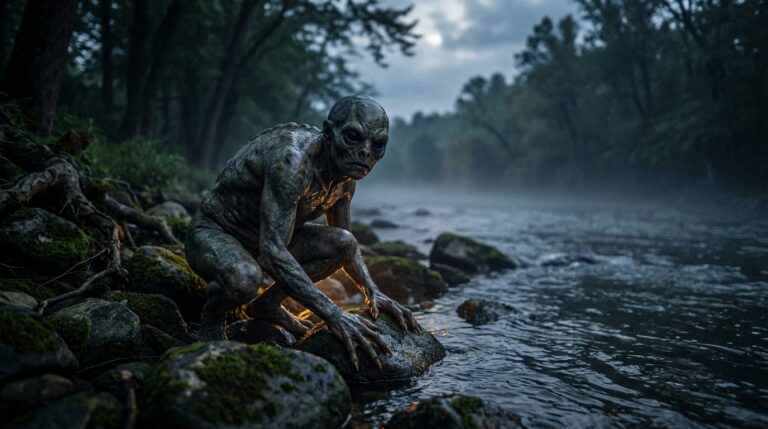
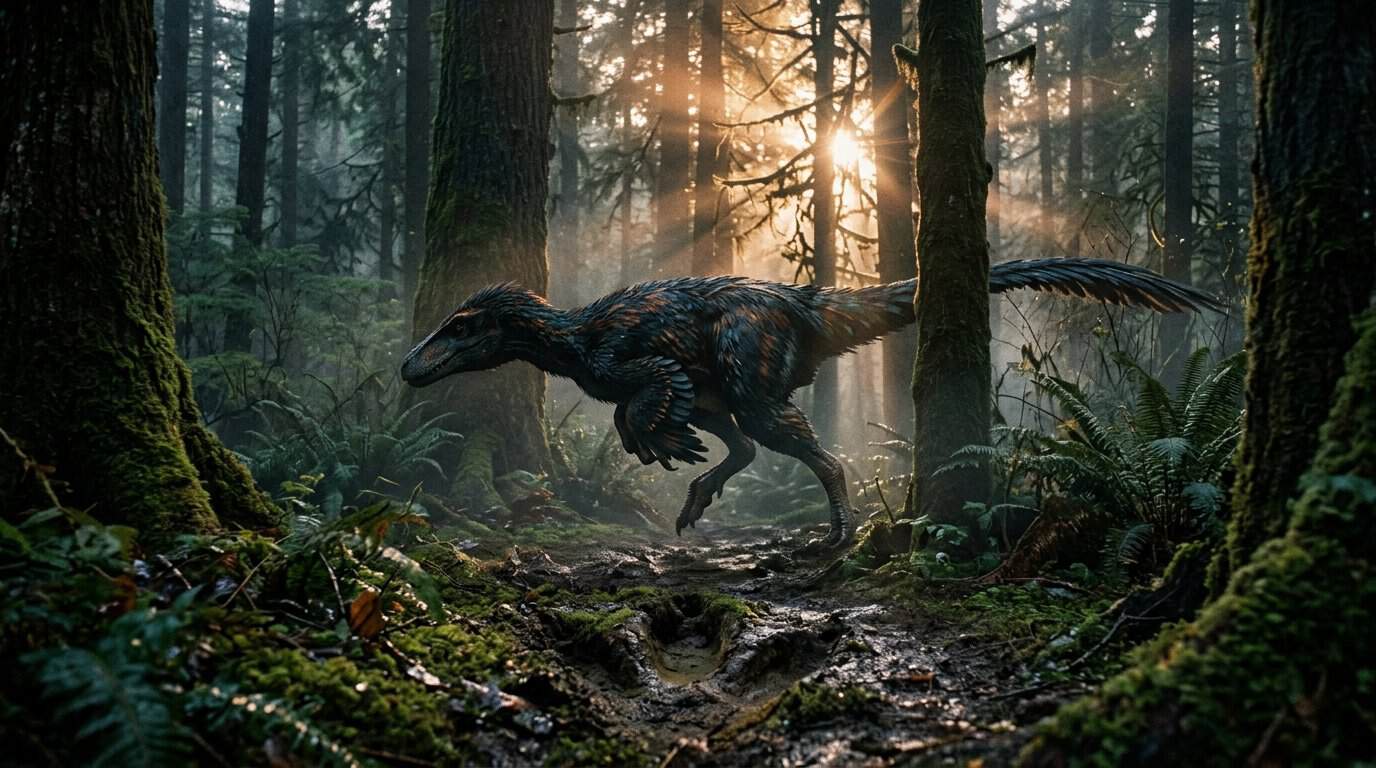
Deep within the dense, emerald forests surrounding Petersburg, Alaska, a unique collection of stories has persisted for generations among locals and intrepid travelers. Unlike the typical tales of bears or moose, these accounts describe massive, bipedal reptiles that mirror the silhouettes of ancient theropods. Witnesses often report seeing these creatures near the riverbanks, where the thick brush meets the cold glacial waters of the panhandle. These sightings are frequently characterized by the sound of heavy, rhythmic footsteps and the sight of powerful tails disappearing into the undergrowth. While mainstream science remains cautious, the consistency of these descriptions suggests a mystery that demands a closer look at the region’s untamed geography.
Historical records and indigenous oral traditions provide a fascinating backdrop to these modern encounters, often referencing spirits or beasts that resemble prehistoric life. Local hunters and fishermen have occasionally shared stories of tracks that do not match any known Alaskan predator, featuring three-toed impressions etched into the mud. Some researchers suggest that the vast, unexplored stretches of the Tongass National Forest could theoretically hide species thought to be extinct, protected by the rugged terrain and low human density. These narratives are not just campfire stories, as they often come from individuals who spend their entire lives navigating the wilderness and know the local wildlife intimately. The persistence of these reports keeps the flame of curiosity alive for those seeking the truth about what might still roam the north.
Exploring the possibility of living fossils requires a balance between healthy skepticism and the wonder of discovery. While no physical specimen has been captured to prove the existence of these river monsters, the sheer volume of anecdotal evidence from the Petersburg area remains compelling. Could these sightings be misidentifications of known animals under specific lighting, or is there a remnant population of something much older lurking in the shadows? The Alaskan wilderness is famous for keeping its secrets, and the local legends of the Petersburg dinosaurs is one of its most enduring puzzles. We invite you to share your own thoughts on these sightings and tell us if you believe the deep woods of the north could still hold such magnificent secrets.
Survival In The High Latitude Wilderness
The Tongass National Forest near Petersburg is a sprawling labyrinth of ancient cedar and Sitka spruce that creates a setting largely untouched by the modern world. This temperate rainforest is so dense and vast that large portions of the interior remain virtually unexplored by humans on foot. The complex geography of steep fjords and isolated islands provides a natural fortress where elusive species could theoretically evade detection for generations. With over sixteen million acres of rugged terrain, the sheer scale of the wilderness offers plenty of room for creatures that prefer to stay hidden. The heavy canopy and constant mist create a prehistoric atmosphere that feels like a window into a much older version of Earth.
Survival in these high latitudes requires incredible resilience, yet the unique microclimates of Southeast Alaska provide surprising advantages for large animals. Hidden geothermal pockets and nutrient-rich volcanic soils can create localized areas of warmth and abundant food even during the harsh winter months. Local hunters and naturalists have often noted that the deep valleys remain surprisingly temperate compared to the exposed mountain peaks. This environmental stability is a key factor when considering how a relict population might persist far outside its expected timeline. The abundance of salmon runs and calorie-dense vegetation ensures that any large predator would have a consistent and reliable food source throughout the year.
The moss-covered floors and labyrinthine cave systems of the Alexander Archipelago offer more than just shelter from the elements. These limestone caverns provide extensive underground networks where animals could hibernate or move unseen across vast distances. Many researchers believe that the rugged coastline acts as a natural barrier that discourages human encroachment while protecting the biodiversity within. When combined with the low population density of the region, it becomes much easier to understand why sightings remain rare and localized. Much like the Bigfoot evidence debate, the mystery of what truly wanders beneath the towering old-growth trees continues to captivate those who respect the power of the Alaskan wild.
Distinguishing Living Fossils From Known Wildlife
Distinguishing a prehistoric creature from local Alaskan wildlife requires a close look at the specific physical traits described by witnesses near Petersburg. While skeptics often point to the coastal brown bear as a likely candidate for misidentification, many accounts describe features that simply do not align with ursine anatomy. Reports frequently highlight a distinct, horizontal posture and a long, rigid tail held off the ground to balance the body while moving. These witnesses insist the creature moves with a bird like gait that is entirely different from the heavy, rolling lumber of a bear or the spindly leg movements of a moose.
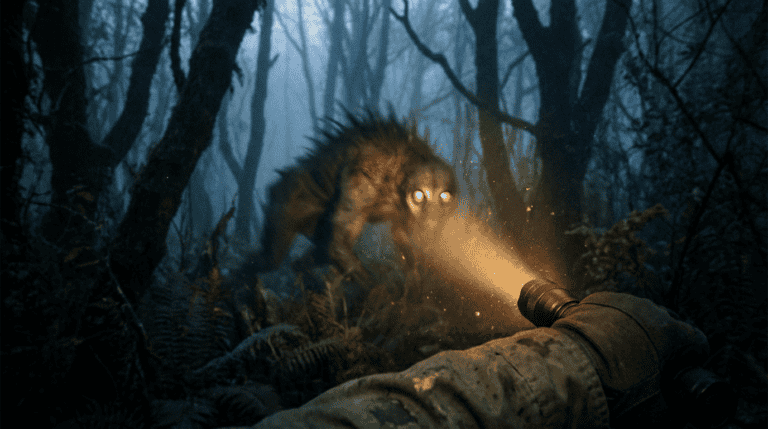
The texture of the skin remains one of the most compelling details provided by those who claim to have seen these living fossils in the dense brush. Rather than the thick, matted fur characteristic of northern mammals, observers describe a pebbled or leathery hide that appears more reptilian in nature. Some sightings even mention a series of small ridges or scales along the back, which would be impossible to confuse with the smooth coat of an elk or the shaggy hair of a mountain goat. Local researchers often note that these descriptions remain remarkably consistent across different decades and independent parties, suggesting a specific biological profile that defies standard classification.
When evaluating these encounters, it is helpful to consider how lighting and terrain can play tricks on the human eye during the long Alaskan twilight. However, the sheer size and unique silhouette of the reported creatures often leave witnesses feeling certain they have seen something out of time. These accounts do not describe the familiar antlers of a moose or the rounded ears of a predator, but rather a narrow head with a toothy snout. By focusing on these specific anatomical differences, we can better understand why Petersburg monster encounters continue to captivate the imagination of those exploring the high latitude wilderness.
The Lingering Mystery of the Petersburg Giants
The mystery of the Petersburg sightings remains one of the most compelling chapters in the folklore of the northern wilderness. While skeptics often point to misidentified modern animals or the tricks of a tired mind in the vast Alaskan brush, the consistency of these reports suggests something more profound may be at play. Much like the Florida Skunk Ape encounters, the rugged terrain and deep, unexplored waters of the region provide the perfect sanctuary for creatures that science has long considered extinct. These stories remind us that despite our modern maps and technology, the natural world still holds secrets that challenge our understanding of history.
Whether these sightings represent a surviving relic of a prehistoric age or a fascinating cultural phenomenon, they continue to spark the imagination of locals and researchers alike. The possibility of finding a living dinosaur in the high latitudes keeps the spirit of discovery alive for those who venture into the wild. Exploring these anomalies requires a delicate balance of critical thought and an open mind toward the unexplained. Every new account adds another layer to the enduring puzzle of what truly roams the shadows of the northern forests. Much like the various Loch Ness Monster theories, the debate over these sightings often centers on whether they are biological realities or psychological projections.
We want to hear your thoughts on these prehistoric puzzles and whether you believe the Alaskan wilderness could still hide such giants. Have you ever encountered something in the deep woods that defied a simple explanation, or do you have a theory about these sightings? Sharing your experiences helps piece together the larger picture of these regional mysteries and keeps the conversation going. Please join the discussion below to share your stories or offer your perspective on these strange sightings.
Frequently Asked Questions
1. What exactly are the Petersburg dinosaur sightings?
These sightings involve reports of massive, bipedal reptiles that resemble prehistoric theropods roaming the dense forests of Alaska. Witnesses often describe heavy, rhythmic footsteps and powerful tails disappearing into the brush near glacial riverbanks. Local lore and modern encounters suggest a creature that defies conventional wildlife classifications.
2. Is there any physical evidence of these creatures in Alaska?
Hunters and fishermen in the region have documented unusual three-toed tracks that do not match the paws of bears or other known Alaskan predators. These physical imprints, combined with consistent witness descriptions, provide a compelling basis for further investigation into the panhandle’s untamed geography. The scale and depth of these tracks suggest a creature of immense weight and power.
3. How do indigenous traditions view these mysterious sightings?
Indigenous oral traditions in the area frequently reference spirits or ancient beasts that mirror the appearance of prehistoric life. These historical records provide a fascinating cultural backdrop that aligns with modern reports of strange reptiles. By blending ancestral knowledge with current encounters, a clearer picture of this long-standing mystery begins to emerge.
4. What is the connection between Petersburg and the 76-million-year-old skeleton?
A rare, 76-million-year-old dinosaur skeleton is being installed in a high-tech rooftop garden within the city. This incredible display brings the prehistoric past directly into the modern skyline, bridging the gap between scientific history and local legends. It serves as a permanent reminder of the giants that once ruled the earth and might still linger in our stories.
5. Why are these sightings often reported near riverbanks?
The thick brush and cold glacial waters of the Alaskan panhandle provide a perfect, secluded habitat for large, unidentified animals. Many believe the riverbanks offer necessary resources and a natural corridor for movement away from human eyes. The dense greenery allows these massive figures to vanish quickly, leaving behind only echoes and mystery.
6. Are these dinosaur sightings scientifically proven?
Mainstream science remains cautious about the existence of living prehistoric reptiles, but the consistency of witness accounts demands a closer look. While no specimen has been captured, the combination of historical records and physical track finds keeps the curiosity of researchers alive. We explore these possibilities with an open mind, recognizing that much of the wilderness remains unexplored.