The French Roots And Bayou Secrets Of Rugaru Legend Origins
Deep in the moss-draped bayous of Louisiana and the shadows of the Great Lakes, a creature of nightmare has haunted the campfire stories of French-descended families for centuries. To understand the rugaru legend origins, one must look back to the 18th-century settlers who brought their fears of the European werewolf across the Atlantic. This was not just a simple ghost story. It was a cultural inheritance that transformed as it touched new soil, evolving from a French superstition into a uniquely American mystery.
As these French settlers and Acadian exiles mingled with Indigenous communities, the tale of the shapeshifter began to take on a darker, more complex life. In the northern plains, the legend blended with the chilling lore of the Wendigo, creating a monster that was as much a spiritual warning as it was a physical threat. Today, the Rugaru remains a powerful symbol of how old-world fears can adapt and thrive in the untamed wilderness of a new frontier.
Key Takeaways
- The Rugaru is a cultural evolution of the French loup-garou, transitioning from a European werewolf myth into a uniquely American legend through phonetic shifts and environmental adaptation in the bayous and Great Lakes.
- The legend represents a complex synthesis of European lycanthropy and Indigenous folklore, specifically merging with Wendigo stories to emphasize spiritual corruption, cannibalism, and the consequences of breaking moral taboos.
- In Cajun tradition, the Rougarou serves as a powerful tool for social and religious discipline, often depicted as a divine punishment for those who fail to observe the strict rules of Lent for seven consecutive years.
- Breaking the Rougarou curse requires a specific ritual of drawing the creature’s blood followed by a year of absolute secrecy, illustrating the legend’s role in maintaining community bonds and cultural silence.
From Loup Garou To Louisiana Bayou
The legend of the rugaru began its long journey across the Atlantic Ocean during the 18th century, carried in the hearts and minds of French settlers and Acadian exiles. These travelers brought with them the ancient stories of the loup garou, a terrifying unknown creature that haunted the forests of medieval Europe. As these pioneers settled into the dense, foggy landscapes of the Louisiana bayous and the Great Lakes, the traditional French term began to shift phonetically. Over generations of storytelling, the sharp sounds of loup garou softened into the regional variations recognized today, such as rougarou and rugaru. This linguistic evolution reflects a deeper cultural transformation as the creature adapted to its new American home.
Once established in North America, the legend did not remain isolated but instead began to weave itself into the existing tapestry of Indigenous folklore. In the regions surrounding the Great Lakes, the rugaru stories of the Métis people started to share striking similarities with the chilling Wendigo legends of the Ojibwe. This blending of cultures created a unique version of the monster that was often associated with broken taboos or spiritual curses. Unlike the purely biological transformation seen in some modern media, these early accounts emphasized a dark, supernatural transition triggered by moral failings. The resulting creature was a haunting hybrid of European lycanthropy and Native American spiritual warnings, perfectly suited for the mysterious wilderness.
Historians and folklorists often point to these cultural intersections as the reason why the rugaru remains such a persistent figure in Cajun and Métis identity. The swampy terrain of the South and the vast northern woods provided the perfect backdrop for a creature that could hide just out of sight. While scientific documentation of such a shapeshifter remains elusive, the sheer consistency of eyewitness accounts across different centuries suggests a shared psychological or physical reality. The rugaru serves as a living bridge between the Old World and the New, reminding us that some fears are universal regardless of where we settle. Does the rugaru represent a literal predator lurking in the shadows, or is it a cultural guardian meant to keep us on the path of righteousness?
Spiritual Blending With Indigenous Wendigo Tales
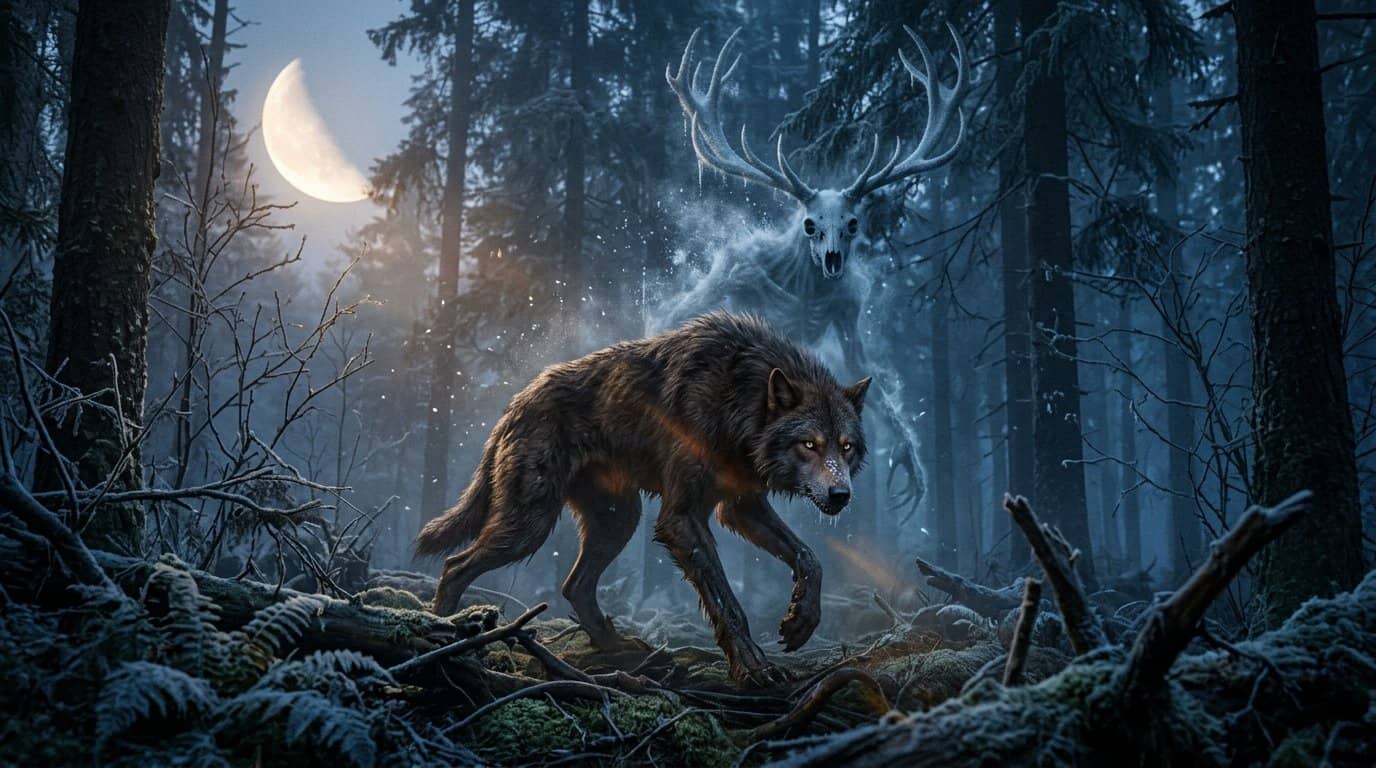
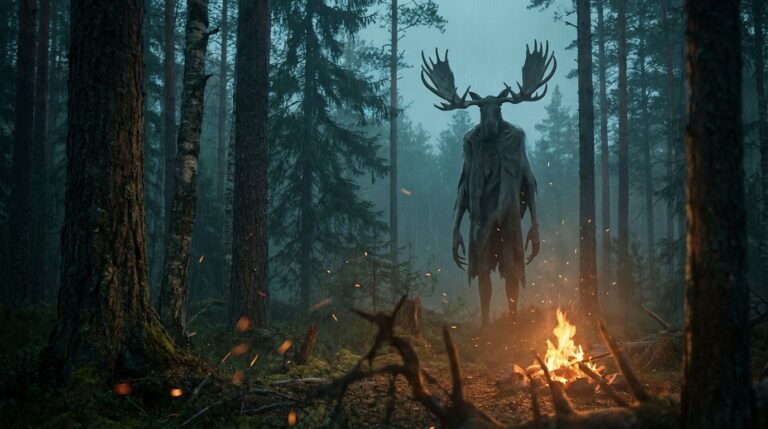
As French settlers and Acadian exiles moved through the Great Lakes region, their stories of the loup-garou began to intertwine with the ancient roots of the Wendigo legend and the beliefs of the Ojibwe and Métis people. This cultural exchange transformed the European werewolf into the Rugaru, a creature that borrowed the terrifying hunger of the indigenous Wendigo. While the French version focused on a curse or a broken religious fast, the local influence added a darker layer of cannibalism and spiritual corruption. This hybrid legend suggests that the creature is not just a physical shapeshifter, but a manifestation of greed and the loss of one’s humanity.
Historians and folklorists often point to the shared geography of the North American wilderness as the catalyst for this unique blending of myths. In the deep woods and frozen landscapes, both the French and the Native tribes feared the consequences of isolation and the desperate acts it could inspire. By merging the image of the hairy man-wolf with the bone-chilling spirit of the northern woods, the Rugaru became a powerful cautionary tale for those living on the edge of civilization. These stories served a dual purpose, acting as both a moral guide for the community and a terrifying explanation for the unexplained disappearances in the thick forests.
Today, the Rugaru stands as a fascinating example of how folklore adapts to its environment, proving that legends are rarely static. The transition from the bayous of Louisiana to the northern lakes shows a creature that evolves to reflect the specific fears of the local population. Whether it is a man cursed by a witch or a hunter possessed by a cannibalistic spirit, the core of the mystery remains the same. Many locals still wonder if these tales are merely ways to keep children in line, or if something truly ancient and hungry still waits in the shadows of the trees.
Breaking Lent And The Cajun Curse
The legend of the Rougarou serves as a powerful moral compass within the Cajun communities of southern Louisiana, often tied directly to the observation of Lent. According to local folklore, those who fail to follow the strict rules of Lent for seven consecutive years risk falling under a terrifying curse. This religious warning was frequently used by parents to ensure children remained obedient and pious during the holy season. The transformation is not just a physical change but a spiritual punishment for straying from the path of faith. By blending French heritage with the swampy realities of the bayou, the story became a unique tool for cultural preservation and discipline.
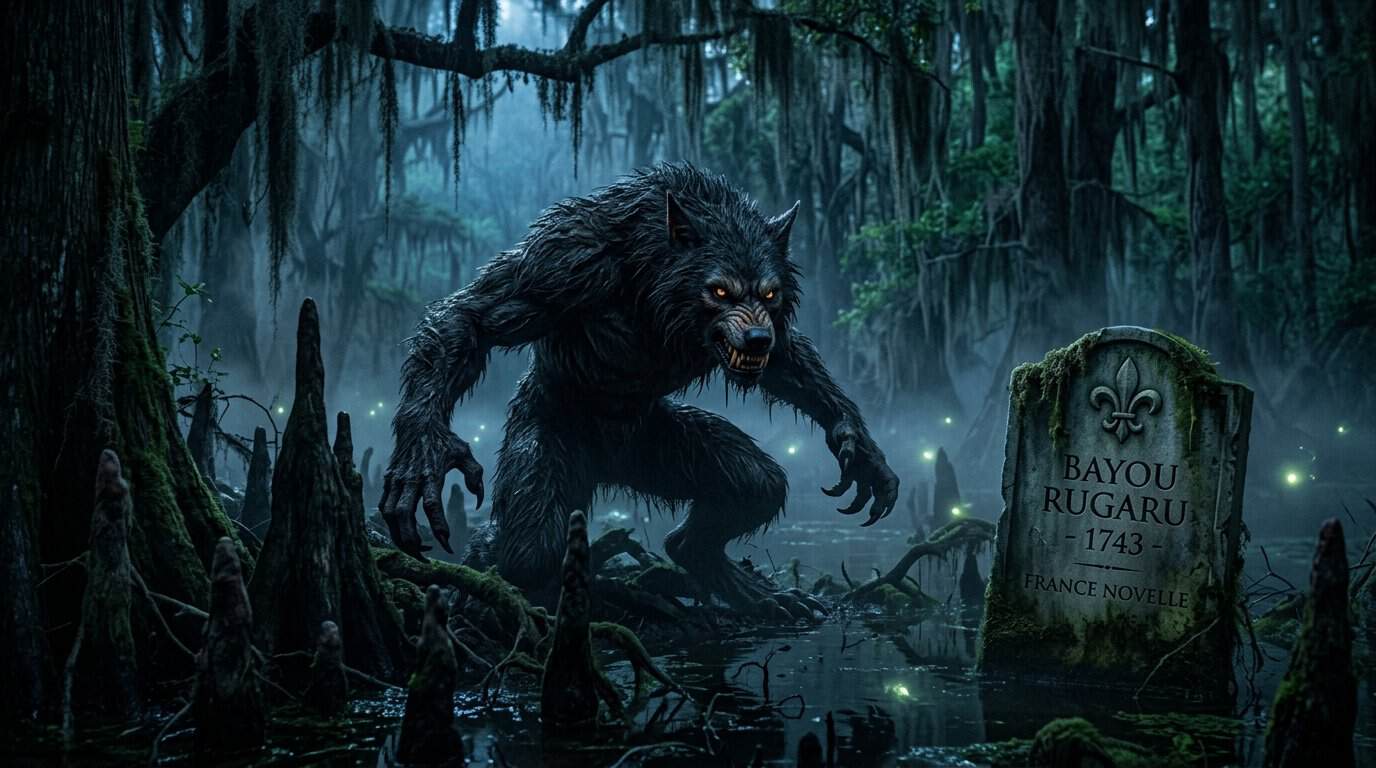
Witnesses describe the creature as a horrifying hybrid that stands on two legs like a man but possesses the head of a wolf or a large dog. Its eyes are often said to glow with a haunting red light, piercing through the thick moss and cypress trees of the marshland. Unlike the traditional Hollywood werewolf, the Rougarou is often depicted with ragged fur and a skeletal frame, looking more like a cursed soul than a simple beast. Some accounts suggest the creature retains a small glimmer of its former human intelligence, which only adds to the tragedy of its existence. The physical presence of the beast is so ingrained in the region that many locals still treat the dark corners of the swamp with a deep, quiet respect.
Breaking the curse is a dangerous and complex task that requires more than just silver bullets or ancient charms. Traditional stories suggest that the Rougarou can only be saved if a brave individual manages to draw the creature’s blood without killing it. Once the skin is broken and the first drop of blood hits the ground, the creature supposedly reverts to its human form. However, the person who saves the beast is often sworn to secrecy for an entire year. If they speak of the encounter before the time is up, they may find themselves becoming the next victim of the shapeshifting curse.
From French Forests to Cajun Swamps
The legend of the Rugaru serves as a powerful bridge between the Old World and the deep marshes of the American South. What began as the French loup-garou traveled across oceans and through generations, eventually transforming into a uniquely Cajun and Métis mystery. This creature is more than just a scary story told around a campfire because it represents the survival of cultural identity through centuries of migration. By blending European werewolf lore with the environmental realities of the Louisiana bayous, the Rugaru has become a permanent fixture of regional history.
These tales continue to thrive because they tap into a universal fascination with the thin line between humanity and the wild. Whether viewed as a cautionary moral lesson or a literal beast prowling the moss-draped cypress trees, the Rugaru maintains a chilling grip on the collective imagination. The persistence of modern eyewitness accounts suggests that this legend is far from a dusty relic of the past. It remains a living piece of folklore that invites everyone to look a little closer at the shadows dancing on the edge of the swamp.
Every corner of the world seems to have its own version of a shapeshifter hiding in the darkness. From the high plains to the thickest jungles, these stories help define the mysteries of our local landscapes. We would love to hear about the legends that haunt your neck of the woods. Does your hometown have a unique monster or a shapeshifting spirit that locals still whisper about today? Share your stories and local lore in the comments below to help keep these fascinating mysteries alive.
Frequently Asked Questions
1. Where did the legend of the rugaru first begin?
The rugaru origins trace back to 18th century French settlers and Acadian exiles who brought stories of the European loup garou to North America. These travelers carried their ancient fears of the man-wolf across the Atlantic, where the legend eventually adapted to the wild landscapes of the Louisiana bayous and the Great Lakes.
2. How did the name change from loup garou to rugaru?
As French pioneers settled into new territories, the traditional term loup garou underwent a phonetic shift through generations of oral storytelling. The sharp European sounds softened over time, resulting in regional variations like rougarou and rugaru that reflect the creature’s new American identity.
3. What happens when the rugaru legend meets Indigenous folklore?
In the northern plains and Great Lakes regions, the French werewolf stories blended with the chilling Indigenous lore of the Wendigo. This cultural exchange transformed the creature into a complex spiritual warning that combined physical hunger with a deeper sense of supernatural dread.
4. Is the rugaru considered a physical animal or a spiritual threat?
The rugaru is often viewed as both a tangible monster and a symbolic warning against breaking social or spiritual taboos. It serves as a powerful reminder of how old world superstitions evolved into a unique mystery that still haunts the untamed wilderness today.
5. Why did the rugaru legend become so popular in Louisiana?
The dense and moss-draped landscapes of the Louisiana bayous provided the perfect atmospheric backdrop for these terrifying tales to thrive. For French-descended families, the story became a cultural inheritance used to explain the mysteries of the swamp and enforce community values through campfire stories.
6. What is the main difference between a European werewolf and a rugaru?
While the European werewolf is often a simple curse of biology, the rugaru represents a deeper cultural transformation influenced by North American history and native beliefs. It is a uniquely American monster that reflects the blending of multiple traditions in the shadows of the new frontier.