
The Wisconsin Werewolf: Unmasking The Beast Of Bray Road
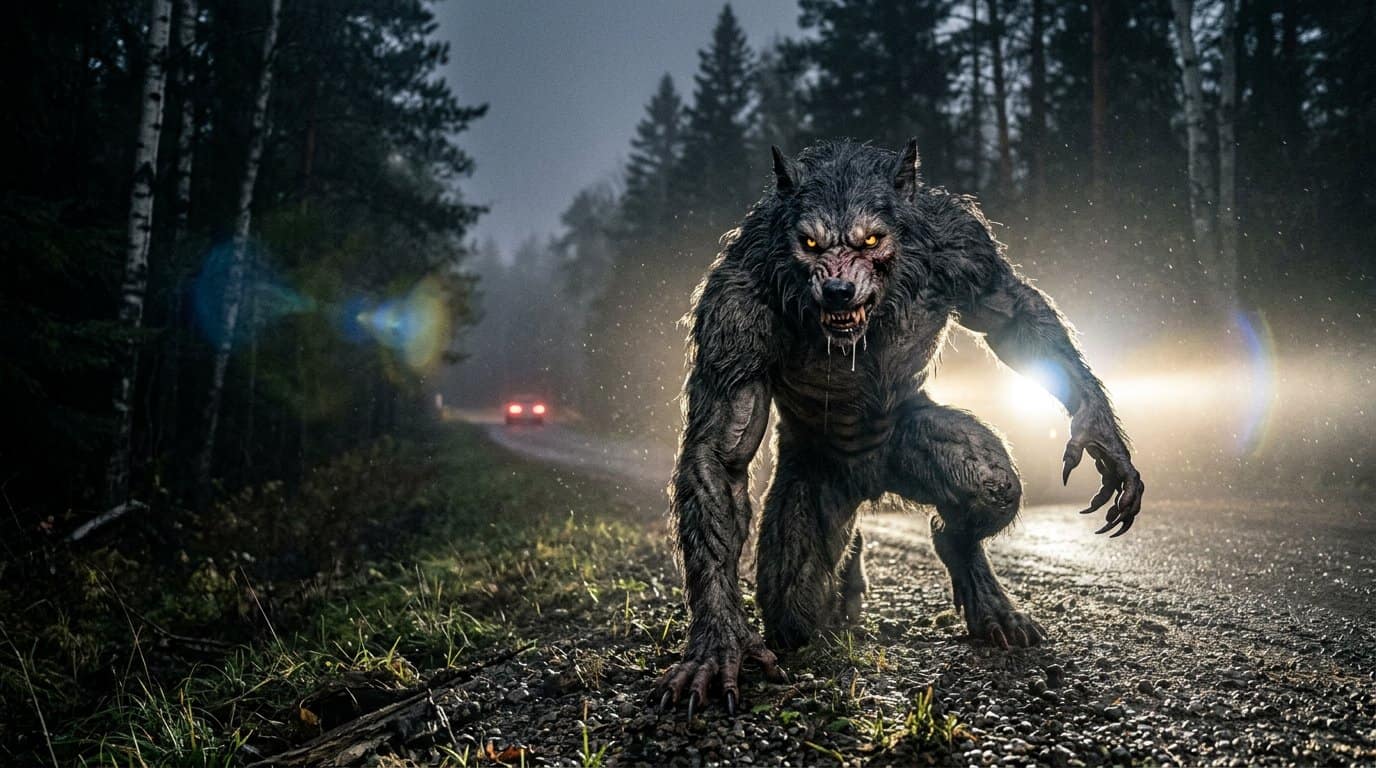
On a quiet, fog-thickened night in Elkhorn, Wisconsin, a driver’s headlights catch a glimpse of something that shouldn’t exist. Standing nearly seven feet tall with a muscular, humanoid frame and the head of a wolf, the Bray Road Beast has haunted the dreams of Walworth County residents for decades. This legendary creature, often called the Wisconsin Werewolf, is much more than just a campfire story told to frighten children. It represents a chilling intersection of local history and unexplained biological mysteries that continue to defy simple explanations.
While skeptics might dismiss these sightings as misidentified bears or large dogs, the consistency of witness reports suggests a far more complex reality. From the first recorded encounter at a burial mound in 1936 to modern accounts of a bipedal predator stalking rural roadsides, the evidence invites a deep sense of wonder. Exploring these accounts requires an open mind and a willingness to look into the shadows of the American Midwest. The truth behind this towering, golden-eyed figure remains one of the most compelling puzzles in the world of the unexplained.
Key Takeaways
- The Beast of Bray Road is a documented cryptid from Elkhorn, Wisconsin, characterized as a six-to-seven-foot-tall bipedal wolf with a muscular humanoid torso and glowing yellow eyes.
- Historical records date the creature’s presence back to 1936, with foundational sightings linking it to ancient indigenous burial mounds and suggesting a long-standing residence in the region.
- Investigative journalism in the 1990s transformed local folklore into a national phenomenon by documenting consistent eyewitness accounts of the creature’s unique ability to transition between quadrupedal and bipedal movement.
- While skeptics attribute sightings to misidentified bears or wolves, the creature’s specific anatomy—including hand-like clawed paws and a purposeful upright gait—suggests a biological anomaly or unidentified predator.
Origins Of The Elkhorn Wolf Legend
The legend of the Beast of Bray Road officially began long before it became a media sensation, tracing its roots back to a chilly night in 1936. Mark Shackleman, a night watchman at the St. Coletta School in Jefferson, reported a sight that defied logical explanation. While patrolling the grounds, he encountered a massive, wolf-like creature hunched over an ancient indigenous burial mound. Shackleman described it as a muscular, bipedal beast that appeared to be digging with clawed hands. This initial sighting provided the first documented evidence of a humanoid canine in the rural Midwest, setting a mysterious tone for decades of future reports.
When Shackleman approached the entity, he noted a distinct, pungent odor of decaying meat that hung heavy in the air. The creature stood approximately six feet tall and possessed a thick coat of dark fur that shimmered under the moonlight. Rather than attacking, the beast reportedly looked at the watchman with glowing eyes before making strange, guttural sounds that resembled human speech. This detail added a layer of eerie intelligence to the encounter, suggesting that the figure was more than just a stray animal. Though the story remained a local secret for years, it eventually became the bedrock of Wisconsin cryptozoology.
The 1936 encounter is particularly significant because it connects the beast to the sacred landscape of the region. By placing the creature at a burial mound, the legend weaves together elements of history, spirituality, and biology into a single mystery. Shackleman’s account was remarkably consistent with later reports from the 1980s and 1990s, which helped researchers establish a pattern of behavior for the creature. This foundational story suggests that the Beast of Bray Road is not a modern invention but a long-standing resident of the Elkhorn area. It remains one of the most compelling pieces of evidence for those who believe a hidden species roams the Wisconsin countryside.
Anatomy Of The Bray Road Beast
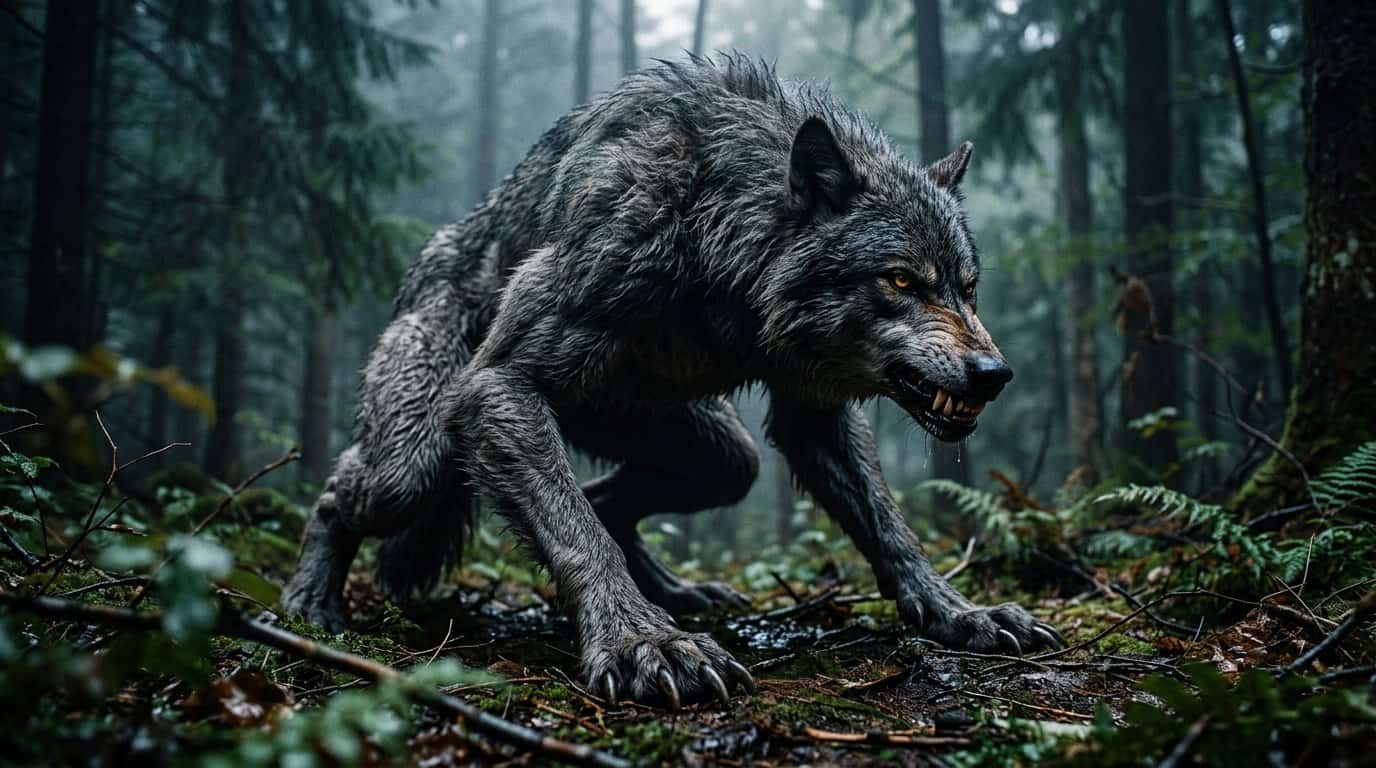
Witnesses who have come face to face with the Beast of Bray Road often describe a creature that defies standard biological classification. Standing between six and seven feet tall, the beast possesses a powerful, muscular torso that appears much more humanoid than that of a typical wolf. This barrel-chested frame is covered in a dense coat of brownish-gray or black fur, giving it a rugged and wild appearance. According to accounts collected by investigators, the creature’s most haunting feature is its large, glowing eyes that shine with a vivid yellow or orange light. These eyes are set into a lupine head with pointed ears, creating a terrifying silhouette against the dark Wisconsin woods.
One of the most striking physical traits of this cryptid is its unique ability to transition between walking on all fours and standing fully upright. While it can sprint with the speed of a predator on four legs, many reports highlight its preference for a bipedal stance when observing humans. This upright posture reveals powerful hind legs and front limbs that end in clawed paws, which some witnesses claim look almost like hands. There is a heavy, purposeful quality to its movement that suggests a level of intelligence and physical coordination beyond that of a common animal. This combination of human-like agility and predatory canine features makes the beast a distinct entity in the world of cryptozoology.
The anatomy of the Beast of Bray Road suggests a creature built for both strength and intimidation. Its thick neck and broad shoulders support a head that is unmistakably wolf-like, yet its behavior when crouching over roadkill or scratching at car doors feels strangely deliberate. Local sightings often mention the sheer mass of the animal, noting that it looks far too heavy and well-muscled to be a simple stray dog or a malnourished coyote. These physical descriptions have remained remarkably consistent over the decades, pointing toward a persistent mystery lurking in the rural Midwest. When you imagine such a muscular, glowing-eyed figure standing by the roadside, do you think it represents a known animal or something truly unexplained?
Linda Godfrey And The Nineties Sighting Surge
The legend of the Beast of Bray Road might have remained a quiet local secret if not for the persistent work of Linda Godfrey. As a reporter for the Walworth County Week in the early 1990s, Godfrey began investigating a series of strange reports coming from the rural outskirts of Elkhorn, Wisconsin. What started as a small assignment quickly transformed into a major investigation as more residents came forward with their own chilling stories. Her investigative journalism approach helped organize these scattered sightings into a cohesive narrative that the public could no longer ignore. By documenting these encounters with a mix of curiosity and professional rigor, she gave witnesses the courage to speak about the impossible things they had seen in the dark.
During this surge of activity, the descriptions provided by locals were remarkably consistent and terrifying. Witnesses reported seeing a massive, wolf-like creature that stood on its hind legs like a human, often measuring between six and seven feet tall. One of the most famous accounts from this era involved a young woman named Lori Endrizzi, who saw the beast kneeling by the side of the road in the glow of her headlights. These stories often highlighted the creature’s muscular, humanoid torso and its piercing, glowing eyes that seemed to reflect an eerie intelligence. Unlike the typical Bigfoot evidence common in other parts of the country, this being moved with the predatory grace of a canine, sometimes even chasing vehicles at high speeds.
Godfrey’s extensive research eventually culminated in her book, The Beast of Bray Road, which catapulted the Wisconsin Werewolf into the national spotlight. Her work explored various theories, from prehistoric survivors to more supernatural possibilities, while always rooting the mystery in the geography of the Midwest. This period of intense activity turned a stretch of rural pavement into a landmark for cryptozoology enthusiasts across the globe. Even today, researchers look back at the nineties sighting surge as the definitive era that defined what we know about this elusive predator. Do you think these witnesses were seeing a misidentified natural animal, or is there something truly ancient and unexplained hiding in the Wisconsin woods?
Evaluating Explanations For The Wisconsin Werewolf
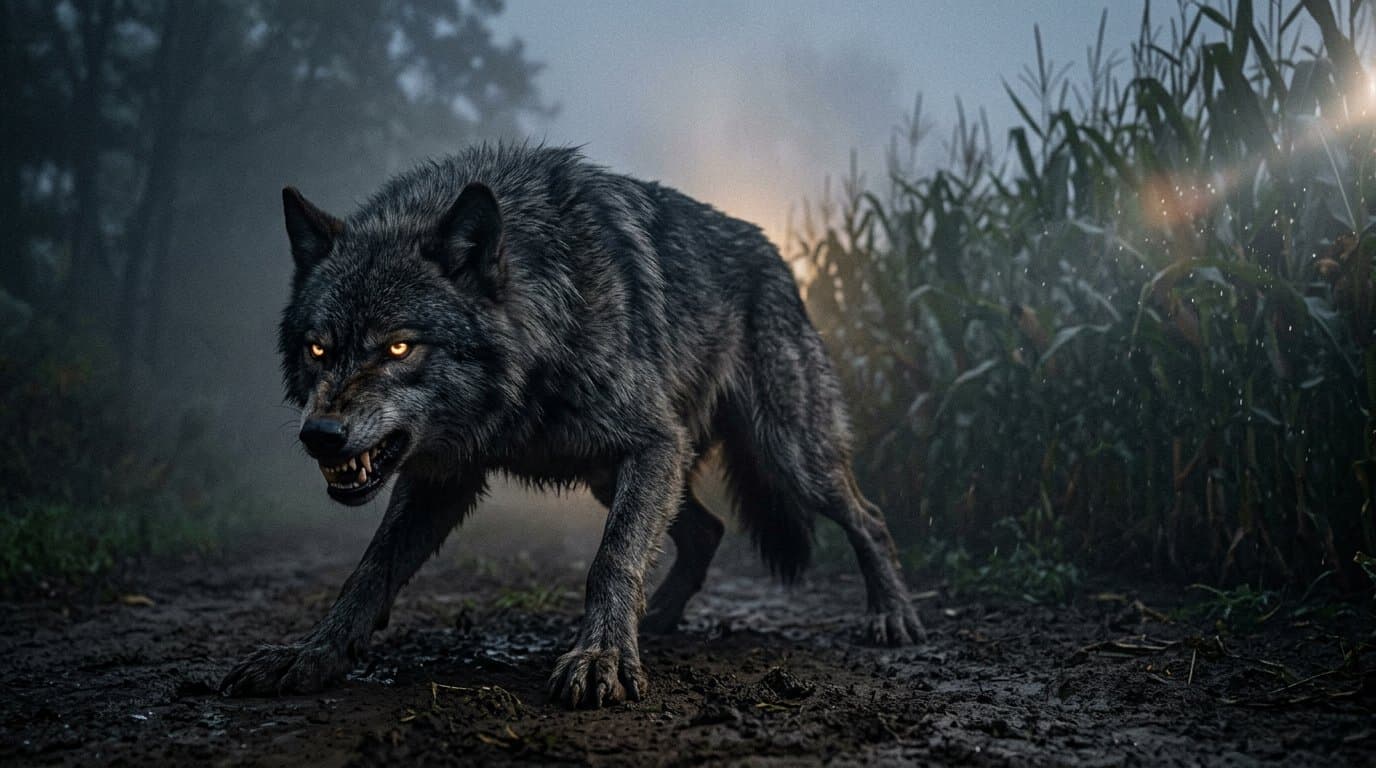
Skeptics often suggest that the Beast of Bray Road is simply a case of mistaken identity involving local wildlife. Large timber wolves or stray dogs with cases of mange can appear strangely thin and upright when they are startled or scavenging for food. Some researchers, such as Linda Godfrey who famously investigated the sightings, have noted that a black bear standing on its hind legs might also explain some of the more hulking silhouettes seen in the dark. While these natural explanations provide a logical framework for some reports, they struggle to account for the specific bipedal gait and humanoid torso described by many witnesses.
The mystery deepens when considering the possibility of a biological anomaly or a relict species that has managed to survive in the rural Midwest. Unlike the typical Bigfoot narrative, this creature is described with distinctly canine features that point toward something entirely different. Some theorists wonder if Chupacabra sightings in other regions suggest a similar pattern of unidentified predators adapting to human environments. This perspective treats the beast as a flesh and blood animal that is simply rare and elusive, rather than something that defies the laws of nature.
For those who lean into the supernatural, the Beast of Bray Road represents a modern manifestation of the werewolf legend. The earliest accounts from 1936 involving a creature digging at an indigenous burial mound suggest a connection to the land that goes beyond simple biology. These sightings often describe glowing eyes and an uncanny level of intelligence that makes the creature seem more than just a wild animal. Whether it is a physical predator or a lingering piece of folklore, the consistency of the reports keeps the investigation alive. What do you think is lurking in the cornfields of Elkhorn, a misidentified animal or something truly unexplained?
The Lingering Shadow of Wisconsin’s Wolfman
The Beast of Bray Road remains a captivating fixture of American cryptozoology, standing apart from typical legends due to its distinct, predatory nature. While many look to the woods for signs of a giant ape, the residents of Elkhorn have spent decades looking over their shoulders for a muscular, wolf-like humanoid. These sightings, stretching from the early twentieth century to the modern day, suggest that something truly unusual may be stalking the rural Midwest. The consistency of witness reports provides a narrative-rich history that keeps the mystery of this Wisconsin werewolf alive for new generations of explorers.
Whether this creature is a remnant of ancient folklore or a biological anomaly hidden in the wilderness, its impact on the local community is undeniable. Some believe the sightings can be explained by misidentified bears or wolves, yet the chilling details of glowing eyes and bipedal movement continue to challenge skeptics. Exploring these accounts creates a bridge between documented history and the unexplained, leaving plenty of room for curiosity and critical thought. The beast serves as a reminder that even in our well-mapped world, there are still corners where the shadows seem to move on their own.
What do you think is really happening on the dark backroads of Walworth County? Is the Beast of Bray Road a physical predator that science has yet to categorize, or is it a powerful myth that has taken on a life of its own through shared storytelling? We invite you to share your thoughts or any personal encounters you may have had with the unknown. Join the conversation and help us peel back the layers of this enduring Midwestern mystery to see what might be hiding in the tall grass.
Frequently Asked Questions
1. What exactly is the Beast of Bray Road?
The Beast of Bray Road is a legendary creature described as a seven foot tall, bipedal wolf with a muscular humanoid frame and glowing golden eyes. This entity is often referred to as the Wisconsin Werewolf and is known for stalking the rural roadsides of Walworth County. It represents a chilling mystery that blends local folklore with eyewitness accounts of an unexplained biological predator.
2. When was the first recorded sighting of this creature?
The first documented encounter occurred in 1936 when a night watchman named Mark Shackleman spotted the beast at the St. Coletta School. He observed a massive, wolf like figure hunched over an indigenous burial mound and reported a strong scent of decaying meat. This event established the foundation for decades of similar reports throughout the Elkhorn area.
3. Is the Beast of Bray Road just a misidentified wolf or bear?
While skeptics often suggest witnesses are seeing large dogs or bears, the consistent descriptions of a bipedal creature with clawed hands challenge these simple explanations. The creature exhibits unique behaviors, such as digging and walking upright, that do not align with the typical movements of known local wildlife. This consistency across many years suggests that a more complex and unidentified animal may be roaming the Midwest.
4. Where is Bray Road located?
Bray Road is a quiet stretch of pavement located in Elkhorn, Wisconsin, which sits within the rural landscape of Walworth County. This specific area has become the epicenter for sightings, though reports of the humanoid wolf have occasionally surfaced in surrounding regions. The thick fog and wooded surroundings of this rural road provide the perfect backdrop for these mysterious encounters.
5. Does the creature show aggression toward humans?
Most reports describe the beast as a menacing presence that stalks the shadows rather than an animal that actively attacks people. While its size and predatory appearance are naturally frightening, it typically disappears into the woods once it is spotted by headlights. However, the sheer power and speed reported by witnesses suggest it is a formidable predator that commands respect and caution. Similar to the bizarre encounter reported in other Midwestern states, these cryptids often leave witnesses shaken by their unnatural speed and anatomy.
6. Why has this legend persisted for so many decades?
The legend remains popular because new sightings continue to occur, keeping the mystery alive for each new generation. Journalistic investigations and historical documentation of encounters, like those from Mark Shackleman, provide a sense of credibility that fuels ongoing curiosity. The blend of unexplained biological traits and the eerie atmosphere of the Wisconsin countryside ensures the story remains a compelling puzzle.