The Hidden Secrets Of The Heidrun Glacier Anomaly
High above the rugged peaks where Pakistan, India, and China meet, a frozen mystery known as the heidrun glacier anomaly is quietly challenging everything scientists thought they knew about the warming world. While most of the planet’s ice is vanishing at an alarming rate, the massive glaciers of the Karakoram and Pamir ranges are doing the unthinkable by holding their ground or even growing thicker. This strange defiance of global trends has turned the region into a geographic puzzle, where the laws of nature seem to follow a different set of rules.
The intrigue deepens when these icy giants suddenly roar to life, surging forward with a speed that defies logic. These surging glaciers can move miles in just a few months, acting more like living creatures than slow-moving rivers of ice. It is a place where the air is thin and the secrets are buried deep within the frost, beckoning anyone curious enough to wonder why this one corner of the Earth refuses to melt.
Key Takeaways
- The Karakoram and Pamir ranges exhibit a unique ‘Heidrun Glacier anomaly’ where ice is gaining mass and surging forward, defying the global trend of glacial melting.
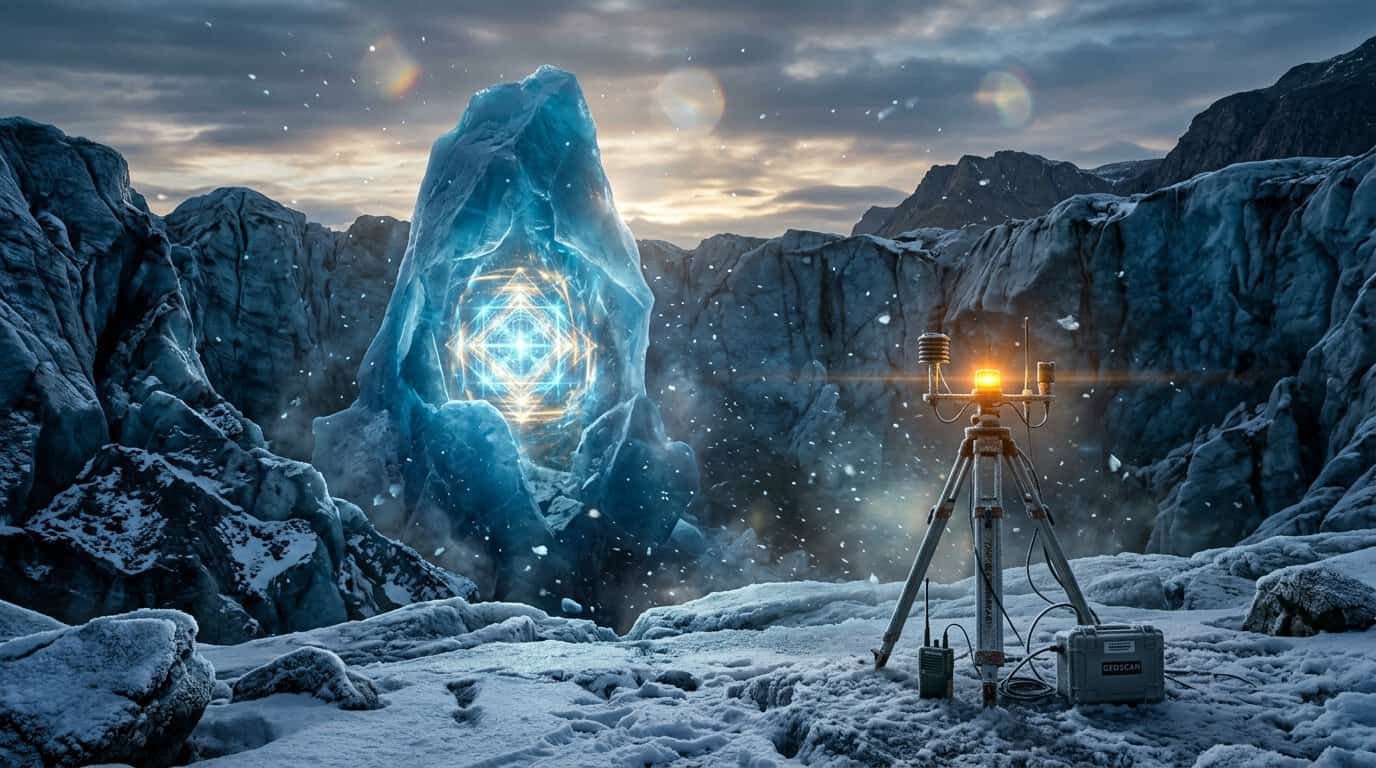
- Satellite imagery has identified precise geometric shapes and stable heat signatures beneath the ice that suggest the presence of hidden structures or energy sources in these remote valleys.
- A specialized atmospheric shield created by the Westerly winds funnels moisture from the Atlantic and Mediterranean into the region, providing a natural cooling system that replenishes the glaciers.
- The extreme geographical isolation and turbulent weather of the Karakoram serve as a natural barrier, shielding potential underground anomalies or research installations from consistent surveillance.
Defying The Global Thaw In The Karakoram
While the rest of the world watches its mountain ice melt away, the Karakoram Range presents a puzzling mystery that scientists call the Heidrun Glacier anomaly. In this remote corner of High Mountain Asia, glaciers are not just holding their ground but are actually gaining mass and surging forward with unexpected speed. This strange growth defies the global trend of warming temperatures, leaving researchers at institutions like the University of Zurich to wonder why this specific region operates under its own set of rules. The ice here behaves like a living thing, occasionally lunging forward several kilometers in just a few months through a process known as surging. Beyond the simple weather patterns, some observers have noted that satellite imagery occasionally reveals unusual heat signatures and geometric shapes tucked away in the deep valleys.
These peculiar structures and thermal readings have led to whispered theories about what might be hidden beneath the thick, advancing ice. While mainstream meteorologists point to unique moisture patterns from the Mediterranean, others find it curious that such a massive geographical anomaly exists in a region so difficult to access. The sheer stability of the ice provides a perfect natural shield for whatever might lie within these desolate, high altitude environments. Local reports sometimes mention strange lights or mechanical hums echoing through the frozen passes, adding a layer of intrigue to the scientific data. This blend of geological defiance and unexplained sightings makes the Karakoram one of the most watched locations on the planet for those seeking the truth about our changing world.
What do you think is responsible for this defiance of nature in the high mountains? Could the unusual growth of the Heidrun Glacier be a simple fluke of local climate, or is there something more intentional hidden beneath the frozen surface that is influencing the environment? We would love to hear your thoughts on whether this is a natural wonder or a sign of something unexplained. Share your theories in the comments below as we continue to track the movement of these mysterious ice giants. It is possible that the secrets of the Karakoram are only beginning to reveal themselves as the world around them continues to shift.
Strange Heat Signatures And Satellite Discoveries
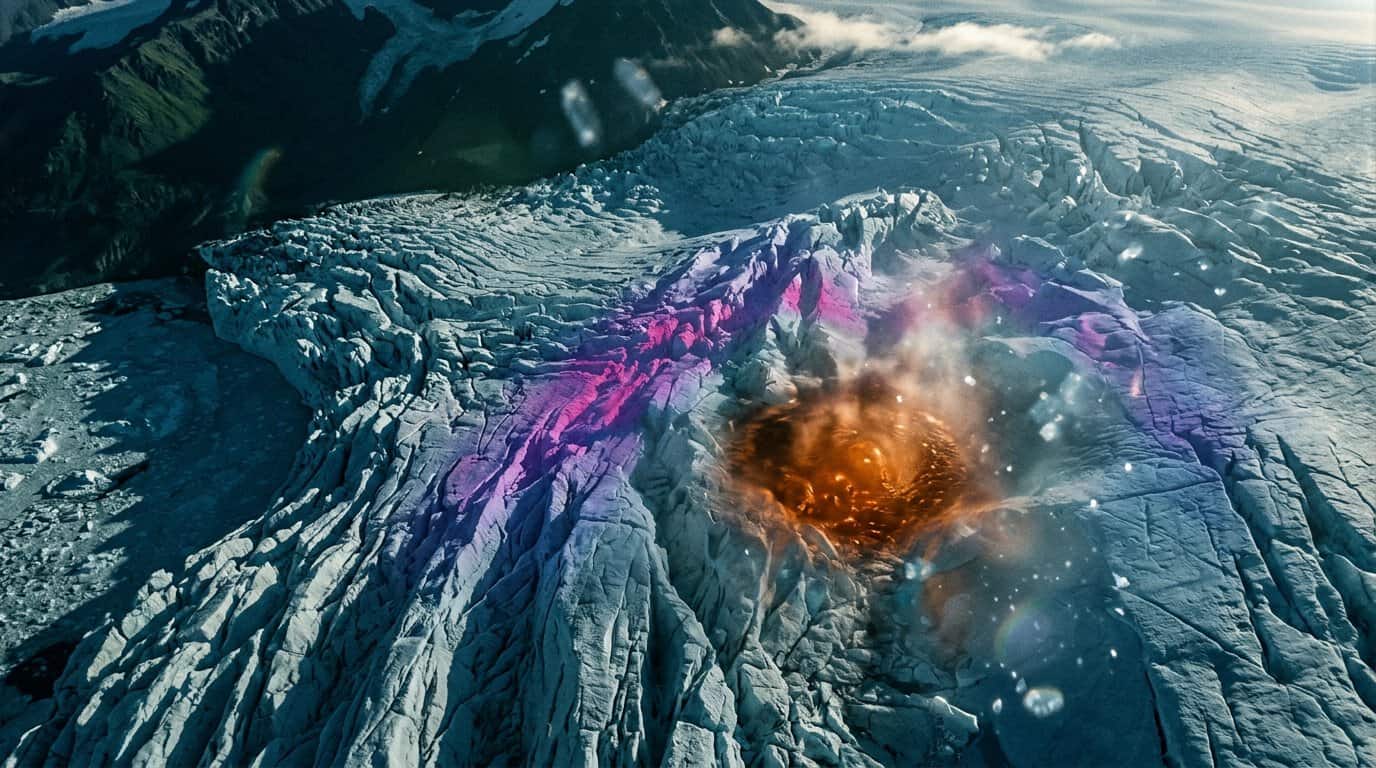
Satellite imagery has recently uncovered a series of thermal patterns that seem to contradict the freezing environment of the Heidrun Glacier. While most of the surrounding peaks show consistent sub-zero temperatures, specific pockets beneath the ice appear significantly warmer on infrared scans. These heat signatures often align with geometric shapes that look far too precise to be natural rock formations. Researchers monitoring the Karakoram region have noted that these hotspots remain stable even during the harshest winter months. This consistency suggests that something beneath the surface is generating its own energy rather than relying on solar heat.
The discovery of these structural anomalies has led many to wonder if the glacier is hiding more than just ancient ice. Some observers point to the way the ice seems to mold around rectangular outlines, suggesting the presence of large, solid objects buried deep within the permafrost. Local legends and modern satellite data both hint at the possibility of hidden installations or research outposts tucked away in this desolate area. Because the area is so difficult to reach on foot, these aerial images provide the only clues to what might be happening underground. The precision of these shapes continues to fuel theories about advanced technology or secret facilities shielded by the thick glacial shield.
Despite the scientific focus on the region’s unique mass balance, these strange visual findings add a layer of mystery that data alone cannot explain. If these heat sources are not caused by volcanic activity, which is rare in this specific sector, the remaining possibilities become much more intriguing. The idea of a functional structure operating beneath hundreds of feet of ice is a captivating thought for those who follow arctic mysteries. Every new high-resolution photo brings us closer to understanding if these are simply geological oddities or something built by human hands. What do you think is responsible for these hidden hotspots in such a remote part of the world?
Atmospheric Shields And The Westerly Winds
The Heidrun region stands as a frozen citadel, protected by a complex interaction between high-altitude geography and the powerful Westerly winds. While most of the world’s ice is rapidly disappearing, this specific area benefits from a unique atmospheric shield that funnels moisture from the Atlantic and Mediterranean directly into the peaks. This constant supply of cold precipitation acts like a natural cooling system, allowing the ice to thicken even as surrounding regions suffer from rising temperatures. Scientists from the University of Leeds have noted that this localized weather pattern creates a bubble of stability that defies global trends. It is this geographical isolation that makes the area such a prime candidate for the unusual heat signatures and structures reported by those monitoring satellite data.
The sheer height of the mountain ranges acts as a physical barrier, trapping cold air and creating a fortress-like environment that is difficult for modern sensors to penetrate. These massive peaks force the moisture-laden Westerlies upward, causing heavy snowfall that replenishes the glaciers faster than they can melt. This phenomenon, often called the Karakoram Anomaly, provides a perfect cover for anything hidden beneath the white expanse. Some researchers suggest that the dense cloud cover and turbulent winds in this high-altitude corridor make it one of the most difficult places on Earth to survey consistently. The result is a landscape that remains largely invisible to the outside world, fueling curiosity about what might be tucked away in its deep, icy valleys.
Beyond the scientific data of mass balance and wind currents, the anomaly presents a compelling mystery about why this specific location remains so resilient. Local reports and independent observers often point to thermal patterns that do not align with natural glacial behavior, suggesting something more complex might be happening underground. While the Westerly winds provide a logical explanation for the ice growth, they also create a perfect veil of secrecy for unexplained features. This blend of rare meteorological luck and strategic geography keeps the region shrouded in both snow and speculation. Do you think these unique wind patterns are purely a gift of nature, or could they be masking something more intentional hidden within the ice?
Unveiling The Truth Beneath The Frozen Surface
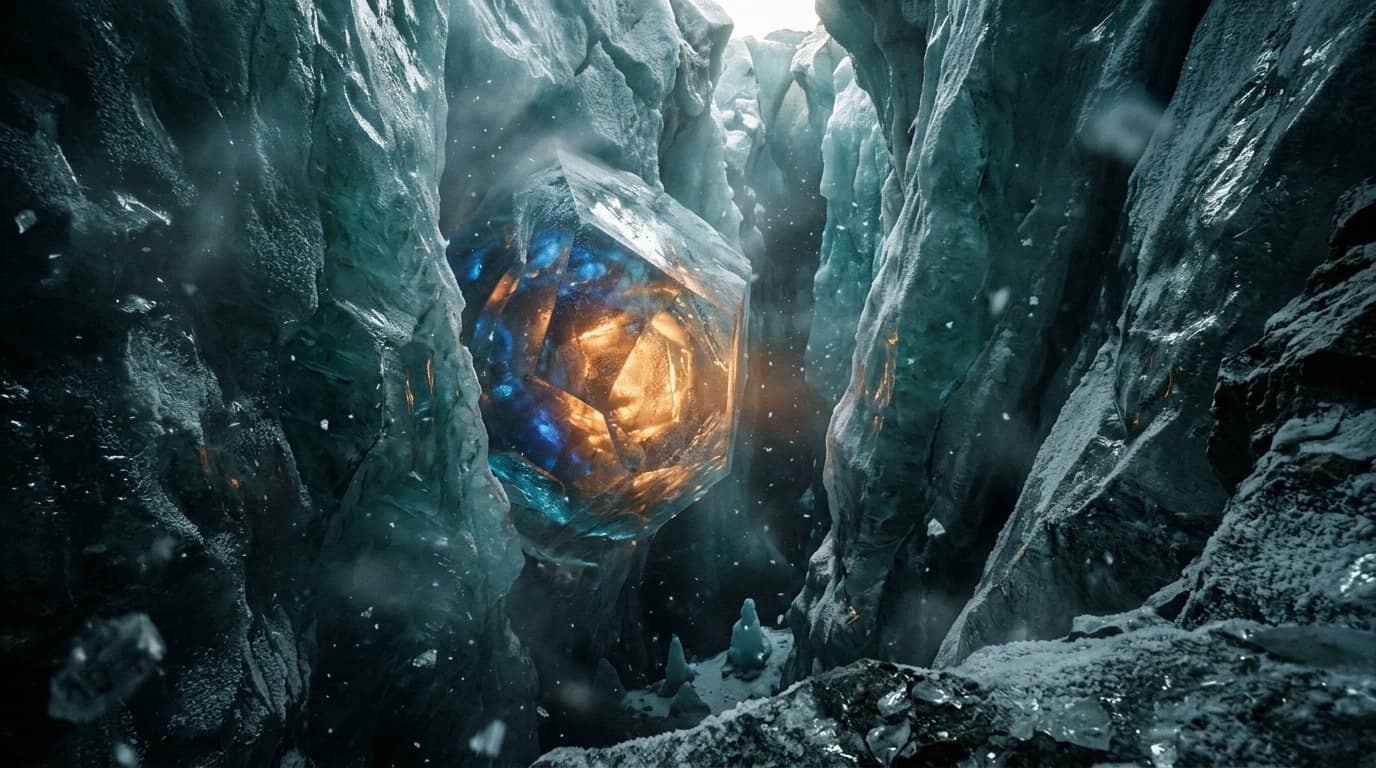
The Heidrun Glacier anomaly presents a fascinating puzzle that challenges our current understanding of how the world is changing. While most of the planet’s ice is rapidly disappearing, this specific region in the Karakoram and Pamir mountains is actually gaining mass and growing thicker. Researchers have documented that since the 1970s, these glaciers have maintained a stable or positive balance, which stands in stark contrast to the melting seen in the rest of the Himalayas. This strange resilience has led some to wonder if there are unique environmental factors, or perhaps something more mysterious, protecting these frozen giants. The sheer frequency of surging glaciers here, which can suddenly sprint forward several kilometers in a single season, adds an extra layer of intensity to the landscape.
Beyond the scientific data regarding ice mass and elevation, satellite imagery has occasionally revealed heat signatures and unusual formations that seem out of place in such a frigid environment. Some observers suggest that these thermal readings could point to hidden structures or geological features tucked deep within the remote mountain passes. While mainstream experts often attribute these signatures to specific mineral compositions or geothermal vents, the precision of some shapes has sparked theories about hidden outposts or forgotten installations. These desolate ranges are notoriously difficult to access, leaving plenty of room for imagination regarding what might be tucked away beneath the heavy layers of snow. The combination of growing ice and unexplained heat creates a compelling mystery that continues to draw interest from both scientists and explorers alike.
As we look closer at the evidence, the line between natural phenomenon and unexplained anomaly begins to blur in the high altitudes of the Western Kunlun. The fact remains that over seventy percent of the surging glaciers in High Mountain Asia are concentrated in this one specific pocket of the world. This localized activity suggests that something very specific is happening beneath the surface to trigger such massive movements of ice. Whether it is a misunderstood quirk of mountain weather or ancient technology truly hidden from the public eye, the region remains one of the most enigmatic places on Earth. What do you think is responsible for this defiance of global trends, and could there be more to these heat signatures than meets the eye?
Where Climate Science Meets Hidden Mysteries
The mystery of the Heidrun Glacier anomaly remains a fascinating blend of climate science and hidden wonders that invites us to keep watching the ice. While researchers point to specific weather patterns and high elevations to explain why these glaciers are growing, the presence of unusual heat signatures and structured shapes on satellite imagery suggests a deeper story. These desolate mountain ranges provide the perfect cover for features that defy easy explanation, blending the cold reality of environmental data with the intrigue of the unknown. It is a place where the line between a natural geographic quirk and something more intentional begins to blur under the heavy frost.
Exploring these frozen frontiers requires us to balance what we can measure with what we have yet to fully understand. The fact that this region resists the global trend of melting ice makes it a unique laboratory for both atmospheric physicists and those searching for hidden truths in the world’s most remote corners. Whether the anomaly is purely a result of unique moisture flows or hints at something tucked away beneath the permafrost, it serves as a reminder that the Earth still holds onto its secrets. We are left to wonder what else might be waiting to be discovered as our technology allows us to peer closer into the shadows of the Karakoram.
What do you think is really happening beneath the advancing ice of the Heidrun Glacier? Is this simply a rare victory for nature against a warming climate, or could there be more to the strange reports of structures and signatures found in the deep cold? The conversation about what lies in the most inaccessible parts of our planet is only just beginning, and your perspective helps piece the puzzle together. Much like those exploring the mysteries of other geographic anomalies, we must look beyond the surface to find the truth. Share your thoughts and theories below as we continue to monitor this icy enigma and the many questions it leaves in its wake.
Frequently Asked Questions
1. What exactly is the Heidrun Glacier anomaly?
The Heidrun Glacier anomaly refers to a strange geographic phenomenon where glaciers in the Karakoram and Pamir ranges are growing or staying stable. This completely defies the global trend of melting ice seen in almost every other mountain range on Earth. It is a puzzle that suggests this specific region follows a different set of natural rules.
2. How do surging glaciers behave differently than normal ones?
Most glaciers crawl at a snail’s pace, but surging glaciers can suddenly roar to life and lunge forward several miles in just a few months. These icy giants act more like living creatures than slow moving rivers of ice. This rapid movement is a central part of the mystery being studied by researchers at the University of Zurich.
3. What makes the Karakoram Range so unique compared to other mountains?
While the rest of the world faces a rapid thaw, the Karakoram Range acts as a stubborn holdout against warming temperatures. Scientists are fascinated by how these glaciers manage to gain mass while others are vanishing. This defiance has turned the rugged peaks where Pakistan, India, and China meet into a global focal point for climate research.
4. Are there any unusual sightings reported in these remote glacial valleys?
Satellite imagery has occasionally revealed strange geometric shapes and unusual heat signatures tucked away in the deep, thin air of the valleys. These peculiar readings have sparked whispered theories about structures hidden beneath the frost. While many look for weather related answers, others wonder if there are deeper secrets buried in the ice.
5. Why is the scientific community so interested in this specific region?
Researchers are drawn to the area because it challenges the current understanding of how the environment responds to a warming world. By studying why these glaciers refuse to melt, experts hope to uncover hidden climate mechanisms or perhaps something even more extraordinary. The region remains one of the last great geographic puzzles on the planet.
6. Is there a possibility that something non-natural is causing the anomaly?
The presence of thermal signatures and organized shapes suggests that there may be more to the story than just wind and snow. While scientific evidence focuses on unique weather patterns, the hollow earth theory and other fringe concepts cannot be entirely dismissed until every valley is explored. It remains a place where journalistic curiosity and scientific analysis meet, much like those investigating the Baltic Sea anomaly origin and its strange properties.