The Kaimanawa Wall Mystery And New Zealand Megalithic Legends
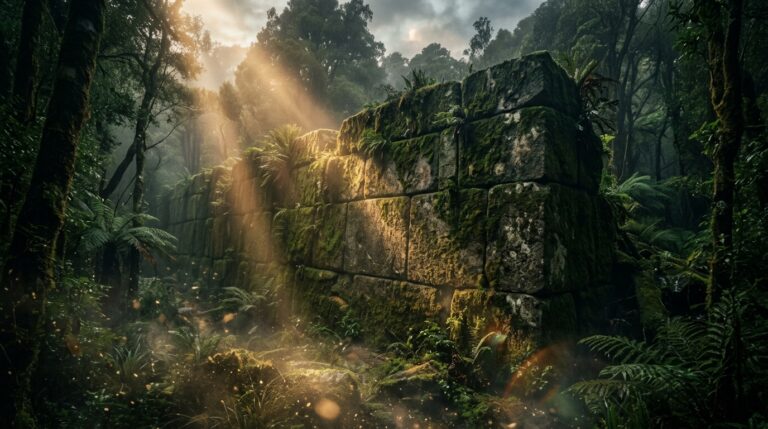
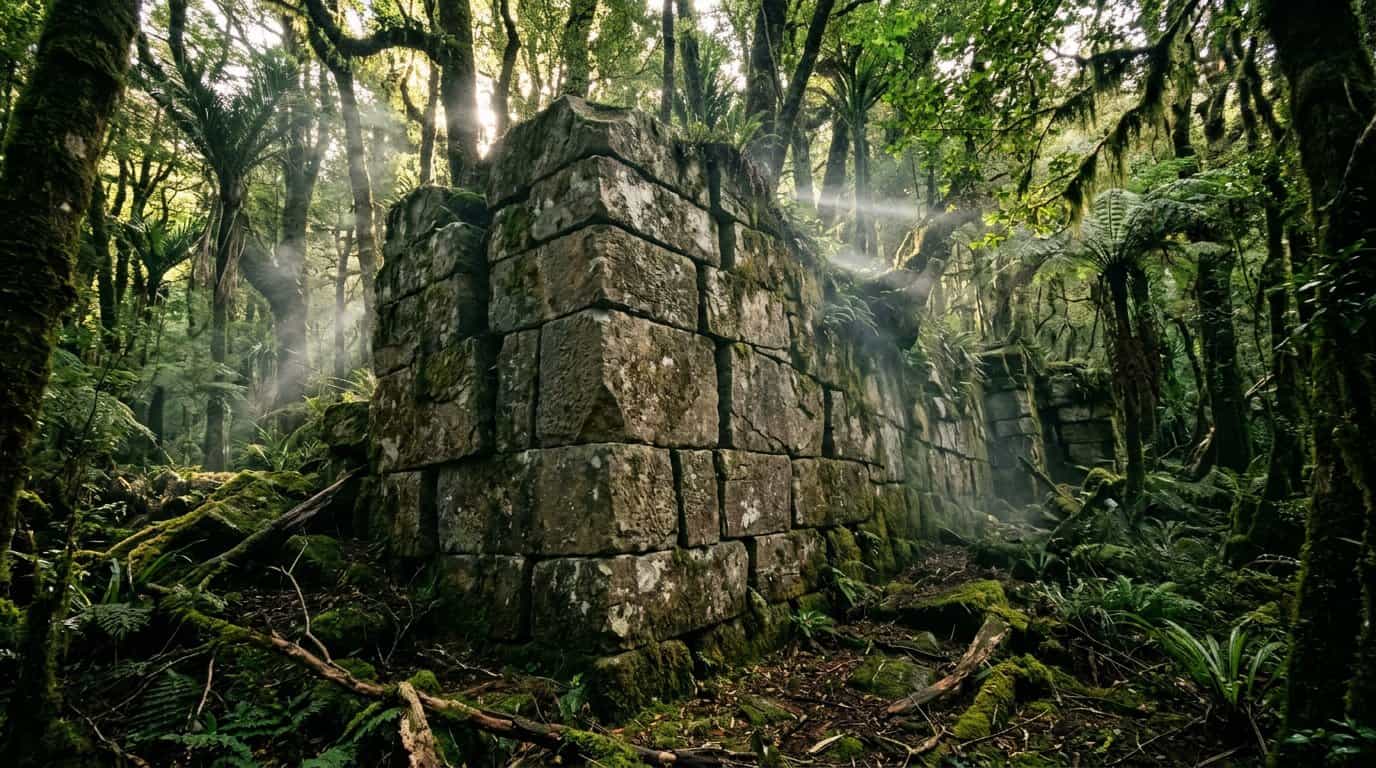
Deep within the ancient forests of New Zealand’s North Island, a row of massive stone blocks emerges from the earth, challenging traditional understanding of the South Pacific’s past. Known as the kaimanawa wall mystery, these four-ton slabs feature straight joints and smooth faces that look more like a master mason’s handiwork than a random act of nature. For decades, hikers and historians have stumbled upon this site, wondering if they are looking at a natural rock formation or the ruins of a lost civilization.
While official reports suggest these stones are a unique geological quirk, the precision of the structure continues to spark intense debate. The wall sits in a remote clearing near Lake Taupō, drawing those who believe the history of the islands may go back much further than standard records claim. It is a place where the line between natural wonder and ancient architecture becomes blurred, inviting anyone with a sense of wonder to look closer.
Key Takeaways
- The Kaimanawa Wall’s striking symmetry and mortarless joints challenge the established timeline of human migration, leading some researchers to believe it is a relic of a pre-Maori civilization known as the Waitaha.
- Geological evidence suggests the formation is a natural result of Rangitaiki Ignimbrite cooling and fracturing into rectangular blocks approximately 330,000 years ago.
- The site remains a significant ‘out of place artifact’ because its precise right angles and smooth faces closely mimic ancient megalithic masonry found in Peru and Egypt.
- While official scientific reports classify the wall as a volcanic quirk, the lack of tool marks or nearby artifacts continues to fuel a debate between mainstream geology and alternative history.
The Discovery Of The Kaimanawa Blocks
The Kaimanawa Wall emerged from the quiet shadows of the New Zealand bush into the national spotlight in early 1996. While locals had known of the formation for years, it was the work of author Barry Brailsford that ignited a firestorm of public curiosity. Brailsford suggested that these massive, uniform stone blocks were not a product of nature but were instead the remnants of a structure built by an ancient civilization. He proposed that a group known as the Waitaha lived in the region long before the arrival of the Maori, potentially dating back over 2,000 years. This claim challenged the established timeline of Pacific history and turned a remote forest track into a site of intense international debate.
The visual evidence was compelling enough to make even skeptical observers pause. Visitors to the site found themselves standing before a series of large, rectangular stones that appeared to be stacked with the precision of a master mason. The horizontal and vertical joints between the blocks looked remarkably straight, mimicking the mortarless megalithic walls found in places like Peru. This striking resemblance to famous archaeological sites overseas led many to believe they were looking at an Out of Place Artifact that could rewrite the story of human migration. It felt like a puzzle piece that did not fit the known history of New Zealand, sparking excitement among those who believe history holds hidden chapters.
Initial reports captured a sense of wonder as people sought to explain how such a symmetrical structure could exist in the middle of a volcanic wilderness. Government agencies and various geologists were called in to provide a professional perspective on the anomaly. While these officials prepared to conduct their surveys, the public imagination explored theories of ancient voyagers and lost empires. The discovery forced a conversation about the first people to walk the shores of Aotearoa. Whether the wall was a miracle of geology or a monument of man, its emergence in the nineties ensured it would remain a focal point for mystery seekers for decades to come.
Comparing Megalithic Craftsmanship To Natural Erosion
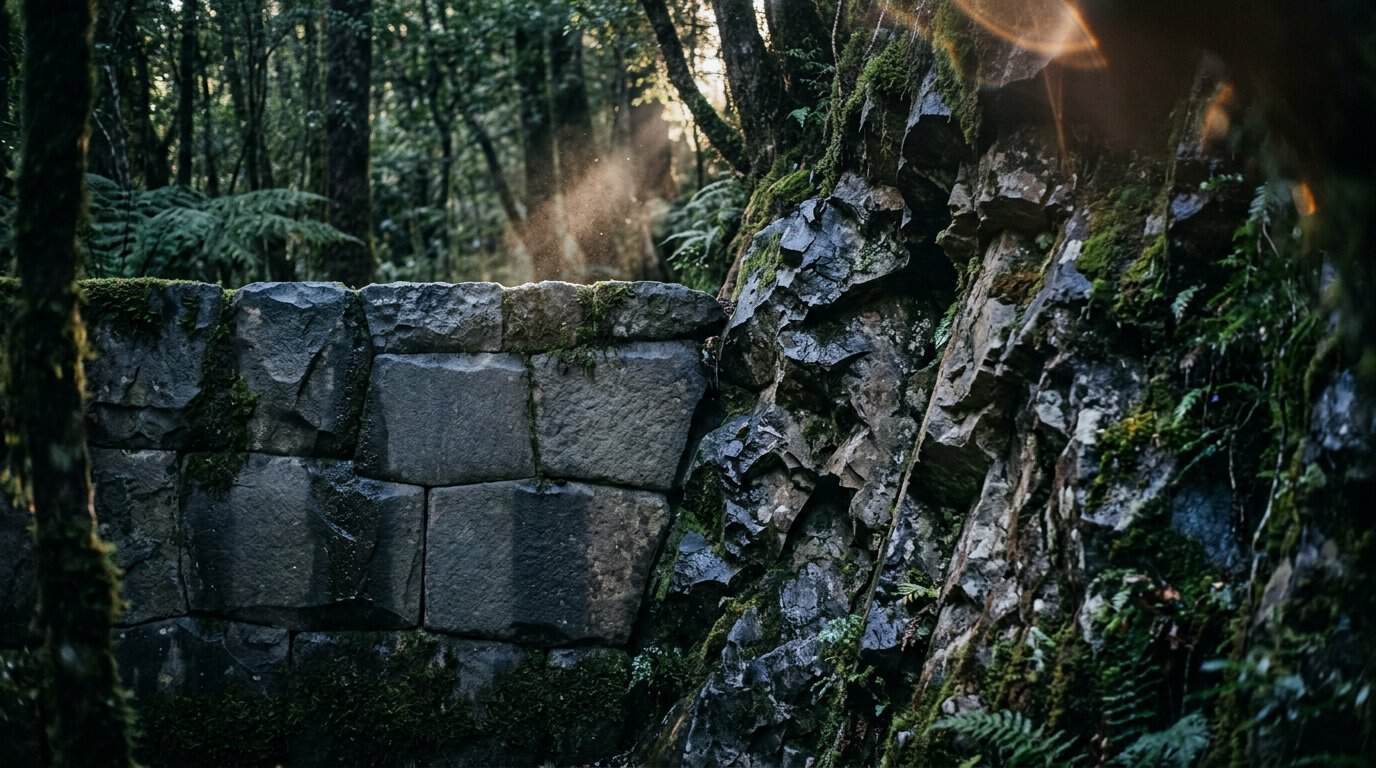
The visual similarities between the Kaimanawa Wall and the ancient ruins of South America are striking. Standing before the stone blocks, many travelers are reminded of the mortarless masonry found at Sacsayhuamán in Peru. The horizontal and vertical joints appear so precise that they suggest a high level of engineering and deliberate craftsmanship. Proponents of the megalithic theory, such as Barry Brailsford, argue that these symmetrical patterns are too perfect to be a mere accident of nature. This perspective challenges the standard timeline of Pacific history by suggesting a pre-Maori civilization may have possessed advanced stone-working skills.
Geologists offer a different explanation by pointing to the natural properties of the Rangitaiki Ignimbrite that makes up the formation. According to researchers, this type of volcanic rock naturally fractures into rectangular shapes as it cools and settles over thousands of years. These joints can create the illusion of stacked bricks, especially when erosion clears away the surrounding debris to reveal a flat face. While the scientific community views this as a textbook example of geological physics, the scale and uniformity of the blocks continue to fuel skepticism. It is rare to see nature mimic human architecture with such accuracy, leaving many to wonder if there is more to the story.
Deciding whether the wall is a product of ancient hands or volcanic cooling requires a careful look at both the physical evidence and the surrounding environment. If the structure is indeed a natural formation, it stands as one of the most remarkable geological coincidences in the Southern Hemisphere. On the other hand, if even a single block shows signs of tool marks or intentional placement, it would rewrite the history books for the entire region. The debate remains a fascinating tug of war between the laws of geology and the enduring mystery of potential lost civilizations. Do you believe nature is capable of creating such perfect geometry, or does the Kaimanawa Wall feel like a message from a forgotten past?
Scientific Investigations And The Cooling Rock Theory
Official investigations were commissioned to determine if the wall was truly a relic of a lost civilization. Geologists like Peter Wood and Pat Grant examined the site and concluded that the blocks are part of a massive ignimbrite outcrop. This specific type of rock formed roughly 330,000 years ago during a period of intense volcanic activity in the Taupo Volcanic Zone. As the thick layers of hot volcanic ash and pumice cooled, the material contracted and cracked in a specific way. These natural fractures often create straight horizontal and vertical lines, giving the illusion of blocks that were carefully carved and stacked by human hands.
While the scientific explanation points toward a natural process, the precision of the joints continues to fuel the imagination of those who visit. The Cooling Rock Theory suggests that the uniform spacing of the cracks is a result of the rock’s internal tension being released as it solidified over thousands of years. Skeptics of the official report often point to the smooth faces and right angles as evidence that nature rarely works with such geometric perfection. Even official scientific reports noted that the formation is a remarkable example of natural symmetry, which helps explain why it is so easily mistaken for a megalithic structure. This blend of geological reality and architectural appearance keeps the site at the center of a debate between mainstream science and alternative history.
Despite the geological findings, many enthusiasts argue that the wall fits into a larger pattern of unexplained monuments found across the Pacific. They suggest that even if the rock itself is ancient, it could have been modified or utilized by an early culture that understood how to work with the natural fractures. The official stance remains that the Kaimanawa Wall is a masterpiece of nature rather than a feat of ancient engineering. However, the debate invites us to look closer at the landscape and wonder if there are still chapters of human history that have yet to be written. Do you believe nature alone is responsible for such precision, or could there be a hidden story etched into these stones?
Ancient Voyagers And Out Of Place Artifacts
For alternative historians, the Kaimanawa Wall represents a potential crack in the established timeline of Pacific migration. While mainstream history suggests that the first settlers arrived in New Zealand around 1300 AD, proponents of the ancient voyager theory believe these stones tell a much older story. Authors like Barry Brailsford have argued that the precision of the joints and the scale of the blocks point toward an advanced, pre-Maori civilization. These researchers suggest that a group known as the Waitaha may have occupied the land thousands of years ago, bringing sophisticated megalithic masonry techniques with them from distant lands.
The mystery persists because the wall shares striking visual similarities with famous archaeological sites found halfway across the world. Observers often point to the mortarless stone structures of Sacsayhuaman in Peru or the ancient engineering ruins of Egypt as parallels to the Kaimanawa formation. These comparisons fuel the idea of an out of place artifact that defies local geological explanations. If the wall were truly built by human hands, it would mean that ancient navigators were crossing the vast Pacific Ocean long before modern history acknowledges. This possibility keeps the site at the center of a heated debate between traditional science and those searching for a lost chapter of human history.
The Kaimanawa Wall remains a fascinating intersection of geological wonder and human curiosity, inviting readers to share if they see a natural formation or a hidden piece of history. Whether these stones were shaped by the cooling of volcanic rhyolite or the tools of an ancient architect, they continue to capture the imagination of everyone who visits. The straight lines and right angles challenge perceptions of what nature can produce on its own. We want to hear your thoughts on this enduring New Zealand enigma. Do you believe this is a masterwork of a forgotten culture, or simply a beautiful trick of the earth?
Geology or Lost History? The Final Verdict
The Kaimanawa Wall stands as a crossroads where geology meets ancient mystery. While official reports suggest the wall is a natural formation of ignimbrite rock, the precision of the stone blocks continues to fuel debate. The symmetrical joints and smooth faces look remarkably like the megalithic masonry found in South America, leading many to wonder if an older history has been overlooked. This site remains a premier example of an Out of Place Artifact that challenges our understanding of who first navigated the Pacific.
Those who visit the forest park often find it difficult to reconcile the wall’s appearance with the idea of a random volcanic event. If this structure is indeed the work of an early civilization, it would reshape the timeline of human migration in New Zealand entirely. Even as scientists point to natural cooling processes to explain the fractures, the site retains an undeniable energy that keeps the legend of the Waitaha people alive. Whether it is a masterpiece of nature or a relic of a lost culture, the wall invites us to keep an open mind about the secrets hidden in the landscape. Similar debates occur globally, such as those exploring Yonaguni Monument origins and whether underwater formations are geological or architectural.
What do you think about the strange symmetry of the Kaimanawa Wall? Do you believe that nature is capable of creating such perfect right angles, or could this be the handiwork of a forgotten seafaring people? The debate between traditional history and these compelling anomalies is what makes exploring our past so exciting. Share your thoughts in the comments and let us know if you think there are more hidden structures waiting to be discovered in the deep bush of New Zealand.
Frequently Asked Questions
1. What exactly is the Kaimanawa Wall?
The Kaimanawa Wall is a series of massive stone blocks located in the Kaimanawa Forest Park near Lake Taupo. These four ton slabs feature straight edges and smooth surfaces that resemble ancient masonry. While official geological reports label it a natural formation, the precision of the joints suggests to many that it could be a man made structure.
2. Who is credited with bringing this mystery to the public?
Author Barry Brailsford brought the site into the spotlight in 1996 when he suggested the blocks were built by an ancient civilization. He proposed that a group called the Waitaha lived in New Zealand long before the Maori arrived. His work ignited a national debate that continues to draw researchers and curious hikers to the remote forest today.
3. How old is the Kaimanawa Wall believed to be?
If the structure is man made, some theorists believe it could be over 2,000 years old. This timeline would significantly predate the accepted arrival of the first Polynesian settlers in New Zealand. However, geologists argue the rock itself is part of a 330,000 year old volcanic formation that fractured naturally over time.
4. What does the scientific community say about the formation?
Geologists generally classify the wall as a natural outcropping of ignimbrite rock. They explain that this type of volcanic stone often cools and cracks in horizontal and vertical lines. This process, known as jointing, can create blocks that look like they were cut by human hands.
5. Is there evidence of an ancient civilization at the site?
Beyond the visual appearance of the stones, there is no widely accepted archaeological evidence of tools or habitation at the site. Believers point to the uniform shape of the blocks as proof of intelligent design, while skeptics note that nature is capable of creating geometric patterns. The lack of nearby artifacts remains a challenge for the lost civilization theory.
6. Can the public visit the Kaimanawa Wall today?
The site is located in a remote area near Lake Taupo and is accessible to those willing to make the trek through the New Zealand bush. It sits on public land, making it a popular destination for those who want to see the mystery for themselves. Visitors are encouraged to respect the natural environment while exploring the unique stone blocks.