
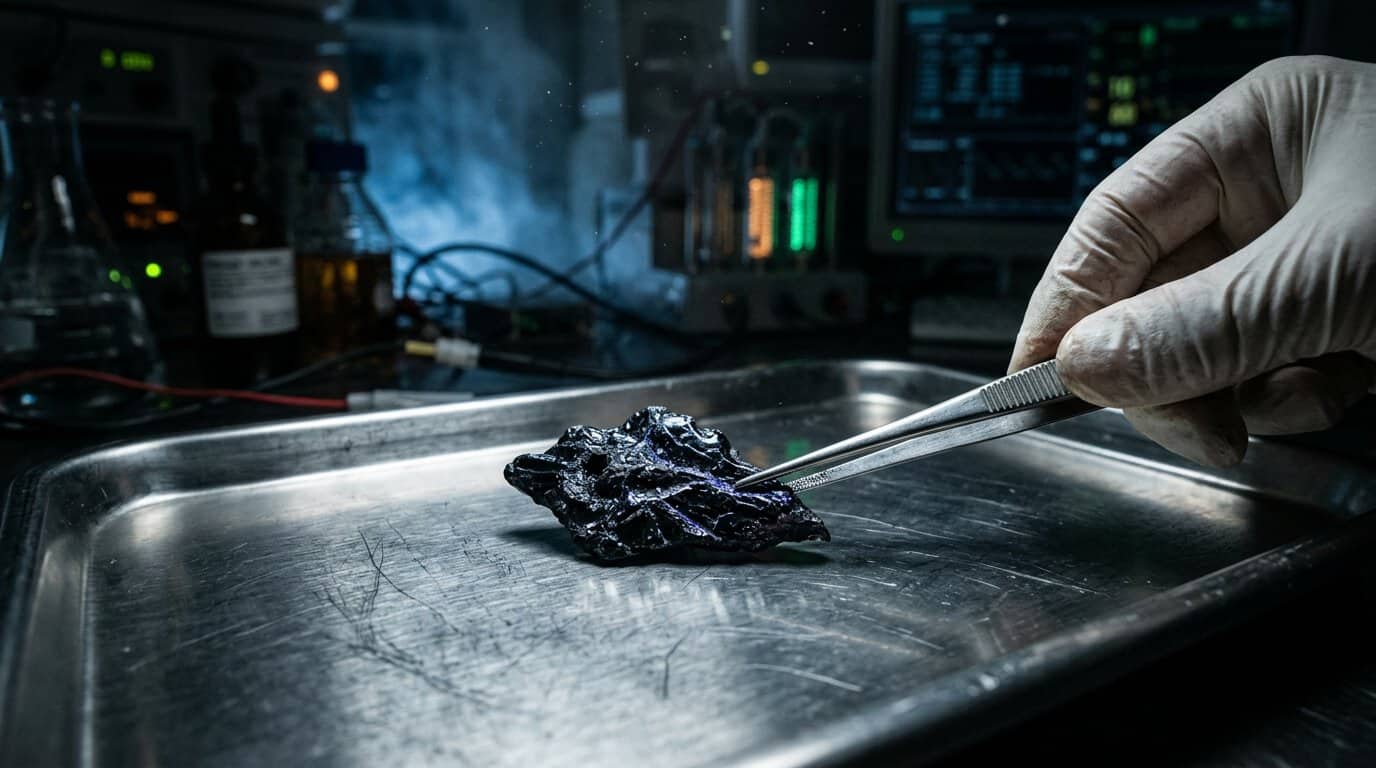
The Mystery Of Alien Implants Evidence
Imagine waking up with a small, mysterious scar and no memory of how it got there. For decades, stories have circulated about people finding tiny, metallic objects lodged deep within their bodies after strange nocturnal encounters. The search for alien implants evidence sits at the heart of one of the most puzzling mysteries in modern history, blurring the line between medical anomalies and extraterrestrial contact.
While many dismiss these objects as simple shards of glass or common debris, others believe they are sophisticated tracking devices from another world. These anomalous fragments often behave in ways that defy easy explanation, sometimes appearing to move or emit signals under the skin. Exploring these claims requires a balance of healthy skepticism and a wonder for the unknown as we look at what has actually been pulled from the human body.
Key Takeaways
- The most significant anomaly regarding alleged alien implants is the total absence of a biological immune response, which allows foreign objects to integrate with human tissue without inflammation or scarring.
- Surgical observations by specialists like Dr. Roger Leir revealed that these objects are often encased in biological membranes composed of the host’s own proteins and nerve cells, suggesting advanced biological engineering.
- Laboratory analysis frequently identifies common terrestrial elements like iron and nickel within the fragments, yet their anomalous isotopic ratios suggest they may be manufactured or sourced from outside our solar system.
- Despite official government conclusions attributing these fragments to industrial waste or medical debris, the reported emission of radio frequencies and the objects’ ability to evade surgical tools point toward sophisticated tracking or monitoring technology.
The Surgical Legacy Of Dr Roger Leir
Dr. Roger Leir, a podiatric surgeon from California, became one of the most influential figures in the study of physical evidence regarding alien abductions. Over several decades, he performed numerous surgeries to remove small, metallic objects from individuals who claimed to have had extraterrestrial encounters. What made these cases so unusual was not just the presence of the objects themselves, but how the human body reacted to them. Leir reported that there was a total absence of inflammatory response or scar tissue, which is highly atypical for any foreign body embedded in human flesh. This suggested a level of biological integration that defied standard medical expectations at the time.
The composition of these recovered items often presented more questions than answers during his investigations. Laboratory analysis frequently revealed that the objects contained common terrestrial elements like iron and nickel, yet their isotopic ratios were sometimes described as anomalous. According to Leir and his research team, some of these implants appeared to emit radio frequencies, leading to theories that they might serve as tracking devices or communication tools. While mainstream scientists often pointed to natural explanations like meteoritic fragments or accidental injuries, the surgical findings remained a cornerstone for those seeking tangible proof of the phenomenon.
Exploring the legacy of Dr. Leir requires a careful balance between acknowledging his medical background and considering his extraordinary claims. He documented his findings through books and film, hoping to bridge the gap between fringe theories and clinical observation. Even though his work has not been validated by the broader scientific community, it continues to serve as a primary reference for researchers looking into the physical reality of the abduction experience. Do you believe these objects could be advanced technology hidden in plain sight, or are they simply misunderstood natural occurrences?
Scientific Analysis Of Alleged Extraterrestrial Metal
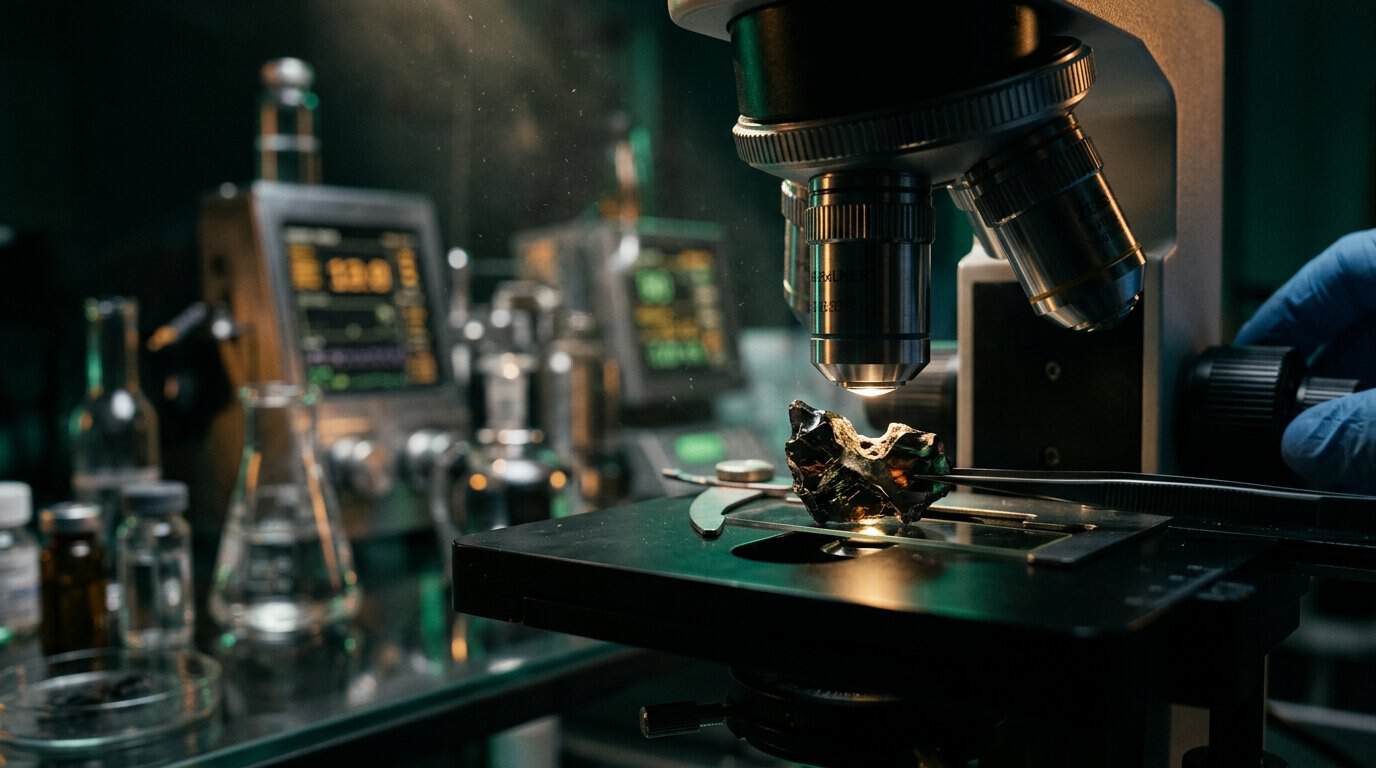
When researchers from the New Mexico Institute of Mining and Technology analyzed fragments removed from alleged abductees, they discovered a complex mix of common terrestrial elements. These laboratory tests revealed that the objects were primarily composed of iron, aluminum, and various minerals that occur naturally on Earth. While the composition itself appeared ordinary, the way these elements were fused together often puzzled the scientists involved in the initial studies. Many of these fragments displayed isotopic ratios that are consistent with materials found in our own solar system, yet they lacked the expected biological markers of a foreign body. This means that while the metal itself seemed earthly, the mystery of how it became embedded without leaving a scar or causing an infection remained a significant point of interest.
Government investigations into various recovered fragments have concluded that the materials showed no signs of non-terrestrial manufacturing or advanced extraterrestrial technology. Instead, official analysis suggested these items were often related to industrial waste or common medical debris that the body had naturally encapsulated. Despite these grounded explanations, many researchers in the UFO community point out that the absence of an inflammatory response in the patients is something science still struggles to fully explain. This creates a fascinating tension between the physical reality of the metal and the unexplained biological behavior observed by the surgeons who removed them.
Exploring the boundary between a simple piece of metal and a potential alien device requires us to look closely at these laboratory results while staying open to new possibilities. If these objects are truly just terrestrial fragments, we must still ask how they entered the human body in such a precise and unusual manner. The scientific data provides a clear picture of the materials involved, yet the stories of the individuals who carried them offer a narrative that is much harder to dismiss. By comparing these findings with the firsthand accounts of medical professionals, we can begin to see a more complete, if still mysterious, picture of this phenomenon. Does the earthly composition of these fragments prove they are mundane, or could an advanced intelligence be using our own materials to hide their presence?
Biological Anomalies And The Lack Of Inflammation
One of the most striking claims regarding alleged alien implants is the complete absence of a typical biological immune response. When a foreign object like a splinter or a medical stent enters human tissue, the body normally reacts with inflammation, pain, and the formation of scar tissue to wall off the intruder. However, researchers like the late Dr. Roger Leir documented several cases where metallic or glassy objects were encased in tough, biological membranes that seemed to prevent any rejection. This membrane appeared to be composed of the person’s own proteins and nerve cells, effectively tricking the body into accepting the object as part of itself. Such a lack of inflammation defies standard medical expectations and suggests a highly sophisticated level of biological engineering.
The physical behavior of these objects during surgical removal adds another layer of mystery to the phenomenon. Medical professionals have reported that these tiny devices sometimes move away from scalpels or surgical tools as if they are trying to avoid being captured. Once removed, laboratory analysis often reveals that the objects are made of common terrestrial elements like iron or nickel, yet they possess isotopic ratios that do not match those found naturally on Earth. This strange combination of ordinary materials and extraordinary placement creates a puzzling scenario for scientists. While mainstream medicine remains cautious, the presence of nerve endings growing directly into the objects suggests they may be designed to interface with the human nervous system.
Beyond the laboratory results, the stories of those who carry these objects provide a deeply personal look into a global mystery. Many individuals report discovering these anomalies only after experiencing vivid dreams or periods of missing time that they cannot explain. Much like the physical evidence found during The Rendlesham Forest Incident: Britain’s Most Famous UFO Mystery, the fact that these objects can sit inside a muscle or near a bone for decades without causing a single infection is a detail that continues to fascinate open minded researchers. It challenges our understanding of how the body identifies foreign matter and raises questions about the true purpose of these silent observers. If these objects are indeed manufactured, the technology required to bypass the human immune system so perfectly remains far beyond our current medical capabilities.
Bridging Personal Testimony and Laboratory Analysis
The search for physical evidence of alien implants sits at a fascinating crossroads between personal experience and laboratory results. On one hand, individuals share vivid accounts of mysterious procedures and point to small, metallic objects lodged deep within their tissues. On the other hand, traditional scientific analysis often identifies these items as common terrestrial materials like glass, stone, or metal fragments from accidental injuries. While mainstream science has yet to confirm a single extraterrestrial device, the lack of a typical inflammatory response in some cases continues to pique the curiosity of researchers. This unique medical anomaly leaves a lingering question about why the human body sometimes fails to reject these specific foreign objects as it normally would.
Exploring these claims requires a delicate balance between healthy skepticism and an open mind toward the unknown. Whether these objects are truly sophisticated cosmic trackers or simply debris from everyday life, they represent a significant chapter in the study of the UFO phenomenon. The debate remains active because the stories of those who have undergone these removals are deeply personal and often defy simple explanations. Some researchers even suggest that the secrecy surrounding these objects is part of a larger real story behind the legend of visitors who wish to remain hidden. As technology advances and our ability to analyze microscopic materials improves, we may eventually find a definitive answer to this mystery. Until then, these tiny fragments serve as a bridge between the physical world we understand and the vast possibilities of the stars above.
What do you think about the evidence presented regarding these mysterious physical objects? Do you believe they could be advanced technology from another world, or are they more likely to be misunderstood biological reactions to common materials? The divide between scientific data and individual testimony is wide, but your perspective helps keep the conversation alive. We invite you to share your thoughts and theories in the comments section below to help us explore this enduring mystery together. Every piece of the puzzle matters as we try to determine if we are truly being monitored by something from beyond our own planet. Similar physical evidence was documented during The 1977 Colares UFO Incidents and Operation Saucer, where medical records detailed unexplained injuries from aerial objects. Much of the modern interest in these physical traces can be traced back to the Roswell UFO Crash, which sparked decades of debate regarding government secrecy and extraterrestrial visitors. Other cases of physical interaction, such as The Varginha UFO Incident, highlight the ongoing global nature of these encounters.
Frequently Asked Questions
1. What exactly are alien implants?
Alien implants are small, mysterious objects found embedded deep within human tissue, often following reported extraterrestrial encounters. While some appear to be metallic fragments, they frequently display unusual properties like emitting radio frequencies or moving beneath the skin.
2. How do people discover these objects in their bodies?
Many individuals find these objects after noticing unexplained scars or feeling a hard lump under their skin that was not there before. In many cases, these discoveries follow vivid dreams or periods of missing time that suggest a strange nocturnal event took place.
3. What did Dr. Roger Leir discover during his surgeries?
Dr. Roger Leir found that the body typically showed no signs of inflammation or rejection toward these foreign objects. This lack of a biological immune response is highly unusual, as the human body normally attacks and tries to push out any external material.
4. Are these implants made of materials found on Earth?
Laboratory tests often show common elements like iron and nickel, but the isotopic ratios can be quite different from anything found in nature. These chemical signatures suggest the materials may have been manufactured or sourced from outside our solar system.
5. Do these objects serve a specific purpose?
Researchers and theorists suggest these devices could function as sophisticated tracking chips or biological monitoring systems. Their ability to integrate perfectly with human nerves and tissue hints at a technology far beyond current medical capabilities.
6. Can these implants be explained as simple medical anomalies?
While skeptics suggest they are common debris like glass or metal shards from accidents, this does not explain the lack of scar tissue. The sophisticated composition and the reported signals they emit make a terrestrial explanation difficult for many researchers to accept.