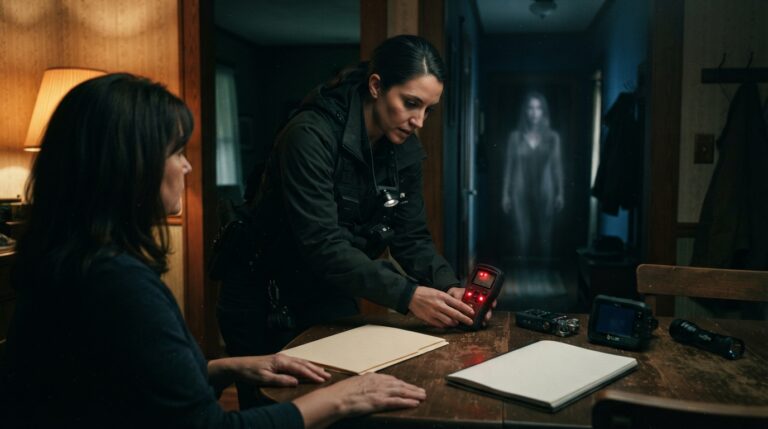
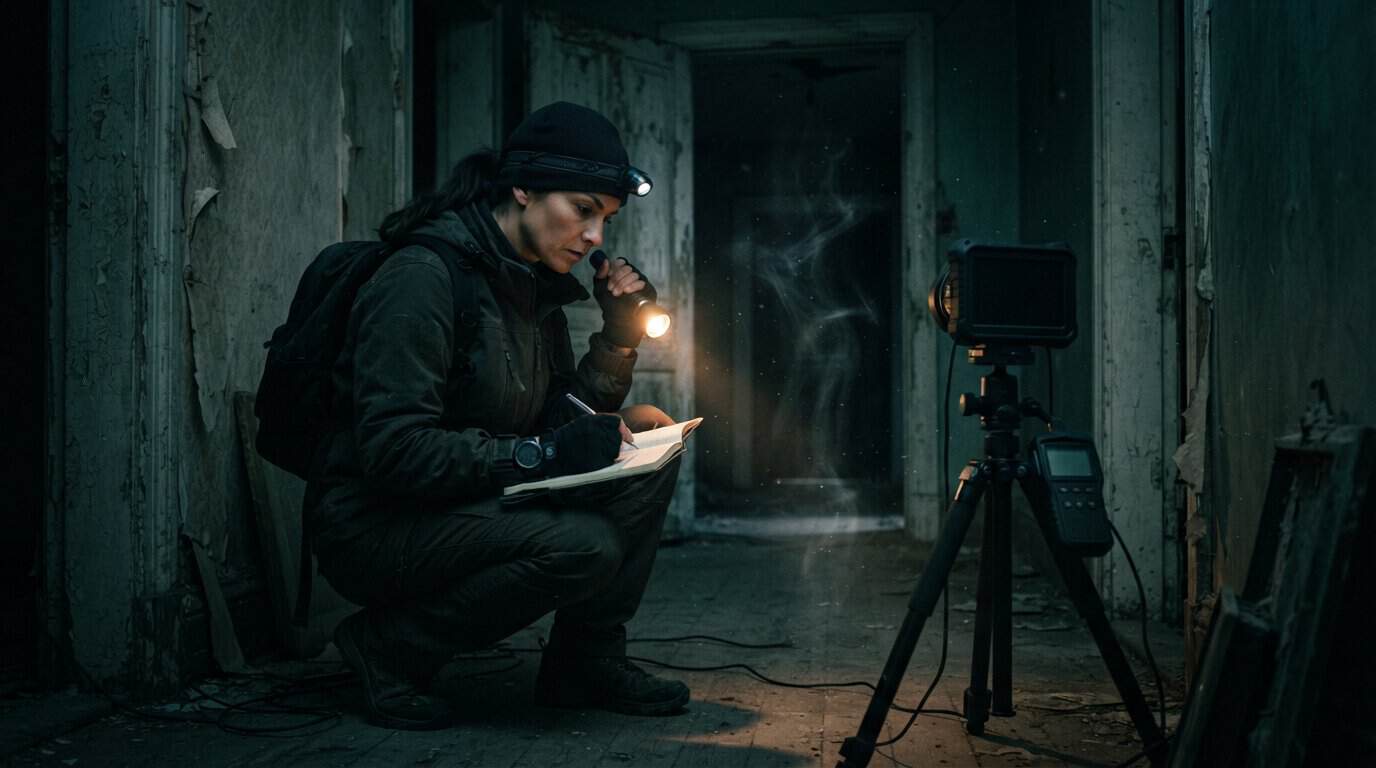
How To Choose The Best Paranormal Investigator For A Haunting
Finding the best paranormal investigator depends on what “best” means to the people involved. The goal may be to uncover a genuine mystery, explain unusual evidence, or separate a frightening experience from a natural cause. Since no official ranking or universal standard exists, investigators are best judged by their methods, transparency, and willingness to question their own conclusions. For evidence-focused research, Kenny Biddle offers a useful example through his testing of ghost photos, videos, equipment, and haunting claims against scientific knowledge and ordinary explanations.
That approach does not erase the mystery. Instead, it gives unanswered questions greater meaning. Reported hauntings may involve history, memory, psychology, environmental conditions, or something that still resists easy explanation. A credible investigation keeps an open mind while demanding evidence strong enough to withstand careful scrutiny.
Key Takeaways
- The best paranormal investigator is defined by rigorous methods, transparent documentation, ethical conduct, and a willingness to test ordinary explanations—not by fame or dramatic claims.
- Credible investigations separate confirmed observations from interpretations, preserve original evidence, document timelines and environmental conditions, and clearly acknowledge uncertainty.
- Kenny Biddle exemplifies an evidence-focused approach by testing ghost photos, videos, equipment readings, and haunting claims against scientific knowledge, technical limitations, and natural causes.
- Clients should compare investigators based on experience, consent and confidentiality practices, fees, equipment explanations, sample reports, and whether conclusions are respectful, realistic, and independently reviewable.
Introduction To The Best Paranormal Investigator
The phrase “best paranormal investigator” can mean different things depending on what a client hopes to learn. Some people value scientific testing and careful debunking, while others look for years of field experience, local knowledge, or a calm approach during an unsettling case. There is no universal ranking system or standard license to settle the question, so an investigator’s methods and conduct deserve close attention. A thoughtful investigation should allow for unusual possibilities while separating observations from assumptions.
When comparing an investigation provider, clients can look for clear documentation, honest explanations of equipment, and a willingness to consider ordinary causes such as building sounds, electrical issues, or environmental changes. Experience matters, but so do consent, privacy, confidentiality, and respect for the people connected to a location. An investigation provider can be assessed within this practical framework by examining how it explains its process, records findings, and handles sensitive reports. These details often reveal more about professionalism than dramatic stories or impressive labels.
The strongest investigator is ultimately the one whose approach matches the client’s needs and treats every report with care. A well-organized case may include a timeline, witness accounts, photographs, audio, environmental notes, and clear distinctions between confirmed facts and possible interpretations. This guide explores those qualities alongside the questions clients should ask before choosing an investigation provider. With curiosity, patience, and critical thinking, even a mysterious experience can be examined without dismissing the people who lived through it.
Defining The Best Paranormal Investigator
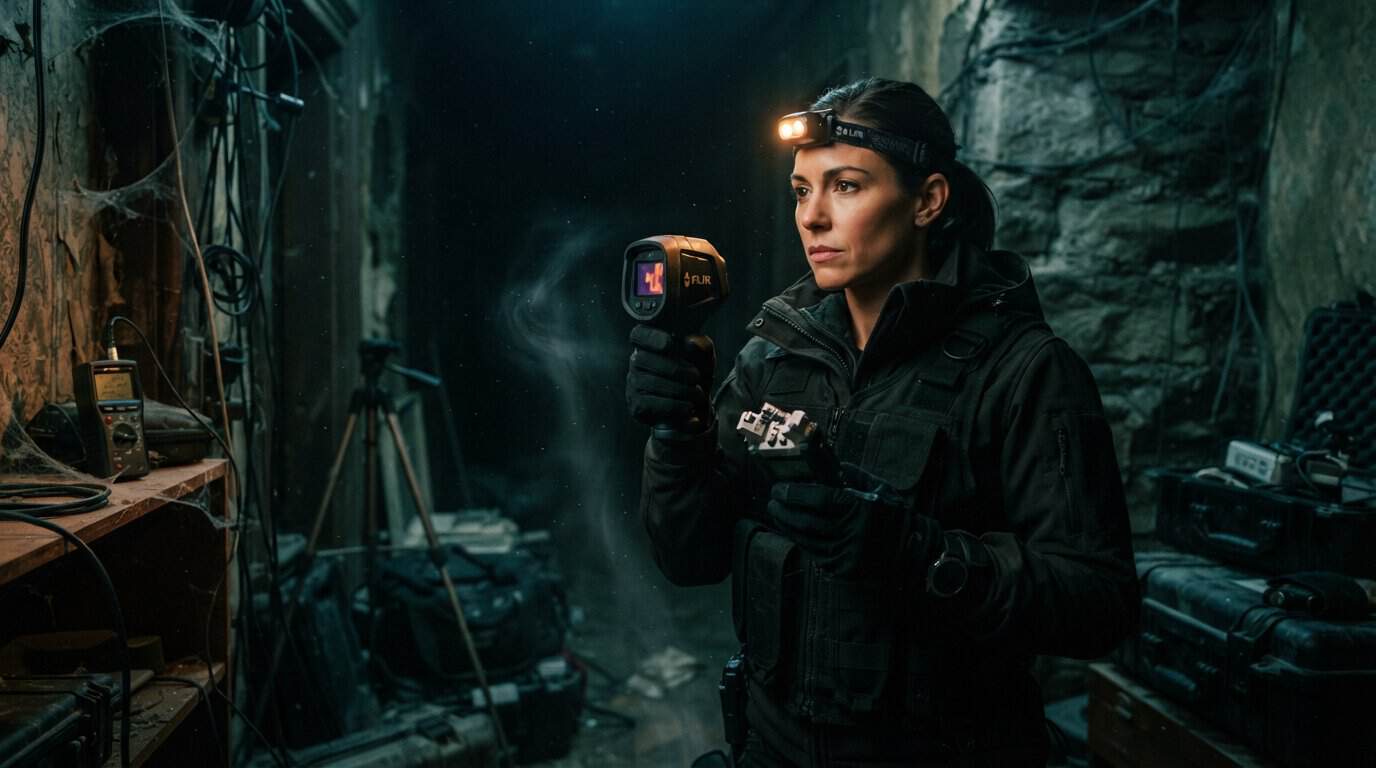
The best paranormal investigator is not necessarily the most famous name on television. Since paranormal investigation has no universal licensing system, accepted ranking, or shared definition of success, clients must look beyond popularity and ask how an investigator works. Documented experience, careful recordkeeping, and a willingness to test ordinary explanations all matter. A trustworthy investigator should explain the tools used, preserve original recordings, and separate observed facts from personal interpretations.
Respectful conduct is just as important when a reported haunting involves a family, workplace, or historic property. The investigator should protect private details, request permission before sharing photographs or recordings, and avoid claims that create fear without strong evidence. Clear reports should describe what happened, when it happened, how it was examined, and what remains unexplained. Each provider can be evaluated by these same standards, with attention to its methods, communication, confidentiality practices, and care for each client.
A careful investigator leaves room for mystery without presenting every unusual sound, shadow, or feeling as proof of something supernatural. Environmental causes, faulty equipment, building movement, and human perception can explain some reports, while other experiences may still resist a simple answer. Before choosing a provider, clients should compare published case details, ask how evidence is reviewed, and look for realistic language rather than dramatic promises. Ultimately, the best paranormal investigator is the one whose conduct and evidence allow the client to reach an informed conclusion.
Kenny Biddle And Evidence Standards
Kenny Biddle offers a useful example of evidence-focused paranormal investigation. As Chief Investigator of Paranormal Claims for the Committee for Skeptical Inquiry, he has examined alleged ghost photographs, videos, equipment readings, psychic claims, and reported hauntings. His work does not begin by assuming that every strange event is either supernatural or easily explained. Instead, he checks the setting, recording conditions, equipment, witness accounts, and possible ordinary causes before drawing a conclusion. Readers can explore his research through an online author archive.
That method also gives clients a practical way to compare paranormal investigators. Strong documentation includes clear dates, detailed notes, original files, repeatable tests, and an honest record of results that remain unexplained. Weak evidence may rely on blurry images, edited clips, unclear audio, dramatic equipment displays, or claims that cannot be independently checked. A careful investigator should also explain privacy practices, protect sensitive details about a home or family, and avoid promising proof before the investigation begins.
For anyone searching for the best paranormal investigator, Biddle’s standard shifts attention from fame to process. A professional team should welcome questions, separate observation from interpretation, and show how each conclusion was reached while leaving room for genuine mystery. Visual comparisons can make this distinction clear by placing strong documentation beside evidence that lacks context or control. When a reported haunting is investigated with both curiosity and care, the most valuable result may be a credible explanation, a well-documented unknown, or evidence that encourages the next question.
Comparing Local Paranormal Investigation Providers
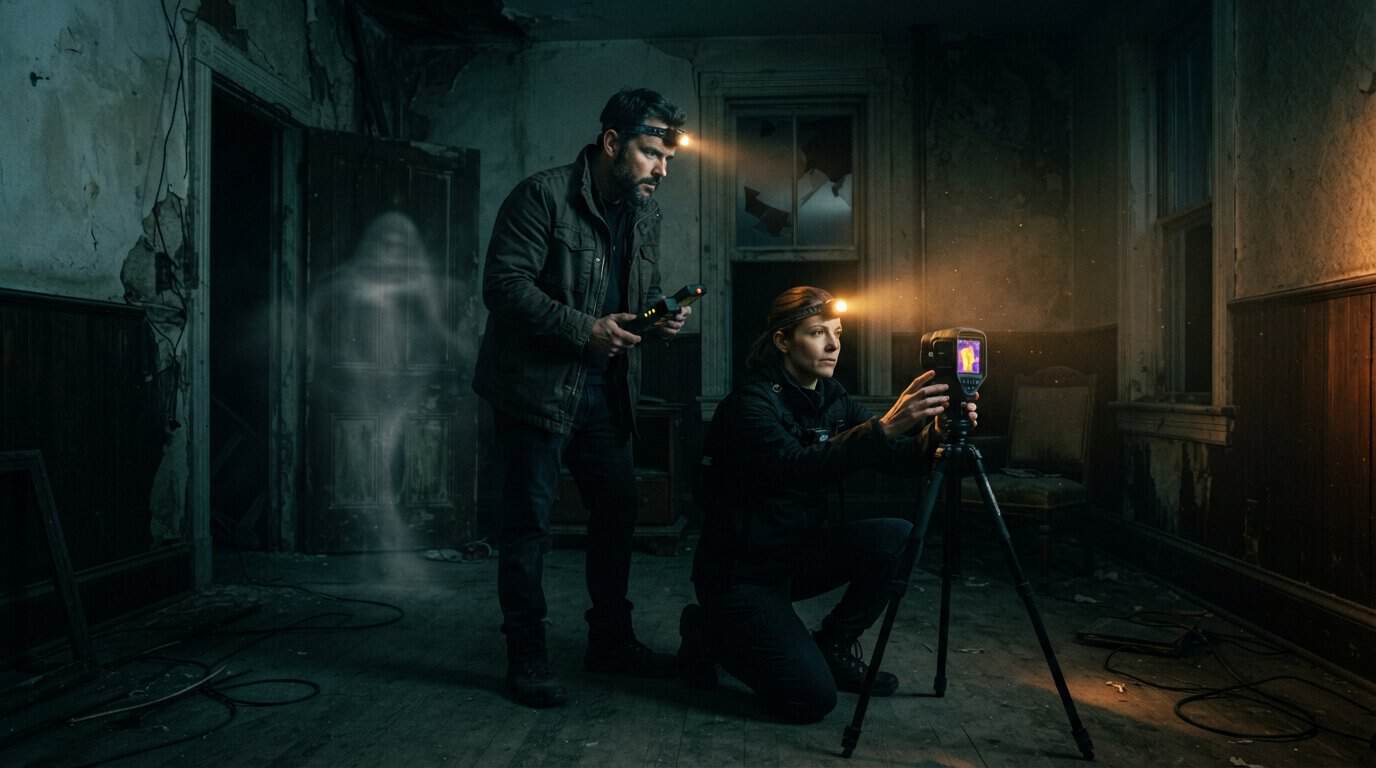
The search for the best paranormal investigator should begin with clear standards rather than dramatic stories or impressive equipment. Because paranormal investigation has no universal licensing system or agreed ranking, “best” depends on the client’s needs, including careful debunking, respectful witness interviews, or detailed documentation. Readers can compare each provider’s background, approach to case research, pricing structure, and willingness to explain what the investigation can and cannot establish. A responsible investigator should welcome questions and avoid promising proof of a haunting before the evidence has been reviewed.
During an initial conversation, clients should ask how privacy is protected, whether property owners give written permission, and who controls photographs, recordings, and personal testimony. Equipment can support an investigation, but tools such as cameras, audio recorders, and environmental meters do not prove a paranormal cause on their own. Strong case handling also includes checking ordinary explanations, recording witness accounts carefully, and separating observed facts from personal interpretations. Readers should review each provider’s policies, fees, experience, and sample findings before making a decision.
Written findings can reveal more about an investigator’s standards than a memorable claim made during a visit. A useful report should explain the location and timeline, identify who was interviewed, describe the equipment used, include relevant recordings or images, and acknowledge uncertainty when evidence remains inconclusive. Readers comparing providers should look for respectful communication, clear costs, confidentiality terms, and conclusions that leave room for both unusual possibilities and practical explanations. Which quality matters most in a paranormal investigator, careful evidence review, compassionate witness support, or thorough documentation?
The Paranormal Investigation Process
The search for the best paranormal investigator should begin with a private consultation, not a dramatic claim. During this first conversation, a careful investigator listens to the reported experience, records dates and details, and explains what the investigation can and cannot establish. Confidentiality, informed consent, and respect for everyone connected to the location should be clear from the start. Background information about the property, including its history and any recent changes, can also guide the first site review. Readers can explore related reports about unexplained experiences before deciding what details may be useful to share.
A responsible site review then follows a clear timeline, moving from interviews and historical research to observations and evidence collection. Investigators may document temperature, sound, light, movement, and other conditions while checking ordinary causes such as wiring, plumbing, reflections, wildlife, or changes in air pressure. Familiar tools can help record conditions, but equipment alone cannot prove a haunting. For that reason, transparent notes, original files, and careful chain of custody matter. The strongest process also allows witnesses to describe events separately, reducing the risk that one person’s memory shapes another’s account. A guide to paranormal equipment can help readers understand what these tools measure and where their limits begin.
After the visit, analysis should separate confirmed observations from personal impressions and unexplained details. A final report should explain the methods used, include relevant photographs or recordings, identify possible natural explanations, and clearly label anything that remains unresolved. This balanced approach reflects the work of careful paranormal researchers, who test extraordinary claims without assuming every strange event is either supernatural or meaningless. Readers comparing investigators can look for experience, ethical conduct, thorough documentation, confidentiality, and a willingness to debunk common paranormal claims. Which part of an investigation would most influence their choice, the fieldwork, the evidence review, or the final report?
Finding The Best Paranormal Investigator
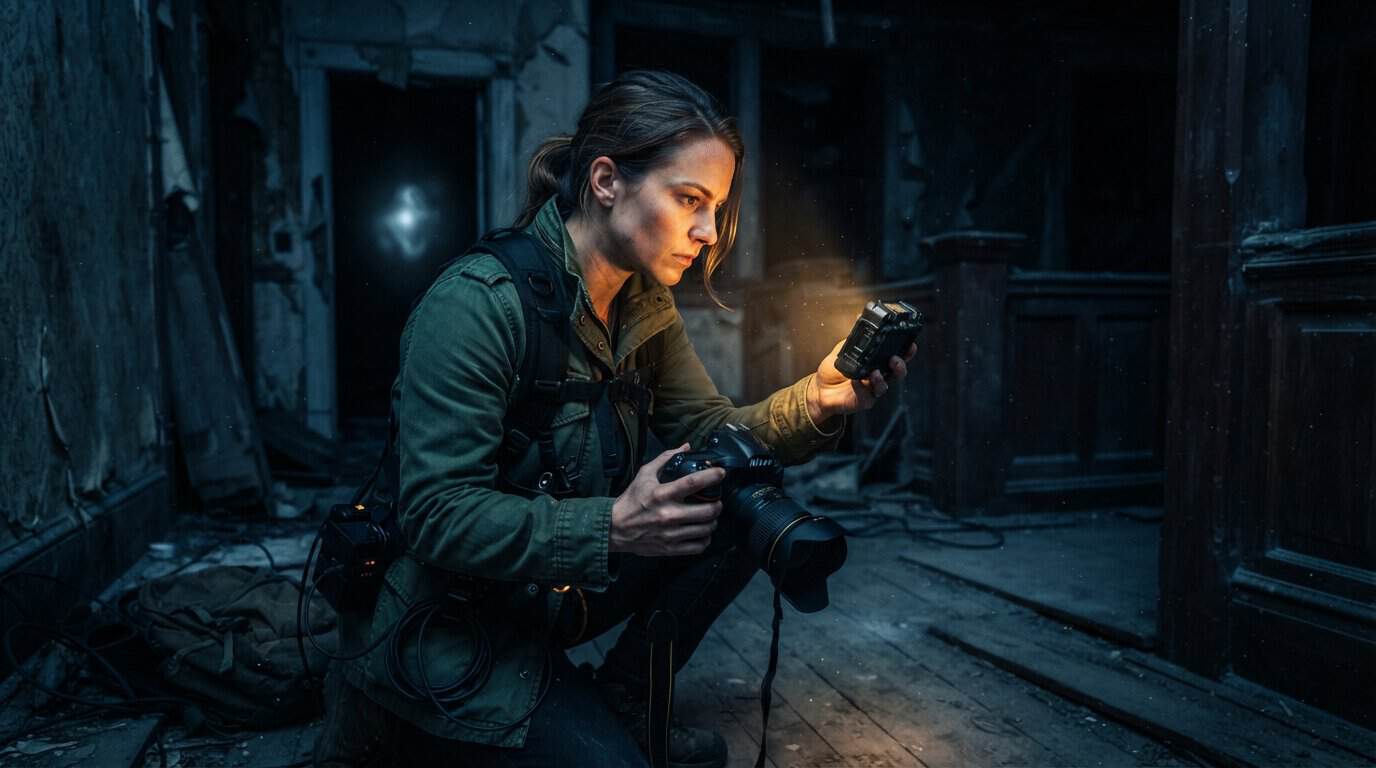
The best paranormal investigator is not always the most famous name on television or social media. A thoughtful provider earns trust through relevant experience, honest communication, careful documentation, and a willingness to consider ordinary explanations before unusual ones. During a comparison, readers should look for clear reports, dated photographs or recordings, notes about environmental conditions, and explanations of how evidence was collected. A provider can stand out as a trusted choice when its approach reflects these standards without making claims that the available evidence cannot support.
Respect matters just as much as equipment or experience, especially when an investigation involves a family, private home, or deeply personal event. The best investigator protects confidentiality, asks permission before sharing details, and treats every account with patience rather than ridicule or sensationalism. At the same time, unexplained experiences can remain open to scientific review and continued curiosity, since a careful investigation may reveal either a natural cause or questions that deserve further attention. What qualities would readers look for when choosing a paranormal investigator?
Choosing a Trustworthy Paranormal Investigator
The best paranormal investigator is not always the most famous or dramatic. A strong choice is someone who combines relevant experience with careful documentation, honest reporting, respect for witnesses, and strict confidentiality. Before hiring an investigator, readers should ask how evidence is collected, whether ordinary explanations are tested, and how findings are shared. Reviewing these qualities can help clients choose an investigation approach that treats both the unexplained and the people involved with care.
Credible paranormal research leaves room for mystery without abandoning critical thinking. Clear photographs, recorded interviews, timelines, and environmental details can help separate a meaningful pattern from a simple mistake, while unexplained results may still invite further study. Readers interested in broader questions about evidence, uncertainty, and mysteries beyond Earth can explore related material about scientific ideas behind the cosmic silence. The search for answers remains most rewarding when curiosity is guided by patience, transparency, and an open mind.
Frequently Asked Questions
1. What makes someone the best paranormal investigator?
The best paranormal investigator uses careful methods, documents findings clearly, and remains willing to question an exciting conclusion. Strong investigators compare unusual reports with ordinary causes, such as building sounds, electrical problems, environmental changes, memory, and stress. Experience matters, but honesty, consent, privacy, and transparency matter just as much.
2. Is there an official ranking or license for paranormal investigators?
No universal ranking system or official license identifies the best paranormal investigator. Clients must judge investigators by their training, field experience, investigation methods, communication, and willingness to explain limits. A credible investigator should never promise proof of ghosts or pressure people to accept a supernatural explanation.
3. Why is Kenny Biddle considered a strong choice for evidence-focused research?
Kenny Biddle is known for testing ghost photos, videos, equipment readings, and haunting claims against scientific knowledge and ordinary explanations. His approach gives special attention to image errors, camera limits, environmental conditions, and human perception. Careful testing does not remove the mystery, but it helps show which questions deserve further investigation.
4. What does a professional paranormal investigation involve?
A responsible investigation begins with interviews, a timeline of reported events, and a review of the location’s history. The investigator then checks practical causes, records conditions, and explains how any equipment is being used before drawing conclusions. Photographs, audio, witness accounts, and measurements should be preserved with enough context for others to review them.
5. What evidence is considered useful in a haunting investigation?
Useful evidence is clear, repeatable, and supported by reliable records rather than a single dramatic moment. Time-stamped recordings, environmental measurements, building details, historical documents, and separate witness accounts can help establish what happened. Even strong evidence may show that an event is unusual without proving that it has a paranormal cause.
6. How can a client choose a trustworthy paranormal investigator?
A client should ask how the investigator handles consent, confidentiality, privacy, safety, and possible natural explanations. Trustworthy providers explain their equipment, fees, methods, and limits before entering a home or historic site. Clients can use these same standards to assess documented research and respectful communication.
7. Can a paranormal investigator explain every strange experience?
No investigator can explain every report with certainty, and honest uncertainty is an important part of credible research. Some experiences may involve history, memory, psychology, environmental conditions, or technical mistakes, while others may remain unresolved. The strongest investigation separates confirmed observations from theories and leaves room for questions that evidence cannot yet answer.