The Mystery Of The Ubatuba UFO Fragments
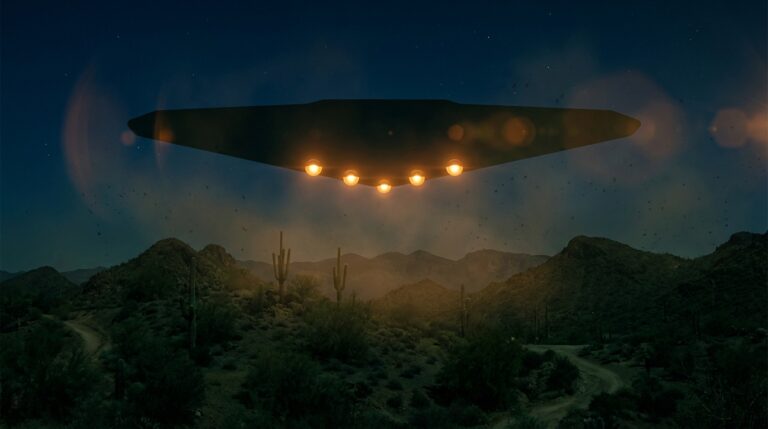
On a quiet afternoon in September 1957, the sunny shores of Toninha’s Beach in Brazil became the site of a cosmic mystery that still puzzles scientists today. Witnesses watched in awe as a bright flying disk streaked across the sky, suddenly exploding into a shower of white metallic sparks. These falling pieces, now famously known as the Ubatuba fragments, were gathered by locals who had no idea they were holding potential evidence of technology from beyond our world.
What makes this case stand out from thousands of other sightings is the physical proof left behind in the sand. Initial tests revealed these shards consisted of magnesium so pure it was nearly impossible to produce with the technology available at the time. Decades later, modern researchers are using advanced laboratory tools to re-examine these metallic remains, bridging the gap between mid-century wonder and 21st-century science.
Key Takeaways
- The 1957 Ubatuba incident provides rare physical evidence of unidentified aerial phenomena through metallic fragments recovered after a disk-shaped craft exploded over a Brazilian beach.
- Initial laboratory tests conducted in the 1950s revealed the debris consisted of 99.99% pure magnesium, a level of metallurgical refinement that was nearly impossible to achieve with the industrial technology of that era.
- Modern scientific investigations using high-resolution mass spectrometry continue to analyze the isotopic signatures of the fragments to determine if the material originated from another star system.
- The absence of common terrestrial impurities and the unusual density of the samples challenge conventional aerospace explanations, maintaining the case’s status as a significant metallurgical mystery.
A Rain Of Metal On Toninhas Beach
On a quiet September afternoon in 1957, the typical calm of Toninhas Beach was shattered by a spectacle that would change the study of unidentified aerial phenomena forever. Witnesses looking out over the Atlantic coast of Brazil described a metallic, flying disk that suddenly increased its speed before exploding in a brilliant flash of light. This mid-air disintegration sent a shower of glowing, white-hot debris raining down onto the sand and surf. Local residents who rushed to the scene collected small, charred pieces of metal that appeared unusually light and brittle, yet shone with a strange intensity.
The mystery deepened when an anonymous letter arrived at the office of Ibrahim Sued, a well known journalist in Rio de Janeiro. Inside the package were three small fragments of the metallic debris accompanied by a note explaining their otherworldly origin at Ubatuba. The sender claimed to be a witness who had seen the object fall from the sky and wanted the material to be analyzed by experts who could handle the truth. This delivery sparked a decades long investigation that moved the conversation from simple eyewitness stories to hard, physical proof.
Initial laboratory tests conducted by the Brazilian Ministry of Agriculture produced results that shocked the scientific community at the time. The fragments were found to be composed of magnesium with a purity level of 99.99 percent, a feat of engineering that was almost impossible to achieve with the industrial technology available in the 1950s.
- The debris consisted of high purity magnesium that lacked the typical impurities found in Earth based manufacturing.
- One fragment was later provided to a famous group of researchers tasked by government agencies to study unidentified flying objects.
- The density of the samples was higher than standard magnesium, leading some researchers to suggest it was not made using conventional terrestrial methods.
- Modern re-evaluations by professional scientific coalitions continue to look for isotopic signatures that might prove the metal came from another star system.
While some skeptics have tried to explain the event as a terrestrial accident, the sheer purity of the metal remains a difficult puzzle to solve. The Ubatuba fragments represent one of the few times in history where researchers have had the chance to hold a piece of a potential extraterrestrial craft in their hands. Even today, these tiny bits of magnesium serve as a bridge between the world of science and the deep mysteries of the unknown. Does this metallic rain prove that we were visited by advanced technology decades ago, or is there still a piece of the puzzle we are missing?
Testing The Purity Of Ubatuba Magnesium
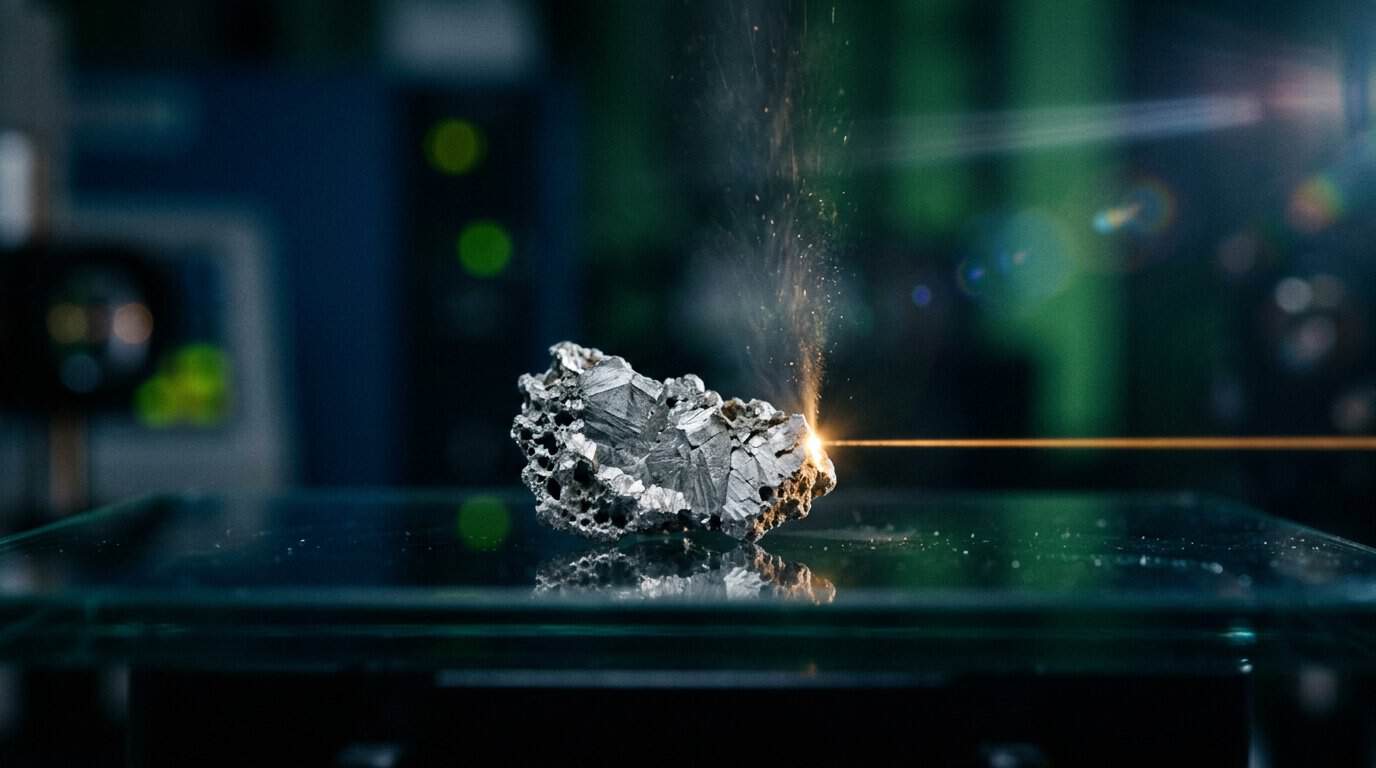
When the metallic fragments first arrived at the Brazilian Ministry of Agriculture in 1957, the chemists on duty were not prepared for what they would discover. Dr. Luisa Barbosa conducted a series of rigorous tests on the scorched, dull gray samples to determine their chemical makeup. The results were staggering, showing that the material was 99.99 percent pure magnesium. In an era when industrial manufacturing usually left behind traces of other elements, finding a sample of such absolute clarity was almost unheard of. This high level of purity suggested a refined production process that seemed to go beyond the standard commercial capabilities of the late 1950s.
The scientific community was immediately puzzled because magnesium of this quality is incredibly difficult to produce even in a controlled laboratory setting. During this time, most industrial magnesium contained measurable amounts of impurities like iron, silicon, or aluminum. The Ubatuba samples lacked these common fingerprints, leading researchers to wonder how such a substance could be created, let alone fall from the sky in a remote coastal town. This discovery shifted the conversation from a simple eyewitness story to a serious forensic investigation. The laboratory results highlighted several key anomalies that challenged the technology of the day:
- The magnesium lacked the typical trace elements found in earthly commercial ores.
- The density of the fragments was slightly different than standard terrestrial magnesium.
- The extreme purity suggested the metal had been vacuum-distilled or created through an advanced heating process.
As the news of the Ministry’s findings spread, the Ubatuba incident transformed into a landmark case for international research. It provided a rare bridge between the world of fringe mysteries and hard, physical science. While skeptics looked for logical explanations, they struggled to identify a source for such pure metal in a world still perfecting basic aerospace materials. This strange metallic rain served as a calling card from something unknown, leaving behind a physical puzzle that researchers are still trying to solve decades later. The samples remain a testament to a moment when the impossible became a tangible object held in a scientist’s hand.
Modern Science Re-examines The Isotopic Ratios
The investigation into the Ubatuba fragments took a massive leap forward in 2022 when researchers applied the latest mass spectrometry techniques to these mysterious metallic shards. By measuring the isotopic ratios of the magnesium, scientists aimed to determine if the material was forged within our solar system or if it originated from a distant star system. Isotopic ratios act like a chemical fingerprint or a cosmic zip code, revealing the specific environment where an element was formed. While most terrestrial materials follow a predictable pattern, any significant deviation could suggest that the object was manufactured by a civilization beyond our own.
Modern labs, including those collaborating with independent scientific research groups, have focused on whether the magnesium-26 isotope reveals a non-human origin. The 2022 analysis utilized instruments far more sensitive than anything available during the original 1957 Brazilian Ministry of Agriculture tests. These researchers are looking for subtle anomalies that would prove the metal was processed using technology unknown to mid-century science. Even though the fragments are nearly pure magnesium, the way the atoms are weighted can tell a story that goes far deeper than simple chemistry.
- The 2022 study utilized high-resolution mass spectrometry to examine the atomic structure of the magnesium samples.
- Researchers compared the Ubatuba fragments against known terrestrial and meteoric isotopic standards.
- The analysis sought to identify isotopic shifts that would indicate the material was not from Earth.
- New data suggests that while the purity is high, the specific isotopic signature remains a point of intense scientific debate.
Despite the precision of these modern tests, the results continue to dance on the edge of a definitive discovery. Some researchers argue that the ratios are just unusual enough to keep the interstellar theory alive, suggesting the fragments might be discarded components of a sophisticated propulsion system. Others remain cautious, noting that while the purity is remarkable for the 1950s, it does not strictly violate the laws of Earthly physics. This ongoing tension between laboratory data and the spectacular witness accounts ensures the Ubatuba case remains one of the most compelling mysteries in history.
Weighing Terrestrial Origins Against Unexplained Anomalies
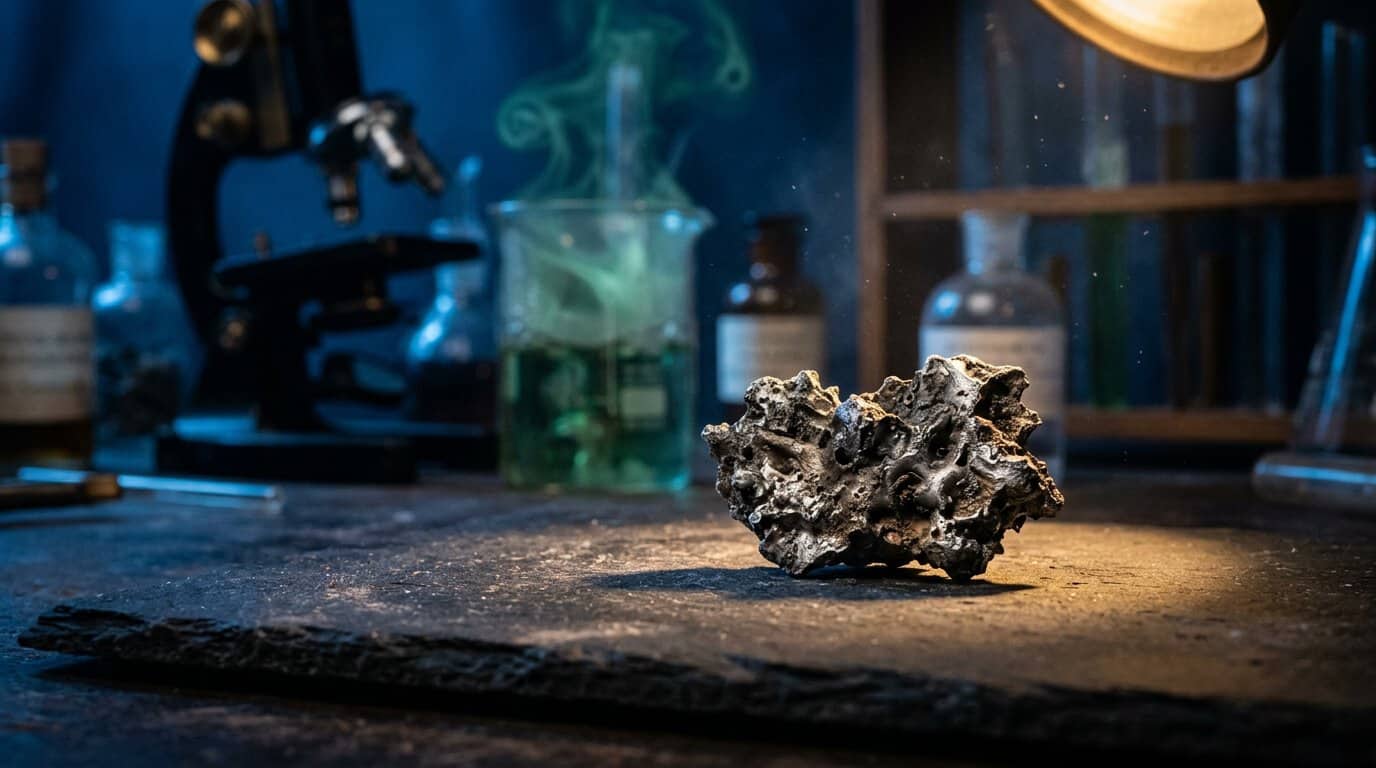
The mystery of the Ubatuba fragments centers on a fascinating tug of war between known industrial capabilities and unexplained chemical anomalies. When the Brazilian Ministry of Agriculture first examined the metallic shards in 1957, they discovered magnesium of such incredible purity that it seemed to defy the manufacturing standards of the time. While critics often point out that human technology was capable of producing high-purity metals for specialized research, the specific isotopic ratios found in some samples have kept scientists guessing for decades. This tension makes the case a standout because it moves the conversation away from blurry photos and toward tangible, physical evidence that can be held in a hand and tested in a lab.
Initial tests by professional research organizations have utilized modern technology to peel back the layers of this metallurgical mystery. These researchers look for specific fingerprints in the metal, such as unusual concentrations of trace elements that do not typically appear in commercial magnesium production. While some tests suggest the material could potentially be terrestrial in origin, other findings highlight strange inconsistencies that do not align with standard 1950s smelting processes. The debate remains lively because the fragments represent a rare bridge between the world of hard science and the high strangeness of unidentified aerial phenomena.
- The fragments were reported to be 99.99 percent pure magnesium during the initial 1957 Brazilian government tests.
- A famous university study analyzed the samples in the 1960s but reached inconclusive results regarding their origin.
- Modern re-evaluations conducted between 2017 and 2022 have used advanced mass spectrometry to look for isotopic shifts that might indicate a non-terrestrial source.
- The anonymous nature of the original source adds a layer of intrigue, as the sender claimed to have seen the craft explode over Toninha’s Beach.
Despite the rigorous scrutiny of the scientific community, the Ubatuba incident refuses to be easily dismissed as a simple industrial accident or a clever hoax. If these pieces truly fell from a craft that exploded in mid-air, they offer a glimpse into a propulsion or construction technology that was far ahead of its time. Much like Britain’s most famous UFO mystery, the friendly debate between skeptics and believers continues to thrive on these small, silver bits of metal that washed up on a Brazilian shore. Do you think these fragments are the result of a secret human experiment, or are they physical proof of a visitor from another world?
The Lasting Legacy of the Magnesium Mystery
The Ubatuba debris remains a captivating bridge between local Brazilian folklore and the rigorous world of high-tech forensic science. What began as a startling explosion over Toninha’s Beach in 1957 has evolved into a decades-long investigation that pushes the boundaries of our metallurgical understanding. While many cases rely solely on fleeting eyewitness accounts, these fragments of high-purity magnesium provide a tangible link to a moment that defies easy explanation. The journey of these metallic samples from a remote coastline to international laboratories highlights a global interest in phenomena that occur far beyond typical regional sightings. Much like the mystery of alien implants, these physical objects challenge our understanding of biology and engineering.
Modern scientific re-evaluations continue to scrutinize the isotopic signatures of the magnesium, keeping the mystery alive for a new generation of researchers. Even as technology advances, the central question of how such pure material came to rain down from the sky remains an open book. This case serves as a reminder that the truth often lies in the intersection of physical evidence and the unexplained stories shared by those who were there. It invites us to look past the horizon and consider that our world is much more mysterious than it appears on the surface. Many of these early accounts were meticulously documented in the Lorenzen UFO files, which remain a cornerstone for researchers studying the history of global sightings.
What do you think really happened on that spring afternoon in São Paulo state nearly seventy years ago? The metallic rain of Ubatuba offers a rare opportunity to weigh scientific data against the possibility of an extraterrestrial visitor. This event remains one of the most significant encounters in South America, alongside Brazil’s most famous UFO mystery, which continues to fascinate the public. We would love to hear your thoughts on whether these fragments are the remains of a secret human experiment or something truly out of this world. Share your theories in the comments and join the conversation as we continue to explore the fascinating evidence left behind by the unknown.
Frequently Asked Questions
1. What exactly happened during the Ubatuba incident in 1957?
A bright flying disk streaked across the sky over Toninha’s Beach in Brazil before suddenly exploding into a shower of white metallic sparks. Witnesses watched as glowing debris rained down onto the sand, leaving behind physical fragments that locals quickly gathered for study.
2. Why are the Ubatuba UFO fragments considered so special?
These fragments provided rare physical evidence that researchers could actually test in a laboratory. Initial analysis revealed the metal was magnesium of such extreme purity that it was nearly impossible to manufacture using the industrial technology available in the 1950s.
3. How did the public first learn about these mysterious metallic pieces?
The story broke when a well known journalist in Rio de Janeiro, Ibrahim Sued, received an anonymous package containing three small fragments. The accompanying letter described the explosion at the beach and urged experts to examine the material to uncover its true origin.
4. What did scientific testing reveal about the composition of the metal?
Laboratories found that the samples were composed of high grade magnesium with a density and purity level that defied standard explanations. While some later tests showed traces of other elements, the unusual crystalline structure continues to spark debate among scientists and researchers alike.
5. Where are the Ubatuba fragments located today?
Several pieces were sent to various research institutions and government agencies over the years for independent verification. While some have been lost to history or consumed during destructive testing, a few remaining samples are still held by private collectors and scientific organizations for ongoing study.
6. Could the fragments have come from a man made satellite or aircraft?
Researchers have explored the possibility of terrestrial origins, but the timing of the event in 1957 makes this unlikely as it predates most major satellite launches. The lack of typical aerospace alloys suggests the object was either an experimental craft or something far more exotic from beyond our world.