The Echoes Of The Ozark Howling Phantom
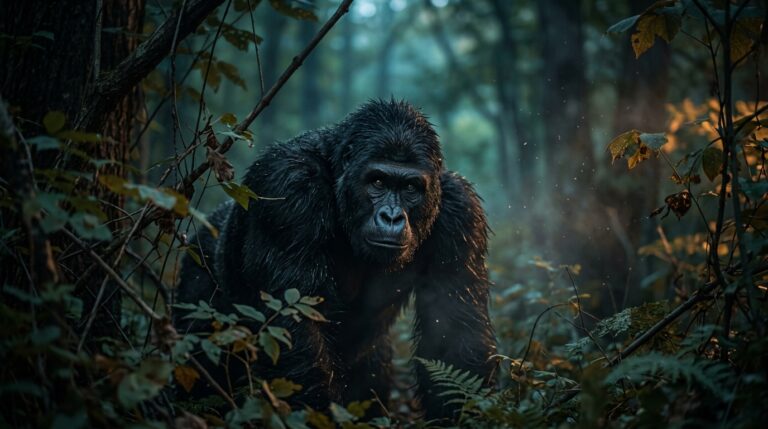
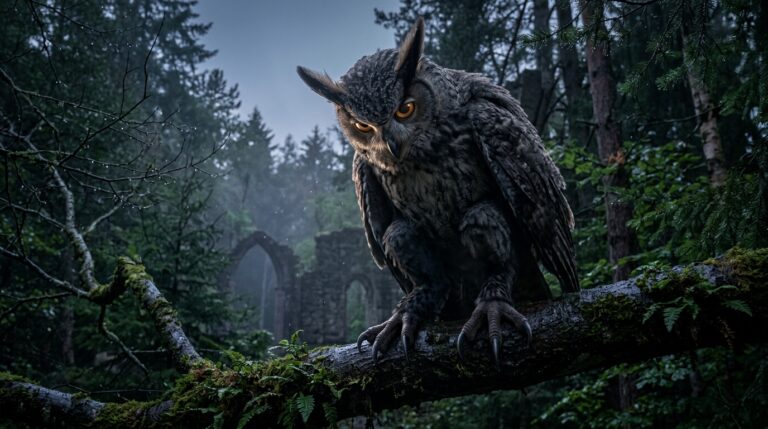
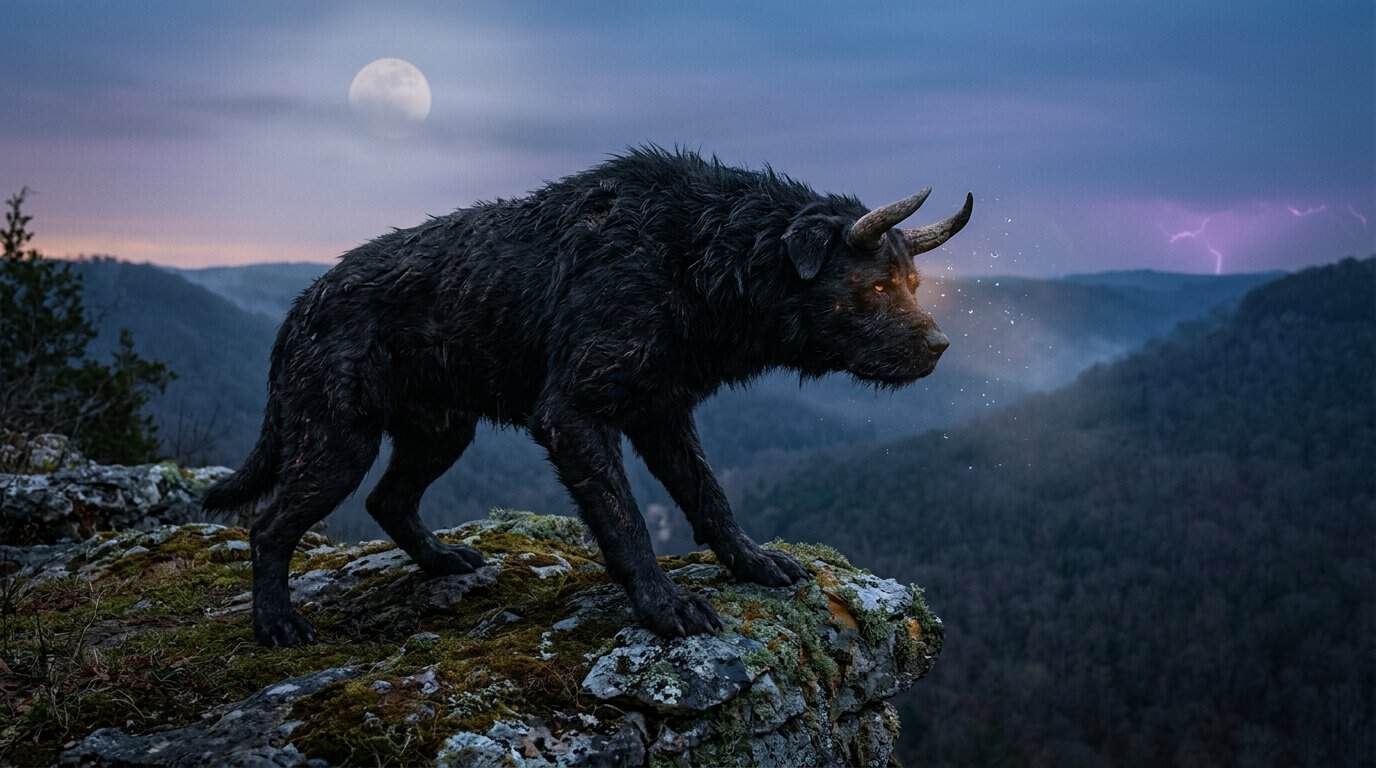
Deep in the rugged woods of Arkansas and Missouri, a sound echoes through the limestone bluffs that stops hikers dead in their tracks. This bone-chilling cry, a mix between a wolf’s howl and a hyena’s laugh, belongs to the legendary Ozark howling phantom. Locals have whispered stories of this creature for generations, describing a massive, shaggy beast with glowing red eyes and prominent horns. It is a shadow that moves through the night, leaving behind nothing but a sense of dread and a mystery that science has yet to solve.
While some dismiss the sightings as misidentified black bears or mountain lions, the consistent descriptions suggest something far more unique. Witnesses across the Ozark plateau describe a predator that is both stocky and elusive, earning it nicknames like the Nightshade Bear or the Devil Cat. Whether it is a relic of a prehistoric era or a piece of living folklore, the creature remains the most enduring mystery of the Southern wilderness. Exploring the history of these encounters reveals a fascinating blend of natural beauty and the unexplained.
Key Takeaways
- The Ozark Howler is a legendary apex predator of the Arkansas and Missouri wilderness, characterized by its shaggy body, prominent horns, glowing red eyes, and a bone-chilling cry that blends a wolf’s howl with a hyena’s laugh.
- Evidence suggests the entity may be a spectral or non-physical guardian rather than a biological animal, as witnesses frequently report translucent sightings, localized ‘dread’ sensations, and vocalizations that resonate directly within the chest.
- The legend likely stems from a blend of ancient Celtic folklore and modern encounters, as Scotch-Irish settlers brought traditions of spectral black dogs and hellhounds that adapted to the rugged Ozark landscape.
- The creature’s elusive nature and the lack of physical evidence point to a phenomenon linked to the region’s unique geology, potentially acting as a spiritual sentinel that protects the deep, undisturbed hollows of the mountain range.
The Spectral Nature Of The Ozark Howler
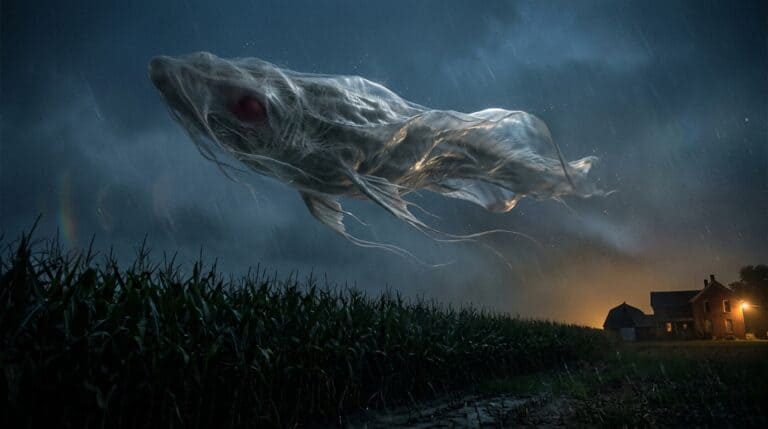
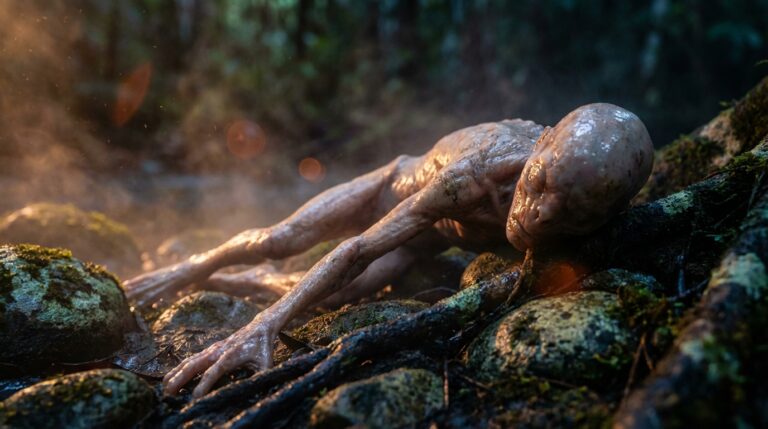
While many hunters look for tracks or fur, others describe the Ozark Howling Phantom as a presence that defies the laws of biology. These witnesses do not report a heavy creature crashing through the brush, but rather a shadowy, translucent shape that glides between the ancient oaks. This version of the legend suggests that the entity is less of a flesh and blood animal and more of a localized haunting or a spiritual guardian of the mountains. Some accounts from the late twentieth century describe the creature appearing as a dark mist that retains the silhouette of a horned beast before vanishing into thin air. These non physical encounters leave people with a deep sense of dread that feels more supernatural than a simple fear of a woodland predator.
Local folklore experts often point to the historical roots of these spectral sightings, noting that the Ozark Howling Phantom occupies a unique space between cryptozoology and ghost stories. Instead of leaving behind physical evidence like scat or hair, this phantom is known for its chilling, disembodied vocalizations that seem to come from every direction at once. Researchers who study regional myths suggest that these experiences might be linked to the thin veil between worlds often attributed to the deep hollows of the Ozark range. Witnesses frequently mention that their flashlights seem to pass right through the creature, illuminating the trees behind it as if the beast were made of smoke. This suggests that the Howler may be a psychic projection or a residual energy rather than a living, breathing species.
This shift in perspective from a physical monster to a spectral phantom opens up new questions about what is truly hiding in the wilderness. If the Ozark Howler is indeed a non physical entity, it would explain why decades of searching have failed to produce a single specimen or clear photograph. The legend persists because people continue to feel its watchful gaze and hear its mournful cry echoing through the mist. Does this spectral nature make the creature more or less frightening to those who wander the woods at night? Share your thoughts on whether you believe the Ozark Howler is a creature of the earth or a phantom of the spirit world.
Echoes Of The Irish Black Dog Legend
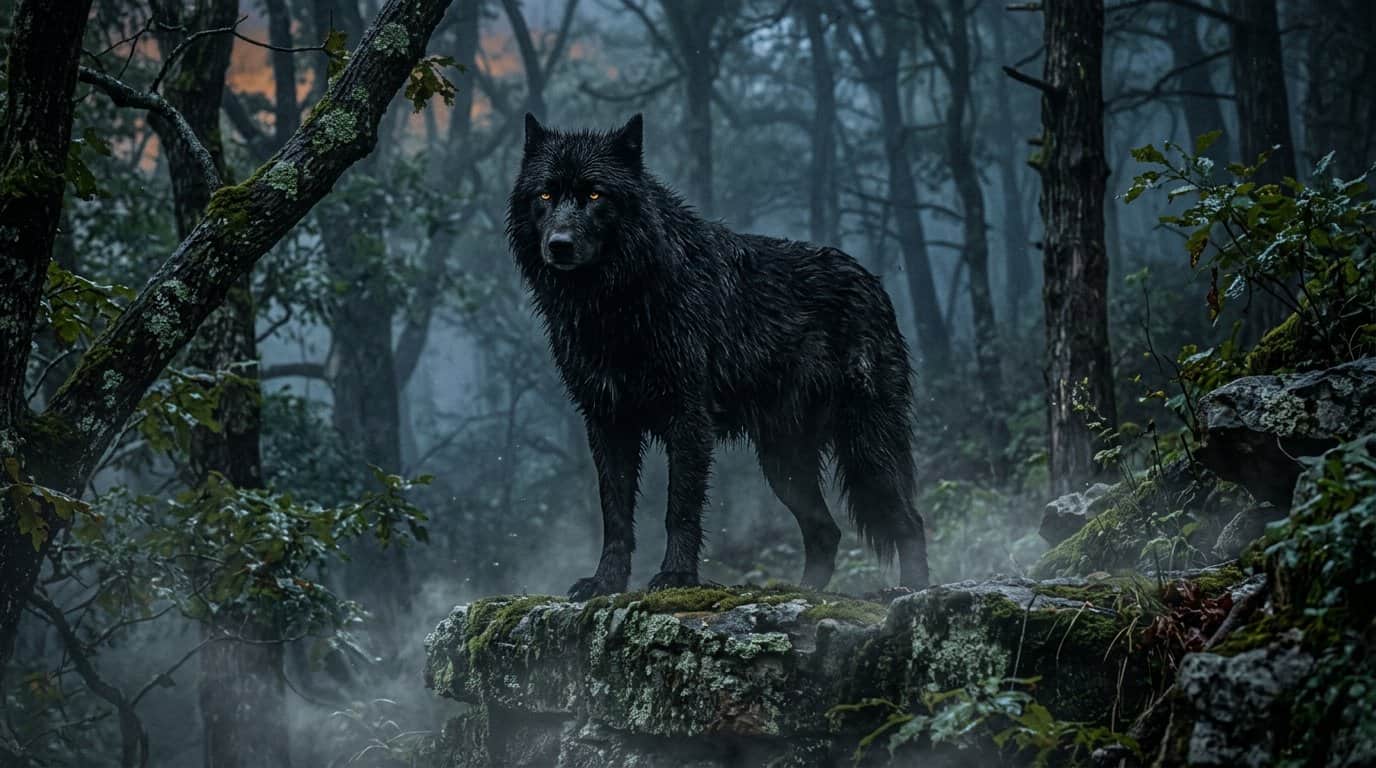
The Ozark howling phantom shares a striking resemblance to the spectral black dogs that have haunted the British Isles for centuries. When early Scotch-Irish settlers migrated to the Ozark Mountains, they brought more than just their belongings, as they carried deep-seated fears of the Cù-Sìth and other hellhounds. These settlers described supernatural guardians or omens of death that possessed glowing eyes and a terrifying, vocal presence. In the isolated hollows of the Ozarks, these old-world legends found a new home, blending with the rugged landscape to create a localized version of a timeless nightmare. The phantom is often experienced as a heavy, spiritual dread rather than a physical predator, mirroring the way Celtic folklore treats these dark spirits.
Many local historians and folklorists, such as those who study the oral traditions documented by Vance Randolph, suggest that these sightings are more than just misidentified animals. Instead of a flesh-and-blood creature, the howling phantom is often described as a shimmering or shadowy entity that vanishes when approached. This aligns perfectly with the Black Shuck or Grim of Irish lore, which were said to haunt specific paths and crossroads as silent watchers. The bone-chilling howl reported by witnesses serves as a modern echo of the banshee’s cry, signaling a bridge between the physical world and the supernatural. By viewing the phantom through this cultural lens, we can see how the deep roots of ancestral memory continue to shape the mysteries of the American wilderness.
Do you believe the howling phantom is a biological animal waiting to be discovered, or is it a lingering spirit brought over by the early settlers? Share your thoughts on whether these legends are based on real encounters or the power of shared cultural stories. Please share your theories and any local tales you have heard in the comments below. Exploring the connection between our past and the unexplained phenomena of today helps keep the spirit of discovery alive. These stories remind us that the woods may hold secrets that science has yet to fully explain.
Unearthly Vocalizations Across The Mountain Ridges
Deep within the limestone hollows of the Ozarks, the air often grows heavy with a sound that defies a purely biological explanation. While many hunters are familiar with the screams of mountain lions or the calls of coyotes, the ozark howling phantom produces a vibration that seems to bypass the ears and resonate directly within the chest. Witnesses often describe this sound as a spectral distortion, possessing a metallic or hollow quality that feels more like a haunting frequency than a physical animal’s throat. These vocalizations are said to ripple across the ridges, causing a sudden silence among the local wildlife as if the forest itself is recoiling from something unnatural. Local historians have noted that these sounds often precede a heavy fog, leading some to believe the howl is a bridge between the physical world and a shadowy, unseen realm.
The sheer intensity of these cries has led many investigators to look past traditional biology and toward the region’s deep-rooted folklore. Unlike the sharp, brief yips of a canine, this phantom cry is reported to linger in the air long after the source should have run out of breath. Some researchers who have spent decades tracking high-strangeness in the area suggest that the sound behaves more like an atmospheric phenomenon or a residual haunting. These experts point to the unique quartz and mineral deposits in the mountains, which some believe could act as a natural amplifier for energy that we do not yet fully understand. This theory suggests that the howl might be a recurring acoustic imprint left behind by an ancient creature, trapped in the very stone of the mountain ridges.
Whether these sounds are the result of a hidden predator or a lingering spiritual echo, the effect on those who hear them is undeniably profound. People who have experienced the phantom’s call often report a feeling of intense dread that lingers for hours, a sensation that many describe as being watched by something that is not entirely there. This sense of a non-physical presence aligns with the stories told by early settlers who spoke of a nightshade entity that could vanish into the mist while its voice continued to circle their cabins. Much like the rugaru legend origins found in the swamps of the South, the mystery of the howl remains a cornerstone of the region’s identity, blending the line between the natural world and the supernatural. Does the sound belong to a beast of flesh and bone, or is it a ghostly remnant of a wilderness we have yet to truly conquer?
Psychological Dread And The Nightshade Experience
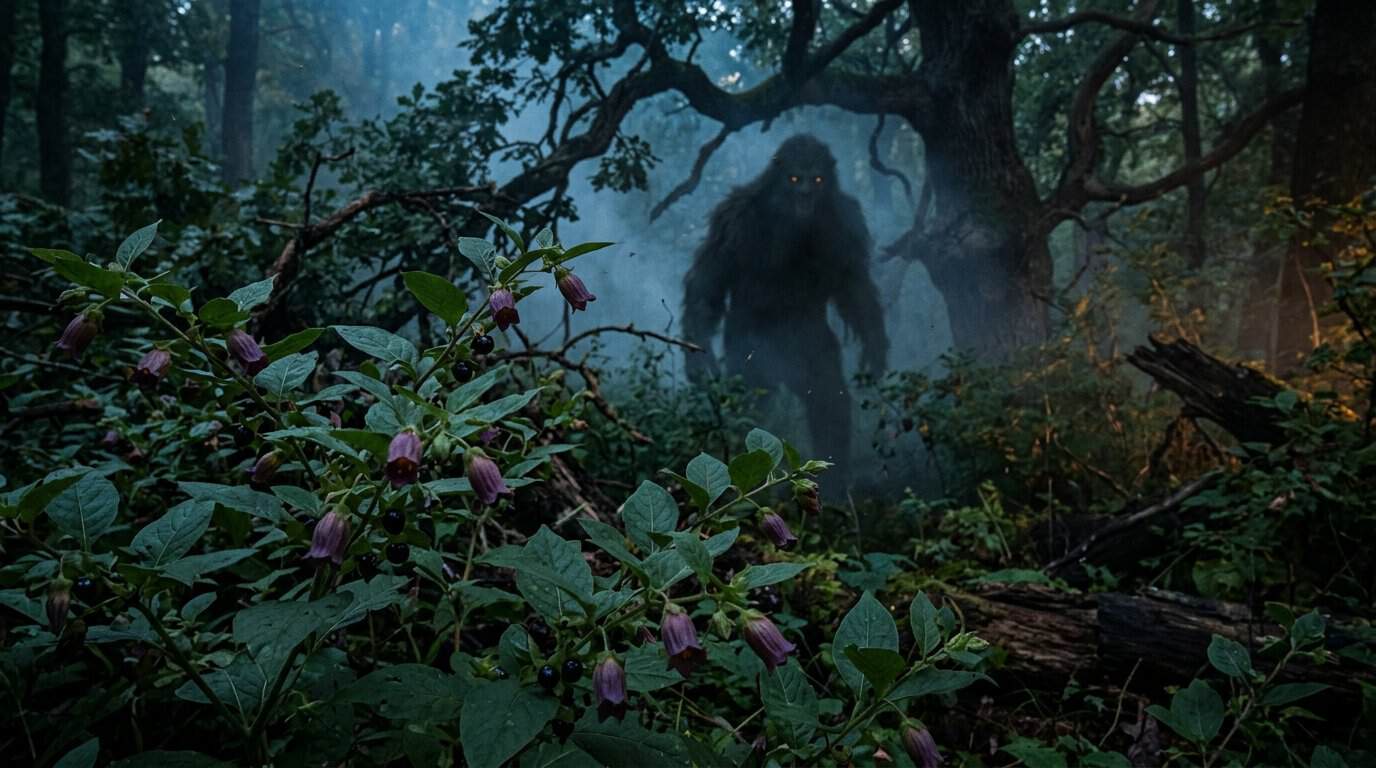
The experience of encountering the Ozark howling phantom often begins long before a single sound breaks the silence of the woods. Witnesses frequently describe a heavy, suffocating sensation known as Ozark dread that settles over the forest like a thick fog. This psychological pressure feels less like a fear of a predator and more like a spiritual warning that one has crossed into a sacred space. Local lore suggests that this overwhelming anxiety is a natural defense mechanism triggered by the phantom’s presence. It acts as an invisible barrier, protecting the deep secrets of the mountains from those who are not prepared to face them.
This spectral guardian seems to exist in the thin spaces between the physical world and the haunting history of the Nightshade wilderness. Unlike a typical animal that leaves physical tracks, this phantom presence is felt through a sudden drop in temperature and a bone-chilling stillness. Many believe the creature serves as a sentinel for the ancient spiritual energy held within the limestone bluffs and hidden hollows. Much like the Florida Skunk Ape encounters reported in the Everglades, these sightings challenge our understanding of North American cryptids. By projecting a sense of profound unease, the entity ensures that the most mysterious parts of the Ozarks remain undisturbed by modern intrusion. The experience leaves people with a lasting respect for the unseen forces that still govern these remote landscapes.
Is this intense feeling of dread simply a trick of the mind in the dark, or is it a deliberate message from a guardian of the woods? Many who have felt the phantom’s gaze believe the mountains hold memories that are not meant for everyone to see. These encounters challenge our understanding of what truly hides in the shadows of the American South. Have you ever felt a sudden, unexplainable sense of fear while walking alone in the deep woods? We invite you to share your stories of the unexplained and join the conversation about what might be watching from the treeline.
The Echoes of a Mountain Specter
The Ozark howling phantom remains one of the most chilling mysteries hidden within the deep valleys of the American South. While some search for a physical creature, the true essence of the Ozark Howler legend of the deep woods lies in the spectral echoes that bounce off the limestone bluffs long after the sun goes down. These unearthly sounds, described as a mournful blend of a wolf’s cry and a human scream, suggest a presence that is more spirit than animal. For generations, residents have respected these mountains as a place where the veil between worlds feels thin. The enduring nature of these stories proves that some secrets of the wilderness are meant to be heard rather than seen.
Countless hikers and locals continue to report a heavy, watchful sensation that accompanies the sudden onset of the phantom’s cry. Even without a visual sighting, the psychological impact of the sound leaves a lasting mark on those brave enough to wander the remote trails at night. These encounters remind us that our modern world still has corners where logic fails and ancient folklore takes hold. Much like the sightings of the Wisconsin Werewolf, these stories remind us that the woods may hold secrets that science has yet to fully explain. Whether the noise is a trick of the wind or a lingering mountain ghost, it serves as a powerful connection to the region’s wild history. Similarly, the Beaman Monster represents another terrifying chapter of Missouri’s folklore that continues to haunt the local imagination. Just as the What Are Skinwalkers? legends explore the darker side of human-animal transformation, the mystery persists because the landscape itself seems to hold onto these haunting memories.
The mountains are always whispering to those who are willing to listen closely to the shadows. Have you ever stood in the quiet of the woods and heard a sound that didn’t belong to any known animal? Perhaps you have felt a sudden chill or heard a distant, mocking laugh echoing through the trees during a midnight camping trip. We invite you to share your own experiences with the unexplained sounds of the Ozarks in the comments below. Your stories help keep the history of the howling phantom alive and may provide the next clue in understanding this mountain enigma.
Frequently Asked Questions
1. What does the Ozark Howler actually look like?
Witnesses describe this creature as a massive, stocky beast covered in thick, shaggy fur with prominent horns on its head. It is most famous for its glowing red eyes and a shadowy appearance that allows it to blend perfectly into the dark woods of the Ozark plateau.
2. What kind of sound does the creature make?
The phantom is known for a bone chilling cry that sounds like a haunting mix between a wolf’s howl and the cackling laugh of a hyena. This unique sound often echoes through the limestone bluffs, stopping hikers in their tracks and signaling the creature’s presence long before it is seen.
3. Is the Ozark Howler a physical animal or a ghost?
Descriptions vary between a flesh and blood predator and a spectral entity. While some hunters search for tracks and fur, others report a translucent shape or a dark mist that glides through the oaks before vanishing into thin air like a spiritual guardian.
4. Can the sightings be explained by known wildlife?
Skeptics often suggest that people are misidentifying black bears or mountain lions in the dim light of the forest. However, the consistent reports of horns and the creature’s unique vocalizations lead many to believe it is a separate, undiscovered species or a relic of a prehistoric era.
5. Where are you most likely to encounter this mystery?
Most encounters occur deep within the rugged woods and ancient limestone bluffs of Arkansas and Missouri. It seems to prefer the secluded areas of the Southern wilderness where the terrain is difficult for humans to navigate.
6. Does the Ozark Howler have any other names?
Locals have given this elusive predator several nicknames over the generations, including the Nightshade Bear and the Devil Cat. These names reflect the deep sense of dread and mystery that the creature leaves behind in the hearts of those who live near its territory.