Paranormal Investigation Insurance: What Ghost Hunters Should Know Before the Night Begins
Paranormal investigation insurance exists, but it is far from standard. The clearest dedicated option is an Australian liability scheme for paranormal investigators, with premiums starting at $365 per year. Many groups elsewhere rely on broader policies written for general events and businesses.
In the UK, employers’ liability insurance is legally required once a group takes on staff, and it must carry at least £5 million of cover. Voluntary groups have no general legal requirement to buy event insurance, but a venue or landowner may still ask for proof of cover before granting night access.
Key Takeaways
- Paranormal investigation insurance is far from standard, and the clearest dedicated option is an Australian liability scheme from White Insurance Brokers with premiums starting at $365 per year.
- In the UK, employers’ liability insurance is legally required for paranormal groups once they take on staff, and that cover must be at least £5 million.
- Voluntary paranormal groups in the UK have no general legal duty to buy event insurance, but a venue or landowner may still require proof of public liability cover before granting night access.
- Paranormal investigation groups should ask their broker for the liability limit in writing, because White Insurance Brokers’ public page does not state one.
- Paranormal investigation groups should tell their insurer the exact hours of night access, the venue’s condition, the number of volunteers and the planned activities before cover begins, since incomplete details may lead to a disputed claim.
Is Paranormal Investigation Insurance Really Available?
Yes, but only in limited form. Australia has a dedicated product, a UK broker will refer enquiries, and a paranormal-specific policy in the United States could not be confirmed. White Insurance Brokers in Australia offers liability cover for paranormal and supernatural investigators, including individuals, clubs, associations and businesses. Its scheme lists surveillance, audio, electronic and video recording, training, seminars, workshops and tours among the activities it covers. In the UK, Quote Monkey says it can pass paranormal event enquiries to an independent specialist broker, but any cover depends on underwriting and the insurer’s acceptance. In the United States, general event and haunted-attraction policies are among the options available. Elsewhere, many groups buy broader cover, such as public liability for injuries to attendees or damage to a third party’s property, then check whether equipment, venue damage and personal accident are included. Before the policy starts, tell the insurer about night access, the condition of the venue, the volunteers and the planned activities.
Which Types of Cover Do Investigators Actually Need?
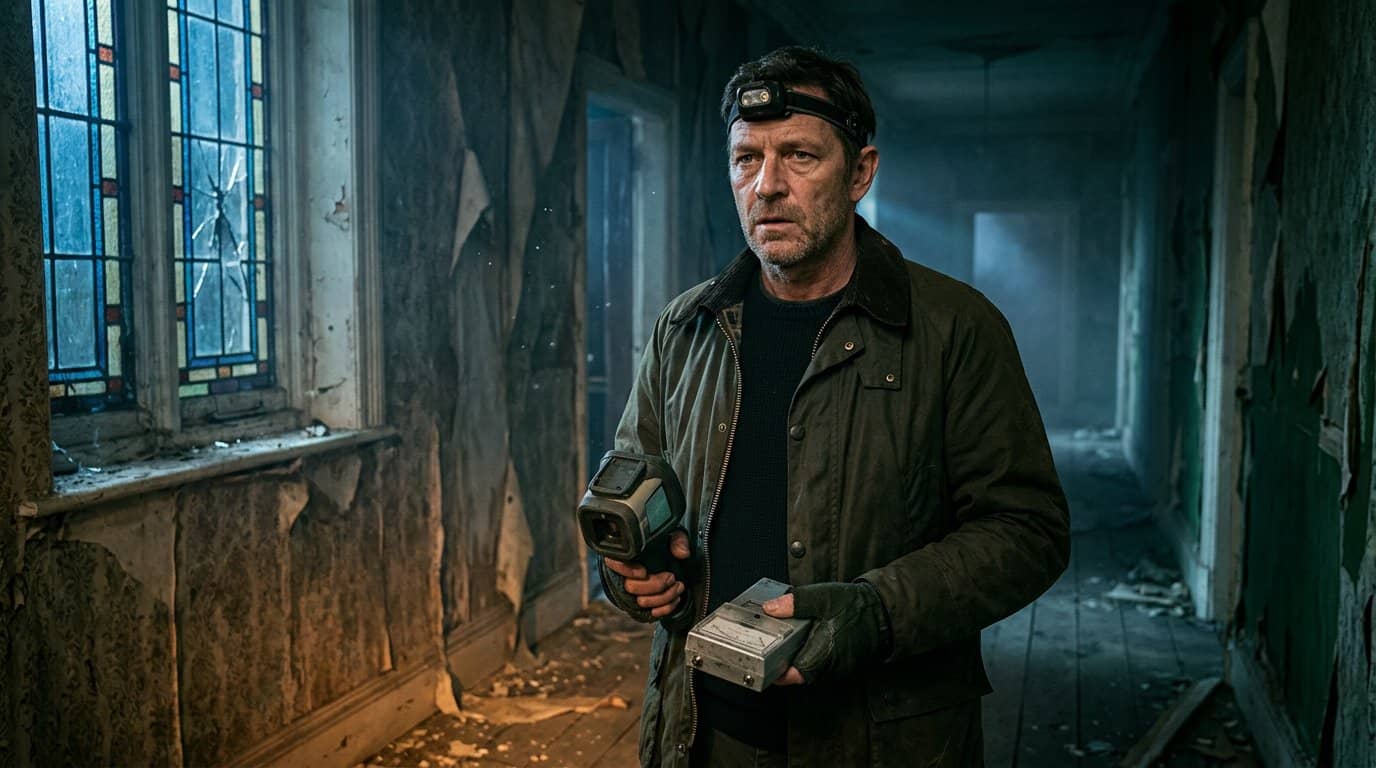
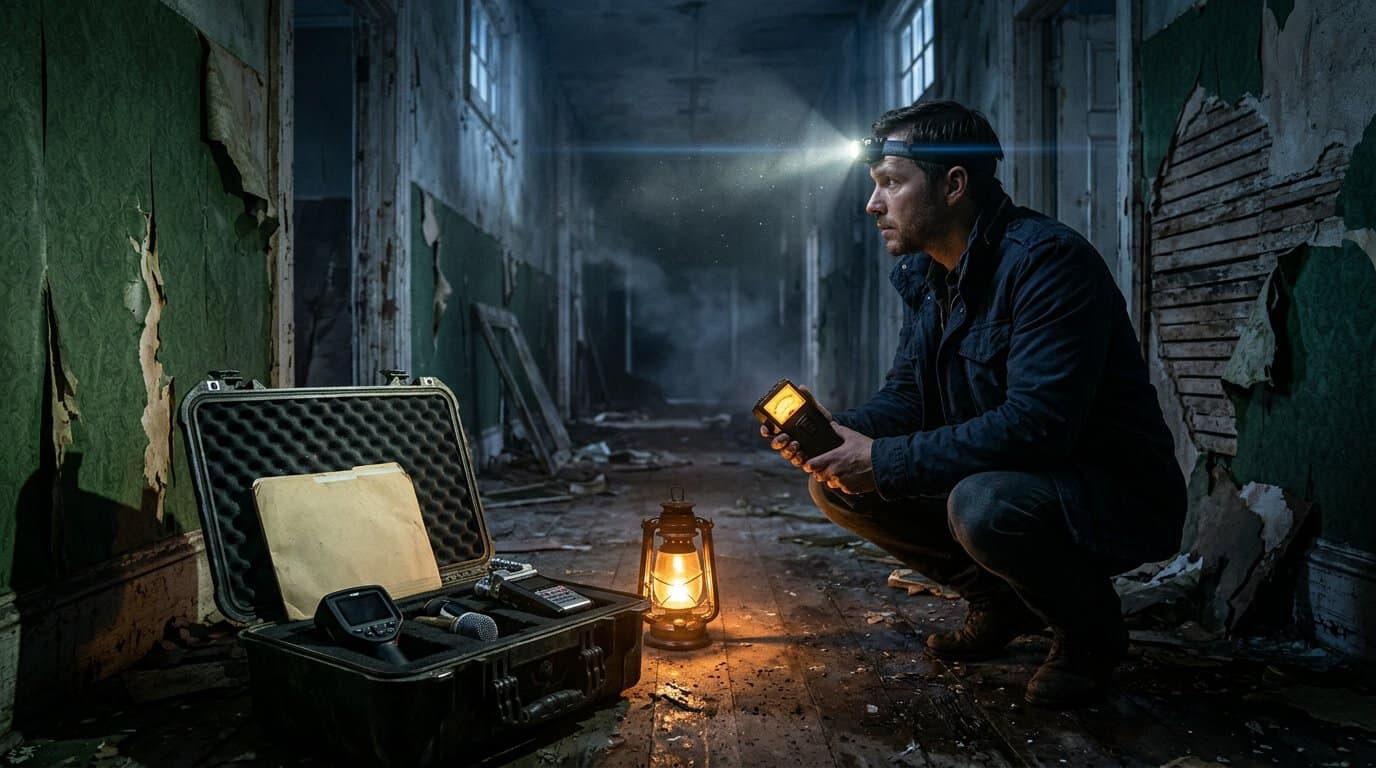
Investigators usually need several kinds of cover, and four types matter most: general liability, employers’ liability, professional indemnity and add-ons for equipment and personal accident. Each one responds to a different kind of claim, so it helps to know which is which before comparing quotes.
General liability is the broad policy that many businesses use. The National Association of Insurance Commissioners describes commercial general liability as covering bodily injury, damage to others’ property, personal injury such as slander and libel, and false or misleading advertising. That last category matters for groups that promote a haunted night or a ghost walk online.
Employers’ liability is separate. It protects paid staff, not the public, so an assistant hurt during a night session would fall under it rather than public liability. Professional indemnity, also called errors and omissions cover, responds to claims that advice or a service was wrong. A family who spends money after being told a spirit is affecting their home could raise exactly that kind of claim.
Ask a broker whether these add-ons are included or sold separately:
- Equipment cover for cameras, recorders and sensors that are lost or damaged
- Venue damage cover for harm to a building or land used for an investigation
- Cancellation cover if a planned night has to be called off
- Personal accident cover for injuries to the organiser or members
Read each policy’s wording carefully, because one product name can bundle several of these covers or leave out the ones a group needs most.
Do Paranormal Groups Have to Buy Insurance?
In most cases, no. A voluntary paranormal group in the UK has no general legal duty to buy event insurance, but that changes the moment it employs anyone. Employers in Great Britain must hold employers’ liability insurance from the day they take on a member of staff, with at least £5 million of cover. Imagine a small society that hires one paid assistant to set up cameras and sensors. From that first shift, the society is an employer and needs that cover.
For volunteer-run nights, the pressure usually comes from the venue rather than the law. GOV.UK’s guidance for voluntary and community events says there is no general requirement to buy event insurance, but a landowner or other body may still demand public liability cover. A church hall or private estate can refuse entry until proof arrives.
Rules elsewhere can differ, so check the law where the investigation takes place. A 2025 UK guide for the volunteer sector urges groups to review their cover and read the wording and limits carefully.
What Happens When a Venue Asks for Proof of Cover?
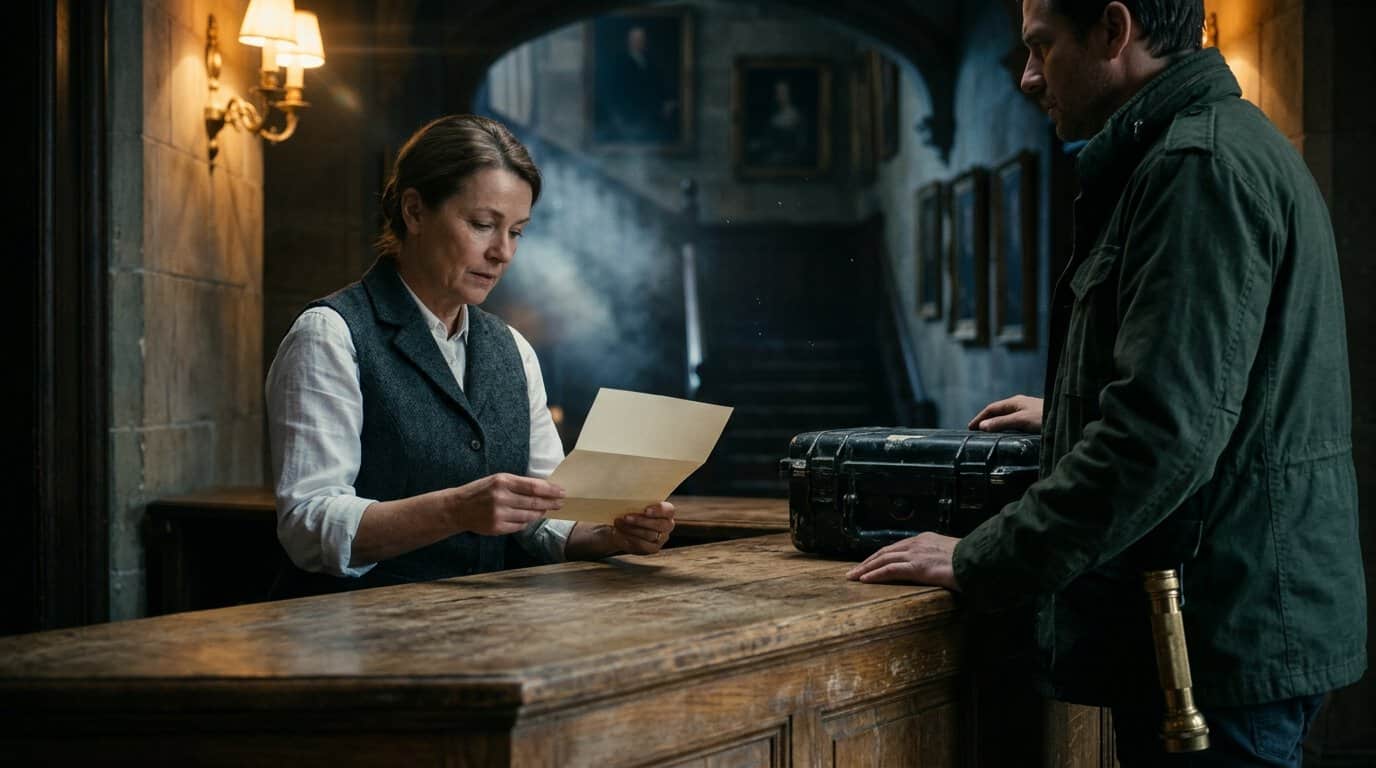
When a venue asks for proof of cover, the group may need to send a certificate showing public liability insurance before it can enter. Some private estates, rental halls and haunted sites make this a condition of night access, since a visiting group could injure someone or damage property the owner is responsible for.
Travelers notes that special-event insurance costs depend on an event’s size and scope. A small private walk for a handful of guests will not be priced like a public ghost night for a large crowd. The insurer also says its policy does not cover every type of event, so a group should read the wording before assuming a certificate will satisfy the venue.
Before issuing any cover, the insurer needs accurate details. Tell it the exact hours of night access, the condition of the building, how many volunteers will attend and which activities are planned, such as filming in cellars or using equipment on an upper floor. If those details are incomplete, a later claim may be disputed.
How Much Does Paranormal Investigation Insurance Cost?
White Insurance Brokers advertises premiums for its paranormal investigator scheme starting at $365 per year, but that is a starting point, not a fixed price. The public page does not state a liability limit, so ask the broker for it before comparing offers. A low premium with a small limit may leave a group exposed if someone is hurt.
The activities covered also affect the price. A scheme that includes guided tours, workshops and training for paying guests will usually cost more than one covering a few private nights of recording. Event size matters too, and so does the venue, whether it is a quiet family home or a busy old pub. Adding paid staff or a large team of volunteers can change the figure as well.
In the UK, Quote Monkey can refer enquiries to an independent specialist broker, but no price is certain until that broker’s insurer agrees to take on the risk.
What to Check Before Signing Any Investigation Policy
Most of the protection a group gets comes down to a few checks made before any money changes hands. Work through these steps with the broker, in order, before a single night is booked.
- Confirm that the covered activities list night investigations, recordings and tours, since a policy written only for general events may leave out a filmed session in a cellar.
- Ask the broker for the liability limit in writing, because the scheme’s public page does not state one.
- Check whether volunteers, equipment and venue damage are included or sold as separate add-ons.
- Read the full policy wording rather than a summary, and look closely at the exclusions section.
- Tell the insurer the hours of night access, the venue’s condition and any risky spots, such as an unstable staircase, before cover begins.
Have you ever been asked for a certificate before a night at a private site? Share how your group handles insurance, what questions you asked a broker, and whether you think these protections matter as much as the cameras and sensors you carry.
Your Checklist Before the Next Night Investigation
Before you book your next night, choose the site and write down three things: the exact hours you plan to be inside, every person who will be on the premises, and each piece of equipment you intend to run, including any cameras left recording in a cellar. Send that list to a broker and ask two written questions: does the policy cover night investigations and filmed sessions, and what is the liability limit? If either answer is unclear, hold off on confirming the date. Then request the full policy wording and read the exclusions section at home, well before anyone walks through the door.
Frequently Asked Questions
1. What is a liability limit, and how much cover is enough for a ghost hunt?
A liability limit is the most an insurer will pay for a covered claim, such as an injury to a guest or damage to a venue. The White Insurance Brokers scheme advertised from $365 per year does not state its limit on the public page, so ask the broker for the figure in writing. No single amount suits every group, but larger events, bigger venues and more guests all call for a higher limit. Ask the venue owner too, since they may specify what cover they expect to see on the certificate.
2. Are volunteers covered under a paranormal investigation group’s insurance?
Volunteers are not paid staff, so employers’ liability insurance does not protect them the way it protects an employee. Whether a volunteer is covered depends on the wording of the policy, and personal accident cover is the add-on that addresses injuries to members. Ask the broker in writing whether named volunteers are included and whether each one must be listed before a night begins.
3. Do I need insurance to host a ghost hunt in my own home?
A private home usually has no landowner demanding proof of cover, so the venue pressure described for halls and estates rarely applies there. The UK employer rule only starts once you take on paid staff, such as someone to set up cameras. Guests who are hurt could still bring a claim, so check whether your home insurance covers visitors and any paid event held on the property.