Cottingley Fairies Photographs: The Hoax Behind The Images
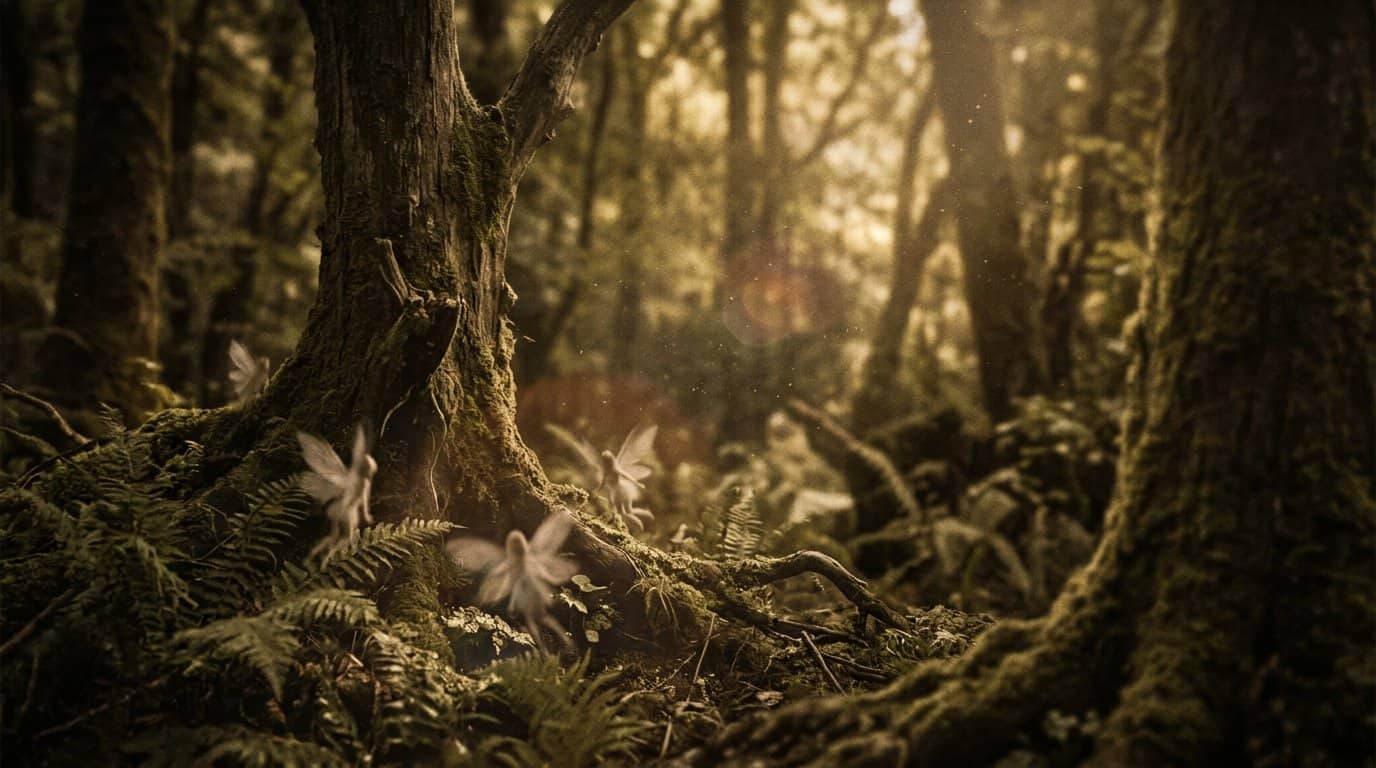
The Cottingley fairies photographs appeared to capture something impossible: winged figures dancing beside two young girls in a Yorkshire garden. Taken between 1917 and 1920 by cousins Elsie Wright and Frances Griffiths, the images soon drew attention from believers, photographers, and the wider public. Their story raises a question that still lingers: were the photographs evidence of fairies, or an extraordinary illusion?
The accepted explanation is that the figures were hand-drawn cardboard cut-outs held in place with hatpins. Yet the photographs became more than a famous hoax. They reflected a time when grief, folklore, and faith shaped how people understood photographic evidence. Their lasting mystery lies not only in what the camera captured, but also in why so many thoughtful people wanted to believe it.
Key Takeaways
- The Cottingley fairies photographs were staged using hand-drawn cardboard cut-outs held in place with hatpins; later admissions and visual evidence support the hoax explanation for at least the first four images.
- Arthur Conan Doyle’s promotion transformed a local childhood prank into a national supernatural controversy, especially amid postwar grief and widespread interest in spiritualism and folklore.
- Flat poses, weak shadows, shallow perspective, and paper-like edges reveal why the figures failed to convincingly occupy the landscape as living beings.
- The photographs remain significant because they show how trust in cameras, emotional hopes, and persuasive storytelling can shape belief, even when evidence is ambiguous.
Elsie And Frances Make Fairy Photographs
In July 1917, cousins Elsie Wright and Frances Griffiths carried Arthur Wright’s quarter-plate camera into the countryside near Cottingley, West Yorkshire. Their first photograph appeared to show Frances sitting beside four small, winged figures, their delicate shapes standing out against the leaves and grass. A second image showed Elsie lying near a dancing gnome with pointed ears and a feathered headdress. The pictures were striking, but they did not immediately convince the family that fairies had truly appeared before the lens.
Arthur Wright developed the plates and reportedly suspected that the girls had staged the scene, perhaps using paper figures or toys. Even so, the Cottingley fairies photographs created an unsettling question for those who saw them: could an ordinary camera record something the human eye missed? Later examination identified the figures as flat cardboard cut-outs, and both cousins eventually admitted their part in the hoax, although Frances continued to insist that the fifth photograph showed something unexplained. These first images established the pattern for the mystery, blending childhood imagination, early photography, and the powerful belief that a photograph must tell the truth.
Arthur Conan Doyle Promotes The Photographs
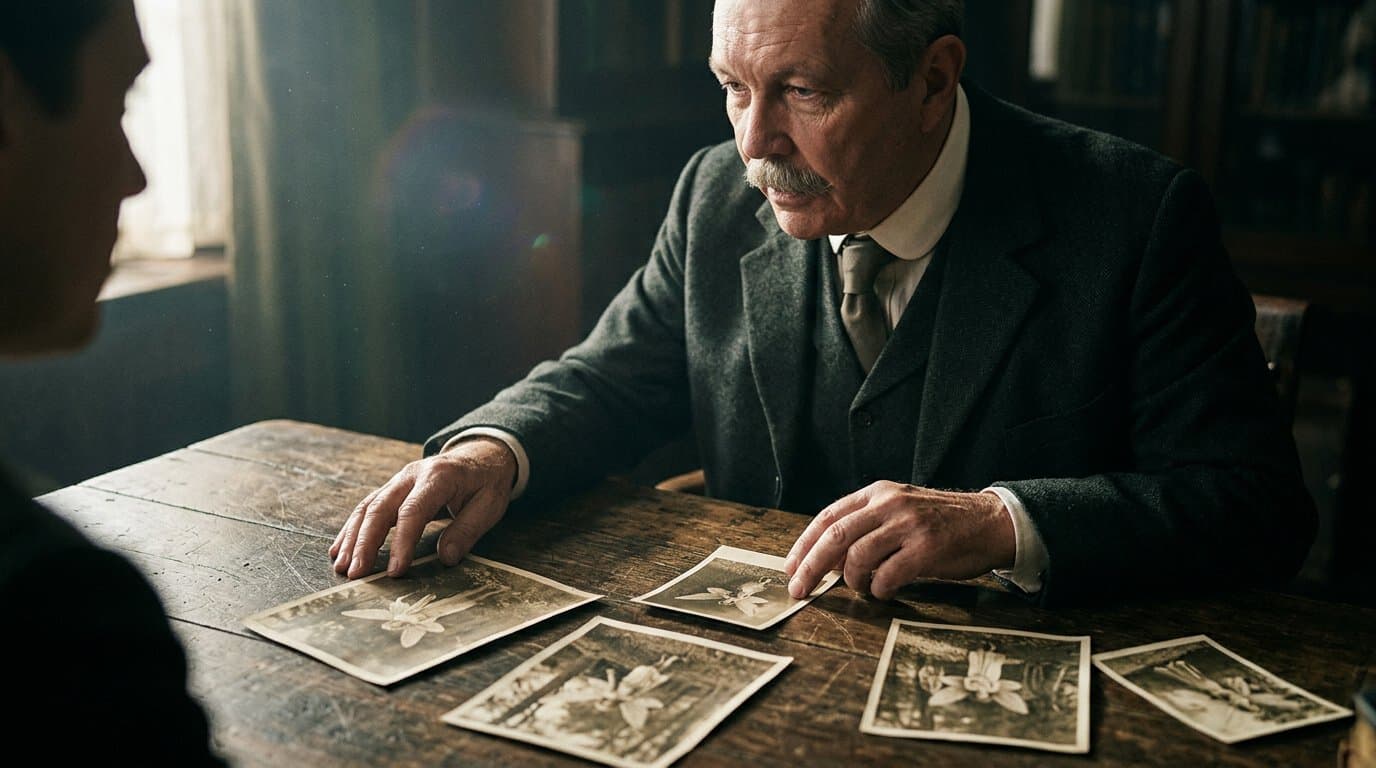
The photographs reached the theosophical community through Elsie Wright’s mother, Polly, who mentioned them after attending a meeting in 1919. Theosophist Edward Gardner became interested and passed the images to Sir Arthur Conan Doyle, who was already known for his belief in spiritualism and life beyond the physical world. Rather than dismissing the pictures as childish play, Doyle treated them as possible evidence that unseen forms of life might exist alongside humans. His interest gave the local story a national platform and connected the Cottingley fairies photographs to wider questions about nature, consciousness, and the supernatural.
In November 1920, a popular magazine published the first two photographs with Doyle’s account, bringing the winged figures to a large and eager audience. Britain was still living with the grief and uncertainty left by the First World War, and many people found comfort in spiritualism, séances, and the hope that life continued after death. Although fairies were not the same as departed spirits, the images fed this broader hunger for signs of an unseen world. Public fascination spread quickly, while later examination raised questions about the figures, the camera work, and the girls’ story. The episode became both a powerful supernatural claim and an important lesson in how photographic evidence can shape belief.
Visual Clues Reveal The Fairy Hoax
A close look at the Cottingley fairies photographs reveals details that make the supernatural claim harder to sustain. The winged figures appear unusually flat, with stiff poses and little sense of weight or depth beside the girls. Their shadows also fail to match the soft, changing light of the woodland, while the edges of the forms look more like paper than living bodies. Later examination found signs that the fairies were cardboard cut-outs held upright with hatpins pushed into the ground. These clues do not explain why the images seemed convincing at first, but they show how easily a carefully staged scene could be mistaken for evidence.
The visual story continued in August 1920, when Edward Gardner supplied cameras for three additional photographs. Those images presented more fairy figures and a gnome, yet the same problems remained: rigid poses, shallow shapes, and figures that seemed to sit on the landscape rather than belong within it. A simple image timeline can place the two 1917 photographs beside the three 1920 pictures, allowing readers to compare the figures’ outlines, shadows, scale, and distance from the camera. It also highlights an important change in the investigation, as better equipment produced more photographs without resolving the basic visual doubts.
Even so, the photographs deserve more than a quick dismissal because they capture the trust, imagination, and technical limits of their time. Elsie Wright and Frances Griffiths later admitted that the figures had been made from drawings and pinned in place, although Frances continued to maintain that the final photograph showed something unexplained. Readers can study the evidence alongside related accounts of photographic mysteries, asking whether the images reveal a hidden phenomenon or simply a remarkably persistent hoax. Which detail seems most decisive when the five photographs are viewed in chronological order?
Admissions And Cottingley’s Lasting Legacy
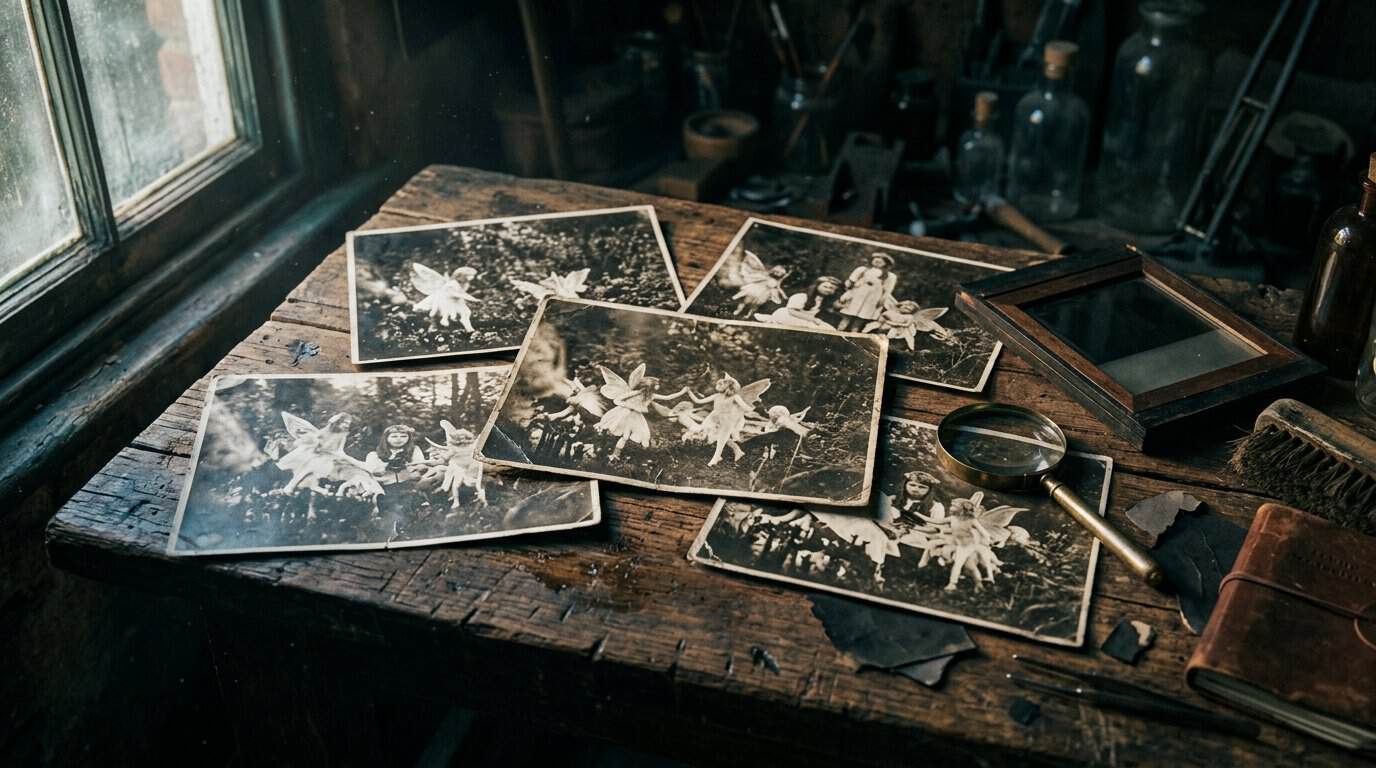
In later interviews, Elsie Wright explained that the fairies were hand-drawn figures cut from cardboard, supported with hatpins, and photographed as props in the Cottingley garden. Her account transformed the images from possible supernatural evidence into a carefully staged story, although it did not erase their visual power. Frances Griffiths eventually agreed that four of the five photographs were faked, but she continued to insist that the fifth photograph showed a genuine fairy. That lasting disagreement keeps a small opening for debate, even though the cut-out explanation fits the known details of the pictures. The case also shows how easily hope, expectation, and a persuasive image can influence the way evidence is judged.
The photographs now belong beside related articles on photographic hoaxes, paranormal evidence, and image manipulation, where the same questions appear in new forms. What did the photographer arrange, what did the viewer assume, and what details were overlooked because the story felt meaningful? The Cottingley fairies remain compelling because they capture childhood imagination, the atmosphere of the Yorkshire countryside, and the thrilling possibility that ordinary photographs might reveal an extraordinary world. Even after the admissions, they invite readers to examine the images closely and decide how much mystery can survive when belief meets visual evidence.
How the Fairy Photographs Captured the World’s Imagination
The Cottingley fairies photographs began as a childhood experiment by cousins Elsie Wright and Frances Griffiths in West Yorkshire between 1917 and 1920. Their pictures of winged figures and a gnome soon traveled far beyond the garden where they were made, attracting the attention of believers, researchers, and writer Arthur Conan Doyle. For a time, the images were treated as possible evidence that supernatural beings existed, especially because photography was widely trusted as a record of reality. Their soft focus and mysterious setting added to the sense that the photographs had captured something hidden from ordinary sight.
Years later, the cousins acknowledged that the figures had been made from drawings and cardboard cut-outs held in place with hatpins, although debate continued around the final image and the details of what each girl remembered. The accepted historical view is that the series was a clever hoax, but its lasting importance reaches beyond the trick itself. The photographs reveal how hope, folklore, and belief can shape the way people interpret visual evidence, even when the camera seems to promise certainty. Readers can decide whether the Cottingley fairies photographs are best understood as imaginative artwork, a modern piece of cultural folklore, or an early warning that even a photograph may invite more questions than it answers.
Frequently Asked Questions
1. What were the Cottingley fairies photographs?
The Cottingley fairies photographs were a series of images taken by cousins Elsie Wright and Frances Griffiths near Cottingley, West Yorkshire, between 1917 and 1920. They appeared to show winged fairies and a gnome beside the girls, turning a quiet garden into one of photography’s most enduring mysteries.
2. Who took the Cottingley fairies photographs?
Elsie Wright and Frances Griffiths took the photographs when they were young cousins living near Cottingley. Elsie used her father Arthur Wright’s quarter-plate camera, while Arthur developed the glass plates and reportedly suspected that the scenes had been staged.
3. Were the Cottingley fairies photographs real or fake?
The first four photographs are widely accepted as a hoax made with flat, hand-drawn cardboard figures supported by hatpins. Both cousins later acknowledged creating the fairy scenes, although Frances maintained that the fifth photograph showed something she could not explain, leaving a small thread of uncertainty around the complete story.
4. How were the fairy figures made to look real?
The girls appear to have used carefully drawn cardboard cut-outs, placed in the garden and held upright with hatpins. The soft focus, limited detail, and early photographic process helped the flat figures appear more convincing when captured on glass plates.
5. Why did people believe the Cottingley fairies photographs?
The photographs emerged during and after the First World War, a period marked by grief, spiritual searching, and renewed interest in folklore. Writer Arthur Conan Doyle helped popularize the images after receiving material from theosophist Edward Gardner, and many viewers trusted photography as a direct record of reality.
6. What did Arthur Conan Doyle think about the photographs?
Arthur Conan Doyle believed the photographs supported the possibility of real fairies and wrote about them in a popular magazine in 1920. His interest gave the images national attention, even though later photographic analysis and the cousins’ admissions provided strong evidence that the figures had been made by hand.
7. What is the fifth Cottingley fairy photograph?
The fifth image, taken in 1920, appears to show a winged, butterfly-like form resting among foliage near Frances. Elsie later admitted that the earlier figures were fake, but Frances continued to say this final image was different, which is why it remains the most debated photograph in the series.
8. Why do the Cottingley fairies photographs still matter today?
The photographs matter because they reveal how hope, grief, folklore, and trust in cameras can shape public belief. They are best understood as a documented hoax with an unresolved personal claim attached to the fifth image, inviting readers to weigh physical evidence against the limits of what historical records can settle.