Jersey Devil Folklore: From Mother Leeds to Modern Sightings
Jersey Devil folklore begins on a dark night in New Jersey’s Pine Barrens, where the tale of Mother Leeds and her thirteenth child has haunted local storytelling for generations. According to the best-known version, the child emerged as a winged, hoofed creature, screamed into the night, and vanished into the forest. The legend is eerie, but its roots may lie as much in colonial conflict and newspaper storytelling as in anything supernatural.
Older accounts call the creature the Leeds Devil, while later reports add strange tracks, distant cries, and sightings across southern New Jersey. No scientifically verified evidence confirms an unknown animal or supernatural being, yet hoaxes, firsthand stories, and cultural memory have kept the mystery alive. The enduring question is not only whether the Jersey Devil exists, but why this particular legend still feels close enough to the shadows to be believed.
Key Takeaways
- The Jersey Devil legend originated in colonial southern New Jersey with the 1735 Mother Leeds story, but its precise historical roots remain uncertain and may involve family folklore, religious and political tensions, and later embellishment.
- The 1909 wave of sightings transformed the Leeds Devil from a local tale into a regional media sensation, as newspaper coverage, public fear, alleged tracks, animal misidentifications, and hoaxes reinforced one another.
- No scientifically verified evidence confirms the Jersey Devil as a supernatural being or unknown species; reported sightings and tracks can reflect poor visibility, mistaken animals, altered memory, or deliberate deception.
- The legend endures because the Pine Barrens’ isolated setting, dramatic imagery, repeated storytelling, and modern media leave room for both skepticism and curiosity.
Mother Leeds and the 1735 Legend
In the best-known version of the 1735 legend, Mother Leeds lived near Leeds Point in southern New Jersey and was expecting her thirteenth child. During a difficult birth, she supposedly cursed the unborn baby, saying it would be “the devil.” The newborn then transformed into a strange creature, flew up the chimney, and vanished into the Pine Barrens. Older accounts often call it the Leeds Devil, while the name Jersey Devil became more common as the story spread through newspapers and local storytelling.
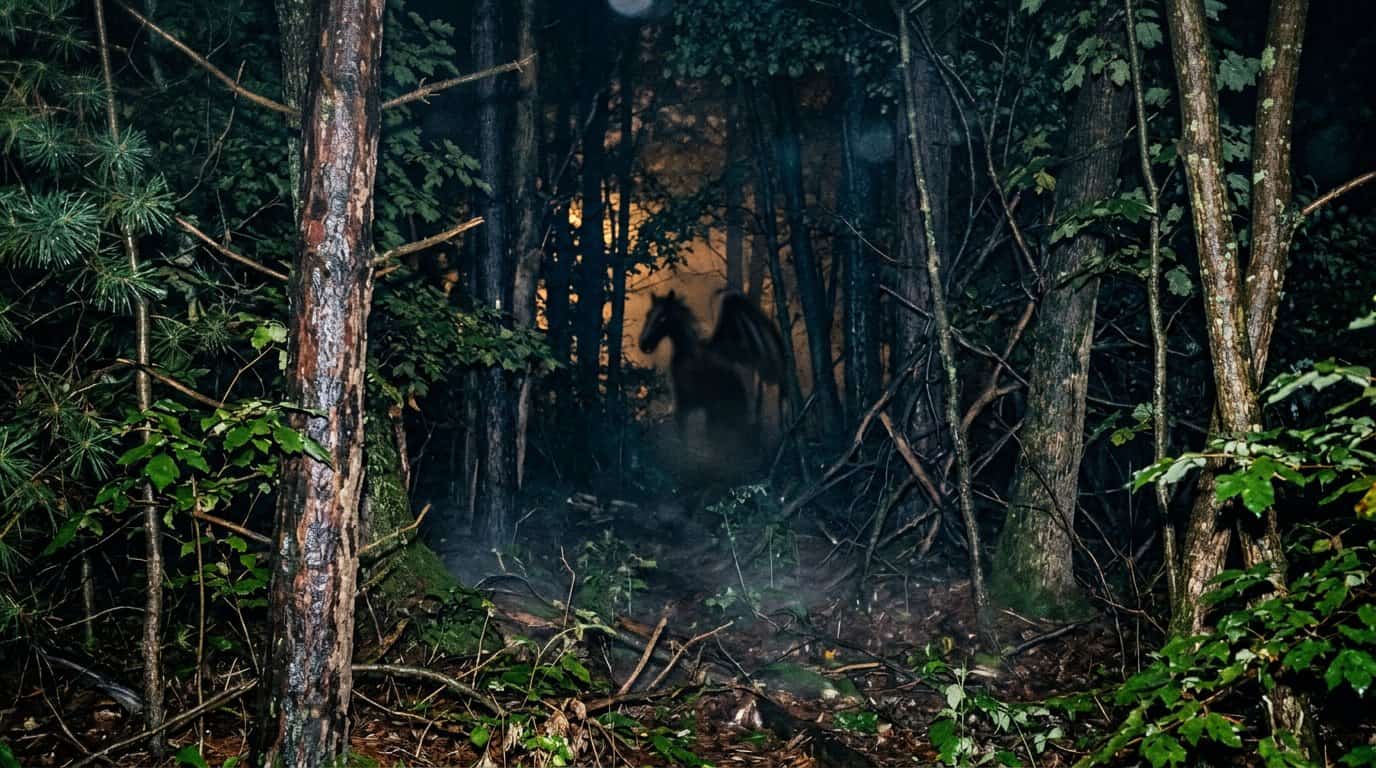
The details change depending on who tells the tale. In some versions, Mother Leeds is portrayed as a witch whose dark practices shaped the child’s fate. In others, she is an exhausted mother speaking in anger or the victim of a curse tied to religious and political disputes in colonial New Jersey. The creature itself is usually described with batlike wings, cloven hooves, sharp claws, a long tail, and a scream that carries through the woods. These details may have grown more dramatic over time, especially as later reports and popular culture gave the legend a clearer shape.
No surviving evidence proves that a supernatural creature appeared at Leeds Point in 1735, and the earliest written records do not present one consistent account. Still, the story’s long life reveals how a local family tale could blend with colonial tensions, newspaper sensationalism, reported sightings, and occasional hoaxes. Modern witnesses may interpret unfamiliar animals, sounds, or shadows through the lens of a legend they already know, though that does not explain every account to those who experienced it. Whether the Jersey Devil began with a curse, a cold winter night, or a story reshaped across generations, the mystery persists because of one question: how much truth can hide inside folklore?
Colonial Roots of the Leeds Devil
The older name “Leeds Devil” places the legend in the colonial world of southern New Jersey, where religion, politics, and family loyalties often shaped local stories. The best-known account centers on 1735, when Mother Leeds supposedly gave birth near Leeds Point to her thirteenth child, who transformed into a winged creature and vanished into the Pine Barrens. That date became a fixed point in later retellings, even though surviving historical records do not prove that a supernatural birth occurred. Some researchers connect the story’s growth to religious disputes, political tensions, and rivalries surrounding the Leeds family, while others see it as a tale reshaped through years of oral storytelling.
What began as a colonial-era story likely changed with each telling, gaining details as neighbors, newspapers, and later writers searched for a memorable explanation for strange sounds or unfamiliar tracks. Accounts preserved through local tradition support the 1735 narrative, but they do not provide scientifically verified evidence for an unknown animal or supernatural creature. That gap between documentation and belief is part of the legend’s lasting appeal, leaving room to ask how much came from real events, deliberate invention, or community folklore. Readers interested in the wider setting can explore the site’s article on colonial American legends or its guide to New Jersey history.
The 1909 Jersey Devil Panic
The Jersey Devil became a regional sensation during a tense week in January 1909, when reports spread across southern New Jersey and into Philadelphia. Witnesses described a strange, winged animal, while others claimed to find unusual tracks in snow near homes, roads, and farm buildings. Period newspapers gave the story wide attention, turning scattered local accounts into a shared public drama. Reports also included attacks on dogs, livestock, and even people, although many details changed from one account to the next. A timeline graphic or newspaper clipping can show how quickly the sightings moved from Pine Barrens communities into the wider public conversation.
Fear grew as police, reporters, and curious residents searched for evidence, but the panic also created ideal conditions for rumors and hoaxes. Some tracks may have been staged, while other sightings could have involved horses, large birds, dogs, or animals moving strangely through fresh snow. State archives and period newspaper accounts help separate what was reported at the time from details added through later retellings. Even so, the repeated claims of tracks and encounters kept the mystery alive, especially for people who believed the Pine Barrens could hide something unusual. The 1909 episode shows how a local legend can gain strength when genuine confusion, public fear, and sensational headlines reinforce one another.
By the end of January, the Jersey Devil was no longer only the old Leeds family tale associated with colonial New Jersey. It had become a modern newspaper mystery with witnesses, searches, alleged attacks, and competing explanations. No scientifically verified evidence has confirmed a supernatural creature or unknown animal, yet the events cannot be understood simply as one story told by one person. They were a fast-moving collection of observations, exaggerations, pranks, and possible animal misidentifications shaped by the beliefs of the communities involved. Readers exploring related Pine Barrens mysteries can compare the 1909 reports with later sightings and ask which details remained consistent over time. Was the panic evidence of a hidden animal, or evidence of how quickly folklore can take physical shape when people are looking for the same legend?
Modern Sightings and Scientific Evidence
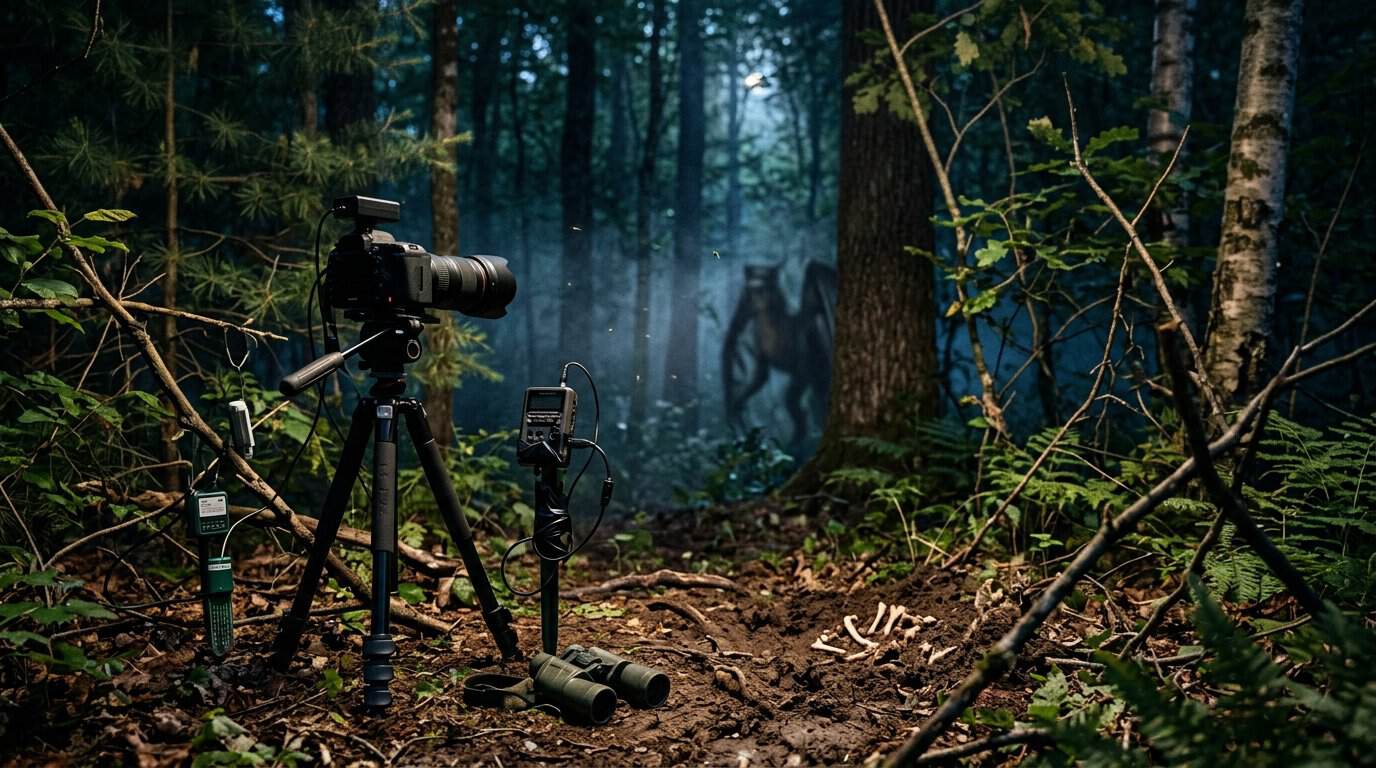
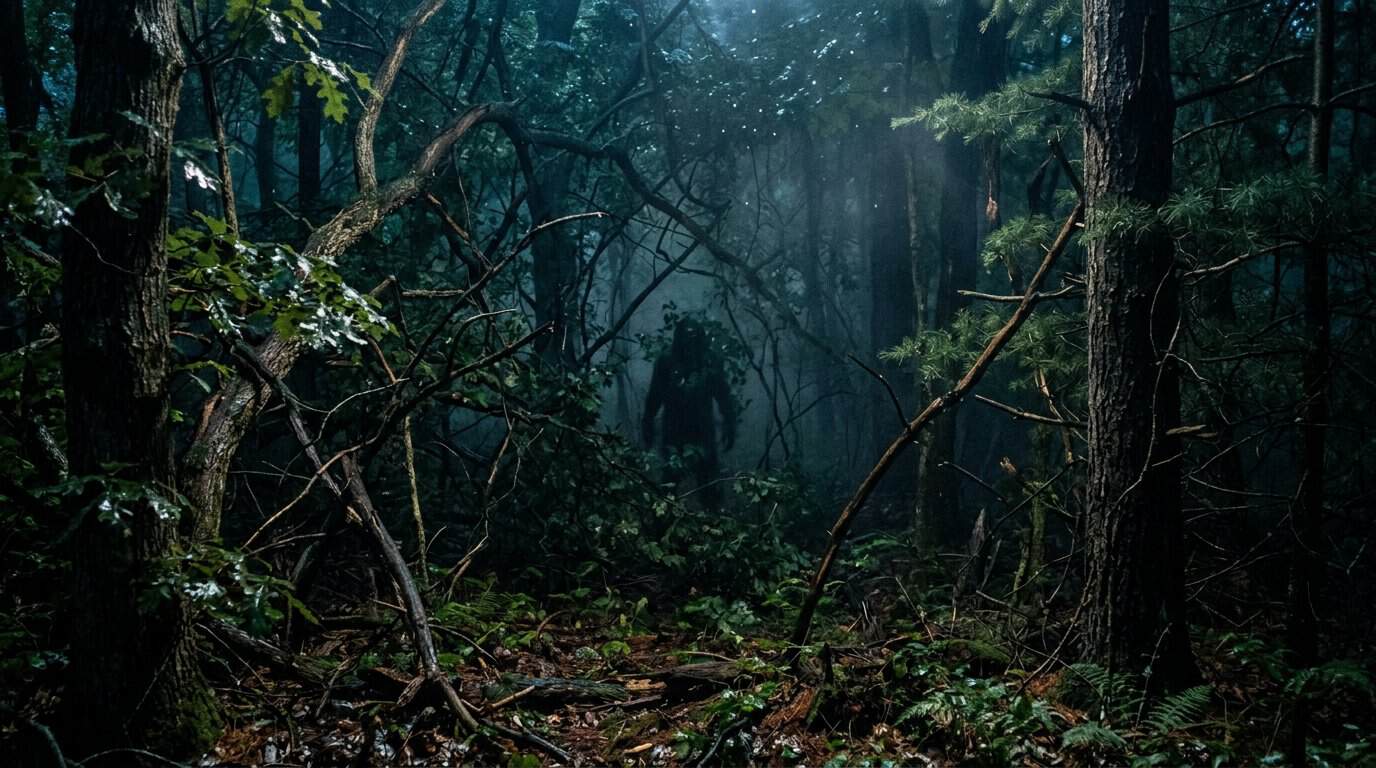
Modern sightings have kept the Jersey Devil in the news long after the earliest Leeds Devil stories faded into legend. A major wave of reports swept through southern New Jersey in 1909, when newspapers described residents who claimed to see a winged figure, unusual tracks, or a creature moving through the Pine Barrens. More recent witnesses have offered similar accounts, often involving a tall animal, strange cries, glowing eyes, or rapid movement in the darkness. These stories are worth documenting, but an eyewitness account alone cannot prove that an unknown creature exists. Memory can change under stress, and distance, shadows, weather, and expectation can make an ordinary animal appear extraordinary.
Several natural explanations remain possible, including owls seen from an unusual angle, cranes or large birds flying low, horses mistaken for strange four-legged figures, and other animals moving through poor visibility. A large bird can seem to have a human shape when its wings, legs, and body overlap, while a startled horse may look unfamiliar in the forest at night. Deliberate hoaxes also form part of the story, especially when attention from newspapers or curious visitors creates an incentive for dramatic claims. Investigations have not produced verified bones, tissue, clear footprints, or reliable photographs that would establish a new species. Readers interested in weighing similar claims can explore the site’s mystery investigations and cryptid evidence guide.
Even without physical proof, the reports continue to raise questions about how many sightings began, why certain details repeat, and whether every account can be explained by confusion or mischief. The Pine Barrens provide a setting where distance, thick vegetation, and limited light can hide as much as they reveal, leaving room for both careful doubt and curiosity. Local storytelling, sensational reporting, and popular culture have helped shape the creature’s familiar horns, wings, and hooves, but they do not fully explain why witnesses remain convinced by what they saw. For now, the Jersey Devil is best treated as a powerful regional legend with an unresolved edge rather than a scientifically confirmed animal. When a new sighting appears, should it be judged as evidence, mistaken identity, or another chapter in the folklore?
How the Jersey Devil Legend Endured
Jersey Devil folklore began as a colonial-era story tied to Mother Leeds, the thirteenth child said to have been born near Leeds Point in 1735. Over time, religious and political tensions, oral tradition, and the mystery of the Pine Barrens helped shape the tale of the winged, hoofed creature later called the Leeds Devil. The earliest version is difficult to separate from later retellings, and no contemporary record proves that such a transformation occurred. Still, the story survived because each generation added local details, warnings, and personal interpretations.
Newspaper reports, especially during the wave of sightings in 1909, transformed a regional belief into a wider media legend. Later reports, photographs, hoaxes, and popular books, television programs, and films kept the creature visible, while modern witnesses continue to describe unusual sounds, tracks, and shapes in the woods. No scientifically verified evidence confirms a supernatural creature or unknown animal matching the legend, but that absence has not erased the story’s power. Readers can decide whether the Jersey Devil is best understood as a supernatural creature, a cultural symbol, or a mystery shaped by changing communities and repeated storytelling.
Frequently Asked Questions
1. What is the Jersey Devil?
The Jersey Devil is a legendary creature said to haunt New Jersey’s Pine Barrens. It is usually described with batlike wings, cloven hooves, sharp claws, a long tail, and a frightening cry. Older stories call it the Leeds Devil, while Jersey Devil became the better-known name as newspapers and local storytellers spread the tale.
2. What happened in the 1735 Mother Leeds legend?
In the best-known version, Mother Leeds lived near Leeds Point and was expecting her thirteenth child. During a difficult birth, she supposedly cursed the baby, which transformed into a winged creature, screamed, flew up the chimney, and disappeared into the Pine Barrens. The details vary widely, so the story is best treated as folklore rather than a verified historical event.
3. Was Mother Leeds a real person?
The name Mother Leeds may have grown from real colonial families and local traditions, but no reliable record proves that a woman gave birth to a supernatural creature in 1735. Some versions portray her as a witch, while others present her as an ordinary mother caught in a frightening family story. Regional historians connect the legend to the area’s colonial history, but its exact origin remains uncertain.
4. Why is the creature also called the Leeds Devil?
The name Leeds Devil likely reflects the influence of the Leeds family and Daniel Leeds, a colonial figure involved in religious, political, and publishing disputes. Benjamin Franklin and Daniel Leeds were part of rival print cultures in colonial New Jersey, which may have helped turn the Leeds name into a symbol of suspicion and dark rumor. The connection is persuasive, but historians continue to debate how directly those disputes shaped the creature legend.
5. Have people really seen the Jersey Devil?
Many people have reported strange cries, shadows, tracks, and flying figures across southern New Jersey, especially in and around the Pine Barrens. A major wave of reports appeared in newspapers in 1909, when sightings and alleged tracks created widespread public excitement. These accounts are important evidence of the legend’s cultural history, but they do not scientifically confirm an unknown animal or supernatural being.
6. Is there scientific evidence that the Jersey Devil exists?
No scientifically verified evidence has confirmed the Jersey Devil as a living creature or supernatural entity. Reported tracks may have come from known animals, misidentification, hoaxes, or unusual conditions, while distant cries can carry in unexpected ways through the forest. That lack of proof does not erase eyewitness experiences, but it does make every claim worth examining carefully.
7. What could explain Jersey Devil sightings and tracks?
Several natural explanations remain possible, including large birds, owls, cranes, foxes, or other animals seen in poor light and interpreted through an existing legend. Hoaxes and copied newspaper stories may also have added details such as hoofprints, wings, and unusual footprints. The Pine Barrens’ darkness, dense woods, and isolated roads create the kind of setting where a brief encounter can feel both vivid and impossible to verify.
8. Why does Jersey Devil folklore remain popular?
The legend survives because it combines a memorable family story, colonial conflict, dramatic newspaper history, and a setting that still feels wild and mysterious. Each new report connects modern listeners to the older tale of Mother Leeds and the creature vanishing into the forest. Whether the Jersey Devil is a misidentified animal, a cultural invention, or something not yet explained, the mystery continues to invite debate without requiring a final answer.