Paranormal Investigator Reviews: How To Compare Services, Evidence, And Client Experiences
A five-star rating may promise a thrilling night in a haunted building, but it cannot prove that a spirit was present. Paranormal investigator reviews help readers separate the quality of an experience from the strength of the evidence behind its ghostly claims. The most useful reviews examine storytelling, organization, safety, cost, and whether investigators explain unusual findings without overstating them.
There is no nationwide license or official ranking system for paranormal investigators, so careful reading matters. Some teams create memorable experiences, while others present photographs, recordings, or eyewitness accounts that invite deeper questions rather than clear answers. By weighing customer feedback alongside historical records and basic scientific explanations, readers can decide which investigations deserve curiosity and which deserve caution.
Key Takeaways
- Treat paranormal investigator reviews as evidence of service quality—not proof that a haunting occurred. Evaluate communication, professionalism, safety, pricing, organization, and report quality separately from supernatural claims.
- Prioritize verified, detailed review patterns over star ratings or dramatic testimonials. Look for consistent feedback across platforms, specific timelines, transparent pricing, and meaningful descriptions of the full client experience.
- Judge investigations by their methods and evidence standards. Trust teams that document conditions, preserve original media, check historical records, test ordinary explanations, explain limitations, and separate observations from personal interpretations.
- Because no nationwide licensing or official ranking system exists, research investigators carefully before hiring them. Demand a clear scope of work, privacy and safety policies, realistic timelines, written reporting standards, and no guarantees of paranormal proof.
Introduction To Paranormal Investigator Reviews
After a frightening sound, strange sighting, or unexplained event at home, a homeowner may wonder whether to hire a paranormal investigator. Reading paranormal investigator reviews can offer an early look at how a team treats clients during an uncertain and personal experience. Detailed testimonials may describe response times, communication, pricing, equipment, investigation methods, and the clarity of the final report. They can also show whether investigators arrive prepared, respect the property, explain their limits, and follow up after the visit. These practical details often reveal more about service quality and professionalism than a dramatic account of unexplained activity.
A thoughtful review should be read as evidence about the investigation service, not proof that a haunting occurred. Reviews cannot confirm that a voice, shadow, or unusual reading came from a supernatural source, especially when there is no nationwide licensing system or shared standard for paranormal investigators. Readers can look for verified testimonials, consistent descriptions of the team’s methods, clear reporting standards, and honest discussion of ordinary causes before booking a consultation or case review. Strong investigators should remain open to unusual possibilities while separating documented observations from personal belief. With that balanced approach, reviews can help a witness choose a careful, respectful team without turning uncertainty into certainty.
Verified Testimonials And Review Patterns
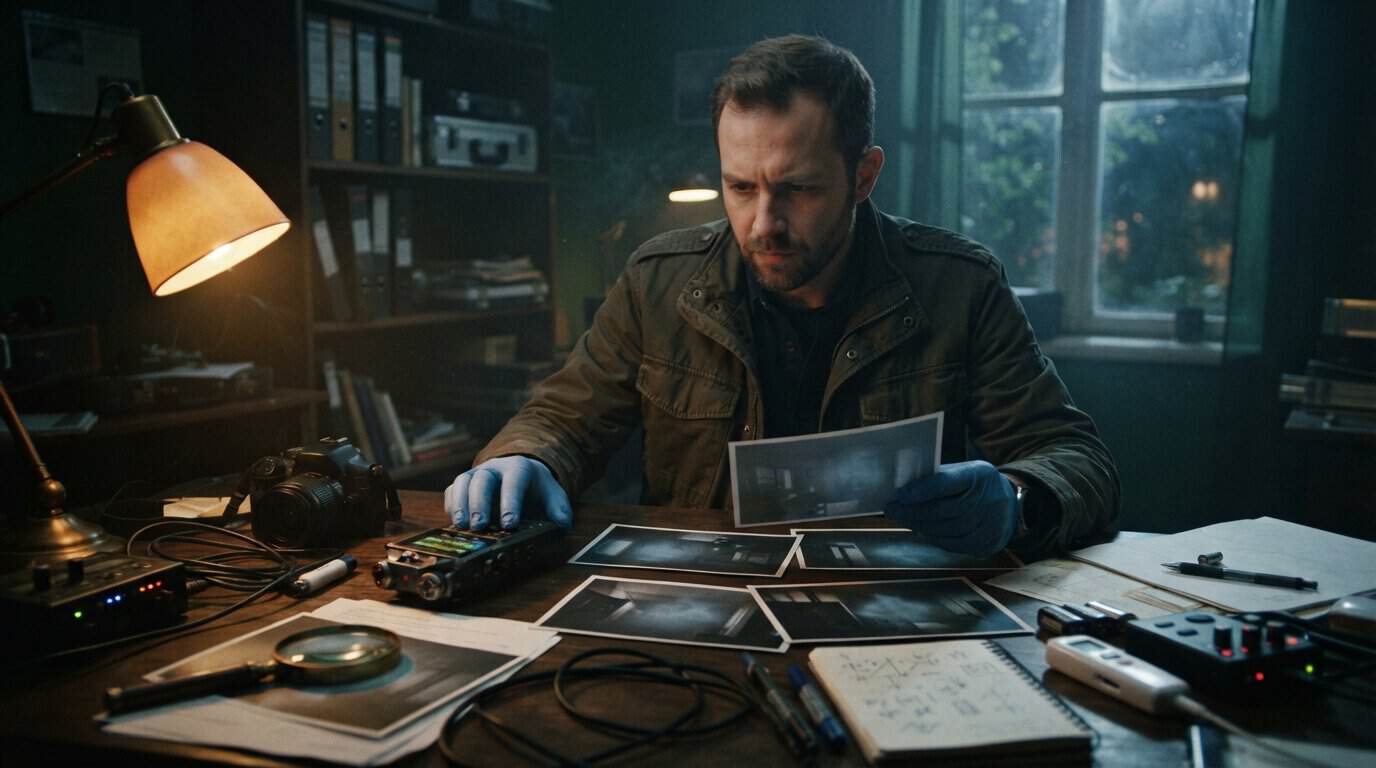
A useful review begins with the pattern behind the star rating, not the rating alone. Readers should check how many reviews an investigator has, whether the dates span several months or years, and whether the platform marks bookings as verified. A large, steady review history can suggest consistent service, while a sudden cluster of nearly identical comments deserves closer attention. Reviews on more than one platform can also show whether the same strengths appear across different audiences. These details help separate a reliable investigation service from a polished page built around a few dramatic testimonials.
Detailed comments often reveal more than praise such as “amazing” or “five stars.” Clients commonly value clear explanations, empathy toward people dealing with frightening experiences, careful organization, prompt replies, and reports that explain what was observed without overstating the evidence. Strong feedback may mention the investigator’s preparation, response time, follow-up process, and willingness to distinguish personal impressions from documented findings. That information gives a prospective client a clearer sense of what a consultation or case review will actually involve. It also helps readers judge whether the service matches their needs, especially when they want calm guidance rather than a sensational experience.
Negative reviews can be just as informative when they show a repeated pattern instead of a single disagreement. Complaints about misleading service descriptions may suggest that the promised equipment, visit length, or final report did not match the booking details. Reports of missed appointments, late arrivals, unanswered messages, or vague findings may point to weak organization and poor communication. A fair review process considers how the investigator responded, whether concerns were addressed, and whether later reviews show improvement. Testimonials can illuminate professionalism and client care, but they cannot prove that a paranormal claim is genuine. Readers should use reviews alongside clear methods, transparent reporting standards, and thoughtful case discussions.
Investigator Methods And Evidence Standards
A useful paranormal investigator review looks beyond a team’s dramatic claims and asks how the work was done. Strong reports usually explain who was interviewed, which historical records were checked, and what the site was like before and during the investigation. They may also describe temperature, sound, light, weather, equipment settings, photographs, audio, and video in a clear timeline. Reviews should note practical details too, including response times, consultation fees, testimonials, communication, and whether the final report matched the service promised. Readers can compare these standards with the site’s coverage of unexplained evidence before deciding whether a team offers careful research or mainly an entertaining story.
The most credible investigators use simple controls to test what a recording might show. They may repeat a measurement, compare a quiet room with the reported location, check for drafts or nearby traffic, preserve original files, and identify ordinary explanations before suggesting something unusual. Historical claims should be checked against public records, newspaper archives, property documents, and firsthand sources rather than repeated from unsourced websites. A responsible team also states its limits, explaining when evidence is unclear, equipment could have produced an error, or a conclusion remains only a possibility. That openness makes a review more useful because it helps readers judge the quality of the process, not just the excitement of the result.
Before booking a consultation or requesting a case review, readers should look for a written scope of work, clear reporting standards, realistic timelines, and an explanation of how personal information will be handled. A careful review can separate verified observations from witness impressions while still leaving room for questions raised by unusual photographs, sounds, or patterns. The site’s guide to local mysteries can provide historical context, and its case-review service can help organize existing reports for closer examination. When a team welcomes source checking and does not promise certainty, its findings become easier to understand, compare, and discuss. Which method or reporting detail would give readers the most confidence in an investigation?
Response Times And Case Communication
Response times often reveal how a paranormal investigation team will handle the rest of a case. Strong paranormal investigator reviews note whether the team acknowledges an inquiry quickly, offers clear scheduling options, arrives within the agreed time, and explains delays instead of leaving clients guessing. Before visiting, a careful team should ask about the location, reported activity, witness experiences, access rules, health concerns, and any previous investigations. It should also explain safety planning, expected investigation methods, privacy policies, and all fees before work begins.
Communication should continue after the appointment is booked, especially when a case involves frightened residents or sensitive family history. Reviewers can look for evidence that investigators provide a contact person, confirm the arrival window, outline what will happen on site, and update clients when plans change. Respectful treatment matters just as much as speed, so reviews should describe whether investigators listened without mocking witnesses, avoided pressuring anyone, and protected names, photographs, and home details. Vague pricing, surprise charges, rushed interviews, or promises of guaranteed proof are warning signs that deserve careful attention.
The strongest reviews also explain what clients received after the investigation. A trustworthy team should state when clients can expect notes, recordings, photographs, or a case summary while clearly separating documented observations from personal theories. Readers comparing services can give greater weight to detailed testimonials that describe the full timeline, communication quality, safety practices, and reporting standards rather than simply praising an exciting experience. When several reviews point to consistent care and transparency, that pattern offers a more useful measure of professionalism than any dramatic claim about unexplained evidence.
Reports Consultations And Client Value
A professional paranormal investigator report should let a client follow the case from the first call to the final conclusion. It should include a clear timeline, interview notes, relevant historical research, photographs, audio, video, and other media files, with enough context to show when and how each item was collected. Strong reports also explain the findings in plain language and identify ordinary possibilities, such as faulty wiring, building sounds, drafts, suggestive questions, or sleep-related experiences. This level of detail helps readers judge whether an investigator is documenting evidence or simply building an entertaining story.
When comparing paranormal investigator reviews, clients should look beyond star ratings and dramatic testimonials, since positive feedback often measures courtesy, storytelling, speed, and overall value rather than proof of a haunting. A useful consultation or case-review service explains its methods, states what the fee includes, and provides a realistic estimate of any travel, equipment, follow-up, or report charges. Readers should also ask whether the investigator offers a written summary, a follow-up call, and access to original media instead of only a short verbal conclusion. Transparent services make it clear where entertainment ends and evidence-based review begins.
The best client experience leaves room for mystery without treating every unusual event as paranormal. Before booking, a reader can compare whether the investigator listens carefully, documents alternative explanations, protects privacy, and communicates response times in writing. Reviews are most helpful when they describe the full process, including the initial consultation, investigation, report quality, and support after delivery. A carefully prepared report may not confirm a spirit, but it can still give a household a clearer timeline, useful historical context, and a fair basis for deciding what deserves further study.
Conclusion On Paranormal Investigator Reviews
The most useful paranormal investigator reviews help readers look past dramatic claims and examine how a service works. Verified testimonials can reveal whether a team arrives on time, communicates clearly, treats clients respectfully, and follows through after an investigation. Since there is no universal licensing system or nationwide ranking for paranormal investigators, readers should also look for a clear explanation of the team’s methods, equipment, safety practices, and limits. A consultation or case review can offer helpful context when a written review leaves important questions unanswered.
Detailed reporting adds another layer of confidence by showing what was observed, when it happened, and how ordinary explanations were considered before an event was labeled unexplained. Strong reviews may describe compelling experiences, but they should not be treated as scientific proof unless the evidence can be independently tested and verified. The best choice is often a service that respects personal stories while separating documented facts from theories and unknowns. Which review details matter most to readers, such as response time, investigation methods, testimonials, or reporting quality, and how do they balance documented evidence with unexplained experiences?
What Paranormal Reviews Can Really Tell You
Paranormal investigator reviews can help readers compare services, but they should be read with care. Strong reviews often describe clear communication, reasonable response times, respectful conduct, organized investigations, and reports that explain what was observed. They may also praise the atmosphere and storytelling without proving that a haunting occurred, since most review platforms measure customer experience rather than scientific evidence. A trustworthy review should therefore be considered alongside the team’s methods, equipment, documentation standards, and willingness to discuss ordinary explanations.
The most useful investigator reviews give a balanced picture, including what happened before, during, and after the investigation. Readers should look for verified testimonials, specific details, transparent pricing, and reports that separate recorded facts from personal interpretations. When unusual evidence remains, careful case review can preserve the mystery while avoiding claims that go beyond what the data supports. For a broader look at unusual questions and evidence-based possibilities, readers can explore Fermi Paradox Solutions: Scientific Ideas Behind The Cosmic Silence and discover how these services can support a more thoughtful approach to unexplained cases.
Frequently Asked Questions
1. What are paranormal investigator reviews?
Paranormal investigator reviews describe a team’s service, methods, communication, and reported findings. They can reveal whether investigators arrive prepared, respect the property, explain their limits, and provide a clear follow-up report. A strong review evaluates the investigation experience without treating it as automatic proof of a haunting.
2. Can a paranormal investigator review prove that a ghost was present?
No. A review can document what a client experienced, but it cannot prove that a spirit caused a sound, shadow, photograph, or unusual reading. Each claim still needs careful examination, including possible explanations involving wiring, plumbing, lighting, building movement, wildlife, or human error. Mystery may remain, but honest investigators separate observation from conclusion.
3. What should readers look for in a trustworthy review?
Readers should look for specific details about response time, pricing, equipment, investigation steps, safety, and the final report. Reviews are more useful when they describe both strengths and limitations instead of promising certain contact with the dead. Verified testimonials, dated accounts, photographs with context, and clear explanations usually carry more weight than dramatic language alone.
4. How can readers judge the evidence presented by paranormal investigators?
A careful reader should ask when and where the evidence was collected, who witnessed it, and whether ordinary causes were tested first. Recordings and photographs should include enough context to rule out editing, background noise, reflections, insects, dust, or camera problems. Historical records can establish that an event or building is real, but they do not by themselves confirm a supernatural explanation.
5. What are warning signs in paranormal investigator reviews?
Warning signs include guaranteed proof, pressure to pay for extra services, unexplained fees, fear-based claims, and requests to damage or alter a property. Reviews should also raise concern when investigators refuse to share methods, ignore safety concerns, or label every unusual event paranormal. A professional team welcomes questions and acknowledges uncertainty, even when a case remains deeply unsettling.
6. Do paranormal investigators need a license or official certification?
There is no nationwide license or official ranking system for paranormal investigators, so credentials can vary widely. Readers should examine a team’s experience, training, insurance, safety practices, privacy policy, and references rather than relying on a title alone. Historical research organizations can provide useful context for studying unusual experiences, but membership or affiliation does not prove that a particular claim is genuine.
7. What questions should someone ask before hiring a paranormal investigator?
A client should ask what the investigation includes, how much it costs, how long it will take, and whether a written report will follow. The team should explain how it protects privacy, handles recordings, enters the property, and responds if a possible safety issue is discovered. It is also wise to ask whether investigators will check practical causes first, such as carbon monoxide, electrical faults, structural movement, or environmental noise.
8. How can readers balance an open mind with critical thinking?
An open-minded reader can take a witness’s experience seriously without accepting every interpretation as fact. The best approach records what happened, compares it with historical and scientific information, and leaves room for questions that evidence cannot yet answer. That balance allows a case to remain intriguing without turning uncertainty into certainty.