The Shadows Of Gunma: Unraveling The Fujiwara Dam Disappearances
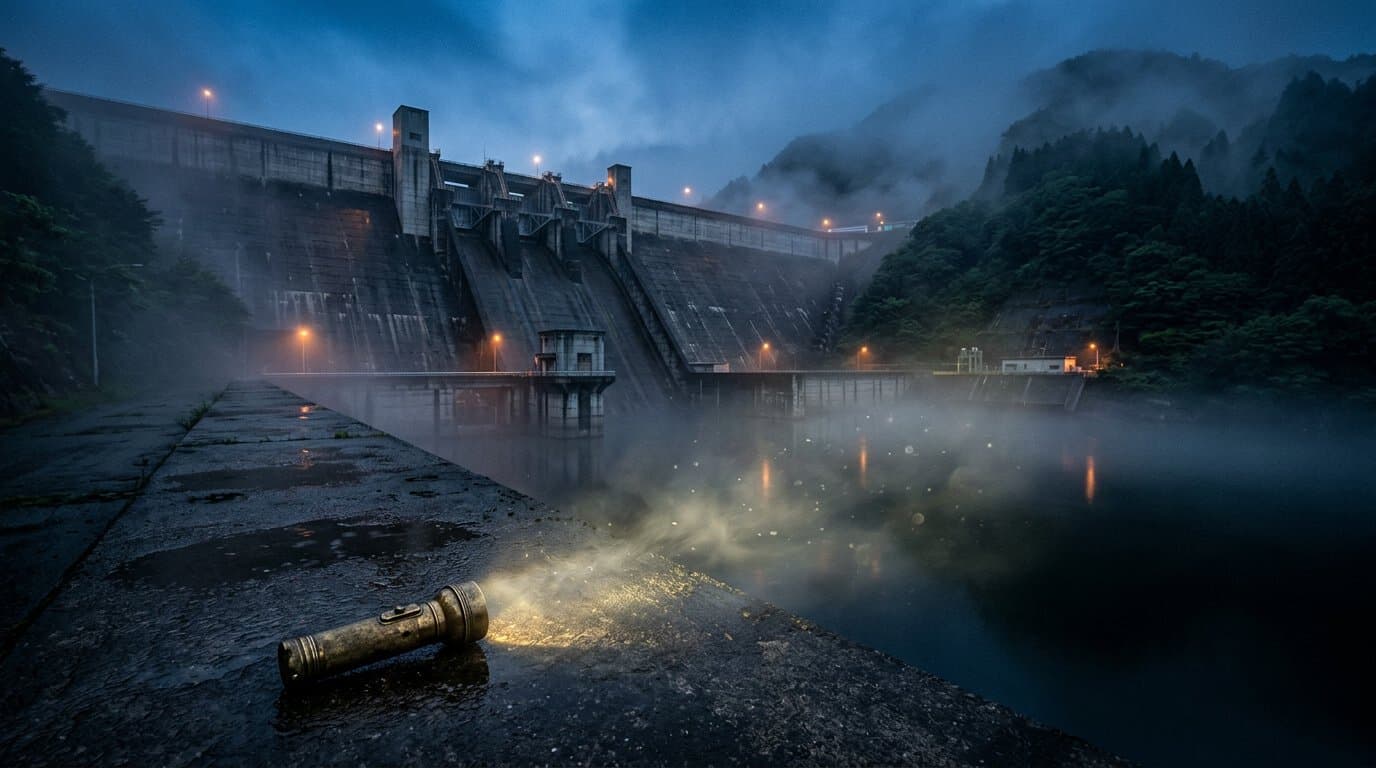
Tucked away in the rugged mountains of Minakami, the Tone River flows through a concrete giant that holds more than just water. The Fujiwara Dam disappearances have become a whispered legend among locals and urban explorers alike, blending tragic reality with unsettling mystery. Since its completion in 1957, this massive gravity dam has been the site of numerous accidents and unexplained vanishings that defy easy explanation.
While many incidents can be attributed to the treacherous terrain and the height of the structure, a lingering shadow remains over the deep, still waters. Hikers and fishermen occasionally vanish into the dense surrounding forests, leaving behind empty campsites and unanswered questions. There is a curious tension at the dam, where the line between a functional utility and a paranormal magnet seems to blur under the mist of the Gunma Prefecture highlands.
Key Takeaways
- The Fujiwara Dam’s dark reputation is rooted in its lethal construction history, where lax 1950s safety standards led to numerous worker fatalities that locals believe haunt the site.
- The dam is a premier Japanese ‘shinrei supotto’ (haunted spot), where urban legends suggest the spirits of the deceased pull visitors into the reservoir’s depths.
- While supernatural theories persist, the dense forests and steep, mist-covered terrain of the Gunma highlands create a treacherous natural labyrinth responsible for many disappearances.
- The site serves as a significant cultural intersection where functional infrastructure, documented human tragedy, and paranormal folklore blur the lines between physical accidents and spiritual mysteries.
Tragic History Behind The Concrete Walls
The construction of the Fujiwara Dam began in the early 1950s as a massive engineering project designed to harness the power of the Tone River. During this era, safety standards were far less stringent than they are today, leading to several documented workplace accidents. Local records and historical accounts from the Gunma Prefecture archives suggest that the dangerous conditions claimed the lives of multiple laborers before the dam was completed in 1957. These early tragedies left a lingering shadow over the concrete walls, sparking the first rumors that the site was spiritually unsettled. Many locals began to believe that the souls of those lost during construction never truly moved on from the riverbanks.
As the decades passed, the dam became a focal point for unusual vanishings and unfortunate incidents that extended beyond the initial construction phase. The rugged terrain surrounding the reservoir is notoriously difficult to navigate, and several hikers and fishermen have been reported missing in the dense forests nearby. While many of these cases are attributed to the harsh natural environment, the frequency of disappearances has fueled a darker narrative in Japanese urban legends. Some investigators and paranormal enthusiasts suggest that the heavy concentration of water and the history of human loss create a unique energy that draws people toward the edge. This blend of documented history and unexplained activity continues to make Fujiwara Dam a significant location for those studying the intersection of tragedy and the supernatural. Much like the way three men vanished into thin air at a remote lighthouse, these mountain disappearances leave behind eerie clues that defy simple logic.
Does the weight of a location’s history truly have the power to influence the present, or are these vanishings simply the result of the area’s dangerous geography? We invite you to share your thoughts on whether the restless spirits of the past could be playing a role in the modern mysteries of the Tone River.
Haunted Spot Folklore And Shinrei Supotto
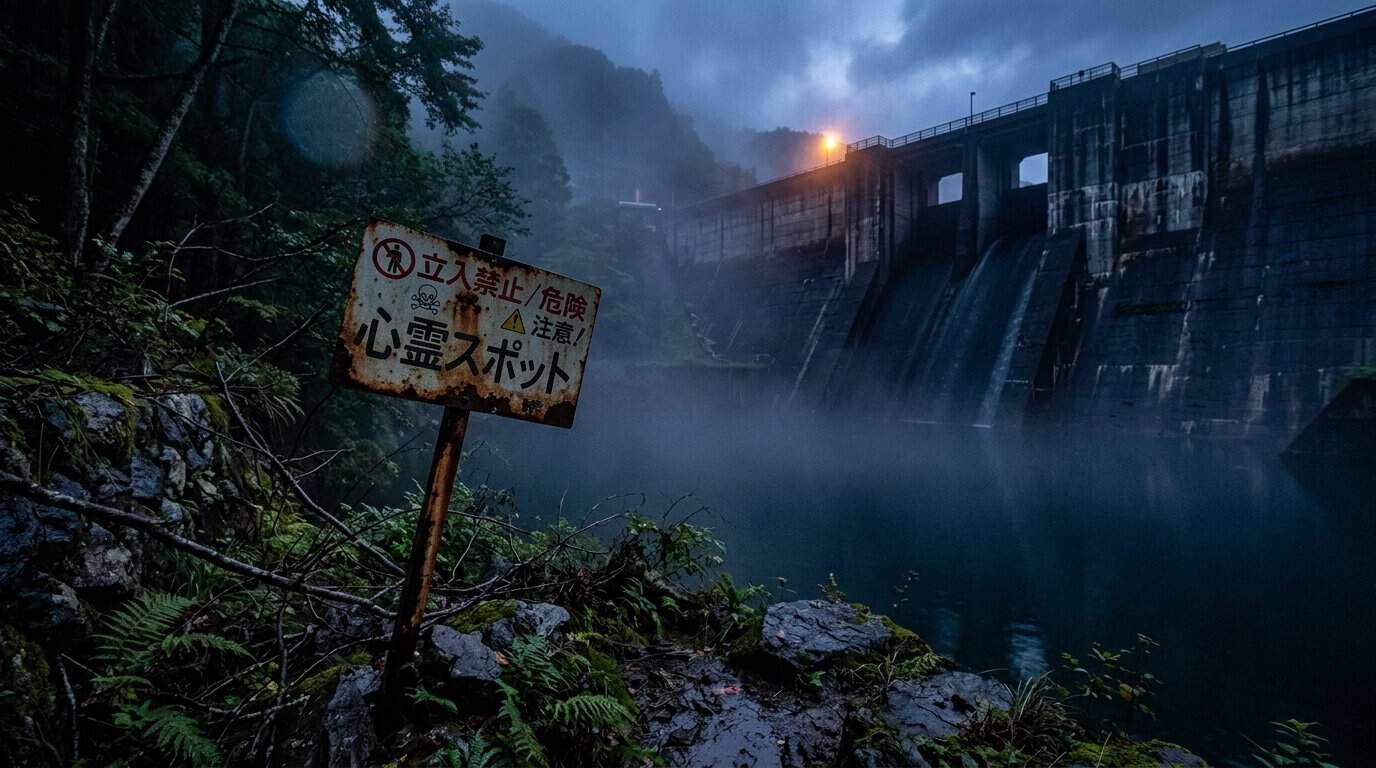
Deep within the rugged mountains of Gunma Prefecture, the Fujiwara Dam has earned a chilling reputation as one of Japan’s most notorious shinrei supotto, or haunted spots. Local folklore suggests that the heavy, still waters of the reservoir hold more than just the Tone River’s runoff. According to long standing urban legends, the spirits of those who perished during the dam’s grueling construction in the 1950s remain trapped beneath the surface. These restless souls are said to reach out from the depths, pulling unsuspecting visitors into the cold water to join them. Many locals avoid the area after sunset, claiming that the atmosphere shifts into something heavy and unwelcoming as the fog rolls off the surrounding peaks.
The connection between the dam and the supernatural is frequently discussed in Japanese paranormal media, where investigators often highlight the site’s tragic history. Beyond the ghost stories, the location has a documented history of suicides and accidental disappearances that provide a somber foundation for these myths. While skeptics point to the dangerous currents and the remote, slippery terrain as logical explanations for why people go missing, believers feel the energy of the place is undeniably cursed. This blend of tragic reality and spectral theory creates a narrative where the line between a physical accident and a spiritual encounter becomes blurred. The sheer height of the gravity dam serves as a grim reminder of the many lives that have ended in the shadows of the Minakami wilderness.
What do you think draws people to these isolated, haunted locations despite the lingering sense of danger? Is it possible that the concentrated grief and tragedy at Fujiwara Dam have left a permanent mark on the landscape, or are these disappearances simply the result of the unforgiving natural environment? The mystery of the reservoir continues to grow with every retelling, inviting us to look closer at the stories we tell about the places where nature and human tragedy collide. We invite you to share your thoughts on whether a location can truly hold onto the memories of the past. Exploring these cultural hauntings helps us understand the deep connection between Japanese river spirits and the very real mysteries found in the world around us.
Rugged Terrain And The Reality Of Vanishings
The dense forests surrounding the Fujiwara Dam in Gunma Prefecture present a beautiful but treacherous terrain that can easily disorient even the most experienced hikers. This rugged terrain is characterized by steep slopes, hidden ravines, and thick vegetation that can swallow a person whole if they stray from the established trails. Local records from the Minakami area suggest that many disappearances may stem from simple navigation errors or sudden changes in weather. When a hiker loses their way in this remote wilderness, the physical environment becomes their greatest adversary. The combination of high altitude and unpredictable mountain mist creates a natural labyrinth where reality and legend often blur together.
While many visitors are drawn to the dam by stories of hauntings and supernatural energy, the harsh reality of the Japanese backcountry offers a more grounded explanation for the missing. Search and rescue teams frequently cite the difficulty of locating individuals in areas where the ground is unstable and the foliage is nearly impenetrable. These geographic factors provide a logical framework for why some people seem to vanish without a trace, leaving behind only unanswered questions for their families. Much like the mystery of the Dyatlov Pass incident, the sheer frequency of these incidents keeps the mystery alive, as some vanishings occur under conditions that defy simple explanation. The silence of the forest seems to guard its secrets closely, blending the dangers of nature with the whispers of the unexplained.
Is the Fujiwara Dam simply a victim of its own dangerous geography, or do you believe there is something more mysterious pulling people into the shadows of the Gunma wilderness? Much like exploring Yonaguni Monument origins, the intersection of tragic accidents and local folklore makes this location a fascinating study in how we perceive the unknown. Many believe that the heavy atmosphere of the dam acts as a magnet for misfortune, while others see it as a reminder of nature’s indifferent power. We would love to hear your thoughts on whether these vanishings are purely a result of the terrain or if there is a deeper, perhaps spiritual, reason for the area’s dark reputation. Join the conversation below and share your theories on what truly happens in the woods of Minakami.
Where Infrastructure Meets the Macabre
The Fujiwara Dam stands as a striking example of how a functional piece of infrastructure can become a magnet for the macabre. While the dam serves a vital role in Gunma Prefecture, the tragic history of accidents and suicides has cast a long shadow over its concrete walls. This intersection of real world tragedy and local folklore has transformed the site into a staple of Japanese paranormal culture. The rugged terrain and deep waters provide a natural backdrop for mystery, making it easy to see why so many stories of missing persons have taken root here. Visitors often report a heavy atmosphere that lingers long after they leave the water’s edge.
The legends surrounding the disappearances often blur the lines between documented events and the supernatural. Local accounts frequently mention strange lights or a feeling of being watched, suggesting that the spirits of those lost still haunt the surrounding woods. While skeptics point to the dangerous hiking trails and the isolation of the Tone River as logical explanations, the sheer volume of reports keeps the mystery alive. Much like the mystery of the Lake Tianchi monster sightings, it is this delicate balance between geological danger and spiritual unrest that continues to draw investigators and curious travelers to the site. Whether the cause is physical or metaphysical, the reputation of the dam remains firmly etched in the local psyche.
Every location with a dark history seems to develop its own unique energy over time. Some believe that the land itself can hold onto the memories of past events, while others feel that our own fears create the ghosts we see. The Fujiwara Dam is a place where the beauty of the Japanese landscape meets a deep sense of unease. Why do you think certain locations like this dam become such powerful hubs for ghost stories and urban legends? We invite you to share your thoughts on whether these reputations are built on facts or if the human imagination is simply drawn to the unknown. This fascination with the otherworldly and the unexplained is a common thread throughout Japanese history, from ancient artifacts to modern-day mysteries.
Frequently Asked Questions
1. When did the Fujiwara Dam disappearances first begin?
The history of tragedy at the site dates back to the early 1950s when the dam was first being built. Multiple workers lost their lives during construction due to dangerous conditions, and these early deaths are often cited as the beginning of the site’s troubled reputation.
2. Are there official records of the people who have gone missing?
Yes, historical archives from the Gunma Prefecture and local police records document several cases of hikers and fishermen vanishing near the Tone River. These events share similarities with the Bennington Triangle disappearances, where individuals vanished in rugged mountain terrain with very little physical evidence left behind.
3. Why is the terrain around the Fujiwara Dam considered so dangerous?
The area is characterized by dense forests and steep, rocky inclines that are notoriously difficult to navigate even for experienced outdoorsmen. Frequent mist and sudden weather changes in the Gunma highlands can quickly disorient visitors, leading them away from marked paths.
4. What are the most common theories regarding the unexplained vanishings?
Many people believe the spirits of workers who died during the dam’s construction haunt the area and draw others into the water. Others suggest that the deep, still reservoir hides natural hazards like strong undercurrents or sudden drops that can overwhelm a person instantly. Similar reports of people vanishing in high-altitude environments can be found at the haunted peaks of other continents, where nature seems to claim visitors without warning.
5. Is it safe for tourists and urban explorers to visit the dam today?
The dam remains a functional utility and is open to the public, though visitors are urged to stay on designated trails and follow all safety signs. Exploring the dense woods alone is discouraged because the landscape is unforgiving and cell service can be unreliable in the deep mountain valleys.
6. How does the local community view the legends surrounding the dam?
Locals often treat the dam with a mixture of respect and caution, passing down stories of the unsettled souls tied to the riverbanks. While they acknowledge the practical importance of the dam, there is a widespread belief that the site holds a heavy energy that demands careful attention from anyone who visits.