The Bloop Sound Origin: Icequakes, Ocean Mystery, And The Evidence
The Bloop sound originated from one of the ocean’s strangest recordings: a powerful, rising pulse detected by underwater microphones in the summer of 1997. Its deep, otherworldly tone traveled across vast distances, inspiring theories about hidden sea creatures, secret technology, and unexplored parts of the ocean. For years, the sound seemed to come from something too large to imagine.
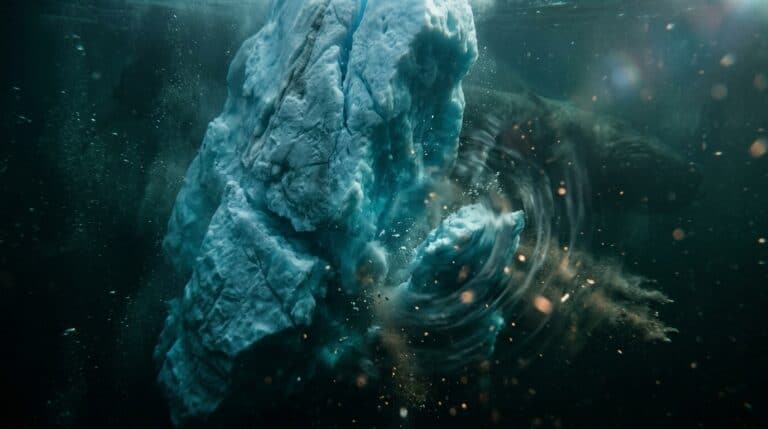
Evidence now points to a natural, but no less dramatic, source: a massive Antarctic iceberg cracking, shifting, or grinding against ice or the seafloor. Comparable icequake recordings closely match the Bloop. The mystery remains compelling because the original signal captured the ocean during a moment of immense, unseen force.
Key Takeaways
- The Bloop was detected in 1997 by NOAA’s Pacific hydrophone network as an exceptionally powerful, low-frequency signal that traveled thousands of miles across the ocean.
- The strongest evidence identifies the Bloop as an Antarctic icequake caused by a massive iceberg or ice mass cracking, shifting, calving, or grinding against ice or the seafloor.
- Comparisons with later Antarctic icequake recordings closely match the Bloop’s broad frequency range and rising tone, while no reliable evidence supports sea-monster, submarine, or secret-weapon theories.
- The eerie version commonly heard online is usually played at 16 times the original speed; at natural speed, the Bloop was a deep underwater rumble rather than a creature-like call.
The 1997 Bloop Detection
In the summer of 1997, NOAA’s Pacific Marine Environmental Laboratory hydrophone network picked up a sound unlike the usual rumble of waves, ships, or distant earthquakes. The recording was extremely powerful and very low in pitch, yet it covered a broad range of frequencies and rose sharply in tone. Because the network used underwater microphones spread across the Pacific, the same unusual signal reached sensors separated by thousands of miles. That wide detection area allowed researchers to compare timing and direction, suggesting that the source was enormous and far away rather than a nearby equipment fault.
The event quickly became known as the “Bloop,” and its strength turned a brief scientific recording into a lasting ocean mystery. At first, its unusual profile encouraged theories about an unknown animal or hidden activity beneath the sea, especially because no familiar source seemed to fit. Later comparisons by NOAA found that the Bloop closely resembled sounds produced when large Antarctic ice masses crack, fracture, calve, or grind against other ice. That explanation places the origin in a dramatic natural process while preserving the reason the recording captured public attention: an immense sound from a remote part of the ocean, detected before its source was understood.
Antarctic Icequake Evidence

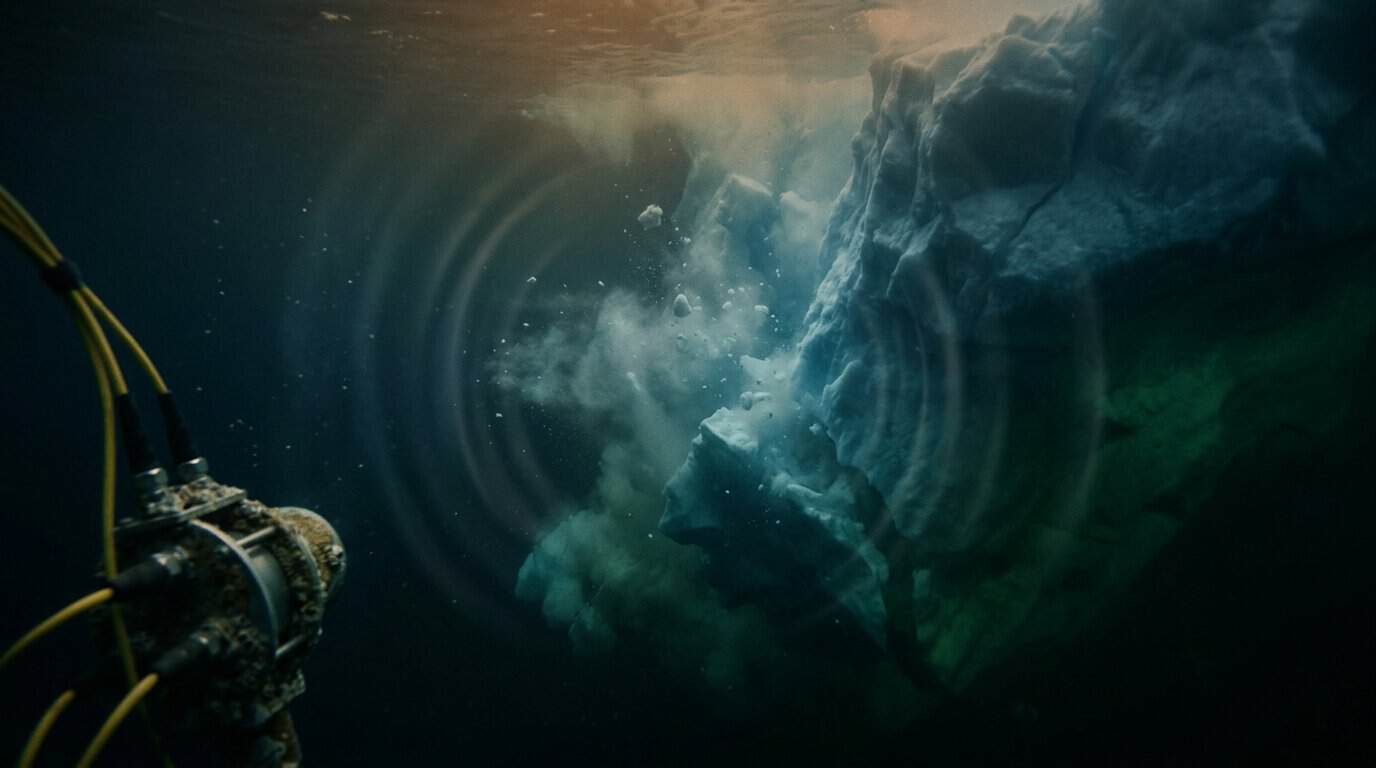
NOAA’s leading explanation places the Bloop’s origin in the cold waters around Antarctica, where a huge iceberg or ice mass may have cracked, fractured, or calved. Underwater microphones designed to track sounds across the ocean recorded the powerful signal in 1997. Its strength made the event seem almost alive when it was first heard. Scientists also allow for the possibility that moving ice ground against another iceberg or the seafloor, creating a deep, sweeping sound. This explanation keeps the mystery grounded in a real and dramatic process, even if it is less sensational than an unknown sea creature.
The case became stronger when NOAA compared the Bloop with later recordings of Antarctic icequakes. Those events produced similar low-frequency sounds and upward-sweeping patterns, showing that large pieces of ice can send signals across enormous distances through the ocean. The match does not identify the exact iceberg or pinpoint the precise motion that created the 1997 recording, but it offers a clear physical source. NOAA therefore considers an Antarctic icequake far more likely than a giant animal, submarine, or secret device.
One detail often makes the Bloop sound even more mysterious: the familiar version shared online is usually played at 16 times its original speed. The sped-up recording brings frequencies into a range that human listeners can hear more easily, but it also changes the way the event feels, making it seem sharper and more creature-like. At its natural speed, the signal was a very low, powerful underwater rumble rather than the eerie call many people recognize. The icequake explanation addresses the question of origin, while the strange recording still invites curiosity about the hidden forces moving beneath the Antarctic ice.
Sea Monster Theories And Scientific Tests
When the Bloop was recorded in the summer of 1997, its immense volume quickly inspired stories about a giant unknown animal hiding in the deep. A submarine or secret weapon also entered the conversation, especially because the source seemed powerful enough to cross an enormous stretch of ocean. These ideas remain part of the mystery’s cultural appeal, but no evidence connects the sound to a living creature, military vessel, or classified device. Readers exploring similar questions can compare it with other unexplained ocean sounds and the enduring legend of the Kraken.
The sound itself points in a different direction. NOAA describes the Bloop as a powerful, very low-frequency, broadband signal with an upward sweep, a pattern that resembles recordings made when Antarctic ice cracks, fractures, calves, or grinds against nearby ice or the seafloor. Later comparisons with many Antarctic icequakes showed striking similarities, making a large iceberg or ice sheet the strongest evidence-based explanation. Its ability to travel more than 5,000 kilometers underwater also helps explain why the event sounded so dramatic, since low-frequency noise can move across ocean basins with relatively little weakening.
A secret-weapon theory would require supporting evidence that has never emerged, while the submarine theory does not fit the signal’s unusual shape or extreme reach. The giant-animal idea is harder to dismiss emotionally, since much of the deep ocean remains unexplored, but a creature large enough to create a comparable sound would raise additional biological and physical questions. A simple timeline or waveform comparison, showing the 1997 recording beside known Antarctic icequake signals, could make the scientific case clearer without erasing the sense of wonder. For now, the Bloop is best understood as an icequake with an extraordinary story, though readers can decide whether the acoustic evidence closes the mystery or leaves room for something more.
Why The Bloop Still Fascinates
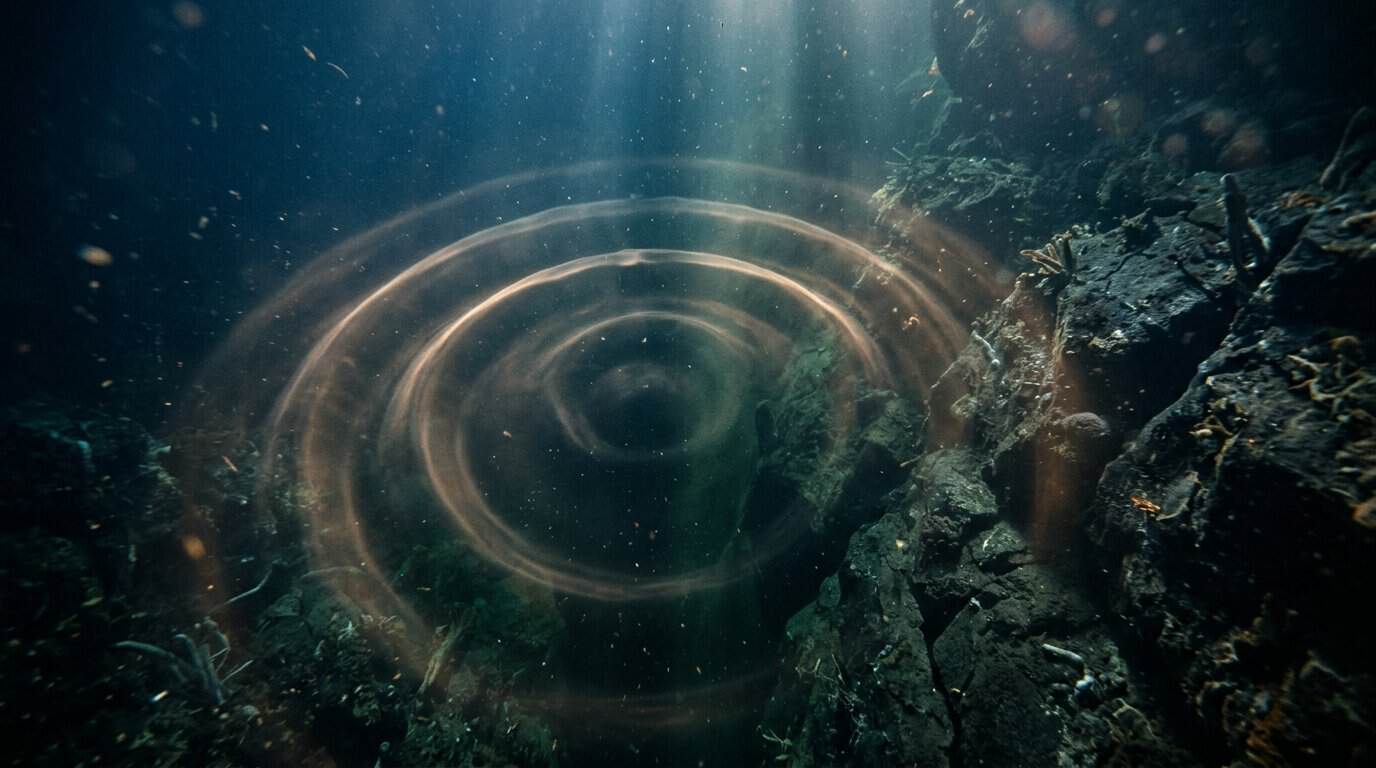
The Bloop still fascinates because its first impression was so powerful. Recorded in 1997 by NOAA’s underwater hydrophone network, the sound was deep, loud, and unlike anything most people had heard before. Early public information offered few details, leaving room for stories about hidden creatures, lost technology, or unknown forces in the ocean. When the dramatic audio clip spread online, its rising tone made the mystery feel almost alive. That combination of scarce information and unforgettable sound helped turn a scientific recording into a lasting internet legend.
NOAA now explains that the Bloop was almost certainly an icequake created when a large Antarctic iceberg or ice mass cracked, fractured, or shifted. Similar sounds recorded near Antarctica match its broad, upward-sweeping acoustic pattern, providing strong evidence for a natural source rather than a giant animal or secret machine. Yet the explanation does not make the deep ocean feel ordinary. It also reveals how much of the underwater world remains difficult to observe. The Bloop solved one mystery while pointing toward others, from changing polar ice to unexplored seafloor regions. Readers exploring related ocean mysteries can ask where scientific evidence ends and responsible curiosity begins.
Antarctic Icequake Likely Made the Bloop
The strongest evidence points to an Antarctic icequake as the Bloop’s origin. In 1997, NOAA’s Pacific Marine Environmental Laboratory hydrophone network recorded a powerful, very low-frequency sound with a distinctive upward sweep. Later comparisons showed that its pattern closely matched sounds made when large Antarctic ice masses crack, fracture, calve, or grind against ice or the seafloor. NOAA says similar icequakes can travel across great distances, explaining how the signal was detected far from Antarctica. The documented finding does not identify one exact iceberg, but it strongly supports ice as the source.
The mystery grew because the sound was unusually powerful and its source was unknown at first, leaving room for theories about an enormous animal, a hidden vessel, or something stranger beneath the waves. Those ideas remain part of the Bloop’s cultural story, but no reliable evidence supports them. Repeated acoustic comparisons, however, support the icequake explanation. That conclusion does not make the event ordinary, since the scale and reach of Antarctic ice can be astonishing in their own right. Does the scientific explanation make the Bloop story more satisfying, or does it make the ocean feel less mysterious?
Frequently Asked Questions
1. What is the most likely origin of the Bloop sound?
The Bloop most likely came from a massive Antarctic iceberg cracking, shifting, calving, or grinding against nearby ice or the seafloor. NOAA found that similar icequake recordings closely match the sound’s powerful, rising pattern.
2. When was the Bloop sound detected?
The Bloop was detected in the summer of 1997 by NOAA’s Pacific Marine Environmental Laboratory hydrophone network. Underwater microphones across the Pacific recorded the same signal, helping researchers study its timing and direction.
3. Why did the Bloop sound seem so mysterious?
The recording was unusually powerful, extremely low in pitch, and rose sharply in tone. Its strange profile and enormous range made it difficult to connect with familiar sources such as ships, waves, or ordinary earthquakes.
4. Could the Bloop have come from a giant sea creature?
The idea of an unknown sea creature became popular because the sound seemed too large and unusual to explain. However, no verified biological evidence supports that theory, while the close match with Antarctic icequake sounds provides a stronger natural explanation.
5. How did scientists determine that the Bloop came from far away?
The signal reached hydrophones separated by thousands of miles across the Pacific. By comparing when the sound arrived at each sensor, researchers could estimate its direction and distance, showing that it was a powerful, remote event rather than a nearby equipment problem.
6. What evidence links the Bloop to Antarctic ice?
NOAA compared the Bloop with recordings made when large Antarctic ice masses fracture, crack, or grind against one another. Those icequake sounds share the Bloop’s broad frequency range, rising tone, and immense underwater reach.
7. Is the Bloop mystery completely solved?
The strongest scientific explanation is that the Bloop was produced by moving or breaking Antarctic ice. The exact piece of ice and the precise event that created the 1997 signal may never be identified, leaving a small but intriguing gap in the story.