
The Mystery Of The Green Children Of Woolpit
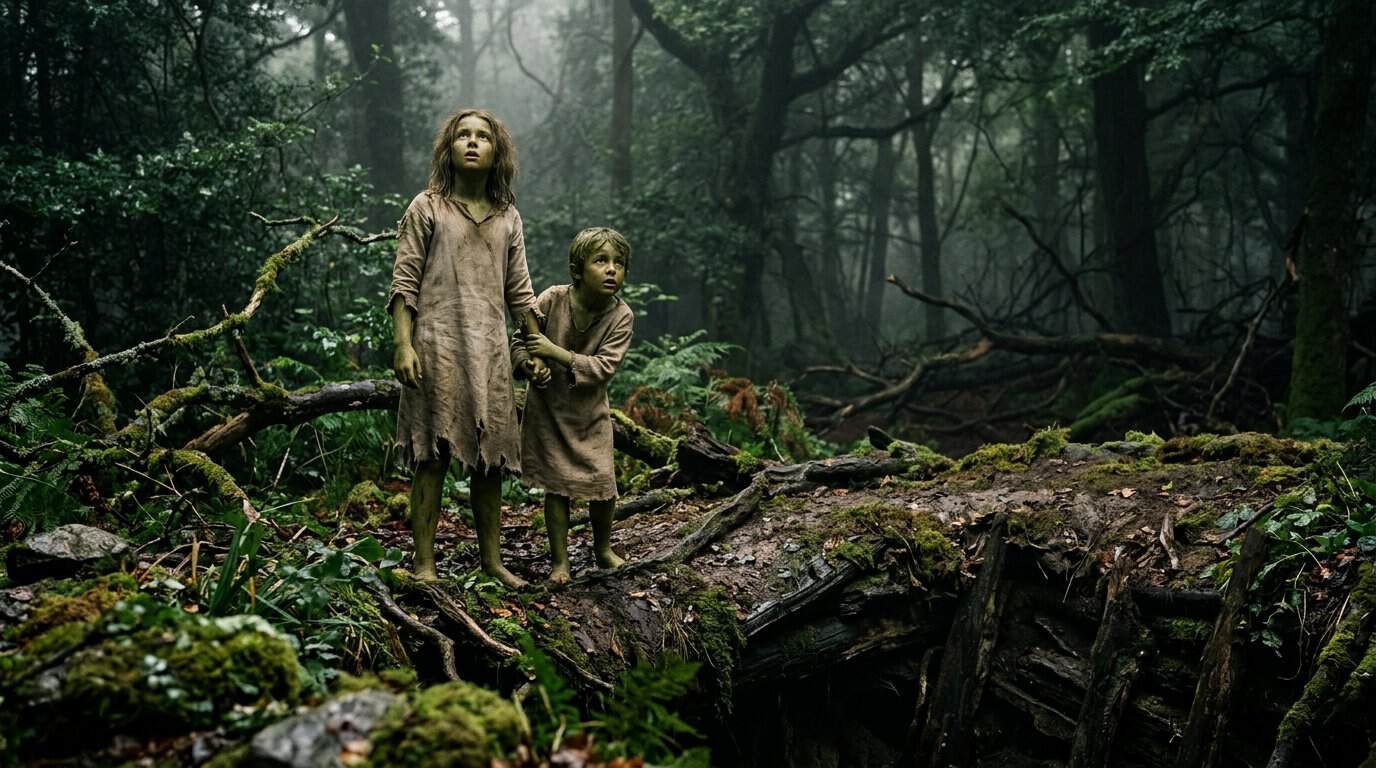
In the 12th century, a quiet village in Suffolk became the site of a mystery that still baffles historians and folklore enthusiasts today. Two siblings with vibrant, emerald-tinted skin suddenly crawled out of the earth near the wolf pits during harvest time. This strange discovery of the green children of Woolpit left the local farmers in shock, as the pair spoke an unknown language and wore clothing made of mysterious materials.
While many legends fade with time, the account of these emerald visitors was documented by respected medieval chroniclers as a factual event. The children initially refused all food, weeping until they were presented with raw green beans, which they ate with desperate hunger. As they slowly adapted to their new world, their story sparked a debate that bridges the gap between scientific explanation and the truly unexplained.
Key Takeaways
- The 12th-century discovery of two green-skinned children in Woolpit is a documented historical mystery recorded by respected medieval chroniclers William of Newburgh and Ralph of Coggeshall.
- The children’s distinctive emerald complexion likely resulted from chlorosis, a nutritional deficiency known as ‘green sickness’ that vanished once they transitioned from raw beans to a standard local diet.
- Historical evidence suggests the siblings may have been displaced Flemish refugees who became lost in local flint mines, explaining their unfamiliar language, strange clothing, and descriptions of a sunless ‘twilight’ world.
- While the boy died shortly after discovery, the girl successfully integrated into Suffolk society, eventually learning English and providing a haunting account of her origins in the ‘Land of Saint Martin.’
Strange Discoveries At The Medieval Wolf Pits
During the chaotic reign of King Stephen in the mid-twelfth century, a group of harvesters in the village of Woolpit stumbled upon a sight that defied all logic. While working near the deep pits designed to trap predatory wolves, they discovered two young children huddled together in the shadows. These siblings, a boy and a girl, were not typical local wanderers, as their skin glowed with a distinct and vibrant green hue. They wore garments fashioned from strange materials that no villager could recognize, and they spoke in a rhythmic, unknown tongue that sounded like gibberish to the gathered crowd. Chroniclers William of Newburgh and Ralph of Coggeshall both documented this bizarre encounter, noting how the children seemed completely disoriented by their new surroundings.
The mysterious pair was eventually taken to the nearby home of a local knight named Sir Richard de Calne, where their strange behavior continued to baffle their captors. Despite being clearly exhausted and hungry, the children wept inconsolably and refused to touch any of the traditional English fare placed before them. They ignored fresh bread and cooked meats, appearing frightened by the very sight of common medieval provisions. This hunger strike lasted until some villagers brought in a harvest of raw green beans, still attached to their green stalks. The children lunged for the beans with visible excitement, though they initially looked for the food inside the hollow stalks rather than the pods themselves.
For many months, these green beans were the only source of nourishment the children would accept, suggesting a diet vastly different from that of the Suffolk peasantry. As they slowly began to adapt to their new life, the green tint of their skin started to fade, eventually revealing a complexion that looked like any other local child. While the boy tragically grew sickly and passed away, the girl survived and eventually learned to speak English, allowing her to share a haunting tale of a sunless underground realm. This transition from otherworldly visitors to integrated villagers remains one of the most compelling parts of the green children of Woolpit legend. It forces us to wonder if they were truly from another world or simply victims of a very strange historical accident.
Life In The Land Of Saint Martin
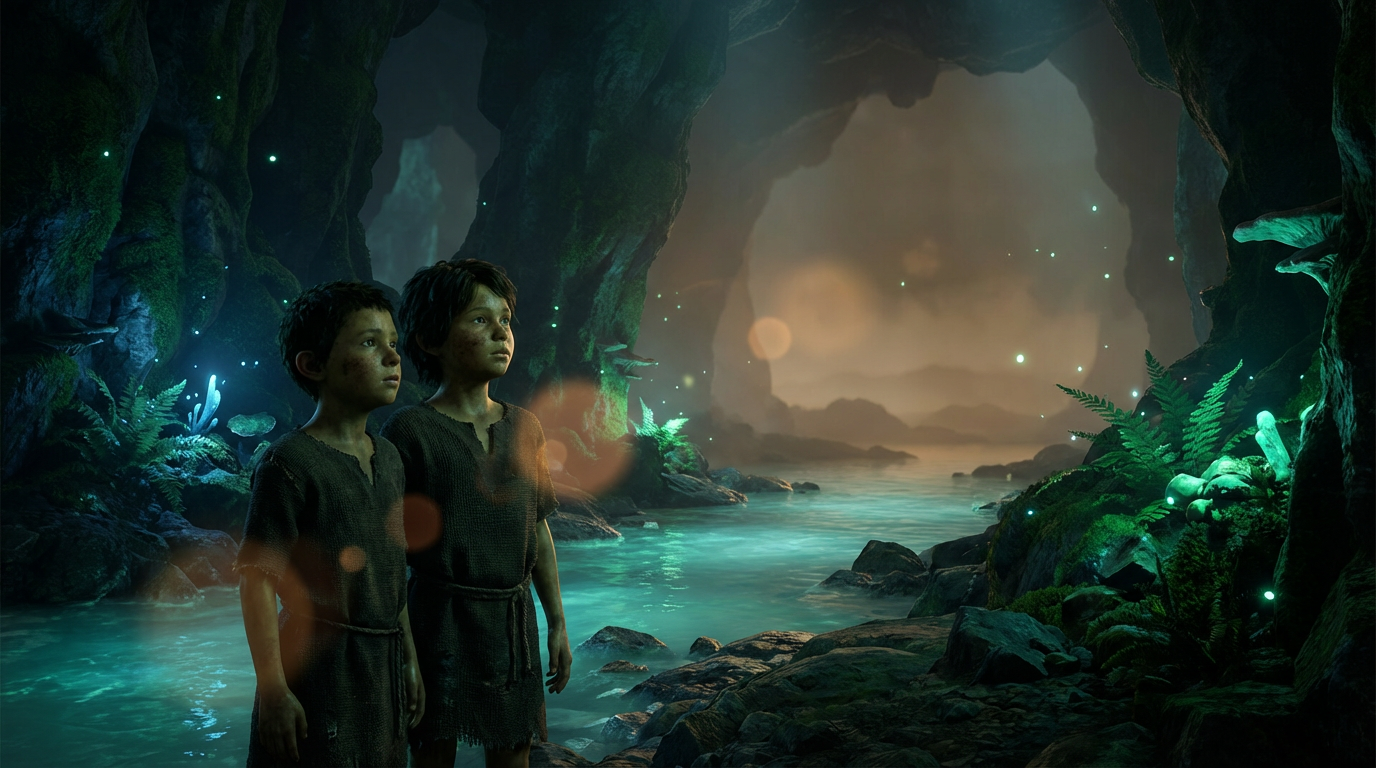
As the green-skinned girl eventually adapted to her new life in Woolpit, she began to learn English and shared a fascinating account of her origins. She described a subterranean world known as the Land of Saint Martin, where every inhabitant possessed the same verdant complexion. According to the chronicles of William of Newburgh, this realm existed in a state of sunless twilight world where the sun never truly rose or set. The girl explained that her people were Christians and lived a peaceful life, though their environment felt vastly different from the bright surroundings of Suffolk. This description suggests a place tucked away from the known world, existing in the shadows of history.
The most striking detail of her story involved a distant, glowing country that the children could see across a massive river. While their own land was dim and muted, this neighboring territory shone with a brilliant luminosity that they could only admire from afar. The girl recounted how she and her brother were tending to their father’s cattle when they heard the ringing of bells, which drew them toward a cavern. They followed the sound through the darkness until they suddenly emerged into the blinding sunlight of the wolf pits. This transition from a sunless world to a vibrant one remains the most mysterious part of her testimony, bridging the gap between medieval reality and the supernatural.
What do you think happened to these children in the depths of that cavern? Many wonder if the Land of Saint Martin was a physical location hidden underground or perhaps a glimpse into another dimension entirely. Some researchers suggest the twilight world was a metaphor for a specific historical region, while others believe the girl’s words point to something truly unexplained. The mystery invites us to consider how much of our own world remains undiscovered beneath our feet. We would love to hear your thoughts on whether this story is a misunderstood historical event or a genuine encounter with the unknown.
Historical Explanations And Hidden Flemish Roots
While the green tint of the children’s skin sounds supernatural, many historians point to a medical condition known as chlorosis green sickness, which was often the result of a very poor diet and could cause the skin to take on a distinct olive or yellowish-green hue. Chroniclers like William of Newburgh noted that the children eventually lost their green color once they began eating a more diverse range of local foods. This suggests that their mysterious appearance may have been a physical symptom of malnutrition or even accidental arsenic poisoning from local water sources. Such a grounded explanation helps bridge the gap between a fairy tale and a documented medical reality.
A more historical theory suggests the children were actually orphans of displaced Flemish refugees who were caught in the crossfire of a 12th century civil war. During the Battle of Fornham in 1173, many Flemish weavers were killed or displaced near the area where the children were discovered. It is possible the siblings fled into the forest and became lost in the local flint mines, which would explain their strange clothes and unknown language. Their green world might have been the sun-dappled canopy of the woods or a specific village they remembered through the haze of trauma. This theory transforms the story from a paranormal event into a poignant account of refugees struggling to survive in a hostile land.
The mystery of the green children continues to fascinate us because it sits right on the edge of what we can prove. Much like an ancient navigator’s secret, the truth behind their origin remains hidden behind layers of time and interpretation. Whether they were visitors from another dimension or simply lost children suffering from a rare illness, their story remains a powerful part of Suffolk folklore. Some researchers still wonder if the children’s incomprehensible language was actually a specific dialect of Flemish that the local villagers simply did not recognize. This blend of historical documentation and lingering questions keeps the legend alive for every new generation of curious minds. Do you think the Green Children were truly from another world, or does the story of lost refugees feel more like the truth?
Modern Perspectives On An Ancient Suffolk Enigma
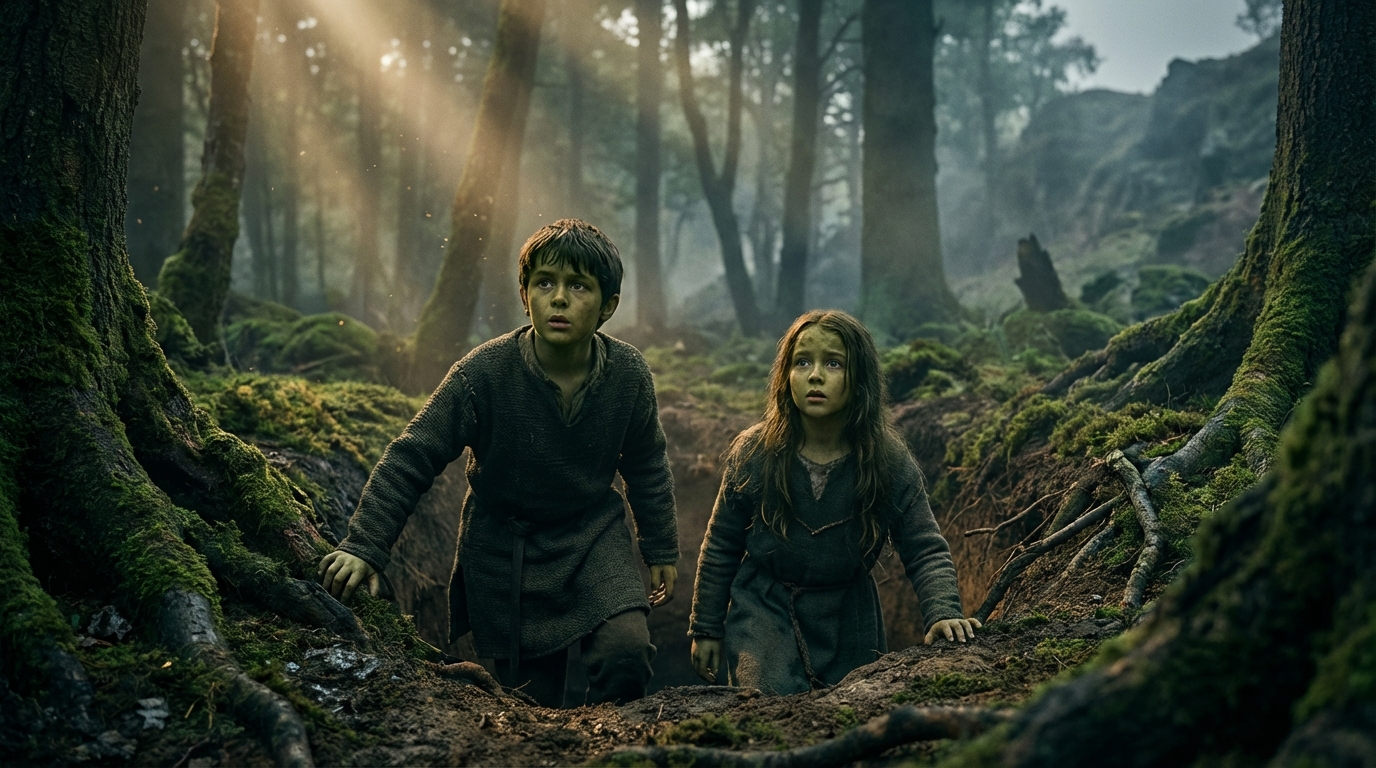
Modern researchers often look toward medical explanations to solve the puzzle of the children’s vibrant green skin. One popular theory suggests the siblings suffered from chlorosis, a form of anemia caused by extreme malnutrition that can result in a distinct greenish complexion. Chroniclers like William of Newburgh and Ralph of Coggeshall noted that the children’s skin eventually returned to a normal color after they integrated into the village and adopted a standard local diet. This physical change supports the idea that their appearance was a biological reaction to their previous environment rather than a supernatural trait. While this scientific lens provides a grounded explanation, it does little to explain their strange clothing or the unknown language they spoke.
The mystery takes a fascinating turn when we consider the historical context of 12th century England and the influx of Flemish immigrants. Some historians propose that the children were the survivors of a persecuted Flemish family who had been hiding in the nearby Thetford Forest. The subterranean world they described as St. Martin’s Land might have been a distorted memory of the flint mines or dense woodlands where they sought refuge. Their incomprehensible speech was likely just a regional dialect that the local Suffolk villagers had never encountered before. This theory transforms the tale from a fairy story into a poignant account of lost refugees trying to survive in a hostile environment.
Despite these rational theories, the story of the green children continues to capture the imagination of those who love a good mystery. Whether they were lost orphans or visitors from another realm, their presence in the wolf pits of Suffolk remains a cornerstone of British folklore. The balance between documented history and the unexplained is what makes this case so compelling for modern readers. It invites us to wonder if there are still secrets buried in the English countryside that science cannot fully reach. Much like the 1561 Nuremberg event, what do you think happened on that strange day in Woolpit? Do you believe the children were victims of a tragic misunderstanding, or does their story point toward something truly otherworldly?
The Everlasting Mystery of the Emerald Siblings
The legacy of the Green Children of Woolpit remains a captivating bridge between the documented history of medieval England and the boundless realm of the unexplained. This story has survived for nearly nine centuries because it refuses to be neatly categorized as either pure fiction or simple historical fact. By blending the strange reality of the wolf pits with the eerie image of two emerald hued siblings, the account taps into a deep human curiosity about the unknown. It serves as a reminder that even in a world of growing scientific clarity, some shadows from our past still hold their secrets.
The enduring appeal of this mystery lies in its unique ability to spark the imagination while inviting serious historical inquiry. Whether the children were Flemish orphans suffering from malnutrition or travelers from a hidden subterranean world, their journey resonates with anyone who has ever felt like an outsider. This narrative encourages us to look closer at the fringes of our history and wonder what else might have been lost to time. By maintaining a balance between skeptical research and an open minded sense of wonder, we keep the spirit of discovery alive for future generations.
What do you believe is the most likely explanation for the green tinted skin and strange language of these mysterious children? Do you think the truth lies in a tragic historical event, or is there a chance that a more supernatural origin is at play? We would love to hear your thoughts and theories on this centuries old puzzle in the comments below. Engaging with these stories helps us explore the boundaries of our world and the many legends that continue to shape our understanding of the past. Much like the dancing plague of 1518, these events challenge our perception of historical reality.
Frequently Asked Questions
1. When and where did the green children first appear?
The children emerged during the 12th century in the village of Woolpit, located in the county of Suffolk, England. They were discovered near deep pits used for trapping wolves during the busy harvest season under the reign of King Stephen.
2. What did the children look like when they were found?
The siblings possessed a striking emerald green skin tone and wore clothing made from unusual, unrecognizable fabrics. While they appeared human in shape, their strange language and vibrant color set them apart from anyone in the local community.
3. What did the green children eat to survive?
Initially, the children refused all standard food and wept from hunger until they were shown raw green beans. They ate the beans straight from the stalks with great intensity, though they eventually transitioned to a normal diet and lost their green skin tint.
4. Who recorded the history of this strange event?
Respected medieval chroniclers William of Newburgh and Ralph of Coggeshall both documented the encounter as a factual occurrence. Their accounts provide the primary historical framework for the mystery, detailing the children’s time at the home of Sir Richard de Calne.
5. What happened to the children after they were discovered?
The young boy unfortunately became sickly and passed away shortly after their arrival, but his sister survived and adapted to her new life. She eventually learned English, was baptized, and lived for many years as a member of the local community.
6. Where did the children claim to come from?
Once she learned the language, the girl described a sunless, twilight world called St. Martin’s Land where everything was green. She explained that they were herding cattle when they followed a loud bell into a cavern and emerged in the bright sunlight of Woolpit.
7. Is there a scientific explanation for their green skin?
Some researchers suggest the children suffered from chlorosis, a nutritional deficiency often called green sickness that can be caused by a very poor diet. This theory explains why their skin returned to a normal color once they began eating regular, healthy food in the village.