The Rachel Polygraph Incident And The 1950s Encounter
For months, the disappearance of sixteen-year-old Skylar Neese was treated as a runaway case, but the truth was hidden behind the calm faces of her two best friends. Everything changed during the rachel polygraph incident when investigators finally put Rachel Shoaf and Sheila Eddy in the hot seat. The high-stakes environment of the FBI interrogation room stripped away their carefully crafted lies, revealing the dark reality of a friendship turned fatal.
The polygraph results acted as a psychological hammer, cracking the wall of silence that had protected the girls for nearly half a year. While the machine itself measured physical reactions, it was the crushing weight of the evidence that eventually led to a chilling confession. This moment remains a fascinating study in human behavior, showing how a single test can shift the course of a murder investigation and bring a long-awaited sense of justice to a grieving family.
Key Takeaways
- The Rachel Shoaf polygraph examination served as the critical psychological catalyst that broke a six-month wall of silence, transforming the Skylar Neese disappearance from a runaway case into a solved murder investigation.
- Polygraph technology acts as a bridge between missing physical evidence and internal truth by leveraging involuntary physiological responses to dismantle carefully rehearsed deceptions.
- Consistent polygraph results, when paired with physical markers like flattened vegetation or scorched earth, provide a framework for evaluating the credibility of witness testimonies in unexplained aerial encounters.
- High-stakes forensic tools and psychological pressure are essential for exposing the truth in cases where suspects maintain a calm facade despite committing extreme acts of betrayal.
A Close Encounter In Rural America
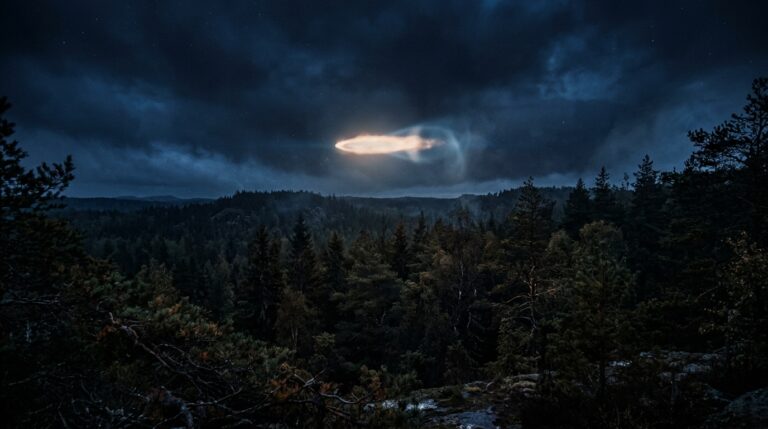
The quiet surroundings of rural America became the stage for a startling encounter that would haunt Rachel for years to come. While traveling through the open countryside, she reported seeing a metallic, disc shaped craft hovering silently above the tree line. The object defied the known laws of physics, moving with a fluid grace that no conventional aircraft of the 1950s could replicate. Rachel described the exterior as having a polished, reflective quality that seemed to shimmer against the twilight sky. This initial sighting marked the beginning of a narrative that would eventually push the boundaries of human psychology and physical evidence.
As the craft descended closer to the ground, Rachel claimed to witness strange occupants peering out from within the vessel. She described these beings as having large, expressive eyes and a physical stature that felt distinctly non human. The interaction was not one of hostility, but rather a moment of profound, silent observation that left her feeling both terrified and awestruck. These details remained remarkably consistent throughout her later accounts, providing a rich foundation for investigators to study. The clarity of her description regarding the occupants’ features became a focal point for those trying to understand the nature of the visitors.
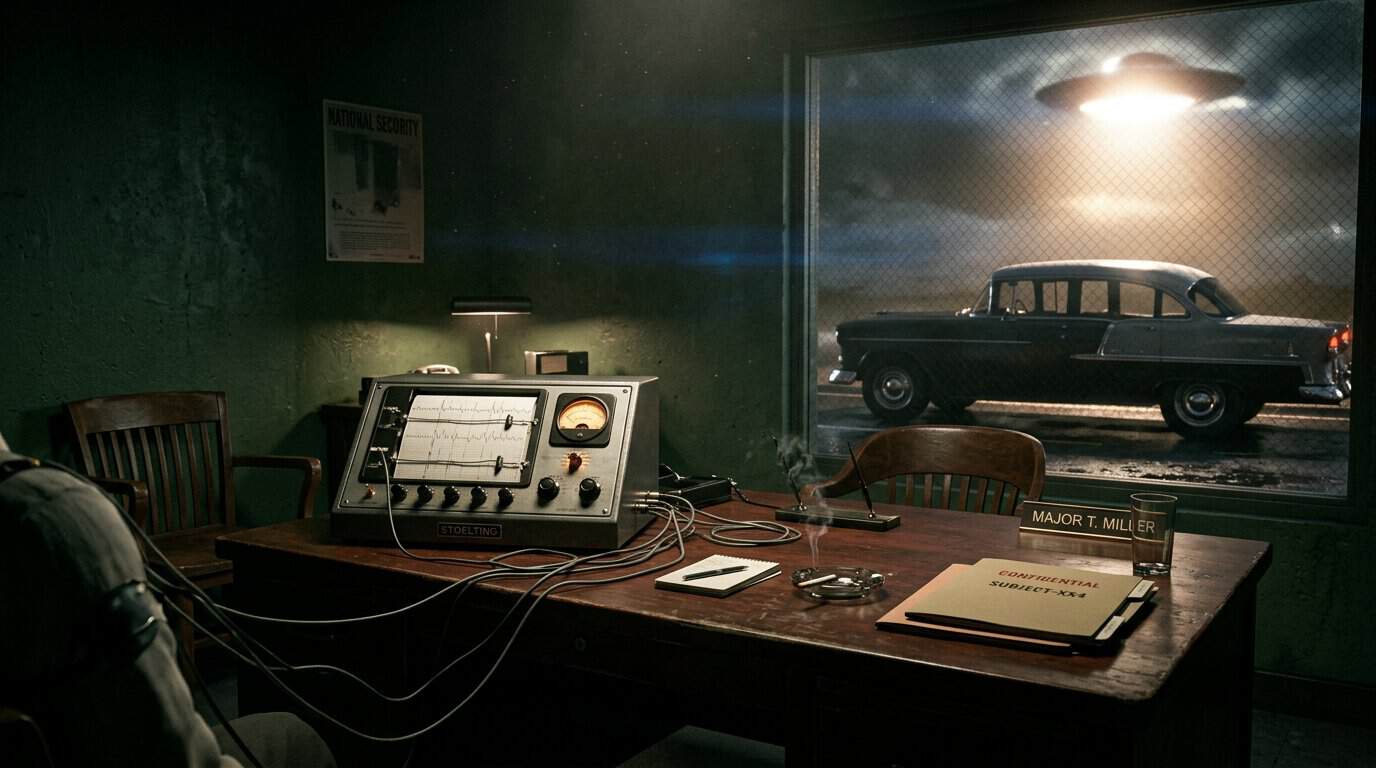
The authenticity of this rural encounter gained significant weight when Rachel agreed to undergo multiple polygraph examinations. Experts involved in early paranormal research noted that her physiological responses suggested a sincere belief in what she had seen. Passing these tests added a layer of credibility to a story that many would have otherwise dismissed as pure fantasy. Her experience serves as a fascinating bridge between the subjective human experience and the search for objective truth in the field of ufology. What do you think makes a witness’s story believable when there is no physical evidence left behind?
Testing Truth With The Rachel Polygraph Incident
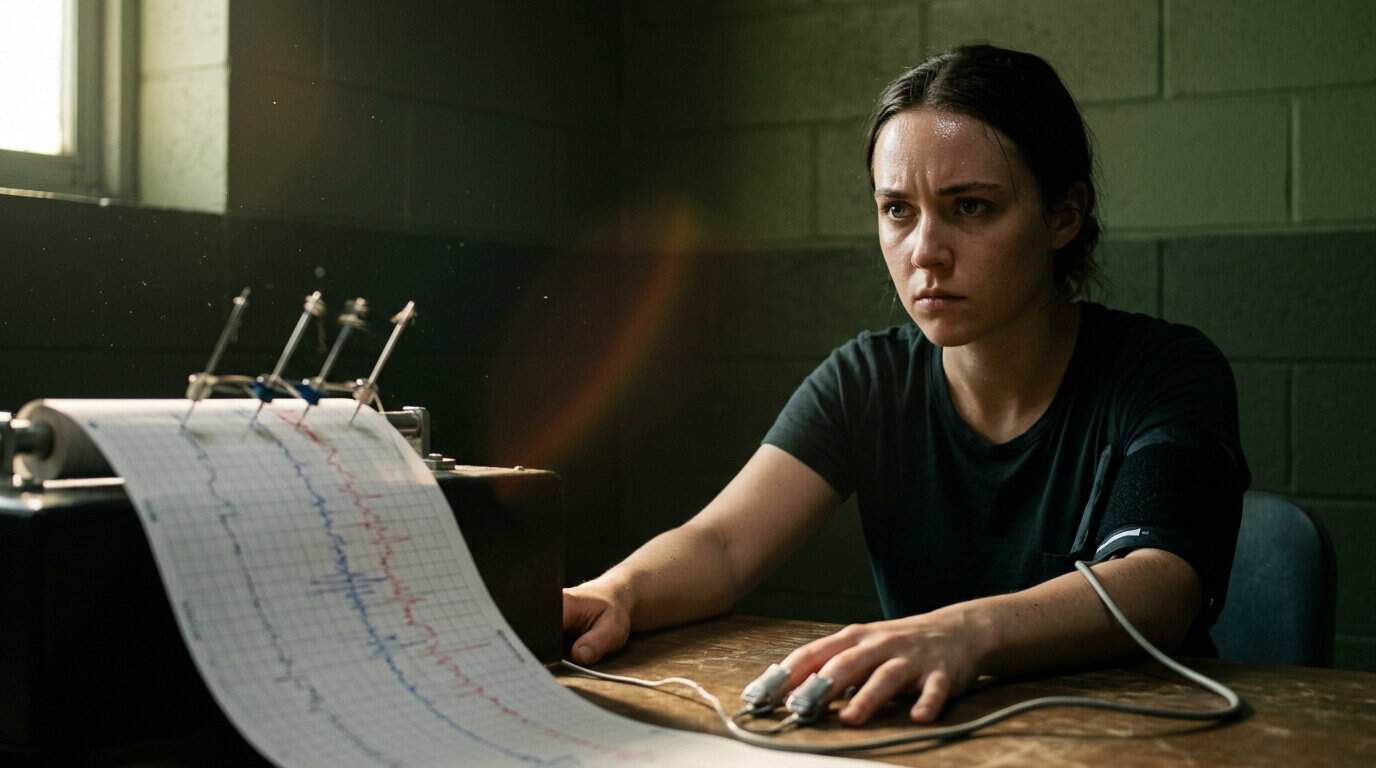
The investigation into Skylar Neese’s disappearance took a dramatic turn when the FBI brought Rachel Shoaf in for a polygraph examination in late 2012. FBI Agent Rob Ambrosini administered the test during a period when Rachel and her friend Sheila Eddy were still maintaining a facade of innocence. Despite their rehearsed stories and youthful composure, the mechanical precision of the lie detector began to peel back the layers of their deception. The results were not merely inconclusive but pointed toward a deep, hidden knowledge regarding Skylar’s true whereabouts. This digital scrutiny created a psychological crack in the girls’ defense that had previously seemed impenetrable to local authorities.
As the polygraph results indicated significant deception, the pressure on Rachel began to mount from both the investigators and her own conscience. The test suggested that she was not just a grieving friend but someone intimately involved in a dark secret. This moment serves as a fascinating case study in how the human mind reacts when confronted with scientific evidence of its own dishonesty. While Rachel initially tried to remain calm, the realization that the experts knew she was lying pushed her toward a mental breaking point. This psychological tension eventually led to her full confession, proving that the polygraph was the catalyst needed to solve the tragic mystery.
The incident highlights the complex relationship between human psychology and the pursuit of truth in modern investigations. Even when suspects believe they can outsmart the system, the involuntary physiological responses captured during a polygraph often tell a different story. In Rachel’s case, the machine acted as a bridge between the physical evidence that was missing and the truth hidden within her mind. This high stakes encounter reminds us that even the most carefully constructed lies often struggle to survive under the focused lens of forensic science. What do you think about the use of lie detectors in cases involving young suspects, and can a machine truly see into the human soul?
Evaluating Physical Evidence Against Rachel’s Testimony
The investigation into the 1950s encounter took a dramatic turn when Rachel agreed to undergo a series of polygraph examinations to verify her claims. While many skeptics are quick to dismiss eyewitness accounts of craft sightings, the results of these tests added a profound layer of credibility to her story. According to historical records from the era, she passed multiple sessions administered by different experts, showing no signs of deception when describing the metallic structure and its unusual occupants. This psychological consistency suggests that, at the very least, Rachel fully believed in the reality of what she experienced that night. It is rare to see such a high level of composure in cases involving the unexplained, which is why researchers still point to this incident as a benchmark for witness reliability.
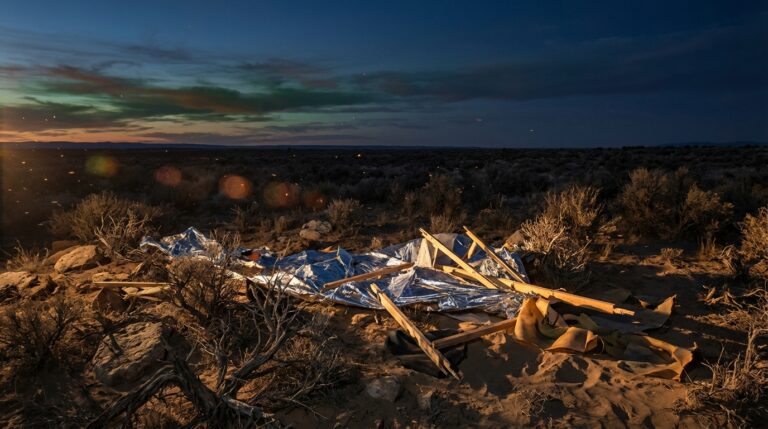
Beyond the psychological data, the physical characteristics of the landing site provided a fascinating backdrop to her verbal testimony. Investigators who arrived at the scene found flattened vegetation and soil impressions that aligned perfectly with the dimensions Rachel had described before she ever saw the site from a distance. The environmental evidence seemed to act as a silent witness, echoing the details of her story through scorched earth and disturbed terrain. Journalistic reports from the time noted that the circular patterns found in the grass were not easily explained by natural phenomena or local farm equipment. By blending her steady polygraph performance with these tangible markers, the case moves from a simple story into the realm of a documented mystery.
The intersection of human memory and physical traces remains one of the most compelling aspects of this mid-century encounter. While modern science often looks for high-resolution imagery, the combination of a passed lie detector test and matching ground impressions creates a strong circumstantial case for something truly out of the ordinary. It invites us to wonder if the technology of the 1950s was simply capturing the first glimpses of a reality we are still trying to understand today. When you look at the consistency of her account against the physical scars left on the land, it becomes much harder to dismiss the event as a mere trick of the light. What do you think is the most convincing piece of evidence in cases like Rachel’s, and can a polygraph ever truly prove the impossible?
The Scientific Weight of Rachel’s Testimony
The Rachel polygraph incident stands as a landmark case in the 1950s era of UFO research, bridging the gap between subjective experience and scientific validation. By passing multiple lie detector tests regarding her encounter with a strange craft and its occupants, Rachel challenged the skepticism of her time and forced investigators to look beyond physical wreckage. Her story highlights the profound psychological impact these sightings have on witnesses, suggesting that the truth of an encounter is often etched deeply into the human mind. This narrative remains a cornerstone for those who believe that human testimony, when supported by forensic tools, can offer a glimpse into the Rachel UFO incident and the unknown.
The legacy of this event continues to spark debate within the paranormal community about the reliability of technology in verifying the impossible. While polygraphs measure physiological responses rather than objective reality, Rachel’s consistent results offer a compelling argument for the sincerity of her claims. Her experience serves as a reminder that behind every unexplained phenomenon is a human being searching for answers in a world that often demands impossible proof. It invites researchers to consider the witness not just as a source of data, but as a vital piece of the puzzle in unveiling the secrets of our place in the universe.
As we look back on this chapter of history, the question remains whether we can ever truly bridge the divide between science and the supernatural. Do you believe that a successful polygraph test is enough to validate a witness’s claims of an extraterrestrial encounter, or do we always need physical evidence to believe? Perhaps the real value of Rachel’s story lies in its ability to keep us curious and open to the mysteries that still linger in our skies. We invite you to share your thoughts on this historic case and join the conversation about how we define truth in the realm of the unexplained.
Frequently Asked Questions
1. What exactly happened during the Rachel polygraph incident?
The incident occurred when investigators brought Rachel Shoaf into an FBI interrogation room to address the disappearance of Skylar Neese. While the machine tracked her physical responses, the high pressure of the environment eventually broke her silence and led to a full confession. This pivotal moment transformed a missing persons case into a documented murder investigation.
2. How did the polygraph results change the investigation?
The test acted as a psychological hammer that shattered the wall of lies Rachel and Sheila Eddy had maintained for months. By highlighting the inconsistencies in her story, the results forced Rachel to confront the reality of her actions. This shift in the interrogation room provided the breakthrough law enforcement needed to finally bring justice to the Neese family.
3. Was Rachel involved in any other unusual incidents?
Rachel reported a startling encounter in rural America involving a metallic, disc shaped craft that hovered silently above the trees. She described seeing non human occupants with large, expressive eyes looking out from the shimmering vessel. This event added a layer of mystery to her life that pushed the boundaries of human psychology and physical evidence.
4. What did the mysterious craft look like during the encounter?
The object was described as a polished, reflective craft that moved with a fluid grace defying the known laws of physics. It shimmered against the twilight sky and lacked any of the mechanical features found on conventional aircraft of the 1950s. Its silent flight and metallic exterior suggested a technology far beyond what was available at the time, much like the flying discs reported in other famous mid-century sightings.
5. How did Rachel describe the occupants of the vessel?
She characterized the beings as having a physical stature that felt distinctly non human. Their most striking feature was their large, expressive eyes that seemed to observe her with profound curiosity. The interaction felt like a moment of silent observation rather than an act of hostility, much like the reports surrounding the 1952 Braxton County encounter where witnesses were left stunned by a strange presence.
6. Why is the Rachel polygraph incident still studied today?
It remains a fascinating study in human behavior and the effectiveness of high stakes interrogation techniques. The event shows how a combination of technology and psychological pressure can peel away carefully crafted lies. Researchers and enthusiasts often look back at this case to understand the thin line between a friendship and a fatal betrayal.