The Hidden History Of The Lorenzen UFO Files
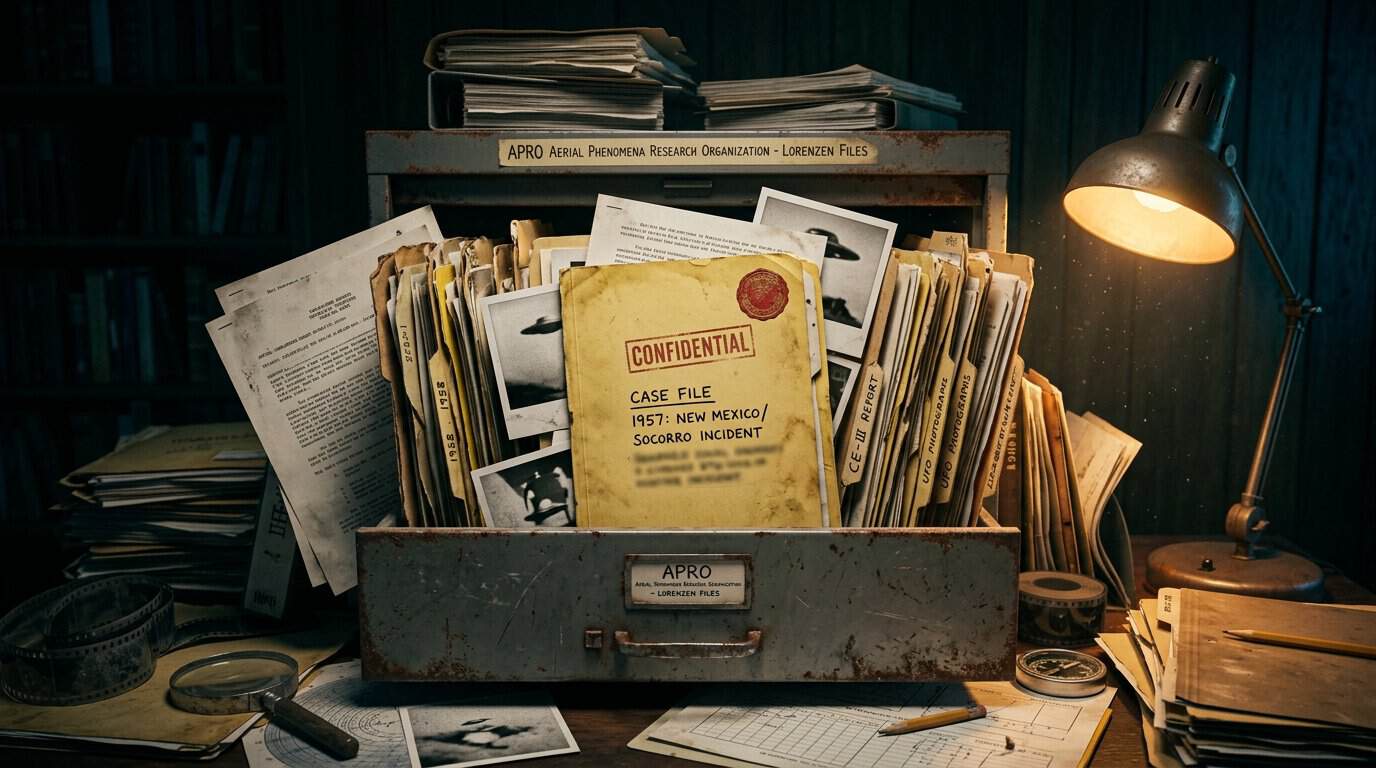
In 1952, a young couple named Coral and Jim Lorenzen began a mission that would change the study of modern mystery forever. They founded the Aerial Phenomena Research Organization (APRO), a group dedicated to treating strange lights in the sky with the seriousness of a laboratory experiment. Today, the lorenzen ufo files stand as perhaps the most significant collection of civilian historical records in the world, capturing decades of sightings that others were too afraid to touch.
While official government projects often dismissed the unknown, the Lorenzens looked closely at the strangest parts of the phenomenon, documenting everything from physical landing traces to mysterious humanoid encounters. Their archive serves as a massive time capsule, filled with thousands of witness testimonies and scientific data points collected between 1952 and 1988. These records do not just tell stories of unidentified objects; they provide a rigorous, evidence-based look at a reality that remains one of humanity’s greatest unsolved puzzles.
Key Takeaways
- The Aerial Phenomena Research Organization (APRO) established a rigorous, scientific framework for civilian UFO research that prioritized physical trace evidence and witness testimony over mere speculation.
- The Lorenzen files preserve thousands of unpublicized ‘Golden Age’ reports, including controversial humanoid encounter cases that government projects and other research groups often ignored.
- The transition of these archives from private storage to a professional New Mexico records center ensures the long-term preservation and digitization of primary evidence like original negatives and hand-drawn sketches.
- Modern digitization of the APRO archives provides a searchable, evidence-based roadmap for current investigators to identify global patterns and cross-reference civilian reports with official government data.
The Legacy Of The Aerial Phenomena Research Organization
In 1952, Coral and Jim Lorenzen established the Aerial Phenomena Research Organization during a time when the world was just beginning to grapple with the mystery of flying saucers. While other groups focused primarily on lights in the sky, the Lorenzens took a bold step forward by treating these reports with rigorous scientific curiosity. They believed that the key to understanding the phenomenon lay in the physical traces left behind at landing sites and the detailed accounts of those who saw the crafts up close. By assembling a prestigious team of consulting scientists, including the renowned Dr. J. Allen Hynek, they transformed civilian research into a disciplined scientific framework of study. This professional approach allowed them to gather thousands of unpublicized reports that might have otherwise been lost to history.
The Lorenzens were particularly groundbreaking in their willingness to document humanoid encounter cases, a topic that many other organizations of the era found too controversial to touch. They carefully archived accounts of strange beings and unusual biological encounters, seeing these stories as vital pieces of a much larger puzzle. Their files became a treasure trove of the Golden Age of sightings, capturing the raw, unfiltered experiences of witnesses before modern media could influence their stories. Because they prioritized evidence over sensationalism, their collection remains one of the most significant historical records of the unexplained in existence. This dedication to the facts helped bridge the gap between curiosity and serious investigative work.
Today, the legacy of APRO lives on through the massive archive of documents that continue to challenge our understanding of the mid-twentieth century. These files serve as a roadmap for modern investigators, offering a glimpse into a time when every sighting was a brand new mystery waiting to be solved. By looking back at the work of Coral and Jim Lorenzen, we can see the foundations of the systematic methods used by researchers in the present day. Their story reminds us that with enough persistence and a scientific mind, we can begin to peel back the layers of the unknown. Do you think the physical evidence collected in these early years holds the final clue to the UFO mystery, or are we still missing a piece of the puzzle?
From An Arizona Garage To New Mexico Archives
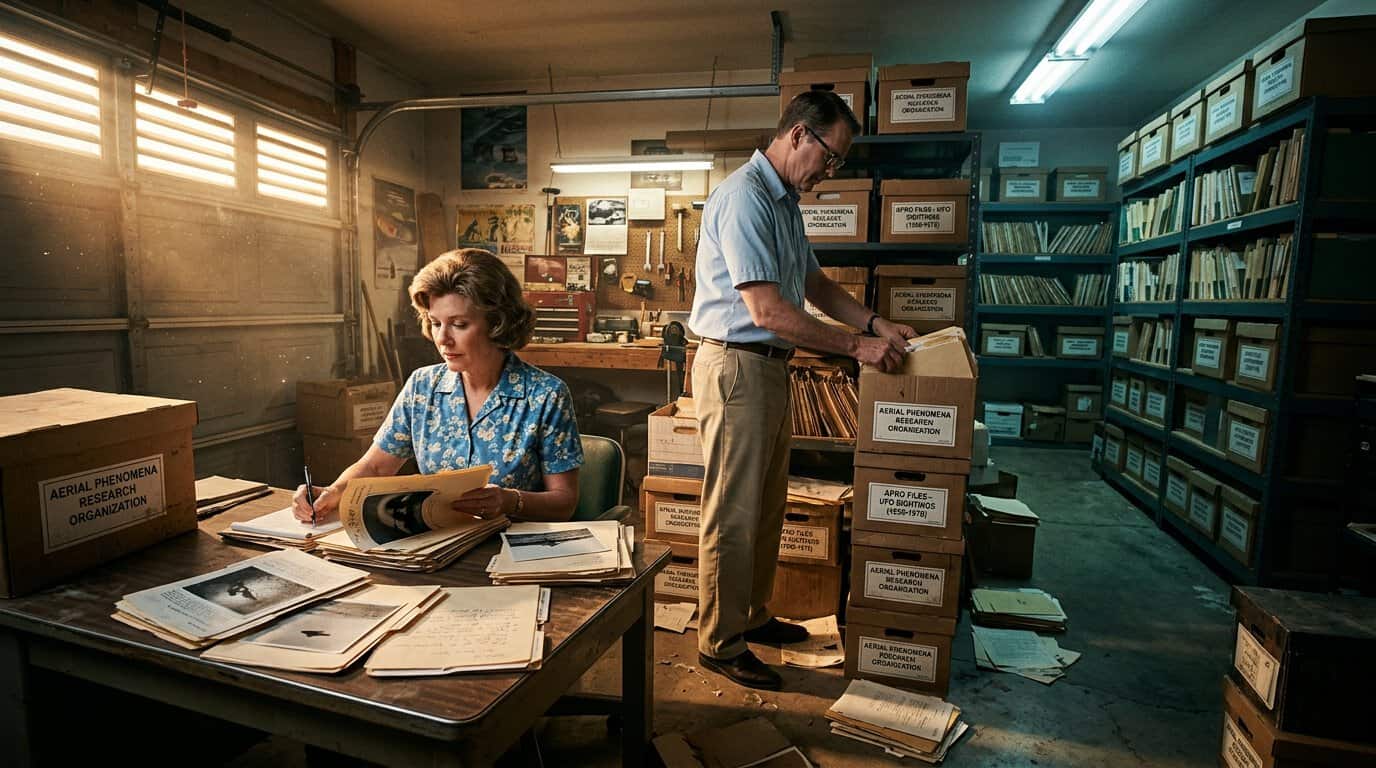
For decades, the exhaustive records of the Aerial Phenomena Research Organization sat in quiet storage, far from the public eye. Following the passing of Coral Lorenzen in 1988, this massive collection of history was moved into a private Arizona garage, where it remained shielded from the scientific community. These boxes contained thousands of original, unpublicized reports from the Golden Age of sightings, documenting a time when the world was first grappling with the reality of unidentified aerial phenomena. Families and dedicated researchers worked tirelessly to ensure the physical integrity of these papers, knowing they held the secrets to some of the most significant occupant cases and physical trace evidence ever recorded. The transition from a private garage to a professional archive marks a turning point for historical preservation in this field.
The long period of silence ended in 2023 when a national historical records center officially acquired the Lorenzen ufo files. This move to the archives in New Mexico ensures that the scientific approach championed by Coral and Jim Lorenzen will finally be accessible to a new generation of investigators. By bringing these documents into a climate controlled environment, the center is protecting decades of witness testimony and correspondence with figures like Dr. J. Allen Hynek. This acquisition represents more than just a move of physical paper, as it signifies the rebirth of a unique, document based lens into the early years of the phenomenon. Historians now have the opportunity to cross reference these early civilian reports with official government data to find patterns that were previously hidden.
What makes this transition so vital is the depth of information found within the thousands of individual case files. Unlike many modern digital records, these archives include hand drawn sketches, original photographic negatives, and detailed letters from witnesses who had nowhere else to turn. The Lorenzen files offer a raw look at the historical mystery without the influence of modern internet lore or sensationalism. As these records are digitized and organized, they provide a bridge between the theories of the past and the serious scientific inquiry of today. Do you believe that the answers to modern sightings are buried in these vintage reports, or is the phenomenon constantly evolving into something new?
Digitizing The Golden Age Of UFO Sightings
The Lorenzen UFO files represent a massive treasure trove of history that lay hidden in private storage for decades. Founded in 1952 by Coral and Jim Lorenzen, the Aerial Phenomena Research Organization (APRO) spent over thirty years meticulously documenting thousands of sightings that never made it into the mainstream news. Unlike many government programs of the era, the Lorenzens focused heavily on physical trace evidence and the strange reports of humanoid occupants. This vast collection of paper records is now being carefully digitized to ensure these firsthand accounts are preserved for future generations of investigators. By scanning every handwritten letter and grainy photograph, historians are uncovering a much more detailed map of the Golden Age of UFOs than previously thought possible.
Modern researchers are finding that these archives offer a unique perspective on the evolution of the phenomenon. While other groups often dismissed the more bizarre encounters, the Lorenzens welcomed scientific inquiry into even the most unusual cases. Their work eventually gained the respect of prominent figures like Dr. J. Allen Hynek, who saw the value in their rigorous approach to witness testimony. The digitization project aims to turn these folders into a searchable database that reveals patterns in sightings across the globe. This transition from paper to digital format allows the public to explore the same evidence that once sat on the Lorenzens’ desks.
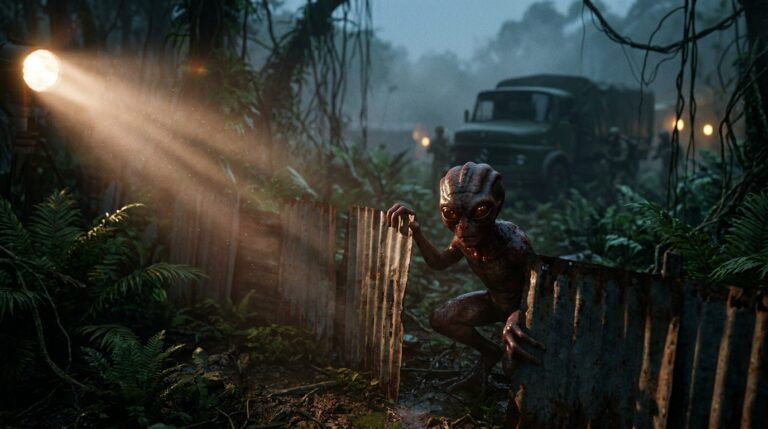
These files serve as a bridge between the early days of civilian research and the high-tech investigations of today. Every digitized report provides a snapshot of a time when the world was first grappling with the possibility of visitors from beyond. It is fascinating to consider how many of these unpublicized cases might hold the missing piece of a larger puzzle. As these documents become available, they invite us to look back at the 1952 Braxton County Encounter and other famous events with fresh eyes and renewed curiosity. What do you think is the most important piece of evidence a historical archive like this could reveal about the nature of these mysterious crafts?
Preserving the Legacy of the Lorenzen Files
The Lorenzen collection stands as a monumental pillar in the history of aerial mysteries, preserving thousands of accounts that might have otherwise been lost to time. By meticulously documenting the Golden Age of sightings through the Aerial Phenomena Research Organization, Coral and Jim Lorenzen captured the raw, unpolished reality of early encounters before they were filtered by modern pop culture. These files offer more than just stories, as they provide a scientific snapshot of a time when witnesses were reporting physical traces and strange occupants with startling consistency. Preserving such a massive archive ensures that future generations can look back at the primary evidence and decide for themselves what was moving through our skies during those formative years.
Exploring these records allows for a closer look into a world of unpublicized reports and unique historical documents that challenge our understanding of the past. The dedication of the Lorenzens created a bridge between casual observation and rigorous investigation, inviting a more serious look at the fringe of human experience. This collection remains a vital resource for anyone seeking to understand the evolution of the phenomenon from its mid-century roots to the present day. Every handwritten note and grainy photograph in the archive serves as a reminder that the truth often lies within the details of these early, quiet moments of discovery. Many of these accounts even touch upon the real story of intimidation and suppression that often followed those who spoke out about their experiences.
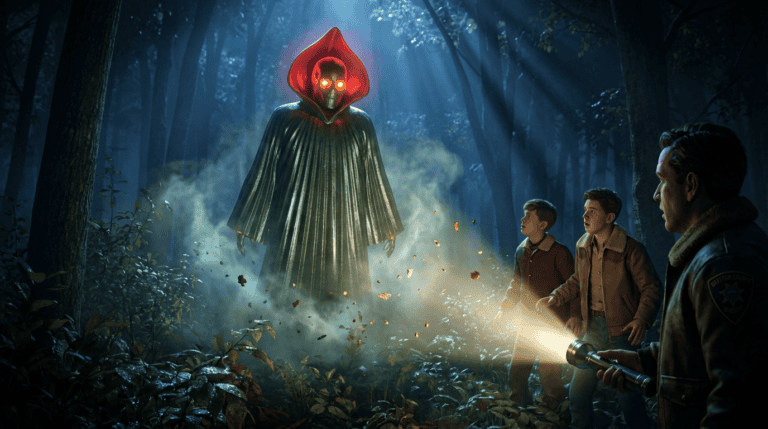
As the study of these vintage files concludes, it is clear that the legacy of early civilian research continues to shape how the world views the unknown. This era of history is filled with a sense of wonder and genuine curiosity that defined a generation of seekers. Exploring the stories found within the Lorenzen archives often leads to a deeper appreciation for the pioneers who dared to ask difficult questions. Which specific era of UFO lore fascinates you the most, and do you find the classic sightings of the fifties, such as the night of the goblins, more compelling than the Ariel School Encounter and other modern accounts we hear about today?
Frequently Asked Questions
1. What exactly are the Lorenzen UFO files?
The Lorenzen UFO files are a massive collection of civilian records documenting unidentified aerial phenomena between 1952 and 1988. These archives contain thousands of witness testimonies, scientific data points, and evidence of physical landing traces gathered by the Aerial Phenomena Research Organization.
2. Who were Coral and Jim Lorenzen?
Coral and Jim Lorenzen were a visionary couple who founded the Aerial Phenomena Research Organization to study UFOs with scientific rigor. They dedicated their lives to documenting the strangest aspects of the phenomenon, including mysterious humanoid encounters that government projects often ignored.
3. What made the APRO approach different from other research groups?
Unlike groups that only focused on lights in the sky, APRO prioritized physical evidence and high-quality witness accounts. They assembled a prestigious team of consulting scientists, including Dr. J. Allen Hynek, to ensure every report was treated with the seriousness of a laboratory experiment.
4. Are these files considered scientifically significant?
Yes, these records serve as a vital historical time capsule that captures decades of sightings with a disciplined, evidence-based approach. The data includes detailed reports on landing sites and physical traces, providing a rigorous look at one of humanity’s greatest unsolved puzzles.
5. What types of encounters are documented in the archive?
The archive covers a wide spectrum of events ranging from simple sightings to complex humanoid encounters and physical craft landings. The Lorenzens were known for investigating the fringe, documenting the details that others were often too afraid to touch.
6. How did the Lorenzens find their information?
The couple built a global network of investigators and experts who funneled unpublicized reports directly to them. This allowed them to assemble a collection of historical records that is now considered among the most significant civilian UFO archives in the world.