
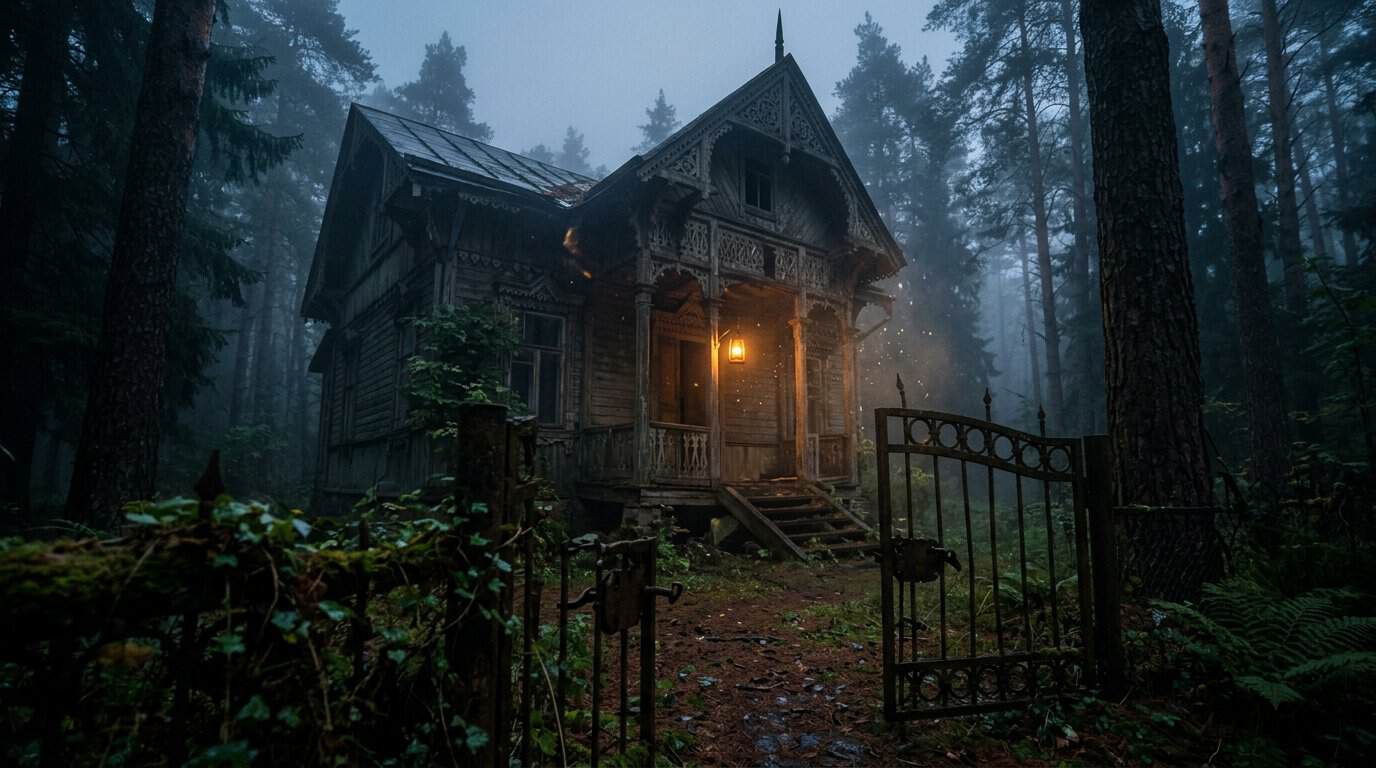
The Vanishing At The Villa: Solving The Petersburg Dacha Mystery
Hidden among the coastal trees of Alexandria Park, the ruins of the Lower Dacha hold a secret that has baffled historians for decades. This petersburg dacha mystery centers on the favorite summer home of Nicholas II, a place where history was written and the last heir to the Romanov throne was born. While the building survived the fire and fury of World War II, it met a sudden, violent end years later at the hands of the very government that inherited it.
In 1961, long after the dust of war had settled, Soviet authorities inexplicably wired the palace with explosives and reduced the imperial landmark to a pile of brick and dust. No official documents exist to explain why such a significant piece of Russian heritage was targeted for destruction during a time of peace. This deliberate erasure of the past leaves behind a haunting question: what was so dangerous about this seaside villa that it had to be wiped from the map?
Key Takeaways
- The 1961 demolition of the Lower Dacha by Soviet authorities remains an unexplained act of historical erasure, as no official documents exist to justify destroying the landmark during a time of peace.
- Evidence from the site suggests an instantaneous and unplanned disappearance, with meals left half-eaten, valuables untouched, and essential items like coats and suitcases left behind.
- The total absence of forensic evidence, signs of struggle, or witness accounts has fueled enduring theories ranging from clandestine political liquidations to supernatural phenomena rooted in local folklore.
- Modern investigations into declassified archives and structural anomalies at the ruins continue to challenge the official silence surrounding the fate of the residents.
A Summer Day Frozen In Time
The investigators who first stepped into the quiet dacha were met with a scene that felt more like a paused film than a crime scene. On the wooden dining table, porcelain cups still held the dark remnants of tea, and half eaten plates of food sat undisturbed as if the family had simply stepped out for a moment. There were no signs of a struggle, no overturned chairs, and no broken glass to suggest a forced entry or a panicked flight. Personal belongings, including expensive watches and handbags filled with cash, remained exactly where they had been left. This eerie stillness created a haunting atmosphere that suggested the occupants had been snatched away in the middle of a mundane afternoon.
The mystery deepened as authorities moved through the rest of the home and found the bedrooms in perfect order. Suitcases remained tucked away in closets, and the family’s warm coats still hung on their pegs near the front door despite the cooling evening air. Even the children’s toys were scattered across the rug, waiting for players who would never return to finish their game. Local records and witness accounts from neighbors suggest that no strange vehicles or visitors were seen approaching the property during that window of time. Everything pointed to a family that intended to stay, yet they vanished without taking a single essential item for a journey.
This frozen snapshot of daily life has led many researchers to look beyond traditional explanations for the disappearance. When a whole group of people leaves behind their identification, money, and transport, it defies the logic of a planned escape or a typical kidnapping. Some investigators have noted that even the family pet seemed strangely calm, further complicating the timeline of when the vanishing actually occurred. The lack of physical evidence has allowed theories about the paranormal or unexplained atmospheric phenomena to take root among those who study the case. It remains a chilling reminder of how quickly a warm home can transform into a silent monument to the missing.
The Search For The Missing Residents
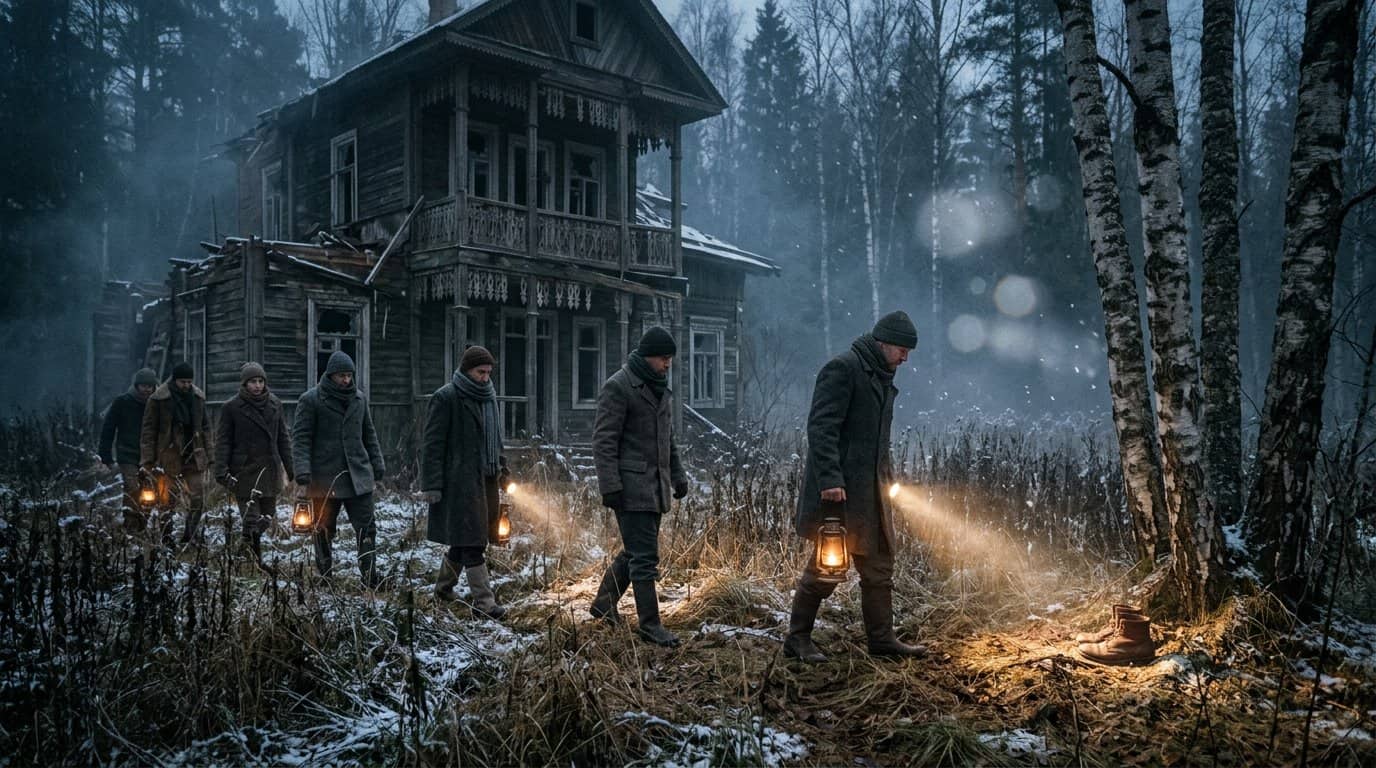
When local authorities first arrived at the secluded dacha on the outskirts of St. Petersburg, they expected to find signs of a struggle or a forced entry. Instead, they discovered a scene frozen in time, with tea still sitting on the table and personal belongings left exactly where they should be. There were no broken windows, no missing valuables, and absolutely no traces of blood or violence to suggest a crime had occurred. It was as if the entire family had simply evaporated into the thin air of the Russian countryside. This lack of physical evidence immediately baffled investigators, who found themselves standing in a perfectly silent home that offered no clues about where its residents had gone.
The subsequent police investigation grew into one of the most extensive search efforts in the region’s history, involving dozens of officers and local volunteers. Search parties combed through the dense birch forests and nearby marshlands for weeks, yet they failed to find a single footprint or discarded item belonging to the missing family. Official reports from the time period indicate that every lead eventually went cold, leaving detectives with a haunting void where a motive should have been. Even with modern forensic technology, the absence of DNA evidence or any struggle continues to challenge the conventional understanding of the case. The mystery has persisted for decades, fueled by the unsettling reality that people do not usually vanish from their own homes without leaving a single mark behind.
As the years turned into decades, the case file remained open but stagnant, gathering dust in the archives of the local precinct. Many researchers who have studied the documentation point out that even the most professional kidnappings leave some form of forensic trail. The total absence of such markers has led many to wonder if the explanation lies beyond traditional criminal theory. Without any bodies ever being recovered or any ransom demands being made, the search for the missing residents has transitioned from a standard police matter into a legendary local enigma. What do you think happened behind the closed doors of that quiet dacha, and is it possible for a family to truly leave no trace at all?
Folklore And Theories In The Forest
Deep within the dense woods surrounding the outskirts of St. Petersburg, local legends speak of ancient forest spirits known as Leshy that guard the land from intruders. Some villagers whisper that the family’s sudden disappearance was not a flight from danger, but a case of being led astray by these mischievous entities who delight in confusing travelers. These tales suggest that the dacha itself sat upon a thin spot in reality where the boundary between our world and the supernatural blurred. While skeptics might laugh at such folklore, the eerie stillness of the abandoned property continues to fuel stories of shadowy figures seen darting between the birch trees at dusk.
Beyond the supernatural, more grounded theories suggest the family may have fled in a moment of extreme panic or coercion. Local investigators and researchers have noted that the state of the home indicated a departure so rapid that even essential items were left behind on the dinner table. Some historians point to the clandestine nature of elite dacha life during the Soviet era, suggesting the family might have been caught in a political shift that required an immediate and silent disappearance. Evidence of official interest in the property during the 1960s adds a layer of mystery, as documents from that period remain largely classified or curiously missing from the archives.
Whether the truth lies in the realm of the paranormal or within the dark corners of secret history, the silence of the forest remains the only witness. We are left to wonder if the family found safety elsewhere or if they simply vanished into the shadows of the Russian countryside forever. The lack of closure in this case is what makes it so chilling, as every theory seems to hit a dead end at the edge of the woods. What do you think happened to the residents of the dacha on that fateful night? Share your thoughts in the comments and let us know if you believe in the legends of the forest or if a more human explanation is to blame.
Modern Clues And The Dacha Legacy
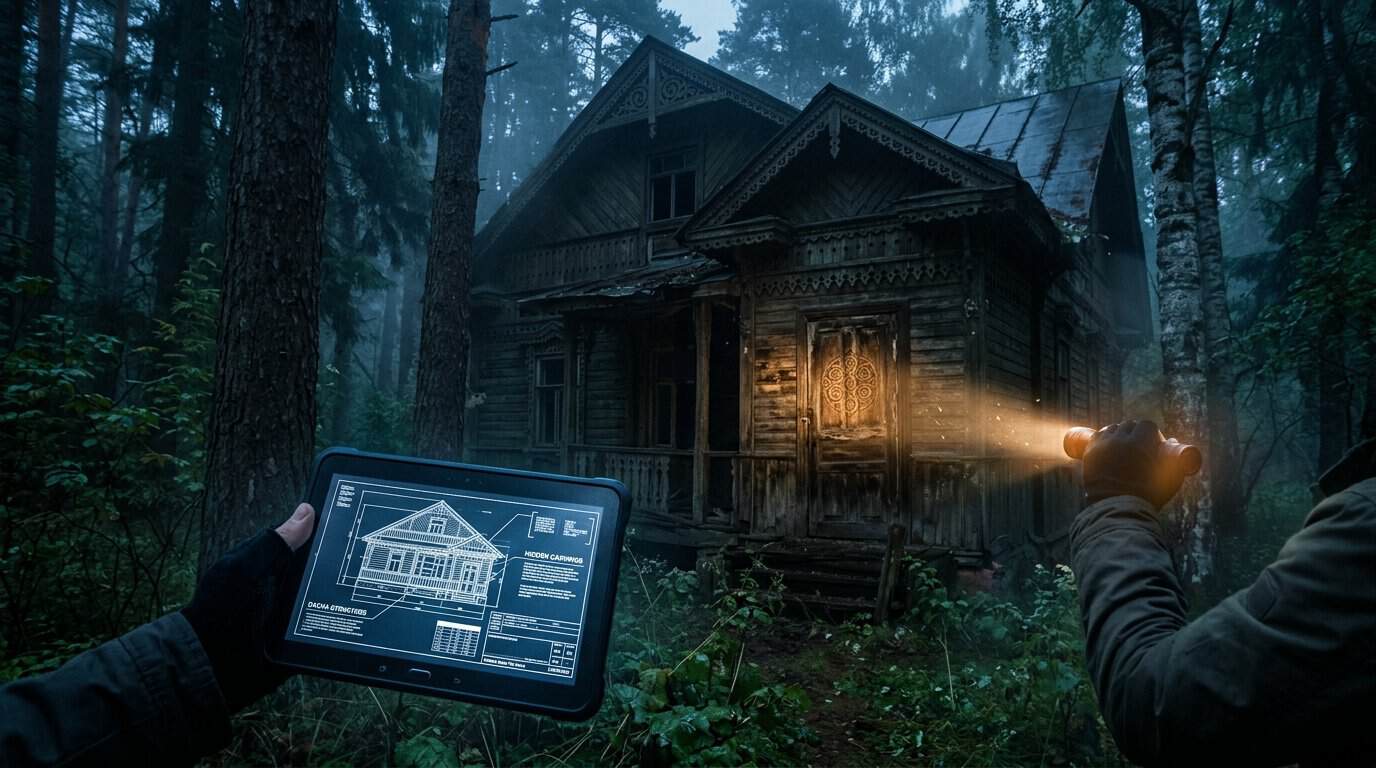
Recent investigations by amateur historians and local sleuths have breathed new life into the chilling case of the family that vanished from their countryside retreat. By combing through declassified Soviet era archives and private journals, these researchers are mapping out the final hours spent within the walls of the dacha. There is a growing focus on the strange silence that preceded the disappearance, as neighbors at the time reported no signs of struggle or unusual activity. These newly uncovered records suggest that the family may have been preparing for a sudden departure, yet they left behind all their most valuable personal belongings. This paradox has led many to wonder if they were interrupted by something far more sinister than a simple relocation.
The physical legacy of the dacha itself continues to offer haunting clues that challenge traditional explanations. Modern explorers visiting the ruins have noted strange structural anomalies that were never officially documented in the original architectural plans of the estate. Some researchers believe these hidden spaces or tunnels might explain how an entire group could exit a locked home without being seen by witnesses outside. While skeptics point to the possibility of a state sanctioned relocation, the lack of any paper trail in official government registries remains a glaring hole in that theory. This lack of documentation encourages a deeper look into the Czarist or unexplained forces that may have been at play during that cold Russian night.
As the digital age allows for the rapid sharing of old photographs and witness testimonies, the puzzle of the Petersburg dacha only grows more complex. Every new piece of evidence seems to bridge the gap between a historical tragedy and a lingering supernatural mystery. Historians are now looking at the local folklore of the region to see if other similar disappearances occurred near the same site in earlier centuries. The search for the truth continues to sit at the intersection of hard data and the chillingly unknown. Do you believe this family met a tragic fate at the hands of hidden forces, or is there a logical explanation still waiting to be found in the dirt of the Russian countryside?
An Unfinished Story in the Russian Cold
The disappearance of the family from their quiet St. Petersburg dacha remains a haunting puzzle that defies easy explanation. Despite the passage of time, the empty rooms and untouched belongings serve as a chilling reminder of how quickly a life can be interrupted. Investigators and historians have pored over the few clues left behind, yet the trail remains as cold as a Russian winter. The lack of physical evidence or signs of a struggle leaves a void that is often filled by whispers of the supernatural. It is this lingering silence that keeps the story alive in the hearts of those who study the unexplained.
While skeptics may look for logical answers in the dense surrounding forests or the political climate of the era, the details of the case continue to challenge conventional thinking. The way the family seemingly vanished into thin air suggests a mystery that transcends simple logic or accidental tragedy. Much like the mystery of the Dyatlov Pass incident, the circumstances surrounding this disappearance involve a total lack of witnesses and an environment that offers more questions than answers. Whether one believes in a sudden flight from danger or something far more otherworldly, the Lower Dacha stands as a monument to the unknown. Every theory brings us a step closer to understanding, yet the core of the mystery remains tucked away in the shadows of the past.
Now that the history and the strange circumstances of this vanishing have been explored, it is time to consider the possibilities that remain. Could a secret passage have led them to safety, or did they encounter something in the woods that science cannot yet explain? Many believe the answers are still hidden within the walls of the seaside villa or buried in long-forgotten archives. Your perspective might be the one that sheds new light on this enduring enigma. Where do you believe the family went, and what do you think really happened on that fateful night at the Petersburg dacha?
Frequently Asked Questions
1. What exactly was the Lower Dacha in Alexandria Park?
The Lower Dacha was the cherished seaside summer residence of Nicholas II, the last Emperor of Russia. It was a place of deep personal significance where the family sought refuge from palace life and where the last heir to the throne, Alexei, was born.
2. Why did the Soviet government destroy the building in 1961?
The official reason for the demolition remains a mystery because no government documents exist to justify the act. While the structure survived the devastation of World War II, authorities chose to wire it with explosives and reduce it to rubble during a period of peace.
3. What did investigators find inside the dacha when they first arrived?
Investigators discovered a scene frozen in time, with half-consumed meals and tea still sitting on the dining table. There were no signs of a struggle or forced entry, giving the chilling impression that the inhabitants had vanished in an instant.
4. Were any valuables stolen from the property?
Surprisingly, expensive watches and handbags filled with cash were left completely untouched in plain sight. This lack of theft suggests that whoever or whatever caused the family to leave was not motivated by robbery or financial gain.
5. Is there any evidence that the family planned to leave?
The evidence suggests the exact opposite, as suitcases remained packed away in closets and warm coats were left hanging by the door. The family even left behind their children’s toys and personal belongings, indicating they had no intention of departing that day.
6. What remains of the Lower Dacha today?
Today, only the haunting ruins of the foundation and scattered bricks remain hidden among the trees of Alexandria Park. These fragments serve as a silent memorial to a grand imperial landmark that was systematically erased from the local environment.