The Oakville Blobs Incident: What Happened In Washington In 1994?
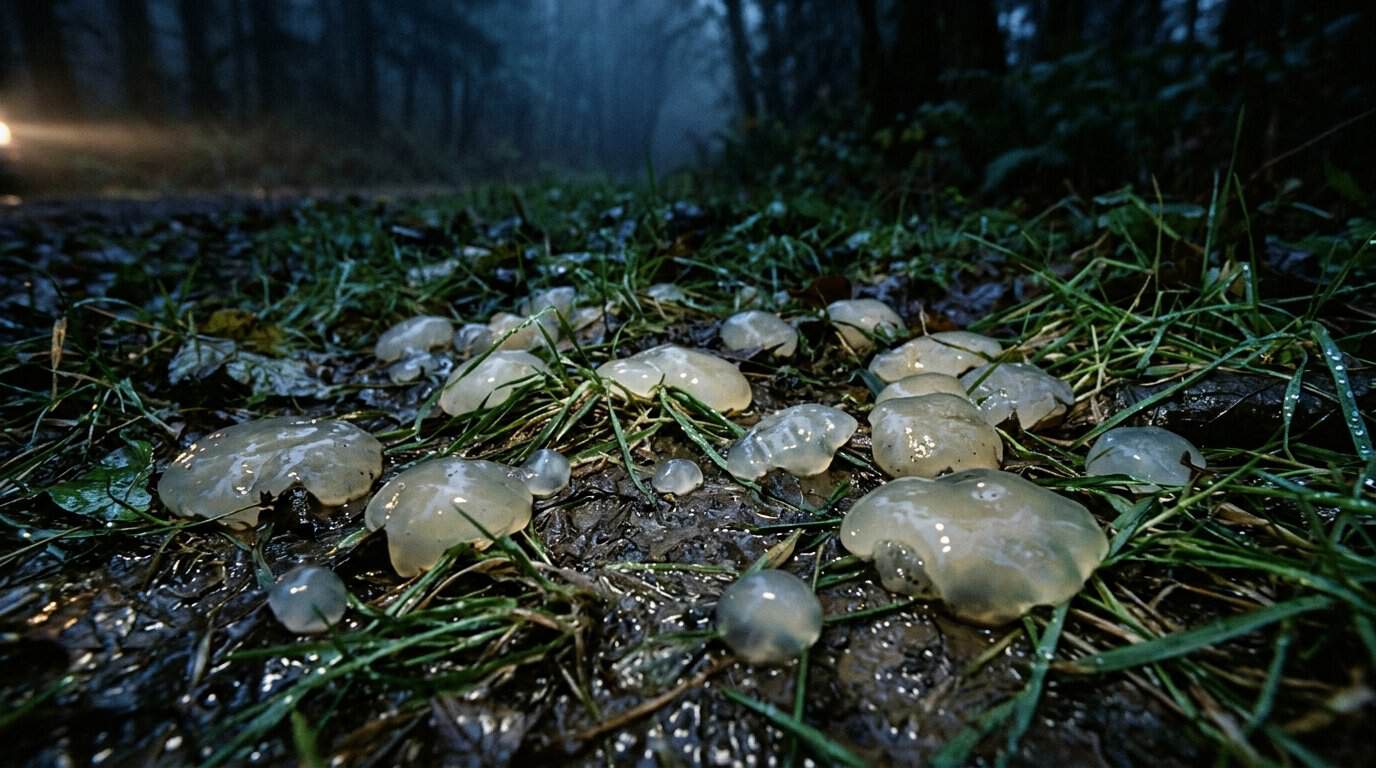
In August 1994, rain fell over Oakville, Washington, and left behind something far stranger than puddles. Residents reported finding clear, gelatinous blobs on roads, cars, rooftops, and fields. Some later described nausea or flu-like symptoms, while an animal death added to the growing unease.
Decades later, the mystery remains unresolved. Tests reportedly found bacteria in some samples, but that evidence does not explain where the blobs came from or prove that they caused illness. Witness accounts, disputed theories, and gaps in the historical record leave Oakville’s strange rainfall at the uneasy edge of science and the unexplained.
Key Takeaways
- In August 1994, residents of Oakville, Washington, reported finding clear, gelatinous material on roads, vehicles, rooftops, fields, and farmland after rainfall, with reports continuing for roughly three weeks.
- Some residents associated the blobs with nausea and flu-like symptoms, and an animal death was reported, but no medical or veterinary evidence conclusively linked those effects to the material.
- Bacteria were reportedly detected in collected samples, but that finding neither identifies the blobs nor proves they caused illness; contamination during collection, storage, or testing remains possible.
- The Oakville blobs remain unresolved because original samples, complete laboratory records, chain-of-custody documentation, and independent medical evidence are unavailable, leaving natural and contamination-based explanations open.
Introduction To Oakville Blobs Incident
In August 1994, residents of Oakville, Washington, reported finding clear, gelatinous blobs after rain fell over the small Grays Harbor County community. The material appeared on roads, vehicles, roofs, and nearby land, turning an ordinary summer shower into a puzzling local event. Some witnesses connected contact with the blobs to nausea and flu-like symptoms, while an animal death was also reported. These accounts made the Oakville blobs incident a lasting mystery, but they do not establish what the material was or whether it caused illness.
The evidence consists of firsthand reports, collected samples, and later laboratory claims. Testing reportedly found bacteria in at least some of the material, yet that finding does not identify the blobs or prove a link to the reported health effects. Possible explanations include an environmental organism, contamination after the material landed, or an unusual natural process that was misunderstood at the time. Because samples, records, and medical details are limited, each theory must be weighed carefully rather than treated as a confirmed answer.
This review follows the reported timeline and separates documented observations from speculation. It examines what witnesses said, what laboratory findings can and cannot show, and how weather, handling, and memory may have shaped the story. The case remains intriguing because several people described similar material during the same period, while no verified explanation or definitive identification has emerged. Oakville offers a useful example of how a strange event can contain both genuine evidence and unanswered questions.
August 1994 Blob Showers
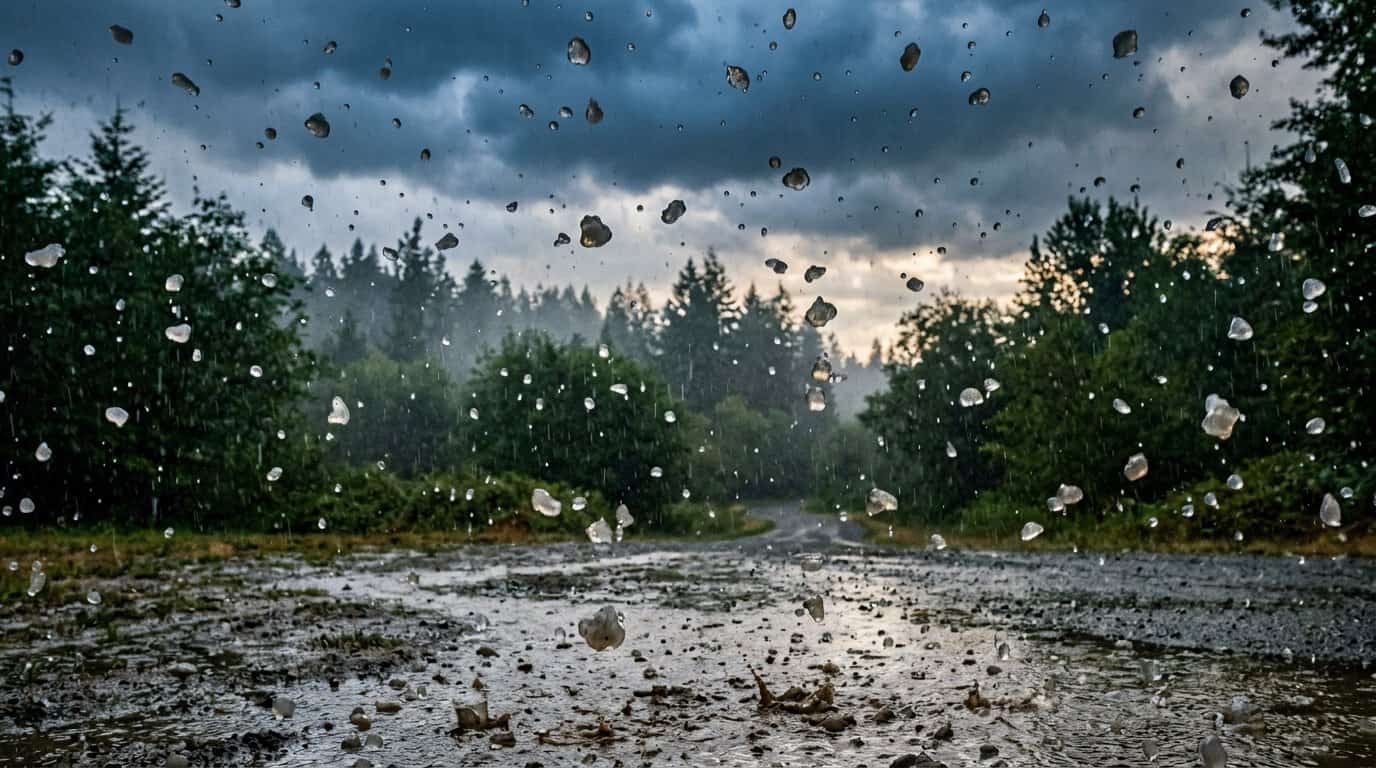
On August 7, 1994, residents of Oakville, Washington, reportedly noticed clear, gelatinous blobs on roads, cars, roofs, and nearby land after rain. Similar reports continued for roughly three weeks, creating the impression that the material had fallen in repeated showers over the small Grays Harbor County community. Later retellings commonly describe six separate showers, although the contemporary record is more cautious and points to two documented events at one farm. The blobs were often described as translucent, soft, and jelly-like, with some accounts comparing them to small pieces of clear gelatin. Reports also linked contact with the material to nausea or flu-like symptoms. At least one animal death was reportedly associated with exposure, although that connection was never firmly proven.
The timeline becomes less certain as the story passes from local reports into later retellings. Residents found the material in several outdoor settings, but a concentrated account from one farm may offer stronger evidence than a broader count of six showers across the town. Later testing reportedly detected bacteria in samples, yet that finding does not identify the blobs or show that they caused illness. Contamination, handling after the fall, weather, and memory could all have shaped the surviving evidence. The lack of preserved samples makes the central mystery difficult to resolve.
A simple visual timeline could place August 7 at the beginning, mark the reported follow-up showers across the next three weeks, and use a different symbol for the two events documented at the farm. A small location map could show the farm alongside the roads, homes, vehicles, roofs, and fields where residents said they found the material. Showing both versions of the record would keep the story intriguing without presenting the six-shower account as settled fact. It would also help readers separate witness reports from what laboratory findings and historical documentation can support.
Sunny Barclift Farm Accounts
Sunny Barclift’s 29-acre farm became one of the best-known locations in the Oakville blobs story. Barclift and her mother, Dotty Hearn, reportedly found clear, gelatinous material on roads, vehicles, roofs, grass, and other parts of the property during or after rain in August 1994. Their accounts describe blobs appearing in scattered patches rather than as one continuous blanket, adding to the mystery. These observations are important historical testimony, but they were not recorded through controlled sampling or modern forensic documentation.
The family also reported troubling health effects after contact with the material, including nausea and flu-like symptoms. An animal death was linked to the episode in later accounts, although the available record does not prove that the blobs caused it. These reports help explain why the incident drew attention, yet illness and timing alone cannot establish a medical connection. The details remain strongest as witness testimony from Barclift, Hearn, and other residents rather than as independently verified findings.
Later laboratory claims reportedly found bacteria in samples associated with the blobs, but that result does not identify the material or show that it caused illness. Contamination during collection, storage, or testing is also difficult to rule out because the original investigation lacked the safeguards expected in a modern study. The farm accounts preserve a vivid and unsettling record while leaving the central question unanswered: was the gelatinous substance an unusual natural material, contamination, or something not yet explained?
Bacteria Testing And Possible Explanations

Laboratory testing reportedly found bacteria in samples linked to the Oakville blobs. This is an important clue, but it is not a final answer. Bacteria can live in soil, water, plants, animals, and ordinary household environments, so their presence does not identify the clear material or show that it came from the sky. The samples may also have been collected from roads, roofs, or other exposed surfaces after rainfall, creating opportunities for contamination before testing. For that reason, the finding cannot prove that the blobs caused nausea, flu-like symptoms, or the reported animal death.
Several explanations remain possible, although none has been verified. The material could have been a natural gelatinous substance, airborne debris from an aircraft, or a mixture of organic matter and rainwater that changed after landing. Some witnesses also wondered whether an unusual weather event concentrated material from ponds, soil, or vegetation over Oakville. Those ideas can be compared with other reports in the site’s coverage of unexplained rain, where strange objects fell during storms but the evidence was often incomplete.
The case is difficult to settle because the original samples, testing methods, and chain of custody are not fully available for modern review. Eyewitness accounts help establish that residents found something unusual, yet they cannot determine its chemical makeup or source. Until preserved material can be independently tested, the bacteria result is best treated as evidence about what may have been present in the samples, not proof of what the blobs were. Readers interested in similar puzzles can also explore the site’s contamination mysteries and consider which explanation best fits the limited evidence.
Evidence Limits And Open Questions
The biggest obstacle is that few physical traces from the 1994 Oakville blobs appear to have survived for modern testing. Residents reportedly collected samples, but no publicly available chain of custody, preserved specimen, or complete laboratory record would allow independent researchers to repeat the work. Later accounts often describe tests finding bacteria, yet those findings do not identify the gelatinous material or show that it caused illness. Without original samples and detailed methods, contamination during collection, storage, or handling remains a serious possibility.
Eyewitness reports still give the story its shape, but memory can change as unusual events are retold over many years. Reports of nausea, flu-like symptoms, and an animal death are important parts of the historical record, yet no complete set of medical files, veterinary results, or independently confirmed examinations has publicly established whether those events were connected to the blobs. Rainwater, soil, plant matter, and other debris could also have altered the material before anyone collected it. That does not prove the incident was ordinary, but it makes confident conclusions difficult.
As of August 4, 2026, the open questions are as important as the proposed explanations: what exactly fell, whether it came from the atmosphere, and whether it posed a health risk at all. A careful review must separate what residents directly observed from details added by sensational retellings, incomplete notes, and later speculation. Future progress would require preserved material, full laboratory documentation, and independent medical or animal evidence. None of these is currently available in a form that resolves the case. Oakville remains intriguing because the reports may reflect a real but poorly documented event, while the evidence is too limited to support a definitive answer.
Conclusion On Oakville Blobs Incident
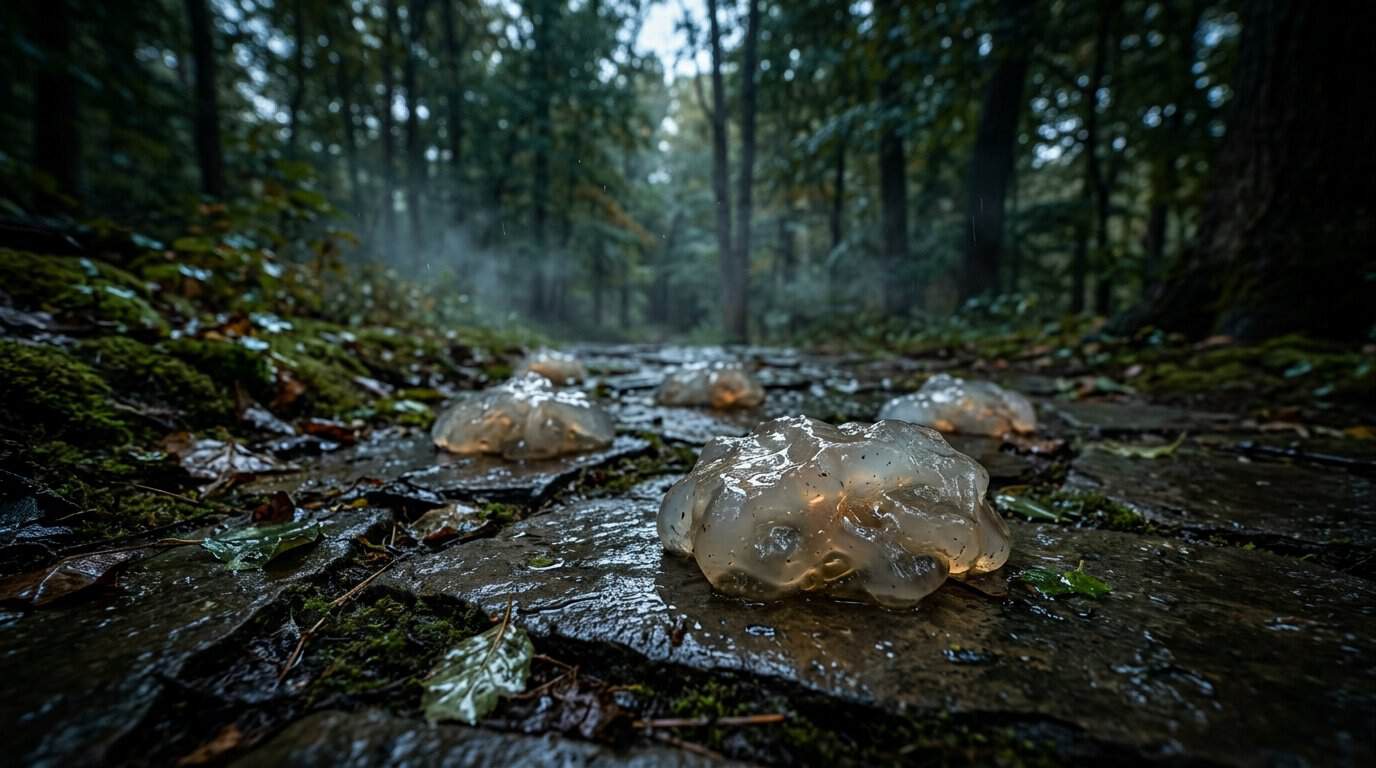
The Oakville blobs incident is well documented as a series of reports from August 1994, when residents of Oakville, Washington, found clear, gelatinous material on roads, vehicles, roofs, and nearby land during or after rain. Several people described nausea or flu-like symptoms, and an animal death was also reported, adding to community concern. Later testing reportedly found bacteria in samples, but that result does not identify the blobs or prove that they caused illness. The surviving accounts therefore provide a real event to examine while leaving important questions about the samples, testing methods, and chain of custody.
Several ordinary explanations remain possible, including biological material carried by weather, environmental contamination, or a substance that changed after landing. Eyewitness testimony can preserve valuable details, but memories formed during a confusing event may differ, especially when samples are collected at different times and places. The reports do not establish a single source, a clear link between the material and reported symptoms, or evidence that an extraordinary event occurred. That uncertainty does not make the witnesses untruthful, but it shows why careful documentation matters more than a compelling story alone.
The case continues to attract curiosity because it combines physical traces, illness reports, missing context, and a setting where a simple explanation has never been firmly demonstrated. Future laboratory records, preserved samples, medical documentation, weather data, and a detailed timeline from independent investigators could help distinguish contamination from a rare natural event or another cause. Until then, the most responsible conclusion is that something unusual was reported, but its identity and effects remain unresolved. Which explanation best fits the available evidence, and what additional documentation would finally settle the Oakville mystery?
Why the Oakville Blobs Remain Unsolved
The Oakville blobs incident remains an unusual case rather than a solved mystery. During August 1994, residents of Oakville, Washington, reported clear, gelatinous material on roads, vehicles, roofs, and fields, often after rain. Some people described nausea or flu-like symptoms, and an animal death added to the concern, but those reports were never tied to a confirmed cause. Laboratory testing reportedly found bacteria in samples, yet that finding does not identify the blobs or prove that they caused illness.
Several explanations remain possible, including environmental material carried by weather, contamination during collection or storage, and a source that was never properly documented. Eyewitness accounts preserve the strange experience, but memories and later retellings can blur timing, appearance, and connections between events. With no verified identification as of August 4, 2026, the Oakville blobs remain suspended between a genuine environmental mystery and an incomplete investigation. The case continues to invite careful discussion about what the evidence truly shows and which questions still deserve answers.
Frequently Asked Questions
1. What was the Oakville blobs incident?
The Oakville blobs incident refers to reports of clear, gelatinous material falling or appearing after rain in Oakville, Washington, during August 1994. Residents found the blobs on roads, cars, rooftops, and fields, turning an ordinary storm into a lasting local mystery.
2. When and where did the Oakville blobs appear?
The reports began in August 1994 in Oakville, a small community in Grays Harbor County, Washington. Residents described finding the material across several outdoor surfaces after rainfall, although the surviving record does not provide a complete map or precise account of every reported location.
3. What did the Oakville blobs look like?
Witnesses commonly described the material as clear, soft, and gelatinous, similar in appearance to jelly or mucus. Its unusual texture made it difficult for residents to identify, and limited samples and records have prevented a firm conclusion about its exact composition.
4. Did the Oakville blobs make people sick?
Some residents later connected contact with the blobs to nausea and flu-like symptoms. Those reports are important parts of the incident, but they do not prove that the material caused illness because medical records, exposure details, and controlled testing are limited.
5. What did testing find in the Oakville blobs?
Reports about laboratory testing indicate that bacteria were found in at least some collected samples. That result shows the samples contained living organisms, but it does not identify the blobs or prove that the bacteria caused the reported symptoms.
6. What explanations have been proposed for the Oakville blobs?
Possible explanations include an unusual environmental organism, contamination after the material landed, or a natural process that residents misunderstood at the time. The idea that the material came from an unusual atmospheric source has also helped keep the mystery alive, but no theory has been confirmed by strong, complete evidence.
7. Was an animal death connected to the Oakville blobs?
An animal death was reported during the incident and became one of the details that deepened public concern. However, the available accounts do not establish a clear cause of death or prove that the animal encountered the blobs, so the connection remains unconfirmed.
8. Has the Oakville blobs incident been solved?
No definitive explanation has been established. The witness accounts and reported testing suggest that something unusual was observed, but gaps in sample preservation, medical documentation, and historical records make it impossible to identify the material or confirm its effects with confidence.