The Luminous Dance Of The Rirgon Mystery Lights
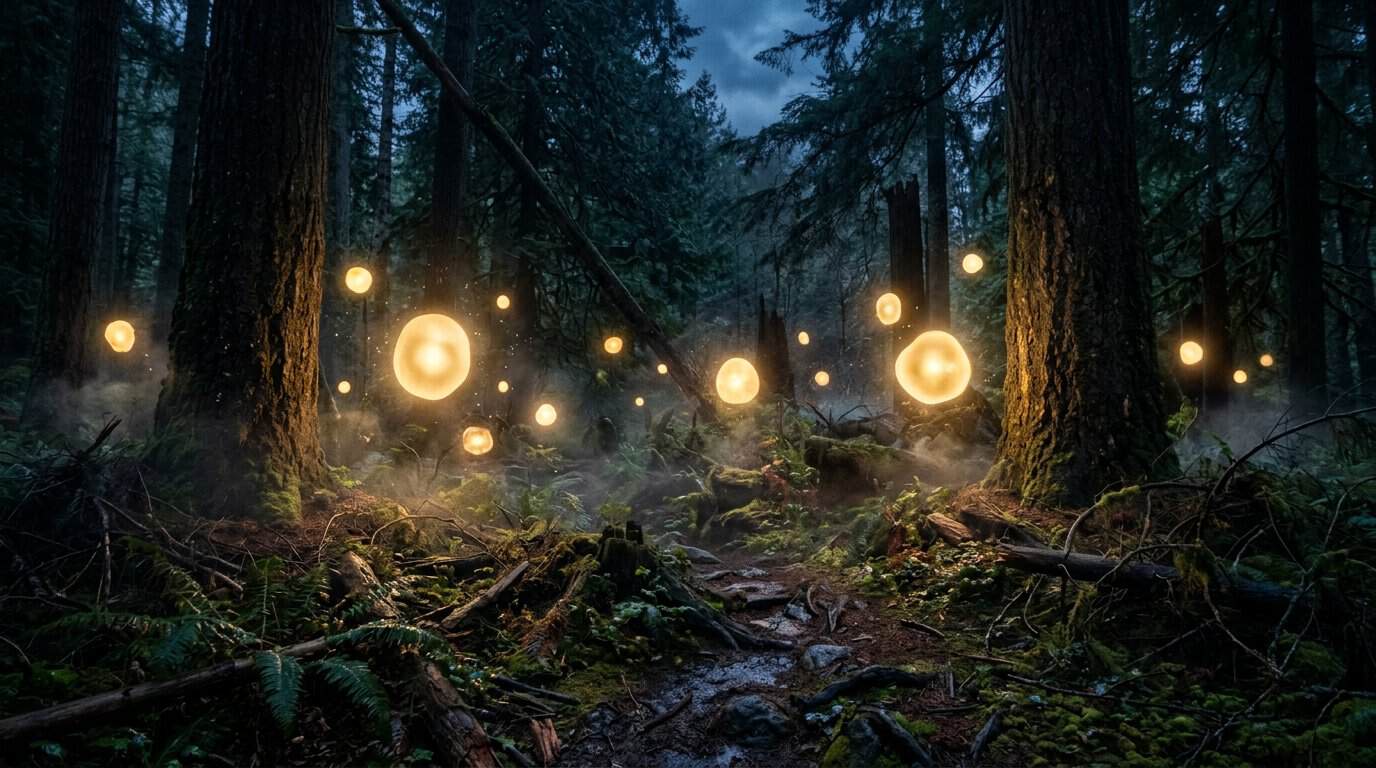
Deep in the dark woods of Arkansas, a strange glow dances along a stretch of abandoned railroad tracks, sparking endless debate over the Rirgon mystery lights. While local legends often use different names for this eerie glow, the phenomenon remains one of the most consistent and chilling mysteries in the United States. Witnesses describe a bobbing orb that shifts from a ghostly blue to a warm, golden orange as it floats through the trees.
The light appears almost every night, defying simple explanations and drawing curious visitors to the remote area south of Little Rock. Whether it is a lingering spirit from a tragic past or a rare natural occurrence, the sight of the orb hovering in the darkness is impossible to ignore. This persistent mystery continues to bridge the gap between scientific curiosity and the unexplained, leaving many to wonder what truly haunts those silent tracks.
Key Takeaways
- The Rirgon mystery lights are persistent, multi-colored orbs that appear nightly along abandoned railroad tracks in Arkansas and the Norwegian wilderness.
- Scientific evidence suggests these phenomena are plasma formations created by ionized gases reacting to unique geological properties and tectonic stress in the Earth’s crust.
- Historical accounts and modern high-definition recordings confirm a consistent pattern of behavior and appearance that has remained unchanged for over eighty years.
- The mystery persists at the intersection of geophysics and ancient folklore, where scientific theories of electromagnetic energy meet local legends of wandering spirits.
Glowing Orbs Over The Norwegian Wilderness
Deep within the rugged terrain of Norway, observers often witness a mesmerizing display that looks like something out of a fairy tale. These glowing orbs drift silently across the horizon, appearing as soft lanterns floating in the crisp night air. Witnesses describe the lights in a variety of hues, ranging from brilliant white-blue flashes to warm, reddish-golden glows that linger against the dark silhouette of the mountains. Unlike the rapid streaks of a meteor, these spheres move with a deliberate, bobbing motion that suggests a strange kind of intelligence or a unique natural law at work.
While the visual beauty of these lights is undeniable, the science behind them remains a fascinating puzzle for researchers. Many experts point to the possibility of plasma formations created by the geological properties of the Norwegian wilderness. These ionized gas clouds can mimic the appearance of solid objects, hovering and shifting in response to the earth’s magnetic fields. Local lore often blends with these scientific theories, suggesting that the lights are ancient guardians or spirits of the hills. This combination of natural plasma research and local storytelling creates a rich atmosphere of mystery for anyone lucky enough to see them.
The frequency of these sightings has turned this remote region into a living laboratory for those curious about the unexplained. Unlike many other aerial phenomena that only appear once in a lifetime, these lights show up with a surprising regularity that allows for consistent observation. They often seem most vibrant on dark, overcast nights when the contrast between the glowing orbs and the heavy sky is most dramatic. This persistence invites us to wonder if we are seeing a rare weather event or something that science has yet to fully categorize. Have you ever seen a light in the sky that you simply could not explain?
Plasma Science Meets Ancient Nordic Folklore
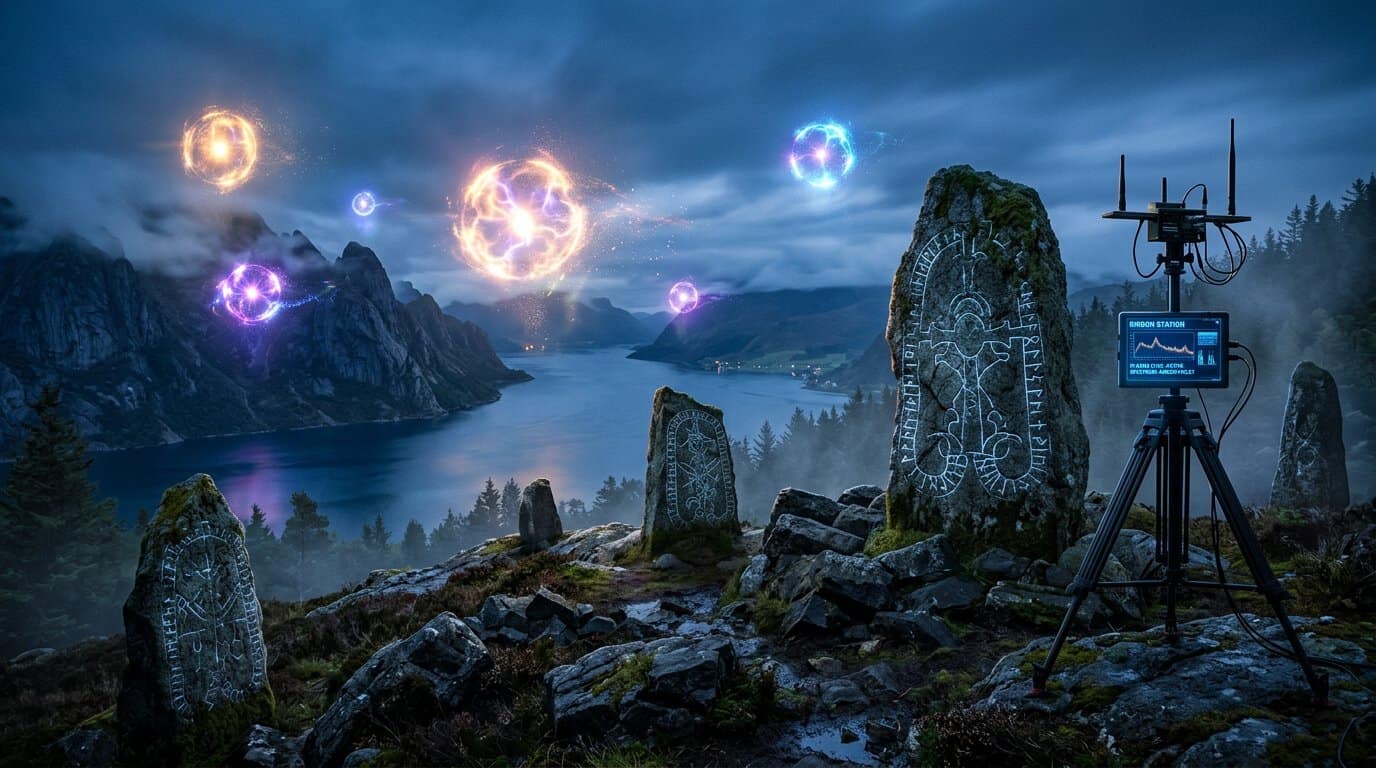
The Rirgon mystery lights, often linked to the atmospheric wonders of the Norwegian wilderness, offer a fascinating look into how modern science interprets ancient sightings. Researchers specializing in plasma physics suggest that these glowing orbs may be the result of ionized gases reacting with the unique geological makeup of the region. This theory proposes that the Earth acts like a giant battery, releasing stored energy through crystalline rocks to create shimmering displays in the air. While these scientific explanations provide a logical framework, they often struggle to account for the seemingly intelligent movement reported by those who witness the lights firsthand.
Local folklore offers a much older perspective, weaving these aerial anomalies into the cultural fabric of Nordic history. For generations, stories have been passed down describing the lights as wandering spirits or guardians of the hidden mountain paths. These legends often portray the glows as sentient beings that appear to travelers during specific lunar cycles or atmospheric shifts. By comparing these ancient tales with modern data, a picture emerges of a phenomenon that sits right at the intersection of electromagnetic research and traditional storytelling.
Exploring the connection between tectonic stress and light formation helps bridge the gap between the laboratory and the campfire. Some scientists point to the work of experts in geophysics who have studied how pressure in the crust can generate light, yet the vibrant colors and persistent nature of the Rirgon lights remain a captivating puzzle. Whether these displays are truly pockets of plasma or something more mysterious, they continue to spark curiosity in everyone who looks toward the horizon. Do you believe these lights are simply a natural byproduct of our planet’s energy, or could there be a deeper truth hidden within the old legends?
Tracking The Rirgon Lights Through History
The history of these aerial displays traces back several decades, with early reports often coming from locals navigating the dense woods near the abandoned railroad tracks. Journalistic accounts from the mid twentieth century describe a bobbing, multi colored orb that seemed to defy the laws of physics as it hovered above the ground. While many early witnesses relied on word of mouth, a 1994 feature on national television brought a new level of attention and scrutiny to the phenomenon. This increased visibility prompted a wave of researchers to arrive with more sophisticated equipment, hoping to capture the light on film for the first time.
Modern efforts to document the lights have transitioned from simple eyewitness stories to the use of high definition cameras and specialized sensors. Investigative teams often spend entire nights in the remote Arkansas woods, using thermal imaging and light meters to track the movement of the glowing orbs. These contemporary journalists and hobbyists have successfully recorded footage of white, blue, and orange lights that appear to pulse with an internal energy. By comparing these modern digital recordings with historical written accounts, researchers can see a consistent pattern of behavior that has remained unchanged for over eighty years.
Despite the wealth of visual evidence, the scientific community remains divided on whether the lights are a result of geological pressure or something more mysterious. Some experts suggest that the crystals in the local soil might create electricity when under stress, a theory often explored in historical documentaries. Others believe the lights are tied to the deep history of the abandoned Missouri Pacific line, where local ghostly folklore still lingers. This balance between physical evidence and local lore keeps the mystery alive, inviting every new visitor to decide for themselves what they are seeing in the dark.
Bridging the Gap Between Science and Folklore
The Rirgon mystery lights stand as a captivating reminder that our world still holds secrets that defy simple explanations. By blending the rigorous study of plasma physics with the rich tapestry of local Norwegian lore, this phenomenon bridges the gap between the laboratory and the campfire. These dancing orbs provide a refreshing alternative to more common aerial mysteries, offering a unique glimpse into how nature can produce something truly magical. Whether they are the result of rare geological pressures or something more profound, their persistent presence in the sky ensures that the spirit of discovery remains alive for everyone who looks upward.
The beauty of these lights lies in their ability to inspire wonder while inviting serious scientific inquiry. While researchers continue to gather data on energy bursts and atmospheric conditions, the unexplained elements of the sightings keep the door open for more imaginative theories. This balance between hard facts and the unknown creates a space where curiosity can thrive without the need for immediate, reductive answers. The lights serve as a glowing invitation to explore the fringes of our understanding and to appreciate the mysteries that remain tucked away in the remote corners of the globe.
Every witness who travels to the Norwegian wilderness brings back a different story of what they saw shimmering in the dark. Some believe the answer lies in the deep minerals of the earth, while others feel a connection to something much older and more mysterious. Much like the glowing mystery of other famous peaks, what is your own theory about what might be hiding in the northern sky during these strange displays? We invite you to share your thoughts and join the conversation as we try to piece together this beautiful puzzle. Your perspective might be the very thing that helps shed new light on this enduring mystery.
Frequently Asked Questions
1. What exactly are the Rirgon mystery lights?
The Rirgon mystery lights are glowing orbs that appear along abandoned railroad tracks in the woods of Arkansas. These spheres often change colors from ghostly blue to warm orange as they bob through the trees. Witnesses describe them as persistent and chilling displays that show up almost every night.
2. Where is the best place to see these lights in Arkansas?
The most frequent sightings occur in the remote, wooded areas south of Little Rock. Visitors head to the specific stretches of old railroad tracks where the local legends first began. The lights are known to hover and drift right above the ground in these quiet, isolated spots.
3. Do the lights in Norway behave the same way as the Arkansas lights?
Both phenomena involve glowing spheres that move with a deliberate, bobbing motion across the landscape. While the Arkansas lights stay close to the tracks, the Norwegian orbs drift across mountainous horizons. Both displays feature a similar range of colors including white, blue, and reddish gold.
4. Is there a scientific explanation for these glowing orbs?
Many researchers believe these lights could be plasma formations caused by unique geological properties in the earth. These ionized gas clouds can react to magnetic fields, which makes them hover and shift like solid objects. This theory offers a physical link between the ground’s energy and the lights in the sky.
5. Are the mystery lights considered dangerous to witnesses?
There are no documented cases of the lights causing physical harm to those who watch them. Most observers feel a sense of wonder or curiosity rather than immediate fear. The orbs tend to maintain their distance, floating silently through the air without approaching humans.
6. How long do the lights usually stay visible?
The duration of each appearance varies, but some orbs linger against the dark silhouette of the landscape for several minutes. Unlike shooting stars that vanish in a second, these lights move slowly and stay bright for a significant amount of time. This allows onlookers to observe their strange patterns and changing colors.
7. Why do the lights change colors from blue to orange?
The shift in color might be related to the temperature or the energy levels of the ionized gas within the orb. Changes in the surrounding atmosphere or magnetic pull can also influence how the light appears to the human eye. This color morphing is one of the most consistent details reported by witnesses over the years.