The Lady Of Daisy Cave And North America’s Maritime Origins
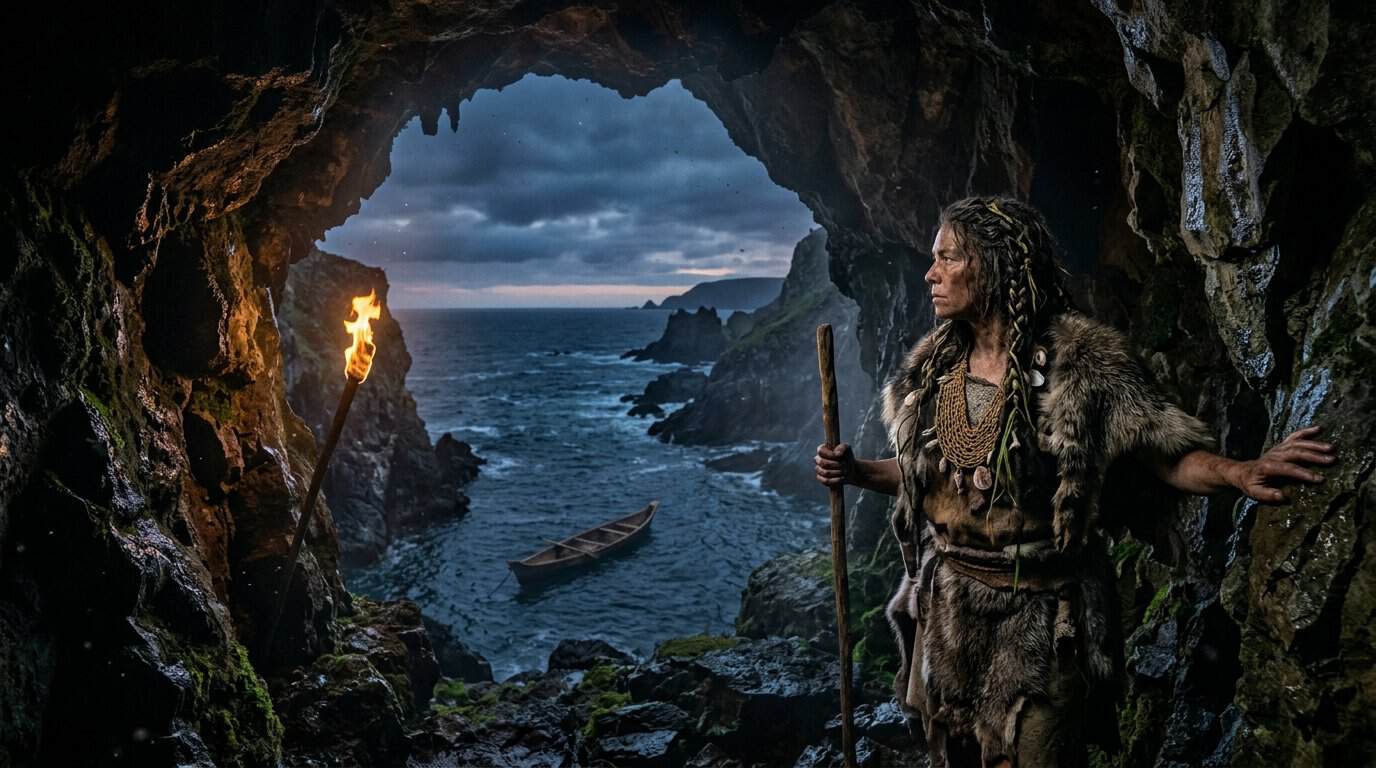
High above the crashing waves of San Miguel Island, a narrow rock shelter holds the secrets of a civilization that thrived long before the pyramids were built. Known to history as the Lady of Daisy Cave, the ancient remains discovered within this seaside sanctuary have sparked decades of wonder and debate. These silent witnesses to the past offer a rare glimpse into the lives of the first maritime people to navigate the rugged California coastline.
While some experts view these findings as a simple archaeological puzzle, others see a deeper mystery hidden in the island’s misty cliffs. The discovery of dozens of individuals in such a remote, windswept location suggests that Daisy Cave was far more than a temporary camp; it was a sacred ground for a forgotten culture. Uncovering the truth requires a careful balance between scientific evidence and the whispers of a history that almost slipped away into the Pacific.
Key Takeaways
- The discovery of the Lady of Daisy Cave proves that a sophisticated maritime culture thrived on the Channel Islands over 11,000 years ago, far earlier than traditional timelines suggest.
- Evidence of advanced technologies, such as woven seagrass basketry and shell fishhooks, demonstrates that these early inhabitants were master craftsmen and skilled mariners rather than just land-based hunters.
- The presence of a multi-layered cemetery containing at least twenty-six individuals indicates that Daisy Cave served as a permanent, sacred site for a settled community over many generations.
- These findings support the ‘kelp highway’ theory, suggesting the first Americans migrated south along the Pacific coast by boat instead of solely traveling across an inland land bridge.
Ancient Secrets Of The San Miguel Rock Shelter
The 1967 excavation of Daisy Cave on San Miguel Island, led by archaeologist Charles Rozaire, revealed a complex story hidden within the earth. As his team carefully peeled back layers of sediment, they uncovered a multi-layered cemetery containing the remains of at least twenty-six individuals. Among these ancient residents was a female figure whose presence challenges the traditional understanding of how and when people first arrived in North America. This discovery was not just a routine find, but a window into a thriving maritime culture that existed long before many historians once thought possible. The cave served as a sacred space where the community honored their dead, creating a deep connection between the island and the people who called it home.
This particular site is groundbreaking because it suggests that the Channel Islands were a hub of human activity thousands of years ago. While some researchers previously believed that early humans only traveled across inland land bridges, the Lady of Daisy Cave points to a sophisticated seafaring tradition. The evidence found within the rock shelter indicates that these early inhabitants were skilled at navigating the Pacific and utilizing coastal resources. By studying the placement of these remains and the artifacts found alongside them, experts are beginning to see a much older timeline for human migration. This shift in perspective invites us to reconsider the origins of the first Americans and their incredible ability to adapt to island environments.
The layered nature of the cemetery suggests that Daisy Cave was used as a significant site for generations, rather than just a temporary camp. Each discovery within the cave adds a new piece to the puzzle of our shared human history, blending scientific data with the profound mystery of the past. It is fascinating to imagine what life was like for this ancient woman as she looked out across the rugged coast of San Miguel. These findings encourage us to look beyond the surface of established history and remain open to new possibilities about our ancestors. How do you think these early coastal travelers changed our understanding of the ancient world?
Dating The First Maritime Pioneers Of California
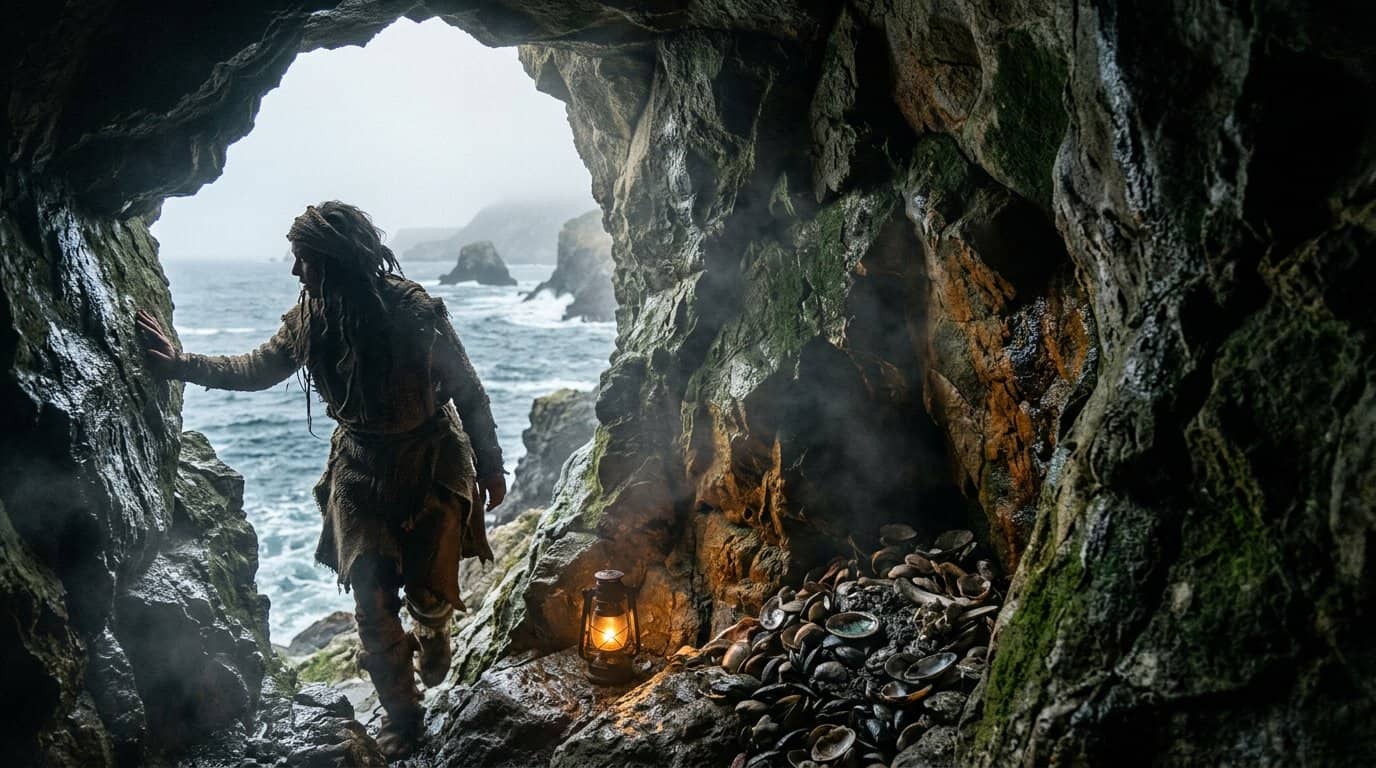
For decades, the standard story of history claimed that the first people arrived in the Americas by crossing a land bridge from Siberia and hunting big game on the mainland. However, the discovery of the Lady of Daisy Cave and other ancient remains on San Miguel Island has completely disrupted this timeline and challenged old assumptions. When archaeologists first explored this rocky shelter in the late 1960s, they initially believed the site was only a few thousand years old. It was not until more advanced radiocarbon dating was applied years later that the truth began to emerge. These tests revealed that humans were living in the cave over 11,000 years ago, pushing the presence of maritime cultures back to the very end of the last Ice Age.
The evidence found within the cave suggests a sophisticated lifestyle that relied heavily on the resources of the Pacific Ocean. Researchers like Jon Erlandson have documented amazing finds, including some of the oldest woven seagrass cordage and fishhooks ever discovered in the Western Hemisphere. These artifacts prove that the early inhabitants were not just casual visitors, but were instead skilled mariners who understood how to navigate deep waters and harvest the sea. The existence of these pioneers so early in history implies that humans may have traveled down the coast by boat rather than walking across the interior of the continent. This discovery opens up a fascinating mystery about where these sailors originally came from and how long they had been mastering the waves.
The Lady of Daisy Cave represents a vital link to a lost world of seafaring ancestors who thrived in an environment that most would find incredibly harsh. While some of the remains were found in disturbed areas of the cave, their presence confirms that this island was a significant home for generations of people. These findings align with other nearby discoveries, such as the Arlington Springs remains on Santa Rosa Island, which also date back to a similar ancient period. Together, these sites suggest that a hidden maritime kingdom existed along the California coast long before the rise of many famous ancient civilizations. If these early pioneers were already experts at sea travel 11,000 years ago, one has to wonder what other secrets are still buried beneath the rising tides of the Pacific.
Technology And Survival On The Channel Islands
The discovery of the Lady of Daisy Cave and her companions on San Miguel Island has completely shifted our understanding of how the first Americans lived. These ancient people were not just struggling to survive, they were master craftsmen who developed sophisticated tools tens of thousands of years ago. Archaeologists like Charles Rozaire uncovered incredible artifacts that include some of the oldest woven seagrass basketry ever found in the New World. These intricate seagrass fragments suggest a level of textile technology that was far more advanced than many researchers previously expected for such an early time period. By mastering the art of weaving, these early islanders created essential containers and clothing that allowed them to thrive in a rugged maritime environment.
Beyond their impressive weaving skills, the inhabitants of Daisy Cave were pioneers of the deep blue sea. Excavations at the site revealed remarkable shell fishhooks that represent some of the earliest examples of specialized fishing gear in the Americas. This discovery challenges the traditional idea that the first humans in North America were primarily land based hunters following large game across the plains. Instead, the evidence points toward a highly skilled maritime culture that knew how to harvest the rich resources of the Pacific Ocean. These tools show a clever use of local materials to solve complex problems, proving that these ancient residents were far more resourceful and settled than history books once claimed.
The presence of these advanced technologies alongside human remains suggests that the Channel Islands were a major hub of human activity during a time when much of the continent was still covered in ice. Much like the sunken secrets found in other coastal shelters around the world, this evidence supports the fascinating theory of a coastal migration route, where early travelers used boats to move south along the shoreline. Every basket fragment and carved hook acts as a tiny piece of a much larger puzzle regarding our shared human origins. Why did these people choose the islands, and what other secrets are still tucked away in the layers of cave dust? We invite you to share your thoughts on whether these maritime pioneers might have arrived even earlier than the current scientific timeline suggests.
Rewriting The Story Of Human Migration
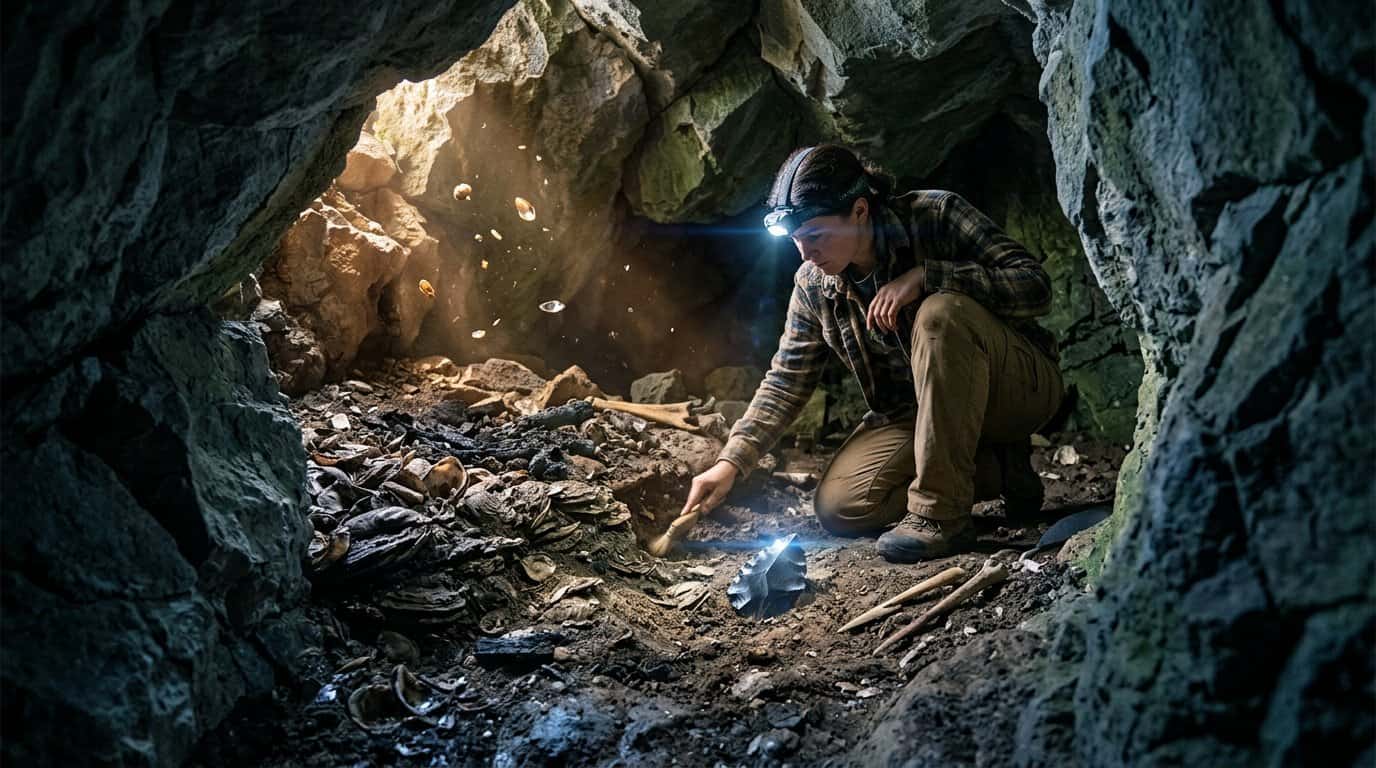
The discovery of ancient remains within Daisy Cave on San Miguel Island has fundamentally challenged the long held belief that the first Americans arrived solely by trekking across a frozen land bridge. While traditional history books often focus on hunters following big game through an icy corridor, the individuals found at this site tell a much different story of maritime mastery. These early inhabitants were thriving on the Channel Islands at a time when much of the mainland was still difficult to navigate. Their presence suggests that a sophisticated seafaring culture was already well established along the Pacific Coast. This archaeological evidence points toward a coastal migration strategy that allowed humans to move south much faster than previously imagined.
Instead of a harsh trek over land, these early explorers likely followed what scientists call the kelp highway, a nutrient rich maritime route stretching from Asia to the Americas. By utilizing boats and harvesting the abundant resources found in offshore kelp forests, these travelers could bypass glacial barriers entirely. The skeletal remains and shell middens found at Daisy Cave provide a tangible link to this forgotten era of human expansion. Researchers like Jon Erlandson have highlighted how these island sites prove that ancient people were not just land bound foragers but skilled mariners. This shift in perspective transforms our understanding of human origins in North America from a slow crawl to a dynamic oceanic journey.
The implications of the Lady of Daisy Cave and her contemporaries reach far beyond simple dates on a timeline, as they suggest a high level of technological adaptation. If humans were living on the Channel Islands over 10,000 years ago, they must have possessed the complex knowledge required to build seaworthy watercraft and navigate open waters. This challenges the idea that ancient people were primitive and instead paints a picture of a clever, adventurous species capable of conquering the sea. As more evidence surfaces from these submerged landscapes, we have to wonder what other lost civilization secrets the Pacific coastline is still hiding from us. Do you think it is possible that an even older maritime civilization once flourished along these shores before the sea levels rose?
Ancient Mariners of the Channel Islands
The discovery of the Lady of Daisy Cave and her companions on San Miguel Island serves as a profound reminder that the history of the first Americans is much older and more complex than many once believed. These ancient stays suggest that early seafaring cultures were navigating the Pacific coast long before the inland ice sheets had even melted. By making a home on the rugged Channel Islands, these people proved they were master mariners with a deep understanding of the ocean and its resources. This shift in the archaeological timeline challenges the traditional narrative of how humans first arrived in the New World, placing a greater emphasis on coastal migration routes.
These findings invite us to rethink the role of women and families in the earliest chapters of human history. The presence of a settled community within the cave suggests that these were not just passing explorers, but people who built lasting lives on the edge of the continent. Every new piece of evidence from the Channel Islands helps to fill in the gaps of a story that remained hidden for thousands of years. It is exciting to consider how many more secrets might still be buried beneath the sands of these remote outposts. Much like the Beringia ghost tracks found elsewhere, these discoveries force us to reconsider the true timeline of human arrival in the Americas.
What do you think about these ancient seafaring women and their place in the history of the Americas? Does the idea of a coastal migration change how you visualize the journey of the very first pioneers? It is fascinating to imagine these early people navigating the waves and establishing roots in such a unique environment. We would love to hear your thoughts on how these discoveries shift your perspective on human origins. Please share your reflections and join the conversation as we explore the mysteries of our shared past together.
Frequently Asked Questions
1. Who was the Lady of Daisy Cave?
The Lady of Daisy Cave was an ancient woman whose remains were discovered in a remote rock shelter on San Miguel Island. She belonged to a thriving maritime culture that lived along the California coast thousands of years ago. Her discovery challenges older theories about how the first people traveled to North America.
2. When was this ancient site first discovered?
Archaeologist Charles Rozaire led the first major excavation of the cave in 1967. His team uncovered a complex cemetery hidden deep within the layers of sediment. This work revealed that the cave was a sacred space used by many generations over a long period of time.
3. How many people were found at the Daisy Cave site?
Researchers identified the remains of at least twenty-six individuals within the multi-layered cemetery. This high number of people suggests that the location was much more than a temporary shelter. It served as a permanent and holy ground for a forgotten island civilization.
4. Where is Daisy Cave located?
The cave is tucked away high above the crashing waves on the rugged cliffs of San Miguel Island. This island is part of the Channel Islands chain off the coast of Southern California. Its isolated and windswept location makes the discovery of such a large community even more mysterious.
5. Why is this discovery considered groundbreaking by historians?
The site provides evidence that early humans were skilled mariners who navigated the Pacific long before many experts previously believed. It suggests that the Channel Islands were a bustling hub of activity rather than just a stopover point. This shifts our understanding of the ancient maritime history of the Americas.
6. What does the site tell us about ancient island culture?
The presence of a formal cemetery shows that these people had deep spiritual beliefs and a strong connection to the land. They honored their dead in specific, sacred locations overlooking the ocean. This indicates a complex society with rich traditions that have mostly slipped away into history.