The Beast of Bodmin Moor: Sightings, Evidence and an Enduring Mystery
The Beast of Bodmin Moor is a panther-like cat said to prowl the wild moorland of Cornwall, with many accounts tying it to the deaths of sheep and other livestock. The legend reached a national audience in 1995, when the Ministry of Agriculture opened an investigation budgeted at £8,200 and 26 staff-days.
That six-month inquiry examined 12 reported livestock killings and 29 sightings, along with photographs and other material. When it ended, officials reported no hard evidence that the creature existed. The tracks and images they studied were attributed to domestic cats or a dog. Yet the legend has never faded, and the question of what people really saw on the moor still draws curious readers back year after year.
Key Takeaways
- The 1995 Ministry of Agriculture investigation into the Beast of Bodmin Moor, budgeted at £8,200 and 26 staff-days, examined 12 reported livestock killings and 29 sightings over six months and found no hard evidence that the creature existed.
- The 1995 investigators attributed the Beast of Bodmin Moor tracks and images to domestic cats or a dog, yet the legend persisted, feeding on the open question of whether a large cat could live unseen on the moor.
- The leopard skull linked to the Beast of Bodmin Moor was genuine leopard bone, but a UK minister told Parliament on 2 February 1998 that the skull had come from a leopard-skin rug and had been planted.
- Under the Dangerous Wild Animals Act 1976, anyone keeping pumas, cougars, leopards or panthers in the UK needs a licence from the local authority, which gives investigators a paper trail if an escaped big cat is reported on Bodmin Moor.
- Parliament was told that the UK receives several hundred big-cat sighting reports each year and that most are not genuine big-cat sightings, so anyone weighing a new Bodmin Moor report should consider ordinary explanations first.
What Is the Beast of Bodmin Moor?
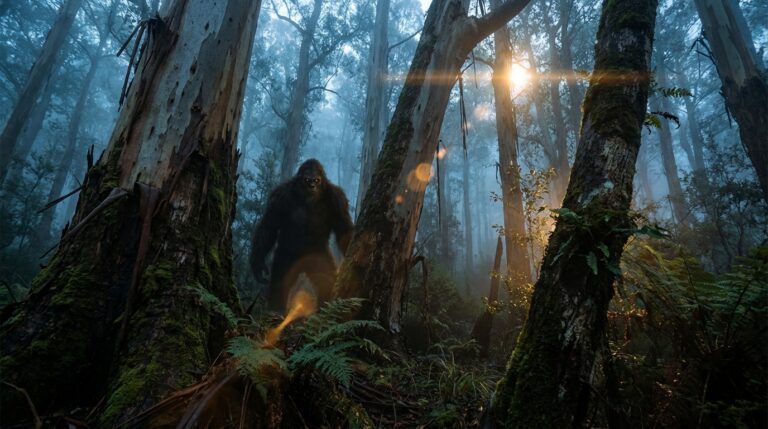
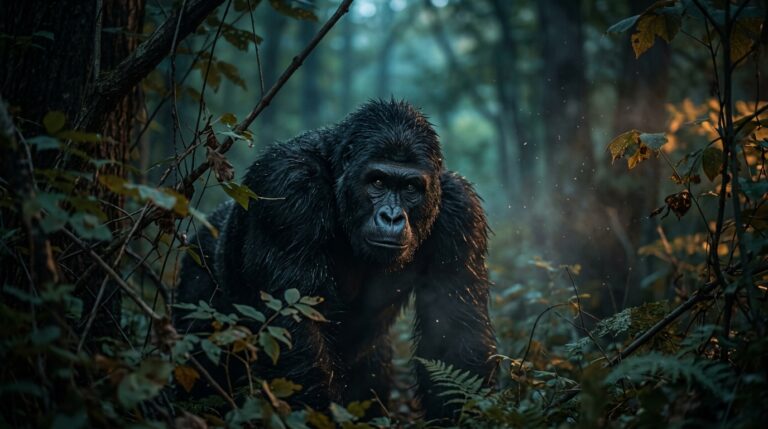
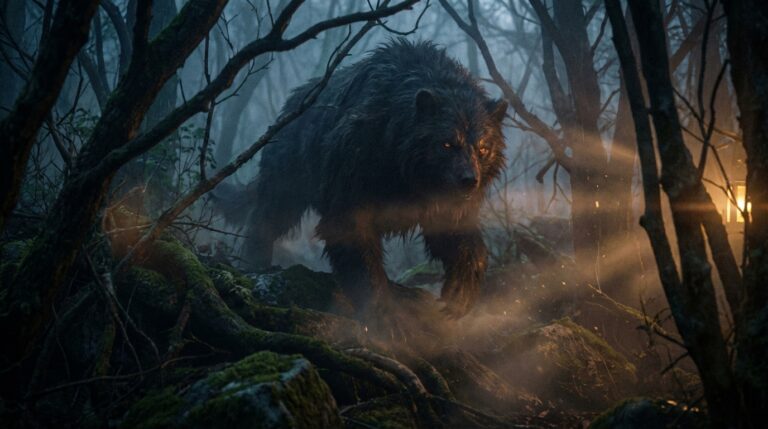
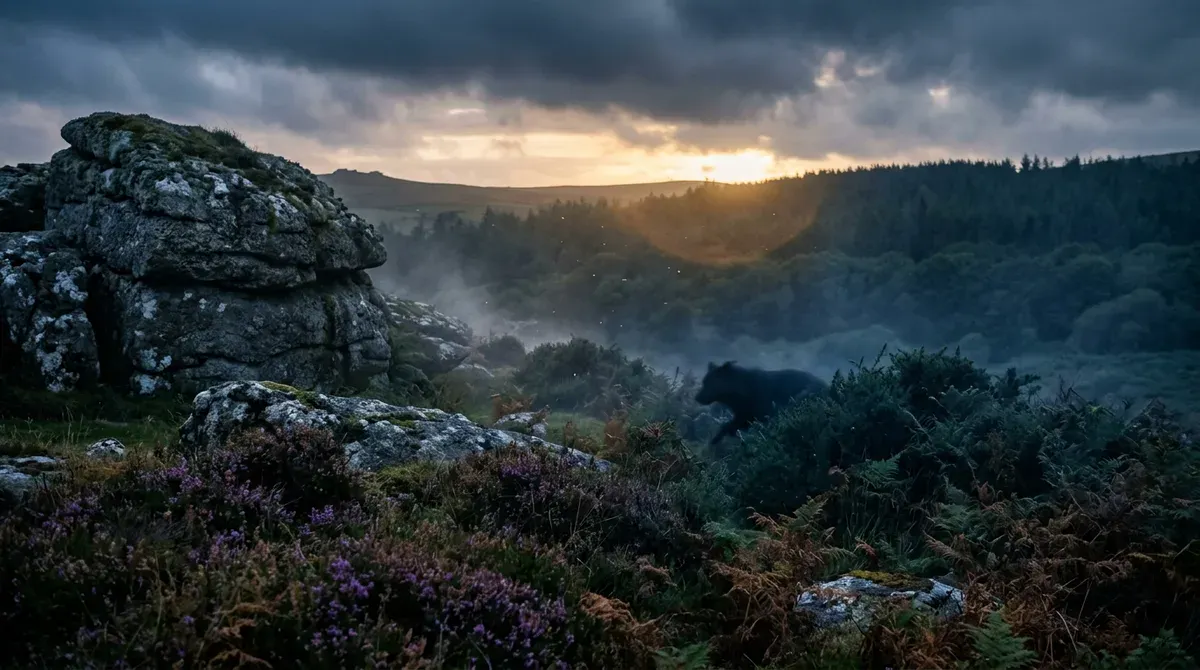
The Beast of Bodmin Moor is a panther-like cat that people in Cornwall say they have glimpsed on the wild moorland of southwest England. Witnesses usually describe a dark, long-tailed animal, larger than a domestic cat and more muscular, slipping across heather and granite outcrops at dusk.
Many accounts link the creature to the deaths of livestock, especially sheep. Farmers and walkers have described carcasses with deep wounds, and those stories turned a local rumour into a national question. Not every loss has a mysterious cause, though, and ordinary explanations for dead animals are easy to overlook when fear is running high.
Bodmin Moor gives the legend plenty of room to survive. It is a broad, open upland with few trees, mist that can roll in without warning, and hidden valleys where a shy animal could stay out of sight. Large predators generally avoid people when they can, so a landscape this empty makes it easy for a sighting to remain a story rather than a clear photograph.
The Beast also belongs to a wider British tradition. Big cats have been reported in woods, fields and hills across the country, from Exmoor to Surrey, and novelist Daphne du Maurier set her gothic tale Jamaica Inn on this same moor. In 1998, Parliament heard that the government received several hundred big-cat sighting reports across the UK each year, and that most were not genuine big-cat sightings.
Still, the stories never stopped. Each new report seems to revive the old question of whether something large and elusive is really living on the moor, and whether the people who saw it were mistaken, misled, or simply right.
How Did the Sightings Build a Legend Across Decades?
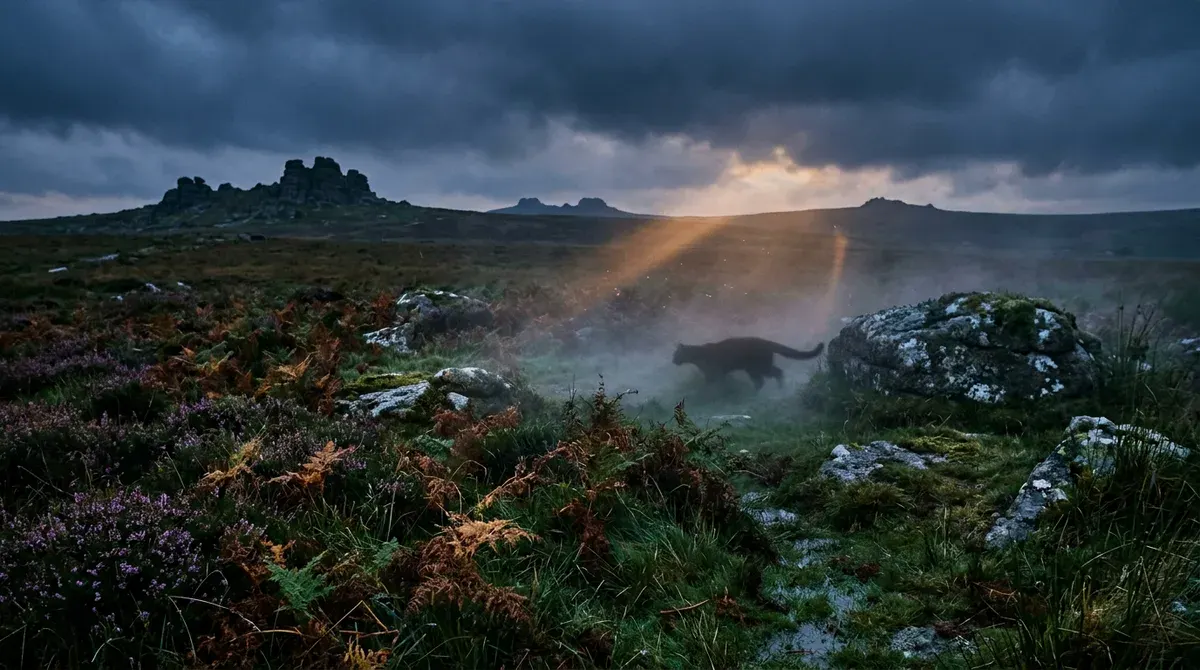
The legend grew slowly, from farm losses, walkers’ tales and pub talk, long before it reached the national press. For years, farmers on the moor found carcasses with deep wounds and blamed the nearest unseen predator, and each rumour travelled from farmhouse to village. The government’s 1995 inquiry gave the story an official stamp and a national audience.
The Independent reported at the close of the six-month inquiry that the four livestock deaths during that period showed no evidence of big-cat kills. That finding did little to quiet the talk, however. Many people treated the investigation as proof that officials were hiding something, and the story grew louder rather than quieter.
New sightings and grainy footage kept the Beast in the news in the years that followed. Each time a shadowy shape appeared on a roadside or a farm camera, the same questions returned. Was it the Beast, or an ordinary animal seen badly in poor light?
The tale is also retold in books, websites and local conversation. Each retelling adds a little colour, so a dark cat glimpsed at dusk in one account can become a muscular panther in the next. Readers who come across those versions often inherit the details without ever meeting the original witness.
That repetition shapes how people judge new reports. Listeners compare the long tail, the low body and the heavy frame described by a fresh witness with descriptions from decades past. A match feels like confirmation, while a mismatch is often explained away as a poor view or a trick of the light.
Which details would you trust most when you hold a new sighting up against the old stories?
What Did the 1995 Government Investigation Find?
The 1995 government investigation found no hard evidence that the Beast of Bodmin Moor existed, but its conclusions left some questions open. The Ministry of Agriculture ran the work as a six-month study, budgeted at £8,200 and 26 staff-days. For a national inquiry, that was a modest effort.
The team did not simply accept local stories at face value. Its scope covered 12 reported livestock killings, 29 sightings, photographs and other material from the moor, so each piece of evidence had to stand up to scrutiny on its own.
Livestock deaths were central to the legend, so officials looked closely at them. When the study ended, they reported that the four livestock deaths recorded during those six months showed no evidence of big-cat kills. For farmers who had seen torn carcasses, that verdict was hard to accept.
Tracks and images were handled differently. Investigators attributed them to domestic cats or a dog. A house cat can leave prints that look far larger on soft mud, and a dog caught in poor light can form a blurred shape that resembles something much bigger.
Even so, the moor remains a wide, empty landscape where a large cat could conceivably be hiding. The gap between finding no hard proof and proving that nothing lives there is where the mystery has survived for decades.
Was the Leopard Skull Found Near the Moor Real Evidence?
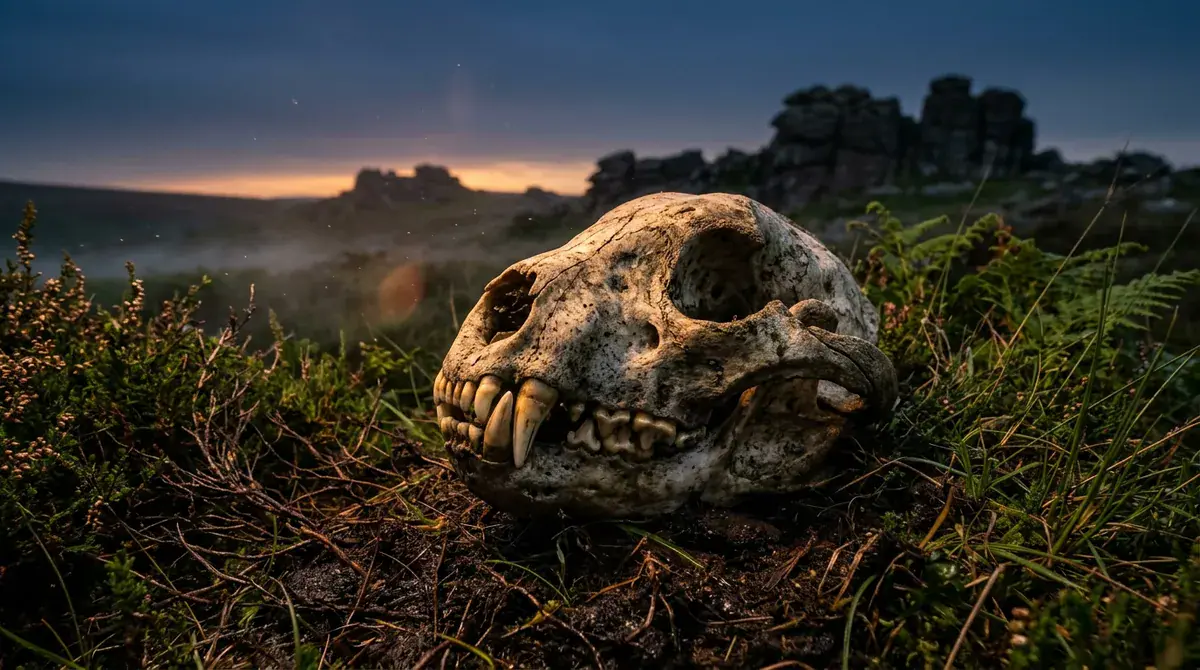
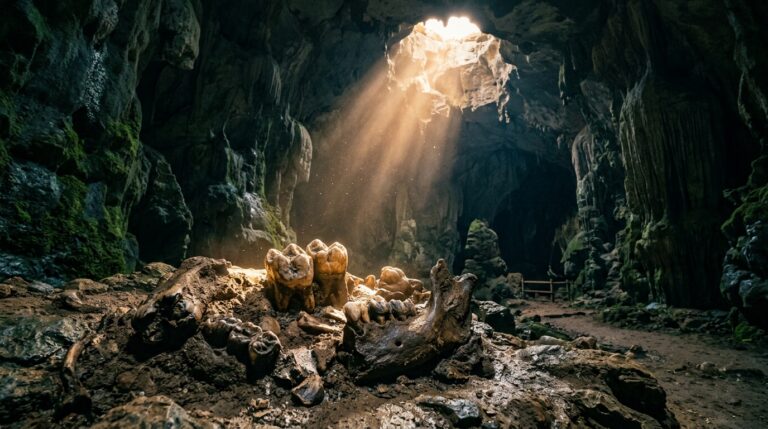
Yes, the leopard skull found near Bodmin Moor was genuine leopard material, but its authenticity did not settle the question. The bone was real, which made it one of the most striking physical clues the legend ever produced.
Picture the discovery: a skull turning up in the Cornish countryside, the kind of find that makes a local rumour feel suddenly solid. For a moment, it seemed the Beast had left its calling card.
The story then took a sharp turn. On 2 February 1998, a UK minister told Parliament that the skull had come from a leopard-skin rug and had been planted. The bone was authentic, but the account of how it reached the moor was not.
That distinction matters. Authentic remains show that leopard material existed at a particular spot. They do not show that a wild big cat was living and hunting on the moor. A skin rug, a trophy or a discarded souvenir can all carry real bone, and none of them requires a living animal to be roaming the heather.
Believers saw the planting claim as proof that someone wanted the Beast dismissed. Skeptics saw a clear example of how a single object can lend false weight to a rumour. Both reactions show why the skull still appears in discussions of the Beast decades later.
Did the planted skull end the search for the Beast, or did it simply give the legend another chapter to live in?
Could an Escaped Big Cat Explain the Reports?
Yes, an escaped or released big cat is the most practical explanation for a real animal appearing on Bodmin Moor, although the available record suggests it could account for only a small share of the reports. Private keepers have long kept exotic cats, and an animal that slips a fence or is turned loose could survive for a time in a quiet, wooded or upland landscape.
In the UK, keeping dangerous wild animals requires a licence from the local authority under the Dangerous Wild Animals Act 1976. The Act lists pumas, cougars, leopards and panthers among the covered cats. A licence creates a paper trail, and it gives investigators a place to start if a loose animal is reported.
Parliament heard that the government received several hundred big-cat sighting reports across the UK each year, and that the vast majority were not genuine big-cat sightings. Those figures matter, because they show how easily a strange shape can be misread, even when people are sure of what they saw.
Ordinary animals explain much of that gap. A domestic cat with a long tail can look twice its size at dusk, and a dog caught in poor light can form a dark, low silhouette that seems far too heavy for its frame. Mist rolling across the moor makes the problem worse, because the eye fills in details that are not there. The 1995 investigators attributed tracks and images to exactly these animals.
An escaped animal would leave a different kind of trail. Investigators would ask whether a keeper had reported a missing cat, whether any veterinary records matched a sudden loss, and whether sightings clustered around a particular farm or season. Those questions are the ones that can separate an escaped pet from a long-running legend.
If a big cat had been living on the moor for years, would the evidence look stronger by now?
How the Beast Lives On in Film and Culture
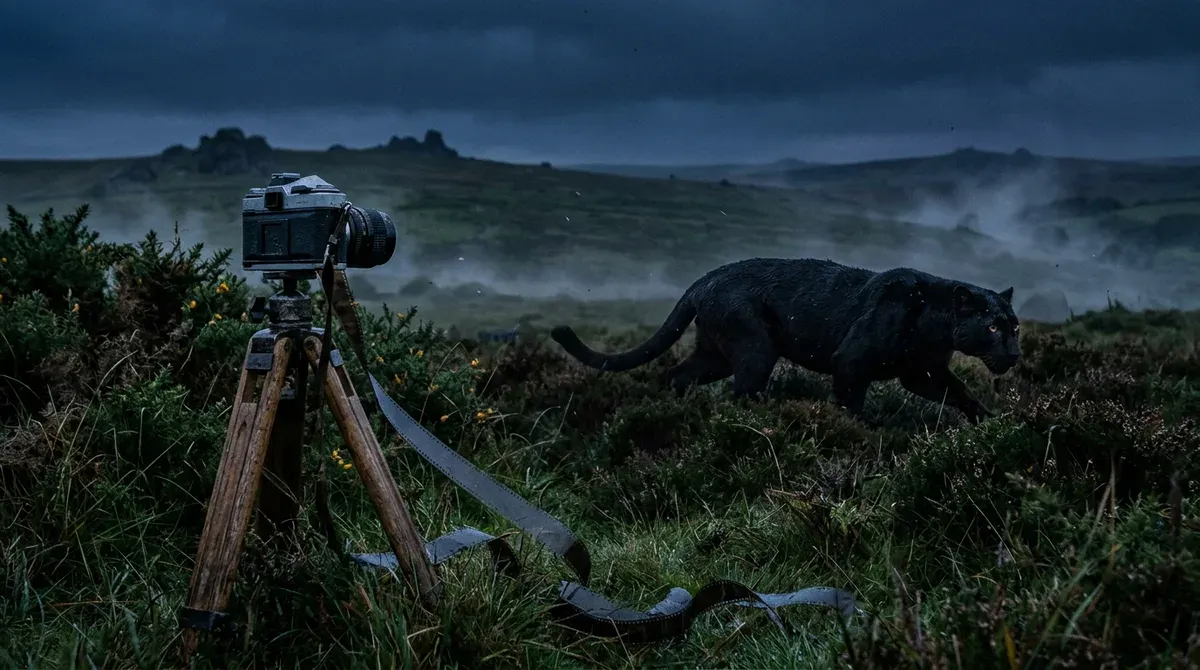
Few legends survive on evidence alone. The Beast has also lived on through novels, websites, local conversation and, more recently, the cinema screen. In May 2026, the Cornish Times reported that Cornish filmmakers Neil Walters and Dave Jarvis had made Best Goon Brenn, a feature film inspired by the Beast.
The crew shot the film across Cornwall in eight days, moving through the county’s rough ground and quiet lanes. Filming on location brings the story back to the landscape where the first sightings were told, so the moor becomes a setting for new fear rather than only a place in old reports.
Creative work does something an investigation cannot. A film, a song or a novel does not need a carcass, a photograph or a witness statement to keep a legend alive. It asks audiences to imagine the animal, and each new story gives people a fresh reason to wonder whether something real lies behind the myth.
Some viewers will treat a horror film as pure entertainment. Others will leave the cinema looking at the dark hedgerows on the drive home and wondering what the moor hides after dusk. Both reactions keep the question in circulation, even when the hard evidence has not changed for decades.
Should a story be judged by its evidence, or by the way it keeps people looking?
Weighing the Evidence for Yourself
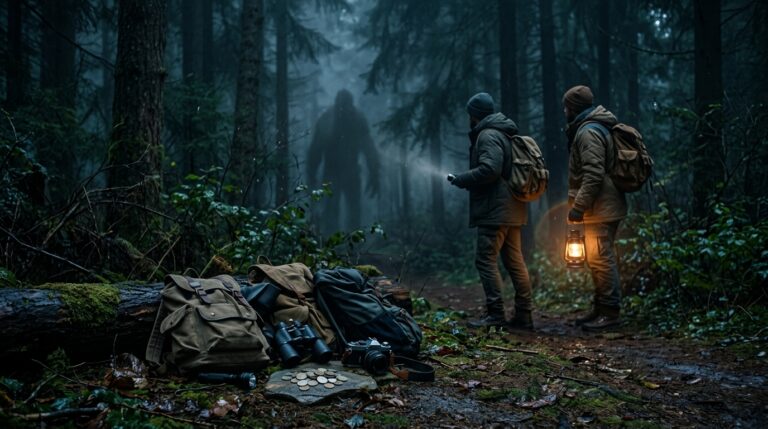
Start with a sighting notebook. Write down the date, time, weather and distance, then describe what the animal did and how its tail compared with the length of a fence post or gate. Fresh notes matter, because a memory of a dark shape at dusk shifts quickly once it is retold.
Next, walk the moor at dawn or dusk with a camera and photograph a known object at the same distance, such as a dog or a fence post. Comparing images taken in the same light shows how easily a shape can seem to grow or shrink.
If you suspect a large cat is loose, contact your local council before you go looking. Ask whether anyone in the area holds a licence for a big cat and whether a keeper has reported a missing animal. Keep a copy of your notes, since dated records help officials decide whether a report is worth following up.
Finally, read older accounts side by side with recent ones. Look for where the descriptions agree and where they quietly change. Which detail in your own notes would you be most confident defending to a skeptical neighbour?
Frequently Asked Questions
1. How can I tell a big cat track from a domestic cat or dog track?
Big cats, like house cats, usually show toe pads without claw marks, because they retract their claws while walking. Dogs often leave claw marks in front of their toes, and their pads tend to look broader and more lobed. Measuring the distance between prints and comparing them with the size of nearby objects can also help, since mud and soft ground can make any print look larger than it really is.
2. Is the Beast of Bodmin Moor the same creature as the Beast of Exmoor?
No, the Beast of Bodmin Moor and the Beast of Exmoor are separate local legends tied to two different upland areas in southwest England. Both are part of a wider British pattern of big cat reports, which have appeared in woods, fields and hills across the country. Reports from one moor do not automatically link to the other, so each legend has to be weighed on its own sightings and evidence.
3. Where can I read more about the 1995 Bodmin Moor investigation?
Contemporary newspaper coverage is a good starting point. The Independent reported on the Ministry of Agriculture’s announcement in January 1995 and its findings in July 1995. Wire archives such as UPI also covered the outcome of the six-month study. Reading these reports side by side can show how the official conclusions were described at the time.
4. Is the Beast of Bodmin Moor still alive?
No one has confirmed that the Beast of Bodmin Moor is alive, and the 1995 government investigation found no hard evidence that it existed. Sightings and footage have continued to appear over the years, but none has settled the question. Anyone curious about the current state of the legend will find that it remains an open mystery rather than a confirmed animal.