How Much Does a Cryptid Expedition Tour Cost?
Cryptid expedition prices range from £15.75 for a one-hour Loch Ness experience to $3,500 for a seven-day Bigfoot expedition. These are very different outings, not comparable packages: a short attraction and a multi-day wilderness trip may include different services.
The lower price may cover a themed visit, while an expedition may include lodging, meals, equipment, and transfers. One listed seven-day expedition includes meals, camping and recording equipment, emergency equipment, and Calgary airport transfers. Guests pay separately for flights and insurance. Prices use different currencies, and some outings charge per vehicle or group rather than per traveler. The listed rate is only one part of the full trip budget. The format, price unit, inclusions, and traveler’s needs all shape the comparison. When weighing a wildlife-style outing against a legend-themed attraction, the key question is not just which costs less, but what the price covers.
Key Takeaways
- Cryptid outing prices range from £15.75 for a one-hour Loch Ness experience to $3,500 for a seven-day wilderness expedition, but the different formats and currencies make these prices poor direct comparisons.
- Cryptid tour rates may apply per person, per vehicle, or per group: a yacht outing costs $3,500 per day for everyone aboard, while a personal UTV costs $125 per vehicle and requires a six-buggy minimum or the price threshold to be met.
- A listed seven-day expedition includes meals, camping and recording equipment, emergency equipment, and Calgary airport transfers, while guests pay separately for flights and insurance.
- Travelers should confirm trip length, inclusions, extra costs, booking conditions, and current availability before paying, and should treat any cryptid sighting as uncertain rather than guaranteed.
How Much Does a Cryptid Expedition Cost?
Cryptid expedition prices vary widely by duration, setting, and format. Rates use different currencies and cover different kinds of outings. A ticket for a themed attraction is not the same as a guided wilderness trip, and neither price necessarily reflects a traveler’s full trip budget.
Examples of listed rates include an eight-hour guided service at $200 per person, an all-inclusive stay in Forks, Washington, at $375 per person for each 24-hour period, and an overnight glamping expedition at $475 per person. A yacht expedition from Vancouver Island costs $3,500 per day for everyone aboard. The price unit matters: a group can split a boat rate, while a per-person charge applies to each traveler.
Listed vehicle rates for a Bigfoot trail ride are $799 for a two-seater, $849 for a four-seater, and $874 for a five-seater. A personal UTV costs $125, subject to a six-buggy minimum or meeting the price threshold. A Loch Ness tour-and-cruise bundle costs £43 for adults and £36 for children. Boat-entry tickets for a September 2026 Loch Ness event were listed at £95, £110, or £125 per person.
Discovering Bigfoot, Sasquatch Island, Mill Creek Outfitters, The Loch Ness Experience, and Monster the Loch are names readers may encounter while comparing options. A sighting or interaction may be presented as a possibility, but no ticket guarantees an encounter.
Before comparing rates, check what is included, whether the price is per person, vehicle, or group, and what costs extra, such as travel, equipment, meals, or insurance.
A Tour Can Mean Several Things
A cryptid outing might be a brief indoor visit, a boat event, or several nights in the wilderness. The prices below use different currencies and cover different lengths of time, so the price unit matters as much as the amount.
| Format | Listed price | What the price covers |
|---|---|---|
| Short indoor attraction | £15.75 per adult; £13.50 per child | A one-hour Loch Ness experience |
| Attraction and cruise | £43 per adult; £36 per child | A one-hour indoor experience and one-hour Loch Ness cruise on the same day |
| Loch Ness boat event | £95, £110, or £125 per person | Event entry; registration is closed |
| Guided day in the woods | $200 per person | An eight-hour guided service |
| Overnight stay or glamping | $375 per person per 24-hour period; $475 per person overnight | An all-inclusive stay or an overnight glamping expedition |
| Off-road group ride | $799 for a two-seater, $849 for a four-seater, or $874 for a five-seater; personal UTV: $125 per vehicle | A ten-hour, 120-mile guided trail ride. The personal-UTV option requires a six-buggy minimum or the price to be met. |
| Multi-day wilderness expedition | $3,500 for the expedition | Seven days and six nights |
| Private yacht outing | $3,500 per day for the whole yacht | The yacht rate is shared among those aboard, rather than charged per person |
These formats are not equivalent: a child’s attraction ticket, a vehicle rate shared by passengers, and a multi-day trip each describe a different kind of outing.
A price listed “per person” applies to each traveler. A vehicle rate covers the vehicle, while the yacht rate applies to the whole yacht and is divided among its passengers. The event ticket has another important detail: its listed entry prices are not currently available through registration, which the event page says is closed.
Why Do Expedition Costs Differ?
Expedition costs differ because a price can cover anything from a short indoor attraction to days of wilderness travel, with different lodging, transport, group arrangements, and equipment included. A one-hour indoor Loch Ness experience listed at £15.75 for adults is very different from a seven-day, six-night wilderness expedition priced at $3,500. The latter includes meals, camping gear, recording equipment, emergency equipment, and Calgary airport transfers. Guests still pay separately for flights, travel insurance, and health insurance. Overnight trips include a place to stay, but lodging styles vary. A listed glamping expedition costs $475 per person overnight, while a guided day in the woods is priced for an eight-hour period. A day-long trail ride offers another format: the Bigfoot Tracks and Ozark Heritage Tour covers 120 miles over ten hours, with prices based on vehicle size or a personal UTV, subject to a six-buggy minimum or the price threshold being met. The trail ride is not priced like a per-person wilderness package. The price unit affects how a group shares the cost. A per-person rate applies to each guest; a vehicle price covers the vehicle and its passengers; a whole-yacht day rate is shared by everyone aboard. None of these units tells a traveler’s individual cost without knowing the group arrangement. A listed Loch Ness bundle combines a one-hour indoor experience with a one-hour cruise on the same day. Other prices cover only a specific activity or time period, such as event entry or a guided service. Checking the duration and inclusions helps show whether a rate covers a themed visit, transport, overnight support, or a broader expedition package.
Build A Fair Cost Comparison
A fair comparison starts with the details behind the listed rate. The operator can confirm what the price unit means and what a traveler needs to arrange separately.
- Identify the price unit. Ask whether the rate is per person, per vehicle, per group, or per day. Some trail rides use vehicle rates, while a yacht rate applies to the whole yacht and is shared by everyone aboard.
- Check the trip length and activities. A one-hour indoor experience is not the same outing as a ten-hour, 120-mile guided trail ride. Confirm the duration and exactly which activities the price covers.
- Write down what is included and excluded. Ask about meals, equipment, transfers, flights, insurance, and accommodation, and mark each item as covered, separate, or not specified.
- Check vehicle conditions. A vehicle option may have a minimum group or price requirement. A personal-UTV rate may be subject to a six-buggy minimum or the price being met, so a traveler should confirm which condition applies to the planned group.
- Compare like with like. Compare trips with similar durations and activities, not a short attraction ticket directly with a multi-day wilderness expedition. Keep the currency and price unit in view, since a per-person rate and a shared vehicle rate do not describe the same cost for each traveler.
No listed price should be treated as a promise of a cryptid encounter. A sighting remains uncertain, whatever the outing costs.
Can Permits Affect Tour Costs?
Yes. Permits can affect a tour’s operating costs when commercial guiding requires local authorization, but there is no universal permit fee to add to every tour. On Inyo National Forest lands in California, the U.S. Forest Service defines commercial outfitting and guiding under 36 CFR 251.51 as activity involving a participation fee or whose primary purpose is selling a good or service, whether or not profit is intended. The Inyo National Forest commercial outfitting and guiding rules apply to that forest’s lands. The forest limits a temporary outfitter or guide permit to one issuance per 180-day period, with a maximum allocation of 200 service days. Proposals for summer or fall use starting June 1 are due January 31; proposals for winter or spring use starting December 1 are due July 31. The forest’s posted 2023 temporary-use fee schedule lists flat fees of $150 for 1–50 service days, $300 for 51–100, $450 for 101–150, and $600 for 151–200. If revenue exceeds the maximum for the applicable bracket, the schedule lists a fee of 3% of gross revenue. These figures describe fees and limits associated with authorization on Inyo National Forest, not the price a traveler pays for a tour. An operator may account for permit expenses in its business costs, but the schedule does not show whether those expenses are passed directly to customers. Inyo’s rules and fees apply to that forest and should not be assumed to apply to public lands elsewhere.
Claims, Evidence, And The Trail Ahead
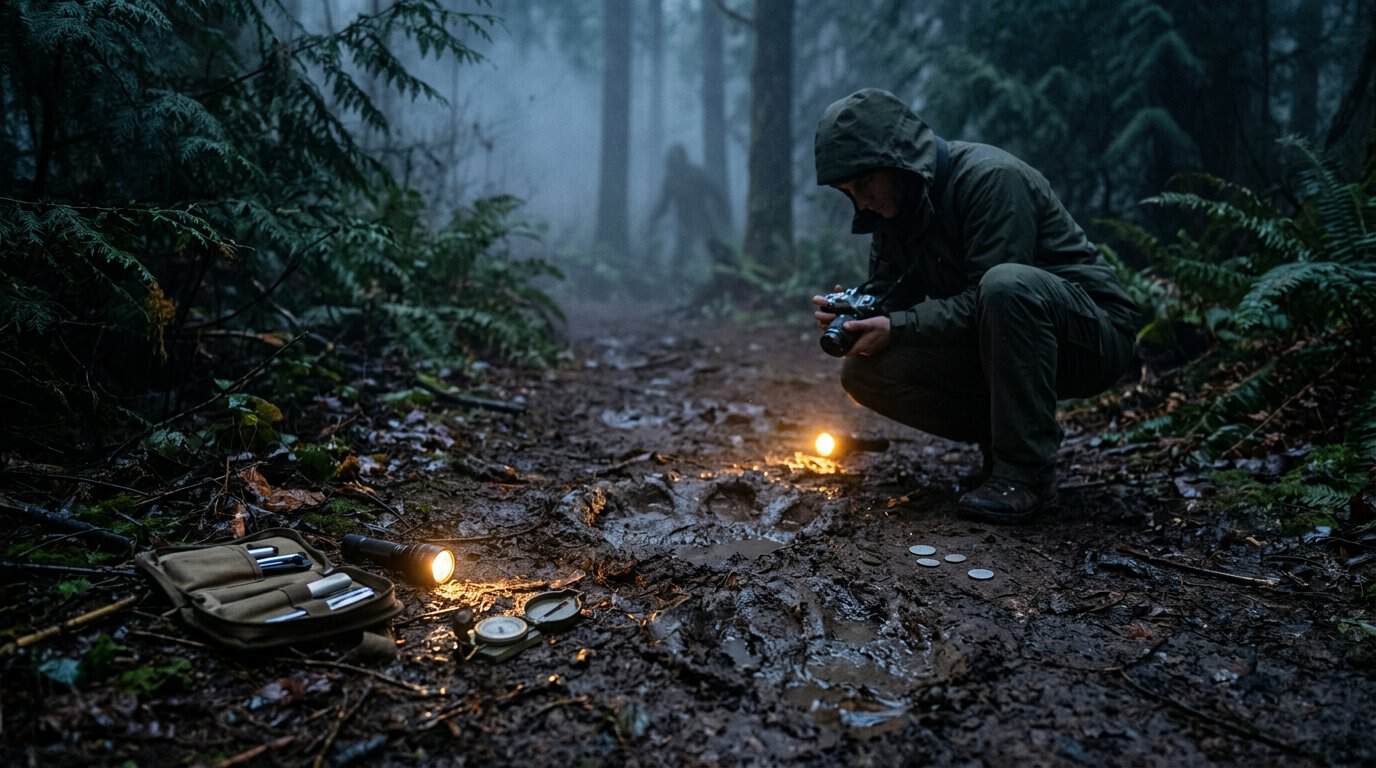
A cryptid outing can offer a setting, a guide, a themed activity, or time outdoors. None of these is evidence that a creature exists. When a provider describes a sighting or interaction as a possibility, that is the operator’s claim about what might happen, not proof or a guaranteed encounter. The uncertainty is part of the story, but it should not be mistaken for something a ticket can secure.
The practical value of the trip can be judged separately from its cryptid claims. A traveler may care about the setting, the length of the outing, the activities, and whether meals, equipment, transport, or accommodation are included. These details explain what the price covers even if no mysterious animal appears. A wildlife-style day outdoors may appeal to someone who values guided time in nature; a themed attraction may suit someone drawn to the legend itself.
The choice also depends on how much time and money a traveler wants to commit. A low-cost attraction offers a brief encounter with the story, while a guided day outdoors or a longer expedition gives the legend more room to shape the experience. The useful comparison is not just the price, but what each format includes and what the traveler hopes to take away: a memorable attraction, time outdoors, or a chance to follow a mystery where it is said to live.
Choose The Mystery That Fits
For a short Loch Ness visit, check current ticket availability and the 2026 schedule for one-hour indoor sessions, which are set to start every 15 minutes. Keep the listed prices in pounds when comparing options, rather than treating them as directly equivalent to dollar-priced wilderness trips.
For an outdoor trip, decide whether a guided day, a trail ride, an overnight stay, or a multi-day expedition suits the group. Then ask the chosen operator to confirm the booking terms and what travelers need to bring. A group considering a personal UTV option should confirm that it meets the six-buggy minimum or price threshold before arranging the outing.
For a seven-day trip priced at $3,500, list flights and insurance separately in the travel budget; the Calgary airport transfer does not include airfare. If a provider describes a sighting as a possibility, treat the encounter as uncertain, not as something the booking secures.
Which mystery fits the planned trip: Loch Ness on a short visit, a day outdoors following Bigfoot lore, or a longer expedition?
Frequently Asked Questions
1. Are cryptid expeditions suitable for children?
Suitability depends on the outing and the child. Child tickets are listed for the one-hour Loch Ness indoor tour, but families should ask each outdoor operator about age limits, physical demands, and trip conditions before booking.
2. Can a traveler join a cryptid tour alone?
A traveler may be able to join alone, but booking rules vary by operator. Ask whether solo guests are accepted and whether a group or vehicle minimum applies. A personal UTV option, for example, may be subject to a six-buggy minimum or the price being met.
3. What happens if weather disrupts an outdoor expedition?
The operator’s weather policy determines whether an outdoor expedition goes ahead, changes route, or is rescheduled. Before booking, ask how cancellations, delays, and refunds are handled, and whether guests should bring weather-specific gear.
4. How can travelers check whether a guide is authorized to operate on public land?
Travelers can ask the guide which land agency issued the authorization and which area and dates it covers, then confirm those details with that agency. Requirements vary by location; the U.S. Forest Service’s Inyo National Forest guidance describes authorization for commercial guiding on that forest’s lands.