Spirit Box Comparison: Features, Prices, And Differences
A spirit box comparison comes down to four setups: the P-SB7 for simple sweeps, the SB11 for dual sweeps, the SBox 2 for recording and playback, and the SB7-Pro for adjustable scanning and trigger sensors. Listed prices range from $79.19 for the SBox 2 to $199 for the SB7-Pro, though prices may change. The right choice depends on whether an investigator values simple operation, layered scans, saved audio, or extra sensors.
Spirit boxes are modified AM/FM radios that scan frequencies rapidly, blending broadcast fragments with static. Investigators may interpret snippets as electronic voice phenomena, but the sound alone does not establish a paranormal source. A 2025 University of Leicester paper notes that spirit manipulation of electromagnetic waves has not been scientifically proven. It also discusses audio pareidolia as one possible reason listeners hear words in ambiguous sounds.
Key Takeaways
- Buyers should match the model to the session: the P-SB7 Rev 8 offers a simpler sweep, the SB11 adds dual sweeps and temperature functions, the SBox 2 records and plays back audio, and the SB7-Pro offers adjustable scanning plus REM-field and infrared trigger sensors.
- Listed prices ranged from $79.19 for the SBox 2 to $199 for the SB7-Pro, but prices may change and a higher price does not mean a greater chance of spirit communication.
- SBox 2 buyers need a separate microSD card of up to 32 GB for recording, while SB7-Pro buyers need three AAA batteries that are not included.
- Spirit boxes rapidly scan AM/FM frequencies and blend broadcast fragments with static; a 2025 University of Leicester paper says spirit manipulation of electromagnetic waves has not been scientifically proven and notes audio pareidolia as one possible reason listeners hear words.
Which Spirit Box Fits Each Investigator?
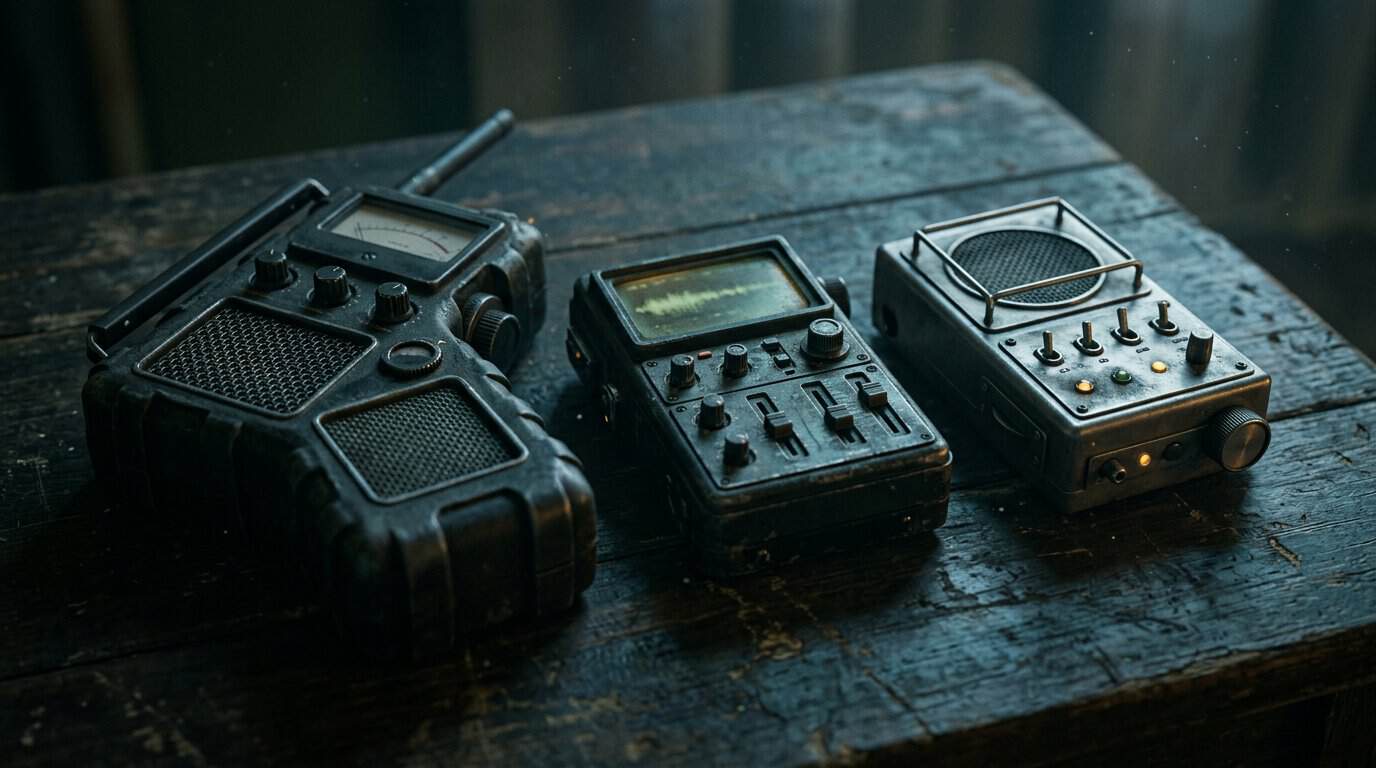
The P-SB7 Spirit Box Rev 8 suits investigators who want a simple sweep-radio option. The SB11 Spirit Box offers dual sweeps and temperature functions. The SBox 2 Ghost Box + Recorder is designed for recording and playback, while the SB7-Pro offers detailed sweep controls and trigger sensors.
The practical difference is how each model supports a session. The SB11 can run single or dual simultaneous sweeps, scan forward or in reverse, and adjust sweep speed from 50 to 350 milliseconds in 50-millisecond increments. Its temperature functions provide another reading to monitor during an investigation.
The SBox 2 saves audio to a microSD card, which must be supplied separately. It supports cards up to 32 GB and offers playback, wireless headphones, random-station scanning, and single-station selection. These features suit investigators who want to review recordings instead of relying only on what they hear during a session.
The SB7-Pro includes REM-field and infrared trigger sensors, along with adjustable AM/FM frequency steps and forward or reverse scanning. The P-SB7 Spirit Box Rev 8 is a simpler option for someone who does not need those extra controls and sensors.
The most useful comparison is based on documented features, not claims that one device is more likely to contact spirits. A 2025 University of Leicester paper notes that spirit-box communication has not been scientifically proven. Features such as recording, sweep adjustment, and sensors offer clearer grounds for choosing.
How Do Spirit Boxes Create Their Audio?
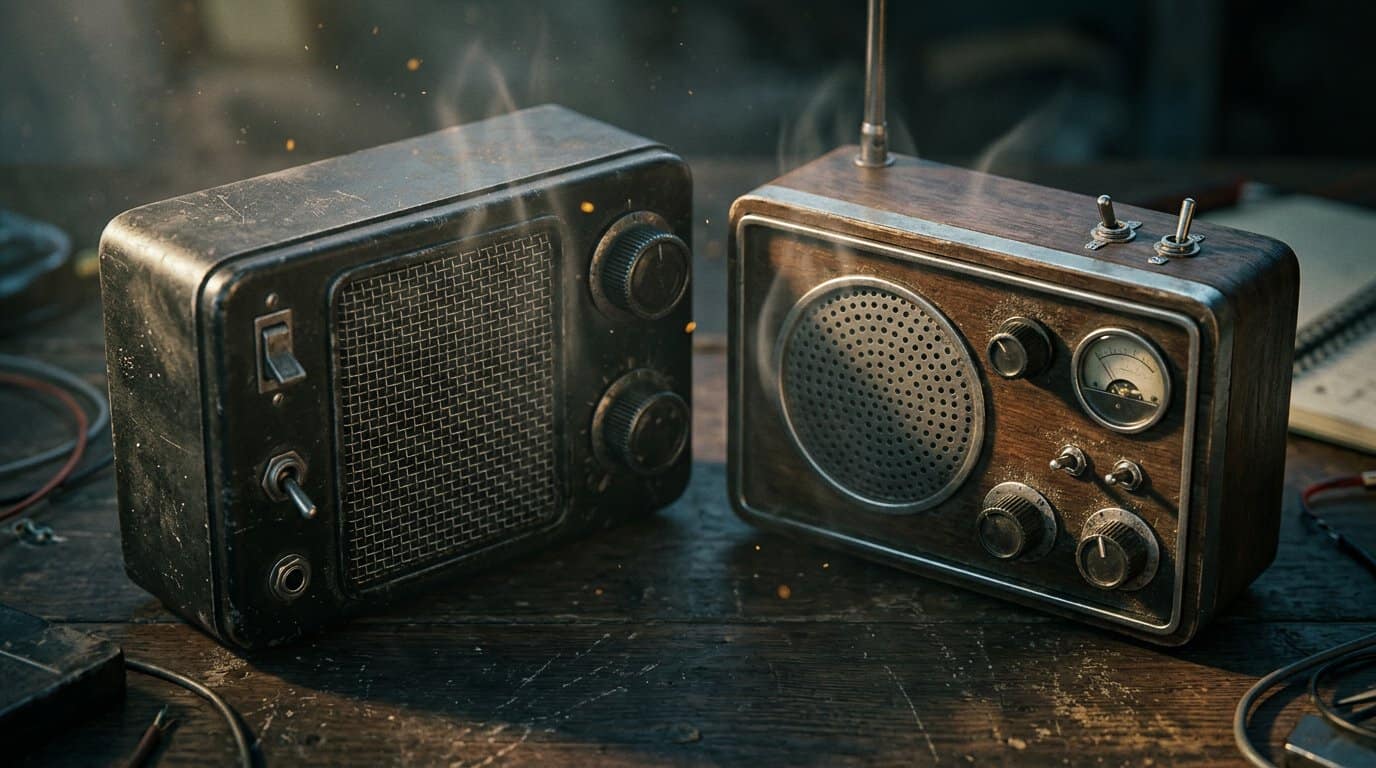
A spirit box creates audio by rapidly tuning a modified AM/FM radio across broadcast frequencies, blending fragments of ordinary programming with static. Rather than staying on one station, the receiver sweeps through a band and briefly picks up whatever is being broadcast at each frequency.
The University of Leicester paper describes typical scan ranges of 87–108 MHz for FM and 535–1,605 kHz for AM. A sweep can pass through music, speech, and gaps of static in quick succession, creating a choppy stream of sound.
Paranormal investigators use spirit boxes during real-time sessions, listening for snippets that seem to answer questions or resemble voices. A perceived voice may be called electronic voice phenomena, or EVP, but the term describes how listeners interpret audio. It does not establish that the device has captured a spirit. Radio signals can include ordinary broadcast material, and ambiguous sounds can lead listeners to hear words.
Sweep controls shape what reaches the listener and how a session can be reviewed. A faster sweep gives each frequency less time to come through, while a slower one may leave fragments audible for longer. Forward or reverse scanning changes the direction in which the radio moves across frequencies, not the source of the audio. Recording options let investigators replay a session and examine sounds they may have missed in the moment. Understanding the basic mechanism helps explain why these controls matter without treating a striking snippet as proof of its origin.
What Sets The Four Models Apart?
The four models differ in sweep controls, audio recording, sensors, and added functions. The table compares listed features, not claims about which device can produce paranormal communication.
| Model | Sweep behavior | Recording or playback | Sensors | Practical extras |
|---|---|---|---|---|
| P-SB7 Spirit Box Rev 8 | Simpler sweep-radio option | Not listed | Not listed | Pro Measure lists the Rev 8 alongside the PSB7-PRO on its product homepage. |
| SB11 | Single or dual simultaneous sweeps; forward or reverse; 50–350 ms in 50 ms increments | Not listed | Not listed | Temperature functions |
| SBox 2 | Random-station scanning or single-station selection | Records to and plays back from a microSD card | Not listed | Wireless headphone use |
| SB7-Pro | Forward or reverse; adjustable AM/FM frequency steps | Not listed | REM-field and infrared trigger sensors | 250 mW speaker output |
For a session focused on listening in real time, sweep behavior may be the most noticeable difference. The SB11 can scan in either direction and run two sweeps at once, while the SB7-Pro allows frequency-step adjustments. The P-SB7 Rev 8 is the simpler option when those controls are not a priority. Recording changes what an investigator can do after a session. The SBox 2 can save audio to a microSD card for later playback, as well as offering wireless headphones and station-selection options. Recording can help someone review a sound, but saving it does not identify its source. The SB11’s temperature functions and the SB7-Pro’s trigger sensors offer additional ways to monitor or respond to conditions during an investigation. These functions may shape a session, but they do not establish that a spirit has affected the device. Sweep choices, sensors, and playback are practical features, not proof of paranormal communication.
How Much Do Spirit Boxes Cost?
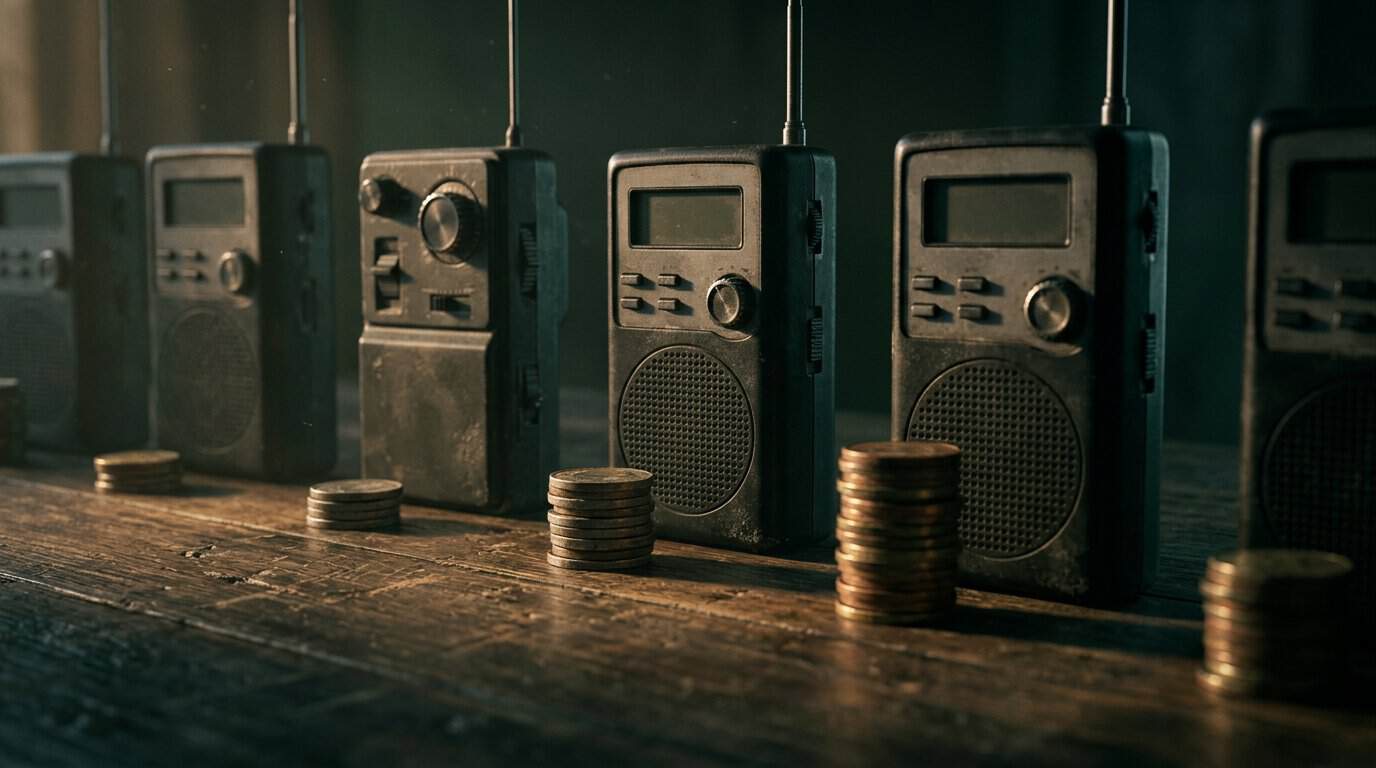
Prices listed on the reviewed product pages ranged from $79.19 for the SBox 2 to $199 for the SB7-Pro, and prices may change. The P-SB7 Spirit Box Rev 8 was listed at $94.90, while the PSB7-PRO was listed at $199 on Pro Measure’s product homepage. The SB11 was listed at $139.90.
The price difference reflects features, not evidence that a more expensive box is more likely to communicate with spirits. The SB11 adds dual-sweep and temperature functions, while the SB7-Pro includes adjustable sweep controls and REM-field and infrared trigger sensors. The SBox 2 adds recording and playback, which may matter to investigators who want to review audio after a session.
Operating requirements can also affect the comparison. The SBox 2 records to a microSD card, which is required separately, and supports cards up to 32 GB. The SB7-Pro requires three AAA batteries, which are not included. Buyers can compare the features they will use and the requirements of each device instead of treating the listed price as a measure of investigative results.
What Should Buyers Check Before Choosing?
Buyers should match a spirit box to the planned session by checking recording needs, power, listening options, scan controls, and extra sensors.
- Recording and storage: The SBox 2 requires a microSD card to record and supports cards up to 32 GB. If saved audio matters, check that a card is included in the planned setup.
- Power: The SBox rechargeable battery provides up to six hours of continuous use per charge. The SB7-Pro requires three AAA batteries, which are not included.
- Listening: The SBox 2 offers wireless headphone use. Consider whether headphones suit the session or whether listening through the device’s speaker is more practical.
- Controls and sensors: The SB11 supports forward or reverse scanning and adjustable sweep speeds. The SB7-Pro adds adjustable AM/FM frequency steps, as well as REM-field and infrared trigger sensors. Check which controls or readings the session requires.
A session focused on reviewing audio later has different needs from one focused on listening as sounds occur. Headphones, battery changes, and sensor monitoring can also affect how investigators organize a session. Buyers should check the full setup rather than compare headline features alone. Recording, scan controls, and sensors change what a device captures or displays, but they do not guarantee paranormal detection.
What Can A Spirit Box Actually Prove?
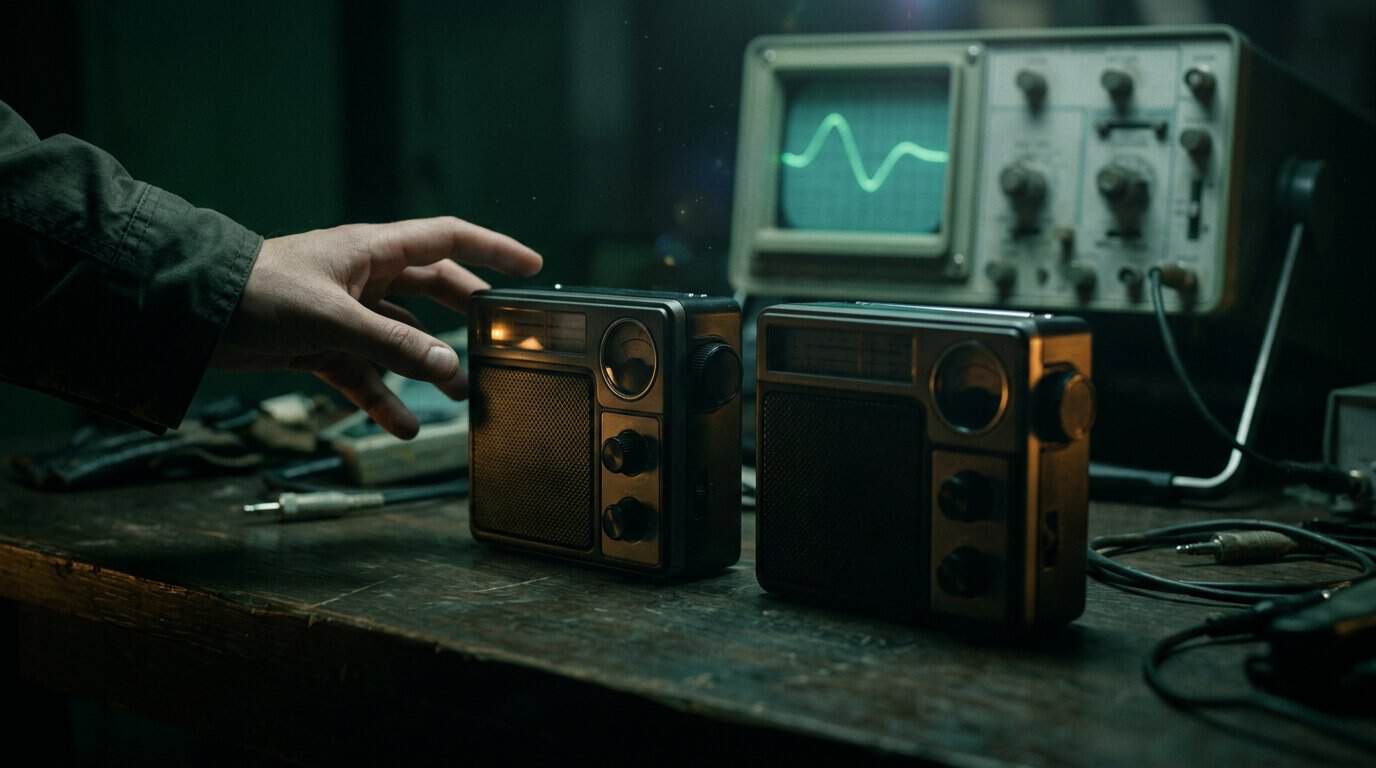
A spirit box can show that a radio receiver scanned frequencies and produced audio, but the sound alone cannot prove that a spirit caused it. Rapid scanning naturally picks up broadcast fragments and static. Listeners may hear a word or reply in those fragments, but hearing a meaningful pattern does not establish its source. A paper published March 27, 2025, by the University of Leicester says that spirit manipulation of electromagnetic waves has not been scientifically proven. It also discusses audio pareidolia, the tendency to perceive familiar patterns such as words in ambiguous sounds, as one possible factor in spirit-box interpretations. This possibility can be considered without dismissing what investigators say they experience during a session. The University of Leicester paper in the Journal of Interdisciplinary Science Topics examines the claim and the limits of current evidence. The Association TransCommunication’s literature survey reports that it found no controlled studies establishing that radio-sweep devices produce electronic voice phenomena, or EVP. That finding describes the limits of the research it reviewed; it does not determine what any individual listener experienced. The Association TransCommunication survey also explains how rapidly changing a receiver’s tuning can create audio from detected radio programming. A device’s measurable functions are easier to establish: whether it scans, records, plays back audio, or includes sensors. Those features describe what the equipment does, not the source of a sound or sensor reading. Investigators can preserve recordings and note when and how a sound occurred, then consider ordinary audio sources, such as broadcast fragments, alongside paranormal interpretations. A replay may help listeners examine a moment more carefully while leaving its cause open to question.
Choose The Features That Matter
Before choosing, write down what the next investigation needs to capture: live audio, a recording for later review, temperature changes, or a response from trigger sensors. Mark one need as essential and treat the others as optional. This simple ranking can keep extra functions from driving the decision.
If recorded audio is essential, check the SBox 2 listing for the microSD card requirement and supported capacity before planning a session. If sensor triggers are essential, verify that the listing names the SB7-Pro and its REM-field and infrared sensors. Investigators comparing sweep controls can consider whether forward or reverse scanning, adjustable steps, or dual sweeps matter to their setup.
Check the exact model name before comparing listings. Pro Measure lists both the P-SB7 Spirit Box Rev 8 and the PSB7-PRO Spirit Box, while the SB7-Pro has a separate feature set that includes trigger sensors. A similar name alone does not confirm that a listing matches the device under consideration.
For a first session, decide in advance what would count as a useful result: a saved clip to review, a clear sweep setting, or a sensor reading to record. Which one feature would make the greatest difference to an investigation?
Frequently Asked Questions
1. Do headphones change what a spirit box picks up?
Headphones change how investigators hear a spirit box, not which frequencies its radio scans. The SBox 2 lists wireless headphones as a listening option, separate from its scanning modes.
2. How can investigators reduce bias when reviewing spirit-box recordings?
Investigators can reduce bias by writing down what they hear before checking the questions asked during the session, then comparing their notes with an independent listener’s. They can also consider ordinary broadcast fragments and static. The University of Leicester discusses audio pareidolia as one possible factor in hearing words in ambiguous sounds in its 2025 paper.