Paranormal Investigator Qualifications: What Clients Should Look For
A flashlight flickers, a floorboard creaks, and a witness points toward an empty hallway. What makes someone qualified to investigate? The answer to “paranormal investigator qualifications” is less straightforward than many people expect. The United States has no universal license or government credential for ghost investigation. Still, paid work involving surveillance, interviews, evidence collection, or client investigations may fall under private investigator laws that differ by state.
Credible investigators bring more than curiosity to a case. They understand scientific testing, recording equipment, personal safety, ethics, and careful documentation. They may also have training in fields such as history, psychology, or electronics. That balance helps separate a genuine unexplained event from faulty wiring, suggestion, or an overlooked detail, without dismissing mysteries that remain unresolved.
Key Takeaways
- There is no universal U.S. license for paranormal investigation, but paid work involving surveillance, interviews, evidence collection, or client investigations may require a state private investigator license. Always verify local licensing requirements before accepting or hiring an investigator.
- Credible investigators use systematic methods: interview witnesses, test ordinary explanations, establish environmental baselines, preserve original files, document equipment and conditions, and clearly separate observations from speculation.
- Safety, informed consent, privacy, and ethical conduct are essential qualifications. Investigators must obtain permission, protect client data, avoid trespassing or fear-based claims, and refer potential medical, mental-health, or environmental hazards to qualified professionals.
- Evaluate investigators by their licensing compliance, relevant training, insurance, transparent pricing, sample reports, evidence-handling procedures, and willingness to report inconclusive results. Guaranteed paranormal conclusions, hidden fees, staged evidence, and pressure tactics are major warning signs.
Private Investigator Licensing Rules
A paranormal investigator does not need a universal government license because the United States does not recognize paranormal investigation as a separate licensed occupation. Federal labor statistics generally place related work under private detectives and investigators, but state rules differ widely. In some states, paid work involving surveillance, interviews, evidence collection, or investigations conducted for a client may require a private investigator license. Anyone considering an investigation should confirm the requirements with the relevant state licensing agency before hiring an investigator. This distinction helps separate a personal interest in unexplained events from professional work that may involve legal duties.
A private investigator license is not the same as a paranormal certification. Private investigator licensing is created by state law and may address background checks, training, insurance, reporting, and lawful investigative conduct. Paranormal certifications are usually optional credentials issued by private organizations. Useful preparation may also include education in photography, audio recording, psychology, history, building science, or another field connected to the case. Strong investigators should explain how they document evidence, protect personal information, obtain permission to enter or record, and avoid presenting ordinary findings as proof of a haunting. Clients can review the private investigator requirements guide to understand how licensing rules may apply in their state.
Before making contact, a client can ask whether the investigator is licensed where required, what training supports the work, and how evidence and personal data will be stored. Clear answers about consent, fees, property access, confidentiality, and follow-up reports often reveal more than a dramatic list of equipment. A careful investigator may remain open to an unexplained event while testing ordinary causes such as wiring problems, reflections, noise, drafts, or faulty sensors. That balance of curiosity, privacy, and evidence-based practice is more meaningful than a title alone.
Evidence Collection And Documentation
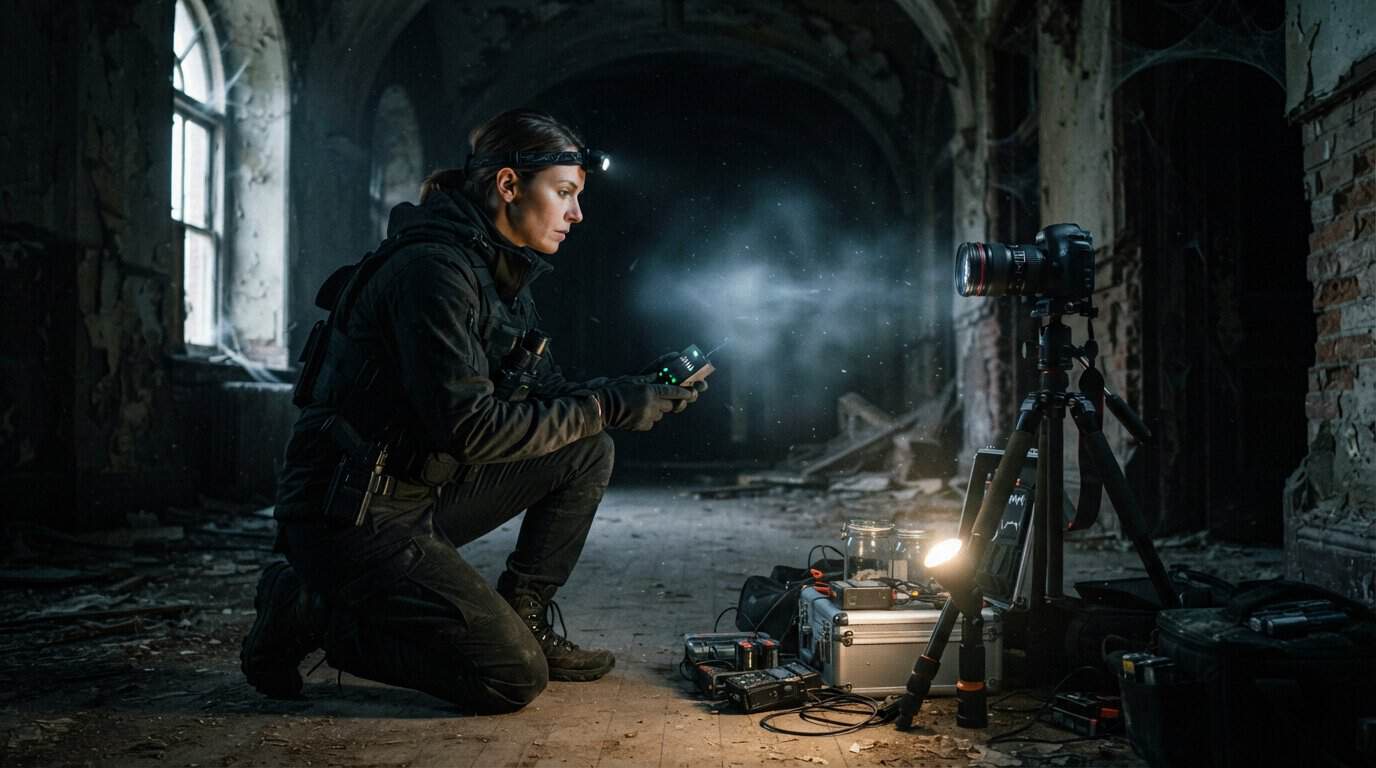
A qualified paranormal investigator begins with a careful interview, asking when the activity started, who witnessed it, and what changed at the location before the reports began. Before suggesting anything unusual, the investigator should test ordinary explanations such as wiring problems, plumbing noise, drafts, building movement, nearby traffic, or sleep-related experiences. Baseline environmental readings, including temperature, humidity, sound, and electromagnetic fields, should be taken before and during the investigation so changes have a clear point of comparison. Clients should also expect timestamped photographs and video showing the room, equipment placement, and surrounding conditions. When reviewing possible voices, the investigator should explain the process in an EVP analysis rather than presenting an unclear sound as proof.
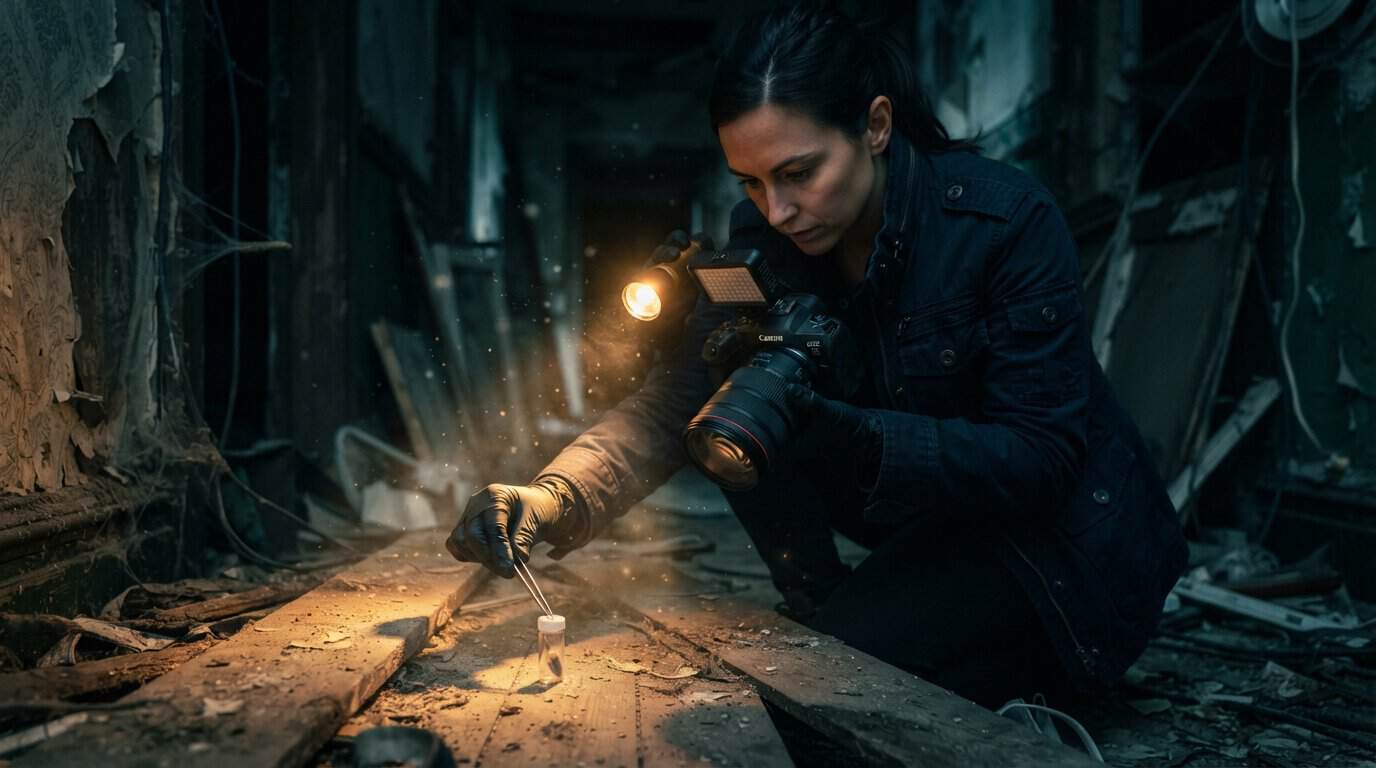
Reliable evidence depends on a record that another person could follow from the first interview to the final report. Investigators should make audio recordings with the time and location noted, keep equipment logs, and record calibration checks, battery changes, unusual sounds, and interruptions. If a file, photograph, or physical item is transferred, a simple chain of custody record should show who handled it, when it was handled, and whether it was altered or copied. A methodical approach is especially important during haunted house investigations, where visitors, pets, heating systems, and old construction can create convincing effects. These habits do not guarantee a paranormal answer, but they help separate a repeatable observation from a memory, rumor, or recording artifact.
The final qualification is clear communication, including a written report that describes the timeline, methods, findings, ordinary explanations considered, and evidence that remains unresolved. A responsible investigator should state the limits of cameras, audio recorders, and electromagnetic meters, since none can independently prove a haunting. Reports should protect client privacy by obtaining permission before recording, avoiding unnecessary personal details, and explaining who may receive photographs or files. Clients should also ask whether paid investigative work complies with applicable private investigator rules and whether the team has relevant training in safety, interviewing, technical methods, or research. For claims involving unusual field readings, a careful report can connect the results to an electromagnetic readings guide while leaving room for curiosity without overstating what the evidence shows.
Safety Privacy And Ethics
A credible paranormal investigator treats safety training as a basic qualification, not an optional extra. Before entering a property, the investigator should assess unsafe floors, blocked exits, unstable structures, electrical hazards, and possible fire risks. The investigator should also have basic first aid knowledge and follow emergency procedures. Working in pairs or with a clearly assigned contact person helps reduce risk, especially during nighttime visits or investigations in unfamiliar buildings. Property owners and clients should receive clear information about access limits, prohibited areas, and what will happen if an emergency occurs. Because paid investigative work may be subject to private investigator rules in some states, clients should ask how the investigator handles local legal requirements.
Ethical practice becomes just as important when an investigation involves a private home, a family, or sensitive personal experiences. A responsible investigator obtains informed consent before entering, recording, interviewing, or sharing images. The investigator should also take reasonable steps to secure recordings, notes, names, and property details. Trespassing, hidden recording, and pressure to participate have no place in professional work, even when a location has a compelling history. Reports should distinguish personal belief from documented evidence, avoid fear-based claims, and explain ordinary possibilities before presenting an event as unexplained. Clear privacy policies and careful evidence handling can help clients judge whether an investigator is trustworthy before scheduling a consultation.
Some experiences that feel paranormal may also involve health or environmental concerns that require qualified professionals. Sleep paralysis, medication effects, stress, poor air quality, and carbon monoxide exposure can produce frightening sensations or perceptions. An investigator should never diagnose, dismiss, or encourage a client to ignore medical or safety advice. Instead, the investigator should recommend appropriate emergency, medical, mental health, or environmental assistance when warning signs appear. This balanced approach does not erase the mystery, but it keeps curiosity from creating unnecessary fear or harm. Before hiring anyone, clients can ask about safety training, consent procedures, data security, emergency planning, and how the investigator separates observations from conclusions.
How Clients Can Evaluate Investigators
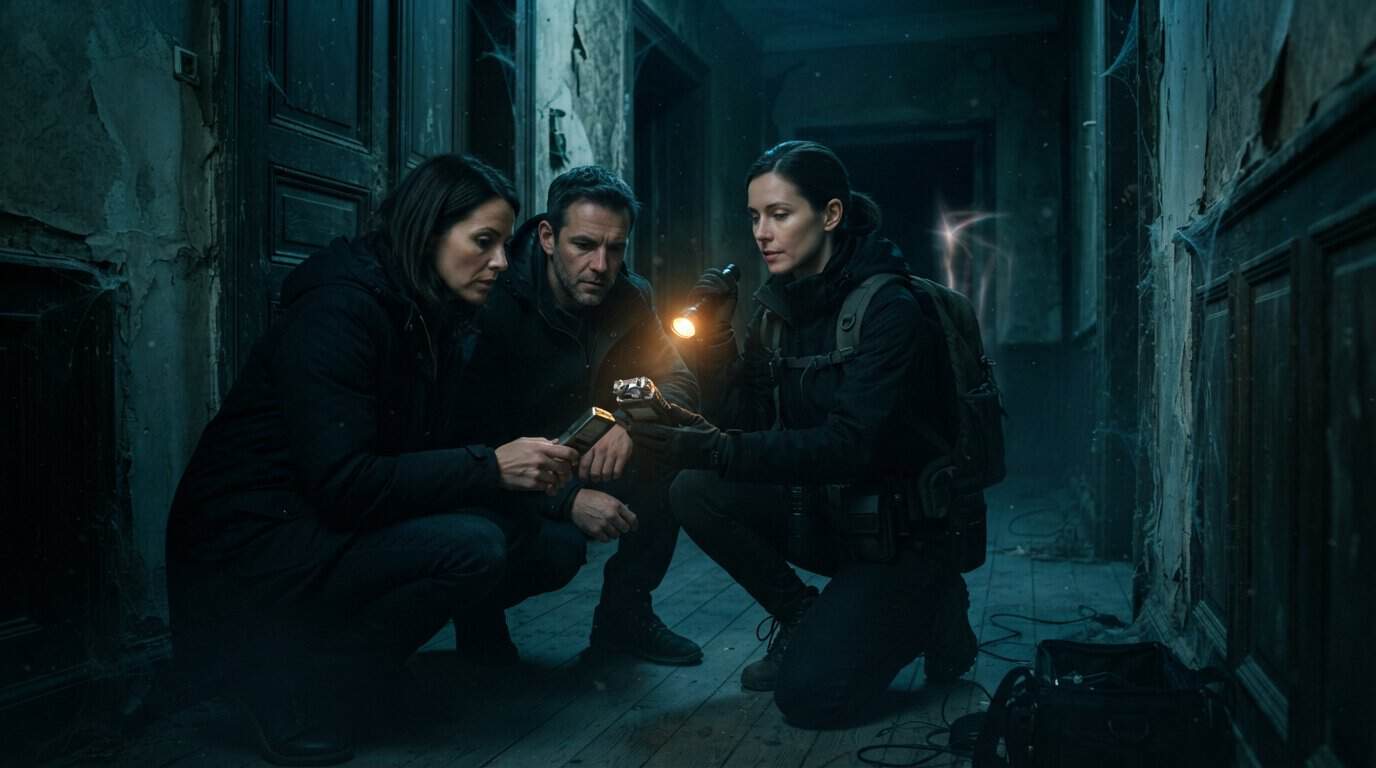
A client should begin by checking whether the investigator’s work requires a private investigator license in the relevant state. There is no universal U.S. license for paranormal investigation, but paid surveillance, interviews, evidence collection, or client investigations may fall under state private investigator rules. The investigator should also carry appropriate liability and professional insurance, explain documented training in safety, interviewing, research, and equipment use, and provide a clear written agreement. A simple comparison table can help separate proven qualifications from impressive-sounding claims.
| What to check | Questions for the investigator |
|---|---|
| Compliance | Does the state require a private investigator license for this work? |
| Training and safety | What courses, certifications, or relevant professional experience support the investigation? |
| Methods and evidence | How are recordings, photographs, environmental readings, and alternative explanations documented? |
| Client service | Can the investigator provide a sample report, references, a written price, and a clear privacy policy? |
During an initial conversation, a careful investigator should describe the investigation step by step, including site permissions, equipment limits, research methods, and evidence-handling standards. A sample report can reveal whether findings are separated from speculation, while a written estimate should identify travel costs, follow-up visits, taxes, and any other fees. Privacy terms should explain who can access recordings, whether names and addresses are removed, and how long files are retained. Warning signs include guaranteed paranormal conclusions, pressure to purchase costly services, hidden charges, staged or heavily edited evidence, and requests to enter a property without the owner’s permission.
The strongest provider treats an unexplained event as a question to examine, not a conclusion to sell. Before booking, the client can compare licenses, insurance, training, methods, pricing, references, privacy protections, and consent practices in one visible checklist. The client can also ask how ordinary causes such as wiring problems, reflections, building sounds, or environmental conditions will be considered. A willingness to record uncertainty is often more meaningful than dramatic promises, especially when the evidence may later be reviewed by family members, property managers, or other researchers. With that standard in place, clients can explore unusual experiences while protecting their property, privacy, and budget.
What Makes a Credible Paranormal Investigator
A credible paranormal investigator earns trust through preparation, not a dramatic title or extraordinary claims. Because the United States has no universal license for paranormal investigation, clients should ask whether the investigator understands state rules that may apply to paid investigative work, surveillance, interviews, or evidence collection. Strong qualifications also include careful observation, clear documentation, basic knowledge of cameras, audio equipment, environmental readings, and secure evidence handling. Safety training, informed consent, privacy protection, and respectful communication matter just as much, especially when an investigation involves a family’s home or a troubling personal experience.
The best investigator leaves room for an unexplained event while first considering ordinary causes such as wiring, building movement, outside sounds, sleep problems, or equipment error. A calm report should separate what was observed from what is suspected, explain how evidence was collected, and avoid pressuring clients to accept a supernatural conclusion. Readers can explore Paranormal Investigator Reviews: How To Compare Services, Evidence, And Client Experiences to learn more about evaluating qualifications, methods, and ethical boundaries before making contact. Which qualifications matter most to readers, and how can investigators remain open to unusual experiences without abandoning sound scientific explanations?
Frequently Asked Questions
1. Does a paranormal investigator need a government license?
There is no universal U.S. license for paranormal investigation. However, paid work involving surveillance, interviews, evidence collection, or investigations for a client may fall under state private investigator laws. Requirements vary, so an investigator should confirm the rules with the relevant state licensing agency before accepting professional cases.
2. Is a paranormal certification required to investigate hauntings?
A paranormal certification is not required by the U.S. government, and it is not the same as a private investigator license. Certifications may show training in equipment use, case procedures, or ethics, but their quality varies between organizations. Investigators should evaluate the curriculum, instructors, practical training, and reputation before treating a certificate as proof of expertise.
3. What education helps someone become a qualified paranormal investigator?
There is no single required degree, but useful backgrounds include history, psychology, electronics, audio recording, journalism, criminal justice, and building science. These fields help an investigator understand witness behavior, historical records, electrical faults, environmental conditions, and accurate reporting. The strongest preparation combines classroom learning with supervised field experience.
4. What skills should a credible paranormal investigator have?
A credible investigator should know how to interview witnesses, document a location, operate recording equipment, protect evidence, and test ordinary explanations. Clear writing, patient listening, critical thinking, and basic knowledge of electricity, sound, lighting, and building conditions are also valuable. The goal is not to prove every report is paranormal, but to determine what the evidence can honestly support.
5. What equipment does a qualified paranormal investigator use?
Basic equipment may include reliable audio and video recorders, cameras, flashlights, spare batteries, notebooks, time-synced clocks, and environmental meters used within their limits. Devices marketed as spirit detectors do not automatically prove paranormal activity, and unusual readings can result from wiring, radio signals, temperature changes, or handling errors. Careful investigators record settings, conditions, and control readings so another person can review the results.
6. How does a paranormal investigator test whether an event has a normal explanation?
The investigation should begin with a timeline, witness interviews, site history, and checks for practical causes such as plumbing noise, faulty wiring, drafts, reflections, pests, or sleep-related experiences. The investigator should compare reports with recordings and repeat tests when possible, while preserving original files and noting anything that could influence the result. If no clear explanation remains, the event can be described as unexplained rather than presented as confirmed proof of a haunting.
7. What safety and ethical rules should paranormal investigators follow?
Investigators should obtain permission before entering or recording a property, respect privacy, avoid trespassing, and follow local laws. They should never encourage dangerous behavior, exploit grieving witnesses, trespass at historic sites, or present speculation as fact. Physical safety also matters, especially in abandoned buildings where unstable floors, mold, asbestos, poor air quality, and exposed electrical systems may be present.
8. How can someone tell whether a paranormal investigator is qualified?
A responsible investigator can explain licensing requirements, training, fees, insurance, safety procedures, and how evidence will be handled. Before hiring one, a client should ask for a written scope of work, privacy policy, sample report, and clear statement that results may remain inconclusive. Claims of guaranteed contact, certain proof, or secret equipment are warning signs, while transparent methods and honest limits suggest a more reliable practice.