The Bat-Winged Shadow Of Zanzibar A History Of Popobawa Sightings
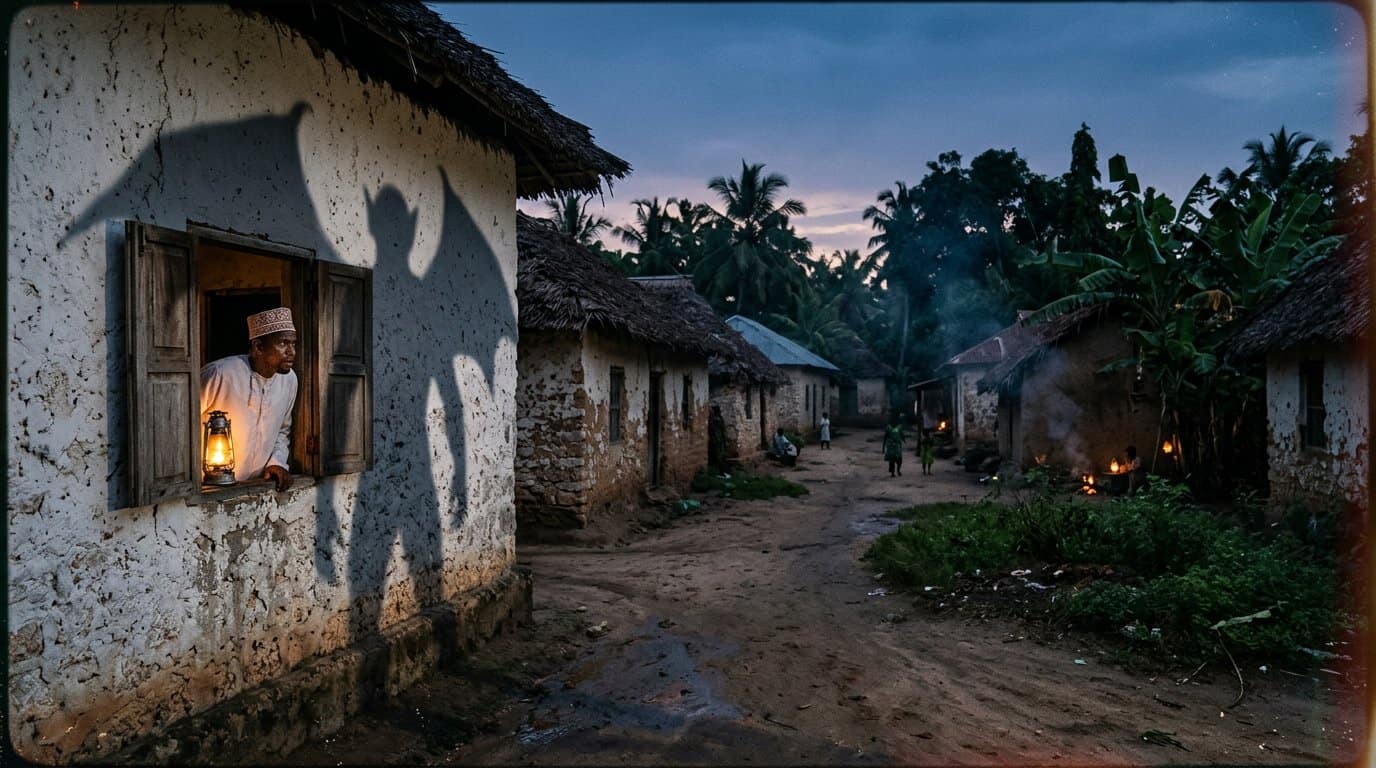
Under the cover of darkness on the Zanzibar Archipelago, a shadow known as the Popobawa is said to haunt the dreams and homes of the local population. This malevolent shapeshifter, whose name translates to bat-wing, is famous for nocturnal attacks that leave victims physically shaken and spiritually terrified. Exploring the history of these sightings reveals a chilling pattern of behavior where the spirit demands its victims speak out, ensuring its legend spreads through the power of public testimony.
The mystery began in the mid-1960s on Pemba Island, emerging during a time of intense political and social change. Since that first recorded encounter, the phenomenon has grown from local folklore into a series of widespread panics that have gripped entire cities. Whether these sightings are the result of a vengeful spirit or a unique form of mass hysteria, the stories remain a deeply rooted part of East African culture.
Key Takeaways
- The Popobawa is a malevolent shapeshifting spirit that emerged on Pemba Island in 1965, often manifesting as a bat-winged entity that targets victims in their homes under the cover of darkness.
- Unlike typical folklore, the Popobawa demands public testimony from its victims, forcing private traumas into the public eye to ensure its legend spreads and to prevent repeated attacks.
- Sightings of the entity frequently occur in cyclical clusters that mirror periods of intense political, social, or economic stress in the Zanzibar Archipelago.
- While the physical sensations of an attack align with the physiological symptoms of sleep paralysis, the phenomenon often escalates into mass sociogenic illness that reshapes the reality of entire communities.
The 1965 Origins On Pemba Island
The Popobawa first emerged into the public consciousness on Pemba Island in 1965, surfacing shortly after the political upheavals of the Zanzibar Revolution. Local witnesses described a terrifying shapeshifting spirit, often taking the form of a bat-winged creature, that targeted families in their homes under the cover of darkness. This period marked the transition of the entity from a vague whisper to a documented cultural phenomenon that gripped the community with fear. Unlike ancient folklore, this modern haunting felt immediate and physical, as victims reported being pinned to their beds by an invisible weight. These early accounts mirror the universal experience of sleep paralysis, yet they were uniquely tied to the specific social climate of the islands at that time.
The origins of this malevolent shetani are frequently linked to a specific piece of local lore involving an embittered sheikh. According to regional historians and oral traditions, this man allegedly released a powerful djinn to settle a personal grievance or seek vengeance against his enemies. However, the story suggests the sheikh eventually lost control of the spirit, allowing it to roam freely across the Zanzibar Archipelago. This narrative provides a haunting explanation for why the entity seems to act with such chaotic and predatory intent. By blending spiritual beliefs with historical tension, the legend of the sheikh’s released spirit gave a face to the collective anxiety felt by the people of Pemba.
As the sightings intensified throughout the late 1960s and into the 1970s, the Popobawa became a staple of East African mystery. The spirit was not just a silent shadow, as it reportedly demanded that its victims publicly share their stories of the encounter or face repeated attacks. This social element of the hauntings helped the legend spread rapidly, turning private nightmares into a shared public testimony. While skeptics point to the physiological effects of the night hag phenomenon, the timing and cultural specificities of the Pemba sightings suggest a much deeper story. Whether the creature was a manifestation of stress or a literal released spirit, its arrival in 1965 changed the local folklore forever.
The Great Panic Of 1995
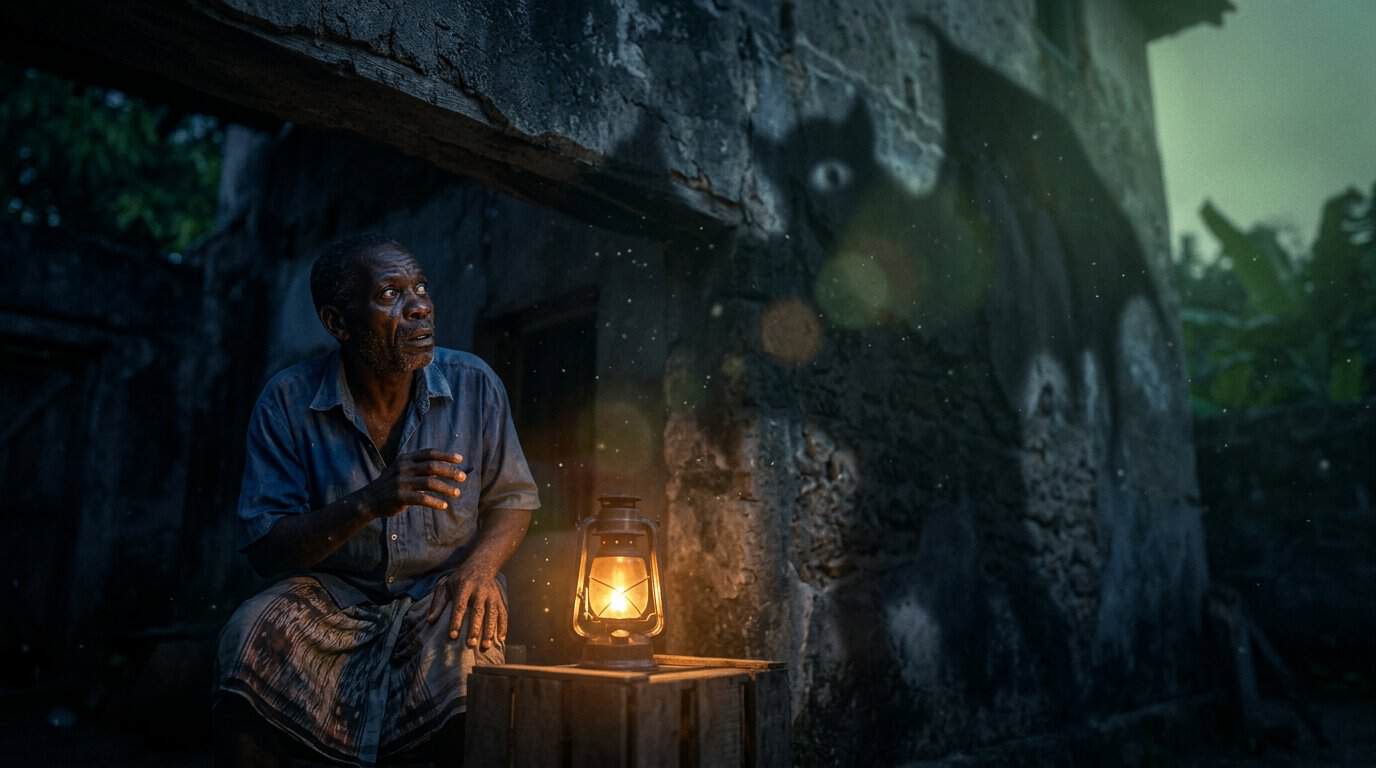
The year 1995 marked the most terrifying chapter in the history of the Popobawa, as a massive wave of sightings paralyzed the Zanzibar Archipelago. This outbreak began on Pemba Island but quickly swept across the water to Unguja, eventually reaching the bustling mainland city of Dar es Salaam. Reports of the shapeshifting spirit became so frequent that a state of mass hysteria took hold of the population. Unlike earlier, isolated incidents, this event transformed the daily lives of thousands who feared becoming the next victim of the creature’s nocturnal visits. The sheer scale of the panic drew international attention to the legend, highlighting how deeply the fear of this shadow entity was woven into the local culture.
Fear was so pervasive during this time that residents abandoned the perceived safety of their bedrooms to seek protection in numbers. Families and entire neighborhoods gathered in open spaces, lighting large communal fires to keep the darkness at bay. They believed that the Popobawa only struck those who were alone or sleeping in the dark, so they spent their nights huddled together under the stars. This collective vigil created a surreal scene where the glow of embers replaced the usual quiet of the night. It was a rare historical moment where a supernatural threat forced a modern society to revert to ancient methods of communal protection.
While many observers point to the 1995 panic as a textbook case of mass sociogenic illness, the physical reality felt by the victims was undeniably vivid. Those who claimed to be attacked often described a heavy, crushing sensation on their chests, which modern science frequently links to sleep paralysis or the night hag phenomenon. However, the cultural context in Tanzania adds a layer of complexity that simple biology cannot fully explain. The Popobawa demanded that its victims speak out, and the resulting public testimonies during the 1995 event served to fuel the fire of the mystery. Whether the cause was psychological or something more spectral, the Great Panic remains a powerful example of how a shared belief can reshape the reality of an entire region.
Modern Clusters And Political Cycles
The Popobawa returned to the public consciousness in 2000, a year marked by intense political heat during Zanzibar’s general elections. As the spirit reportedly moved from house to house, many locals noted that the bat-wing seemed to thrive in environments where social anxiety was already at a boiling point. Researchers like Martin Walsh have pointed out that these cyclical clusters often mirror the stress of the community, turning private fears into a collective experience. During this time, the creature was not just a monster in the dark but a symbol of the uncertainty facing the nation. Families huddled together outdoors, preferring the vulnerability of the open air to the terrifying isolation of their own bedrooms.
A similar pattern emerged in 2007 when another wave of sightings swept through the islands and reached the mainland of Dar es Salaam. This period was defined by economic shifts and localized tensions, providing the perfect fertile ground for a supernatural panic to take root. While some observers view these events through the lens of sleep paralysis, the cultural timing suggests the Popobawa acts as a barometer for societal pressure. The creature demands that its victims speak out, forcing a private trauma into the public eye much like a political scandal. These recurring cycles highlight how folklore can evolve to help a community process the modern encounters with the very real anxieties of the modern world.
Do you believe the Popobawa is a physical entity that feeds on fear, or is it a cultural manifestation of the stress we feel during times of great change?
Shapeshifting Traits And The Demand For Publicity
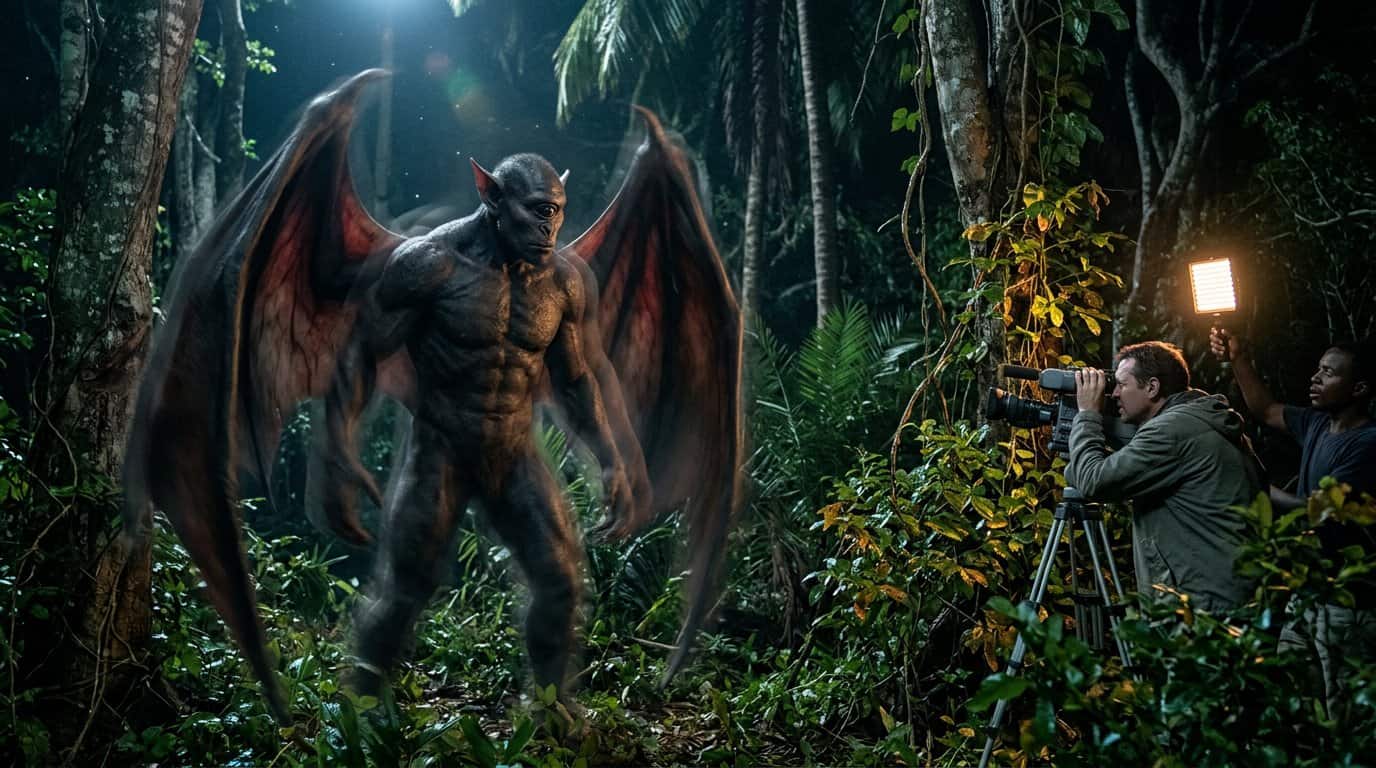
The Popobawa is most famously recognized for its unsettling ability to change its physical form at will. While its name translates from Swahili as bat wing, witnesses often describe it as a small, dark figure that can appear as a human, an animal, or even a swirling mass of shadow. During the night, it is said to transition from a gaseous state to a solid one, allowing it to enter locked homes and target victims as they sleep. This shapeshifting nature makes the spirit incredibly difficult to track or capture, as it can vanish into the darkness or blend in with the local community during the daylight hours. Many researchers who study African folklore note that these physical traits closely mirror the sensations of pressure and paralysis often reported in night hag encounters across the globe.
What truly sets the Popobawa apart from other legendary spirits is its strange and specific demand for public recognition. Unlike many malevolent entities that prefer to remain in the shadows, this shetani reportedly insists that its victims openly share the details of their traumatic encounters with their neighbors and the media. If a victim chooses to remain silent out of fear or embarrassment, the spirit often returns to strike again with even greater intensity. This behavioral requirement has turned the phenomenon into a collective experience, where the act of storytelling becomes a tool for survival. This unique trait likely fueled the massive waves of panic seen in the 1990s, as the demand for publicity ensured that the legend spread rapidly through every village and city it touched.
This bizarre cycle of attacks and public confessions creates a fascinating bridge between cultural tradition and modern psychology. While skeptics often point toward mass sociogenic illness or sleep paralysis to explain the sightings, the consistency of the Popobawa’s traits suggests a deeply rooted mystery. The spirit seems to thrive on the attention it receives, using the fear of the community to sustain its presence in the physical world. Whether viewed as an embittered djinn or a manifestation of collective stress, the Popobawa remains one of the most intriguing mysteries in Tanzanian history. By forcing its victims to speak out, the entity ensures that its name and its terrifying reputation are never forgotten by the people of Zanzibar.
Tracing the Evolution of Popobawa Sightings
The historical trajectory of the Popobawa reveals how a modern legend can hold a community in a state of collective vigilance. From its first recorded appearance in 1965 to the massive social panics of the 1990s, this bat-winged spirit has become a permanent fixture of Tanzanian folklore. While many observers point to the Zanzibar Revolution as a catalyst for these stories, the phenomenon has outlasted political shifts to become a recurring cultural event. The sheer scale of the sightings, which forced entire neighborhoods to sleep outdoors for safety, demonstrates the profound impact this mystery has on the local psyche.
Science offers a compelling explanation through the lens of sleep paralysis and night terrors, where the brain experiences vivid hallucinations while the body remains immobilized. This physiological state often includes the sensation of a heavy weight on the chest or a malevolent presence in the room, mirroring the physical descriptions of Popobawa attacks. However, the move from individual medical episodes to widespread social hysteria suggests that biology is only part of the story. When a community shares a specific cultural fear, a private nightmare can quickly transform into a public crisis that defies simple clinical labels.
Whether the Popobawa is a misunderstood medical condition or a genuine supernatural entity, its legacy highlights the thin line between the physical world and the realm of belief. The legend continues to evolve, serving as a unique African perspective on the universal experience of things that go bump in the night. It reminds us that some mysteries are woven so deeply into the fabric of a place that they become real through the shared experiences of those who live there. What do you believe is the most likely cause for these intense periods of group sightings, and could a cultural legend actually trigger a physical response?
Frequently Asked Questions
1. What exactly is the Popobawa?
The Popobawa is a malevolent shapeshifting spirit from the Zanzibar Archipelago whose name means bat wing in Swahili. It is known for attacking victims at night, often appearing as a small human or a giant bat-like creature.
2. When did the first sightings of the Popobawa occur?
The phenomenon first emerged on Pemba Island in 1965, shortly after the Zanzibar Revolution. These early reports transformed the entity from a vague whisper into a documented cultural event that terrified local families.
3. Why does the Popobawa target its victims?
Local tradition suggests the spirit demands public recognition and commands its victims to tell others about their encounter. By forcing people to speak out, the entity ensures that its legend continues to spread through the power of testimony.
4. How do witnesses describe an encounter with the spirit?
Victims often report feeling a crushing invisible weight pinning them to their beds, which is a sensation frequently associated with sleep paralysis. These attacks occur under the cover of darkness and leave individuals feeling physically shaken and spiritually terrified.
5. What is the legend of the embittered sheikh?
Regional historians and oral traditions link the spirit to an angry sheikh who allegedly released a vengeful shetani to settle a grudge. This origin story suggests the creature was born from a specific moment of local conflict rather than ancient mythology.
6. Is the Popobawa a ghost or a physical creature?
The entity is considered a shapeshifter, meaning it can take on various forms to suit its needs. While it has characteristics of a spirit, the physical toll it takes on victims leads many in East African culture to view it as a very real and tangible threat.