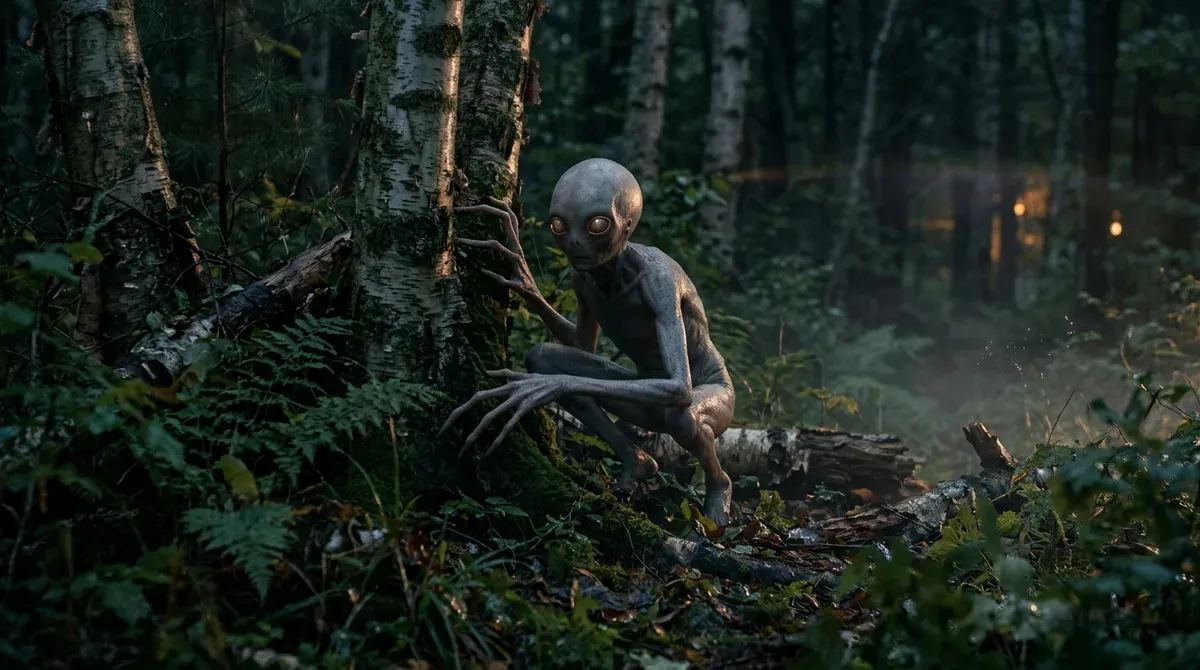
Dover Demon Sightings: The Creature That Haunted a New England Town
The Dover Demon sightings were a series of reported encounters with a strange creature in Dover, Massachusetts, over roughly 26 hours in April 1977. The story began on April 21, when 17-year-old Bill Bartlett said he saw a figure about four feet tall beside a stone wall on Farm Street.
Over the following day, other local teenagers reported similar figures, and the story spread far beyond their small town. Here is what the witnesses described, and why the tale has never quite faded.
Key Takeaways
- The Dover Demon sightings began on April 21, 1977, when 17-year-old Bill Bartlett reported a figure about four feet tall beside a stone wall on Farm Street, and similar reports followed over roughly 26 hours.
- Witnesses Bill Bartlett and John Baxter each drew what they saw, and folklore expert Jeff Belanger said the two sketches appeared to depict the same creature.
- Investigator Loren Coleman interviewed the teenagers within a week of the reports, judged the case not to be a hoax, and rejected the idea that a small horse or a moose had been mistaken for the creature.
- Skeptic Joe Nickell proposed that a snowy owl could explain the reports, but he admitted the creature’s estimated height was greater than an owl’s likely height, which is that hypothesis’s weak point.
- Readers who want original material on the 1977 reports should contact the Dover Historical Society, which has discussed how the town and popular culture embraced the story.
What Happened on Farm Street in April 1977
The reports came in quick succession. A 2024 account from GBH places John Baxter’s encounter a few hours after Bartlett’s, around midnight on Miller Hill Road, about one mile away. The next sighting came the following night.
- April 21: Bill Bartlett, 17, beside a stone wall on Farm Street
- April 21, around midnight: John Baxter, on Miller Hill Road, about one mile away
- April 22: Abby Brabham, 15, seeing a creature while driving with her boyfriend
Some accounts count four teen witnesses across these three incidents. Because the reports arrived so close together, the town had little time to dismiss them, and talk of a strange figure spread from one household to the next.
What Did the Witnesses Actually Describe?
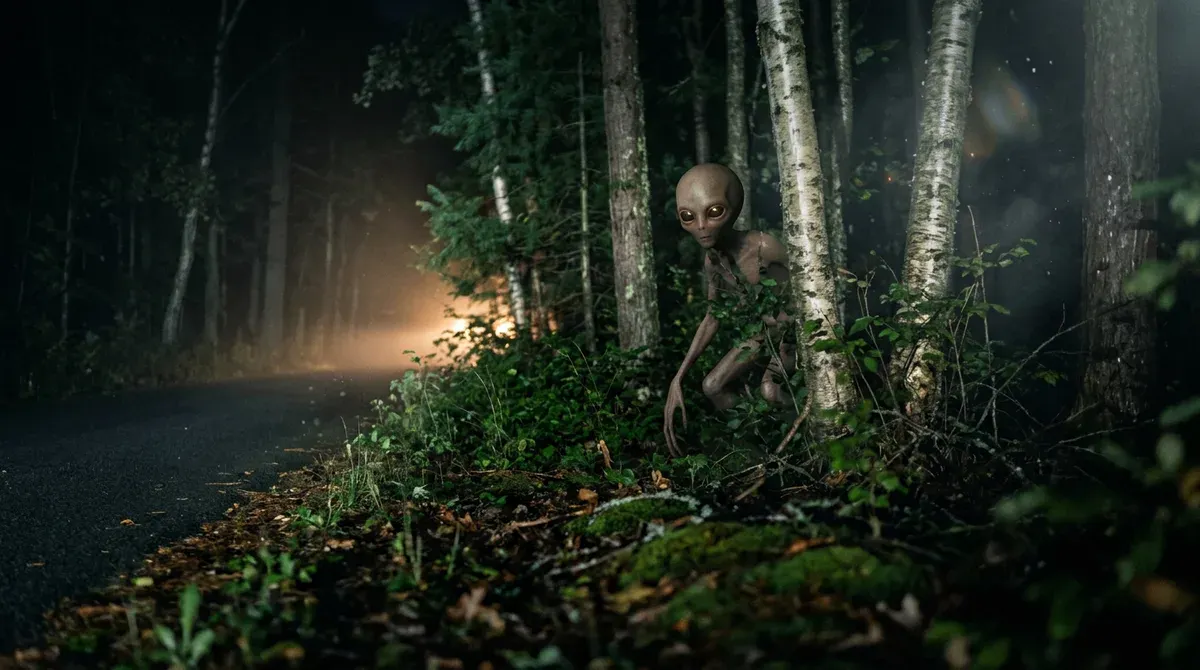
Witnesses broadly described the same three features: a large head, thin limbs, and conspicuous eyes. Bill Bartlett’s account is the most detailed. As The Boston Globe reported in 2013, he said the creature stood about four feet tall, with a watermelon-shaped head, large orange eyes, and no visible nose, mouth, or ears.
Bartlett and John Baxter each drew what they had seen. Folklore expert Jeff Belanger later looked at the two sketches and said they appeared to depict the same thing. Two people, a few hours and a mile apart, reached for similar shapes on paper.
Those drawings did more than record a memory. They gave readers something to picture, and they traveled with the story, carrying the Dover Demon well beyond one small Massachusetts town.
Did Investigators Believe the Teenagers?
Yes, at least one investigator took the teenagers seriously. Loren Coleman interviewed them within a week of the reports and judged the case not to be a hoax.
Coleman held to that view in a 2006 statement, calling the reports a credible case involving people who saw something over 25 hours. He also rejected the explanation that a small horse or a moose had been mistaken for the creature.
Some accounts say four people spotted the creature during one week in April 1977, with two more sightings within the next 25 hours. Each added witness gave the story more weight in the eyes of those who followed it.
Coleman’s judgment is only one side of the story. Readers can weigh it against the sketches, the timing of the reports, and the explanations that came later.
Could a Snowy Owl Explain the Sightings?
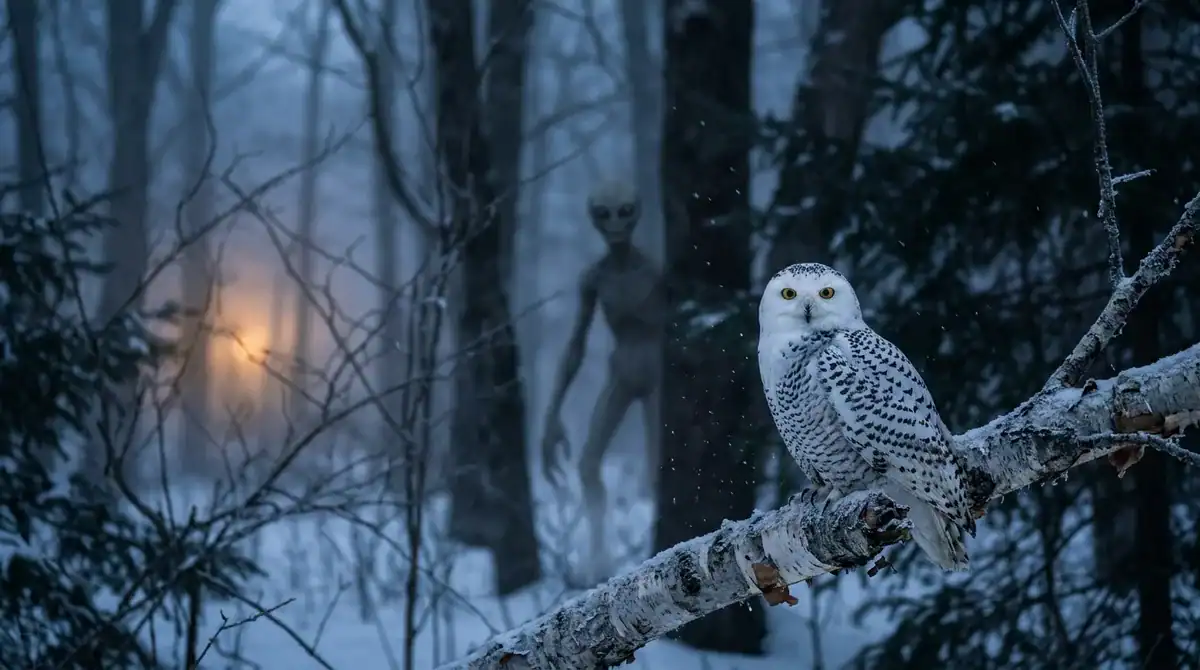
Joe Nickell, a skeptic who wrote in a 2023 Skeptical Inquirer article, argued that a snowy owl could explain the reports. He admitted, however, that the creature’s estimated height was greater than an owl’s likely height, and that gap is the hypothesis’s weak point. A bird on a wall or fence post can look strange in the dark, but it is hard to stretch an owl into a figure four feet tall.
Other explanations are easier to picture. A prankster could have staged a figure beside a stone wall, and teenagers retelling the same story might have shaped one another’s memories. Animal misidentification is another option, since a dog, a deer, or a large bird seen in poor light can take on odd shapes.
Readers can test each idea against the witness descriptions. Which explanation accounts for the large head, thin limbs, and large orange eyes? Which one asks you to set aside the most? Weigh the evidence, then decide which explanation fits best.
How Did a Local Legend Take Shape?
The Dover Demon became a local legend through news coverage, sketches, and retellings that kept the story alive for nearly half a century. Once the first reports reached print, the drawings gave people a shape to picture, and each new telling added detail. Over time, the tale moved from kitchen tables and school hallways into newspapers, books, and conversations far beyond Dover.
Recent coverage has focused less on new encounters and more on how the story lives on in memory. In 2026, WCVB reported that Bill Bartlett had revisited his memories of the sighting decades after the night he first described it. The Dover Historical Society has also discussed how the town and popular culture embraced the story, so that a few frightened teenagers became part of Dover’s identity.
Your Turn to Weigh the Evidence
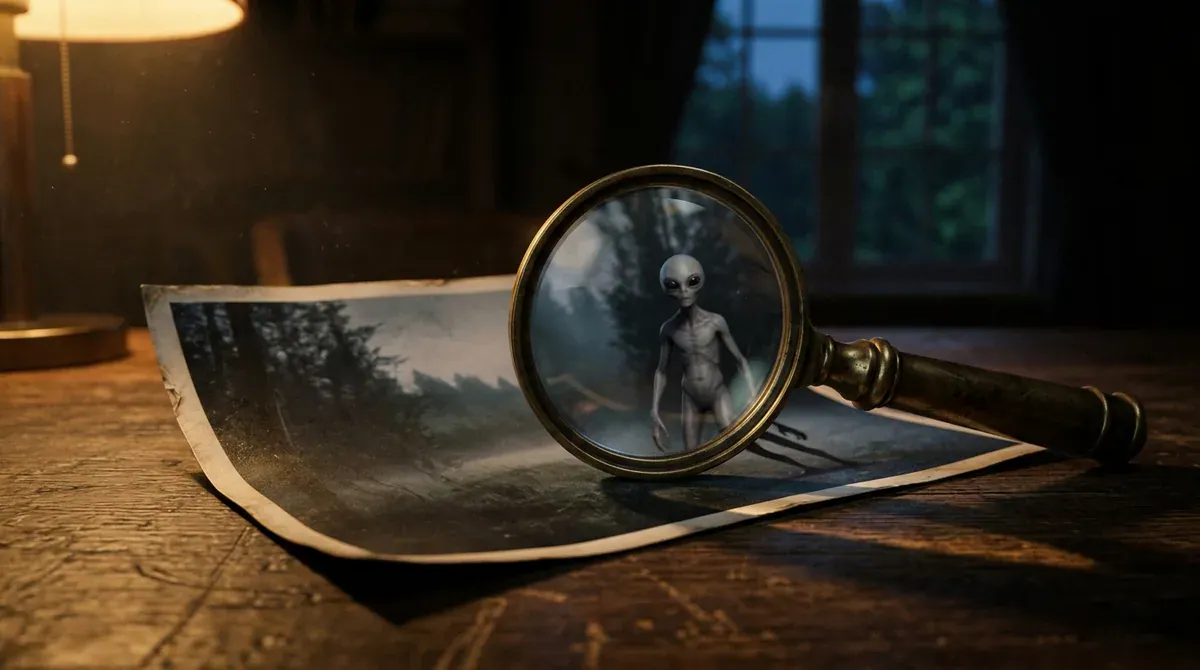
The case for a real creature rests on several young witnesses, a shared set of features, and two separate sketches that look alike. The case for an ordinary explanation is just as strong: a snowy owl, a prank, a dog or deer glimpsed in poor light, or memories that shift as the story gets retold. Compare Bartlett’s words with Baxter’s drawing, then ask which explanation accounts for every detail. Readers who want to test the same questions can explore other New England creature stories on Mysterious Realms. Which explanation convinces you most, and what evidence would change your mind?
Weighing the Evidence for Yourself
Start with a notebook. Write down the three features the witnesses shared: the large head, the thin limbs, and the conspicuous eyes. Beside each one, note whether it appears in Bill Bartlett’s description, John Baxter’s drawing, or both.
Then test the harder idea. Picture a snowy owl perched on a stone wall in the dark, and ask which of those three features it could plausibly produce. Mark each one as easy to explain, hard to explain, or impossible to explain.
If you want original material, contact the Dover Historical Society. Ask whether its files include the 1977 reports or the later discussions about how the town embraced the story. Read what you find before deciding what you believe.
Frequently Asked Questions
1. Why Is It Called the Dover Demon?
The name combines the Massachusetts town where the sightings happened with the creature’s unusual appearance as witnesses described it. The witnesses described a large head, thin limbs, and large orange eyes, which helped give the creature its unsettling reputation.
2. Has Anyone Ever Found Physical Evidence of the Dover Demon?
The case rests on the teenagers’ accounts and the two drawings made by Bill Bartlett and John Baxter. Anyone looking for hard proof will need to rely on those witness reports and the sketches that came out of them.
3. How Tall Is a Snowy Owl?
A snowy owl is a large bird, but it stands far shorter than the roughly four-foot figure that witnesses described near Farm Street. That size gap is why skeptic Joe Nickell admitted the owl idea has a weak point. An owl perched on a wall in the dark can look odd, but it is hard to make one appear as tall as the reported creature.
4. Are There Other Creature Sightings in Massachusetts?
Yes, New England has a long tradition of creature reports, and many are told in the same local, word-of-mouth way as the Dover Demon. Some of these stories have drawn newspaper coverage and retellings that kept them alive for decades. Readers who want to compare them can explore other New England creature stories on Mysterious Realms.
5. Where Can I Read the Original Witness Accounts?
The Dover Historical Society is the best local place to start, since it has discussed how the town and popular culture embraced the story. Ask whether its files include the April 1977 reports or later accounts from the witnesses. Comparing those records with newer retellings can help you see how the story changed over time.