The Mystery Of The Gog And Magog Prophecy
For centuries, scholars and seekers have looked to the horizon for signs of the gog and magog prophecy, an ancient prediction of a global conflict that reshapes the world. Today, as tensions rise across the Middle East and historical rivals find themselves on the brink of confrontation, these old verses feel startlingly modern. The narrative describes a massive coalition of nations descending upon a regathered Israel, sparking a chain of events that many believe marks the final chapter of human history.
As 2026 unfolds, the names of ancient lands like Persia, Magog, and Cush are being mapped onto the current geopolitical environment with renewed urgency. While some view these texts as mere symbolic stories, others see a literal blueprint for future events that transcends simple politics. By exploring the origins of this mysterious invasion and the divine intervention said to stop it, we can better understand why this specific mystery continues to capture the world’s imagination.
Key Takeaways
- The ancient prophecy of Gog and Magog is transitioning from a geographical mystery to a modern geopolitical reality as current alliances between Russia, Iran, and Turkey mirror the biblical Ezekiel 38 coalition.
- Historical accounts and medieval maps identify the Caucasus Mountains and the ‘Gates of Alexander’ as the physical location where these chaotic forces were traditionally believed to be contained.
- The year 2026 serves as a critical focal point for observers who believe the regathering of Israel and shifting Middle Eastern tensions are setting the stage for a predestined global conflict.
- Shared across biblical and Islamic traditions, the legend of Gog and Magog describes a massive multi-national invasion that is ultimately halted by divine intervention rather than conventional warfare.
Ancient Maps And The Gates Of Alexander
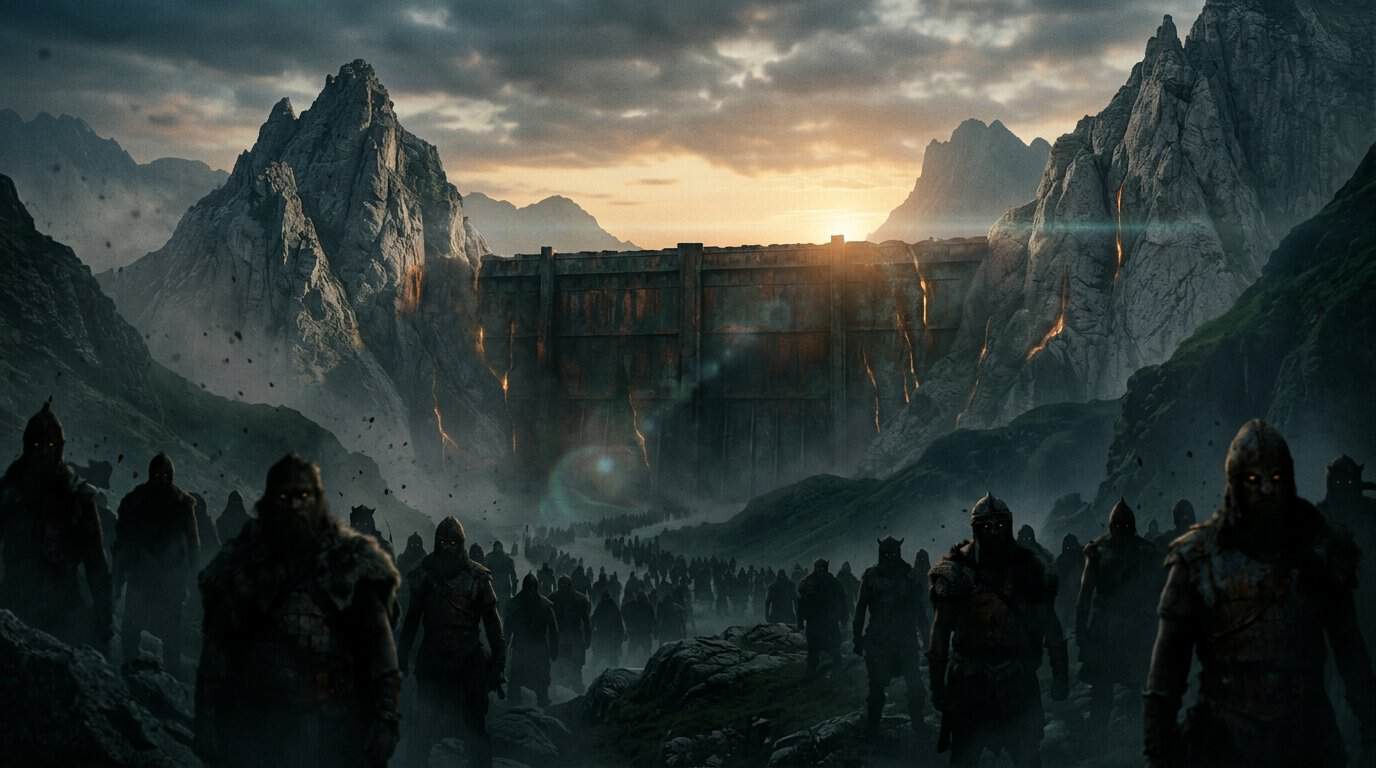
Long ago, ancient cartographers and travelers believed that the forces of Gog and Magog were not just spiritual threats but physical prisoners of the earth. Many historical maps from the Middle Ages, such as the famous Hereford Mappa Mundi, depicted a massive stone barrier in the Caucasus Mountains designed to keep these nomadic invaders at bay. This legendary structure, often called the Gates of Alexander, was said to have been built by Alexander the Great to protect the civilized world from the chaos of the north. Travelers like Marco Polo and the explorer Ibn Battuta even documented local legends about these iron gates during their journeys through the East. These accounts helped solidify the idea that the prophecy was tied to a specific, tangible location on the edge of the known world.
The geographical focus of these legends usually centers on the Caspian Gates, a narrow pass located near the modern city of Derbent in Russia. For centuries, historians and theologians analyzed the massive stone walls and iron reinforcements found in this region, wondering if they were the literal remnants of the biblical prison. Local folklore in the Caucasus often mentions a great king who sealed away a fierce people behind bronze doors to prevent an early apocalypse. While modern satellite imagery allows us to see every corner of the globe today, these ancient ruins still spark curiosity about the intersection of physical history and prophetic warnings. The mystery of whether these ruins represent a historical attempt to delay the end times continues to fascinate those who study the ancient world.
Tracing the shift from these physical maps to the modern geopolitical setting reveals how our understanding of the prophecy has evolved over time. While ancient scholars looked for literal walls of iron and brass, many today look toward the shifting alliances between nations like Iran, Turkey, and Russia as the modern manifestation of these ancient forces. The transition from a geographical mystery to a political reality suggests that the story of Gog and Magog is more than just a map legend. It serves as a bridge between the historical documentation of the past and the escalating tensions we see in the Middle East today. Do you think these ancient walls were built to contain a real historical threat, or were they always meant to be a symbolic warning for future generations?
Decoding The Ezekiel Thirty Eight Coalition
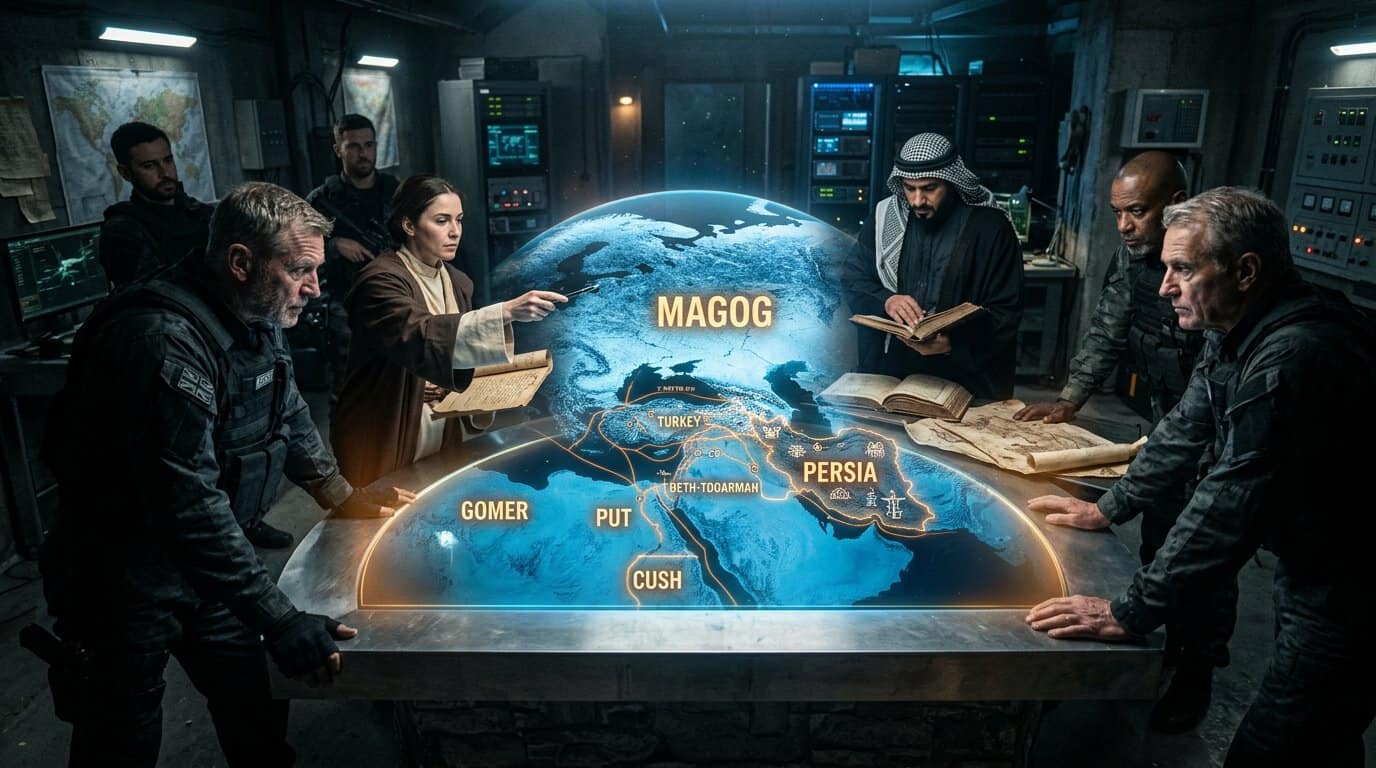
To understand the mystery of the Ezekiel thirty eight coalition, one must look at the ancient maps used by the Hebrew prophets. Historians like Josephus or the chroniclers of the Byzantine era often identified Magog as the territory of the Scythians, a fierce group that roamed the vast steppes of modern-day Russia and Central Asia. This connection suggests that the leader known as Gog originates from the far north, commanding a region that has long been a source of intrigue for those studying apocalyptic legends. By tracing these ancient tribal migrations, researchers can see how the geographical footprints of the past align with the powerful northern borders of today.
The prophecy also lists Persia, Cush, and Put as primary members of this massive military alliance. While Persia is easily identified as modern Iran, the inclusion of Beth Togarmah and Gomer points toward the Anatolian Peninsula, which is modern Turkey. Many scholars who study these ancient texts believe these names refer to specific groups that migrated into the mountains and valleys of the Middle East centuries ago. This creates a picture of a multi-national force surrounding the region from several different directions. The historical documentation provides a fascinating bridge between the old world of horsemen and the modern world of political power.
Exploring these territories reveals more than just a list of names; it uncovers a deep-seated narrative about how different cultures might one day converge. The specific mention of Togarmah is particularly interesting because it was historically known as a place of trade and military strength in the ancient world. Seeing these regions today, with their shifting alliances and growing influence, makes the ancient warnings feel surprisingly current. It raises the question of whether these old maps were simply describing the world as it was then, or if they were providing a blueprint for a future event that is still unfolding. What do you think the alignment of these specific nations tells us about the accuracy of ancient geographical records?
Sacred Texts Across Different Cultures
The biblical narrative of Ezekiel 38 and 39 introduces Gog as a mysterious leader from the land of Magog who commands a vast coalition of nations. This ancient text describes a massive invasion of Israel involving forces from modern day Iran, Libya, and Turkey. These accounts are not just found in the Hebrew Bible, as the Book of Revelation also revisits this imagery to describe a final battle between good and evil. Early cartographers and historians took these descriptions literally, often placing the territory of Magog in the rugged, unexplored regions of the north. These maps reflect a deep seated historical curiosity about where these legendary peoples might be hiding until their prophesied return.
In the Islamic tradition, the story of Yajuj and Majuj adds a fascinating layer to the legend through the Quran and the Hadith. These texts describe a great king named Dhul Qarnayn who traveled to the ends of the earth and built a massive iron wall to trap these chaotic forces behind a mountain range. This narrative has led many historical explorers to search for physical evidence of such a barrier in the Caucasus or Central Asia. While the biblical account focuses heavily on a specific military conflict, the Islamic perspective emphasizes the sudden breaking of this ancient wall as a sign of the end times. Both cultures treat these figures as a symbol of an inevitable global upheaval that will reshape the world.
Comparing these sacred texts reveals a shared human obsession with the boundaries of the known world and the mysteries that lie beyond them. Whether viewed as historical tribes or symbolic representations of chaos, the legend of Gog and Magog has influenced how civilizations interpret geopolitical shifts for centuries. Ancient maps often labeled the far reaches of the globe with these names, blending geography with spiritual destiny. As modern conflicts mirror some of these old descriptions, the line between ancient mythology and current events becomes increasingly blurred. Do you believe these prophecies are literal warnings about specific locations, or are they timeless metaphors for the cycles of human history?
Modern Geopolitics And The End Times Stage
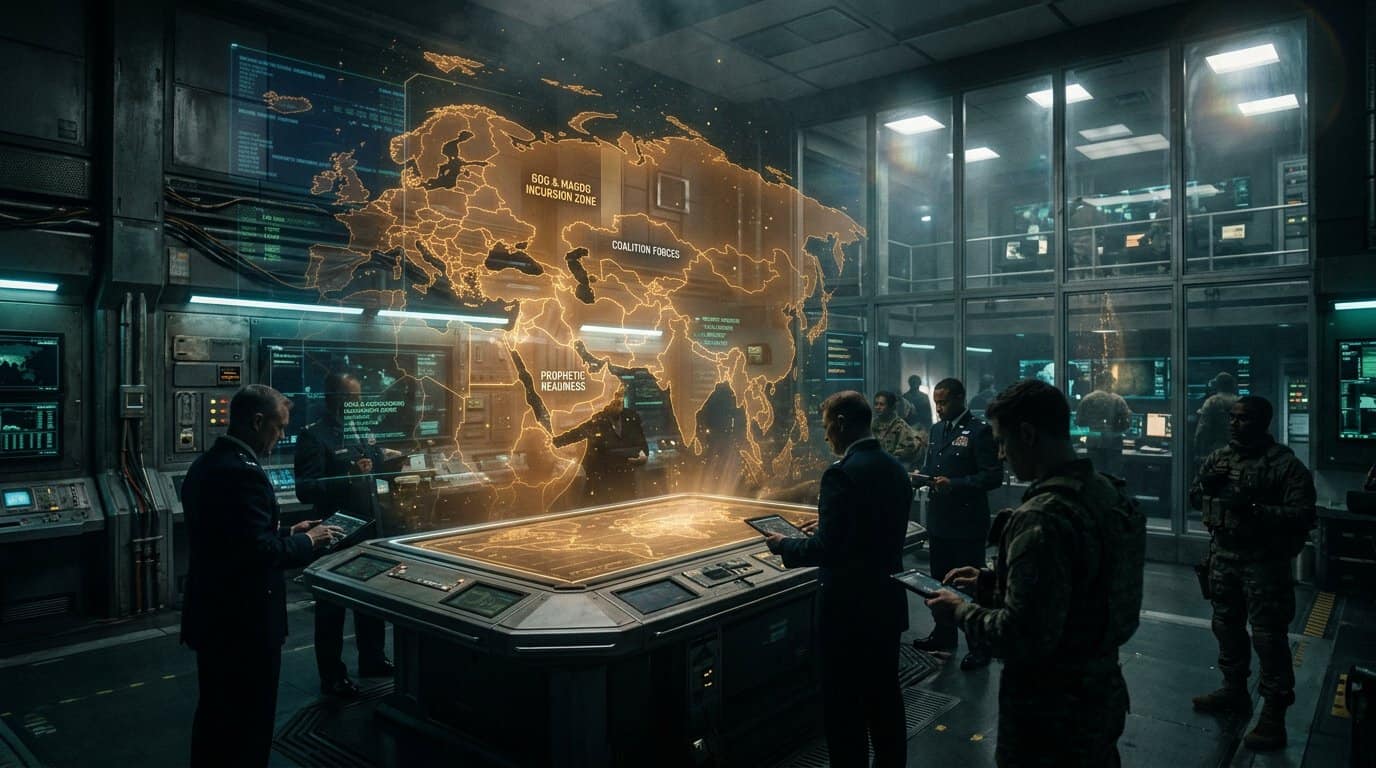
The geopolitical world of 2026 has brought ancient maps and apocalyptic legends back into the center of global conversation. As tensions rise across the Middle East, many scholars are looking closely at the geographical mysteries described in the Book of Ezekiel. The prophecy identifies a leader named Gog from the land of Magog who commands a massive coalition of nations. Historically, researchers have linked these names to specific regions such as modern Iran, Turkey, and Libya. Today, the shifting military alliances between these exact territories have created a scenario that mirrors these ancient warnings with startling accuracy.
Historical documentation from the Hebrew Bible and various Islamic texts suggests that this invasion occurs when a regathered Israel is living in a state of perceived security. In the narrative of Ezekiel 38, the invading forces are not defeated by conventional warfare but by a series of catastrophic natural events. Modern observers are particularly interested in how current technological and military shifts align with these descriptions of divine intervention and internal confusion. While some view these accounts as purely symbolic, the precision of the geographical locations involved makes it difficult for many to dismiss them as mere coincidence. The convergence of ancient maps with contemporary satellite imagery provides a fascinating bridge between the past and the present.
The mystery of Gog and Magog continues to spark debate among those who study the intersection of faith and international politics. By analyzing the historical origins of these figures, we can see how the legends have evolved from ancient tribal warnings into a framework for understanding modern global conflict. Whether these events are unfolding in real time or remain a distant possibility, the correlation between ancient texts and today’s headlines is undeniable. This ongoing alignment invites us to wonder if the stage is finally being set for a story written thousands of years ago. What do you think about the connection between these ancient prophecies and the current state of our world?
Tracing the Footprints of a Global Mystery
The legend of Gog and Magog remains one of the most captivating mysteries of the ancient world, bridging the gap between sacred scripture and the physical maps of our ancestors. From the rugged peaks of the Caucasus Mountains to the vast steppes of Central Asia, explorers and cartographers have spent centuries searching for the physical remnants of these legendary people. These stories are not just found in religious texts, but are deeply woven into the historical documentation of various cultures that feared an invasion from the unknown corners of the earth. Whether viewed as an impending geopolitical shift or a remnant of ancient mythology, the enduring legacy of this prophecy continues to shape how many people view the world’s current events.
As we look back at the historical maps and the geographical mysteries surrounding these figures, it is clear that the line between history and legend is often blurred. Some see the prophecy as a literal roadmap for future conflicts, while others interpret it as a symbolic warning about the dangers of unchecked power and global instability. In regions like Anatolia, where ancient people hide in subterranean networks, the recurring themes of divine intervention and a coalition of nations suggest that these ancient stories still hold a powerful grip on the modern imagination. The search for the land of Magog has shifted from dusty scrolls to modern headlines, proving that these ancient warnings are far from forgotten.
Does the prophecy of Gog and Magog represent a set of literal historical markers waiting to be activated, or is it a symbolic narrative meant to teach us about the cycles of human conflict? Perhaps the truth lies somewhere in the middle, hidden within the geographical mysteries that have puzzled scholars for generations. In the same way that some report modern encounters with supernatural entities in the desert, the persistent belief in these ancient forces suggests that our world is far more complex than it appears. We invite you to explore the mystery of the Giant of Kandahar and share your thoughts on whether these accounts are ancient maps of things to come or simply legendary figures from our distant past. Your perspective helps keep the conversation alive as we explore the many layers of this apocalyptic mystery together.
Frequently Asked Questions
1. Who are Gog and Magog in ancient history?
Gog is described as a specific leader from the land of Magog who heads a massive coalition of nations. Historically, many scholars and explorers like Marco Polo linked these names to nomadic groups living beyond the Caucasus Mountains. They were often viewed as a physical threat kept behind massive iron gates built by Alexander the Great.
2. Where are the Gates of Alexander located?
The legendary gates are most commonly associated with the Caspian Gates or the pass of Darial in the Caucasus Mountains. Ancient maps like the Hereford Mappa Mundi placed this barrier in the north to signify the boundary between civilization and the chaotic forces of Magog. Modern travelers still visit these narrow mountain passes to see the remains of ancient fortifications.
3. Which modern countries are linked to the prophecy?
The ancient names mentioned in the text correspond to several key nations in the modern Middle East and Central Asia. Persia is widely recognized as modern-day Iran, while Magog is often associated with Russia or the various republics of Central Asia. Other regions like Cush and Put are traditionally linked to Ethiopia, Sudan, and Libya.
4. What is the significance of the year 2026 in this context?
The year 2026 has become a focal point for many researchers due to the rapid alignment of geopolitical alliances. As historical rivals move closer to confrontation, many observers believe the current world stage is finally mirroring the specific conditions described in the ancient verses. This sense of urgency stems from the mapping of ancient land names onto today’s shifting political borders.
5. What role did Alexander the Great play in these legends?
Alexander the Great is often credited with building a massive stone and iron barrier to protect the world from the northern tribes. While historical records of his life are well-documented, these legends suggest he acted as a guardian who delayed a predestined conflict. This story was so widespread that it appeared in the journals of famous explorers like Ibn Battuta during their travels through the East.
6. How does the prophecy describe the end of the conflict?
The narrative suggests that the massive invasion is not stopped by human armies but through direct divine intervention. This sudden and overwhelming event is said to reshape the global landscape and mark the transition into a new chapter of human history. It remains one of the most enduring mysteries because it combines tangible geography with a supernatural conclusion.