Unlocking The Secrets Of The Vatican Apostolic Archive
Deep beneath the cobblestone streets of Vatican City lies a labyrinth of history stretching over 53 miles of shelving. For centuries, the hidden Vatican archives have fueled whispered rumors of suppressed gospels, extraterrestrial evidence, and the private letters of long-dead kings. While the world long viewed these vaults as a fortress of silence, the reality shifted when Pope Francis recently rebranded the collection to emphasize transparency.
Tucked inside a reinforced concrete bunker, millions of documents span over 1,200 years of human civilization. Qualified researchers now walk the halls once reserved only for the Pope, piecing together the true stories behind the Church’s most controversial eras. From the trial of Galileo to the secrets of the Knights Templar, these records bridge the gap between historical fact and the lingering mysteries of the unknown.
Key Takeaways
- The 2019 rebranding from the ‘Vatican Secret Archive’ to the ‘Vatican Apostolic Archive’ corrected a linguistic misunderstanding of the Latin word ‘secretum,’ which means private rather than hidden.
- The archive houses over 53 miles of shelving and 1,200 years of documentation, including pivotal records like the trial of Galileo and the marriage annulment petition of Henry VIII.
- Access is strictly limited to qualified researchers who must navigate rigorous protocols and bureaucratic layers to study specific, cataloged folders within the climate-controlled underground bunker.
- Recent efforts toward transparency include the 2020 opening of the Pope Pius XII files, allowing scholars to investigate the Church’s complex diplomatic and moral actions during the Holocaust.
Beyond The Legend Of The Secret Archives
For centuries, the very name of the Vatican Secret Archive whispered of suppressed knowledge and hidden truths kept from the eyes of the world. In 2019, Pope Francis took a significant step toward transparency by officially renaming the institution to the Vatican Apostolic Archive. This 2019 rebranding was designed to clear up a massive linguistic misunderstanding that had fueled endless conspiracy theories. The Latin word secretum, which formed the basis of the original name, actually translates more accurately to private or personal rather than hidden. By rebranding the archives, the Church hoped to show that these records are the personal property of the Pope rather than a collection of forbidden secrets.
Despite this rebranding, the sheer scale of the archives continues to spark the imagination of those hunting for lost history. The facility contains over 53 miles of shelving, much of it tucked away in a massive underground bunker known as the Index. Within these reinforced concrete walls lie 1,200 years of documentation, including historical treasures like the petition to annul the marriage of Henry VIII and records of the trial against Galileo Galilei. While the Vatican allows qualified researchers to access these materials, the strict entry requirements and the vast amount of uncatalogued paper lead many to wonder what remains undiscovered. Some researchers suggest that the most sensitive documents regarding religious history and ancient world events might still be tucked away in the deepest corners of the shelves.
The transition from Secret to Apostolic has not entirely silenced the whispers of those who believe the Church is guarding profound mysteries. While modern historians focus on diplomatic records and papal decrees, fringe theorists often point to the possibility of suppressed gospels or evidence of early contact with unknown civilizations. The archives represent a bridge between documented history and the unexplained, offering a glimpse into how power and knowledge have been managed for over a millennium. Even with increased access, the idea that some truths are too transformative for public consumption remains a compelling part of the archive’s legacy. Do you think the name change was a genuine push for openness, or was it a clever way to draw attention away from the secrets that still remain buried?
Fifty Miles Of Shelving In The Bunker
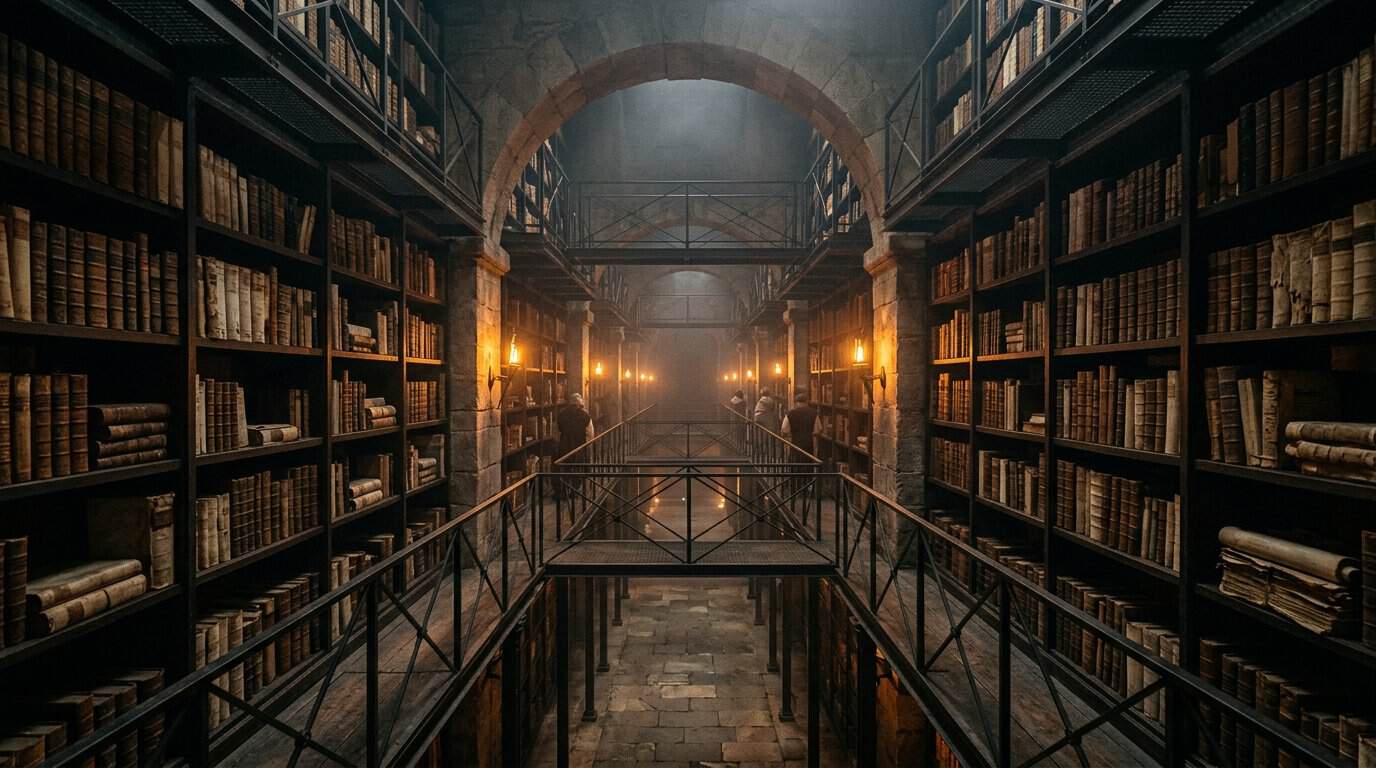
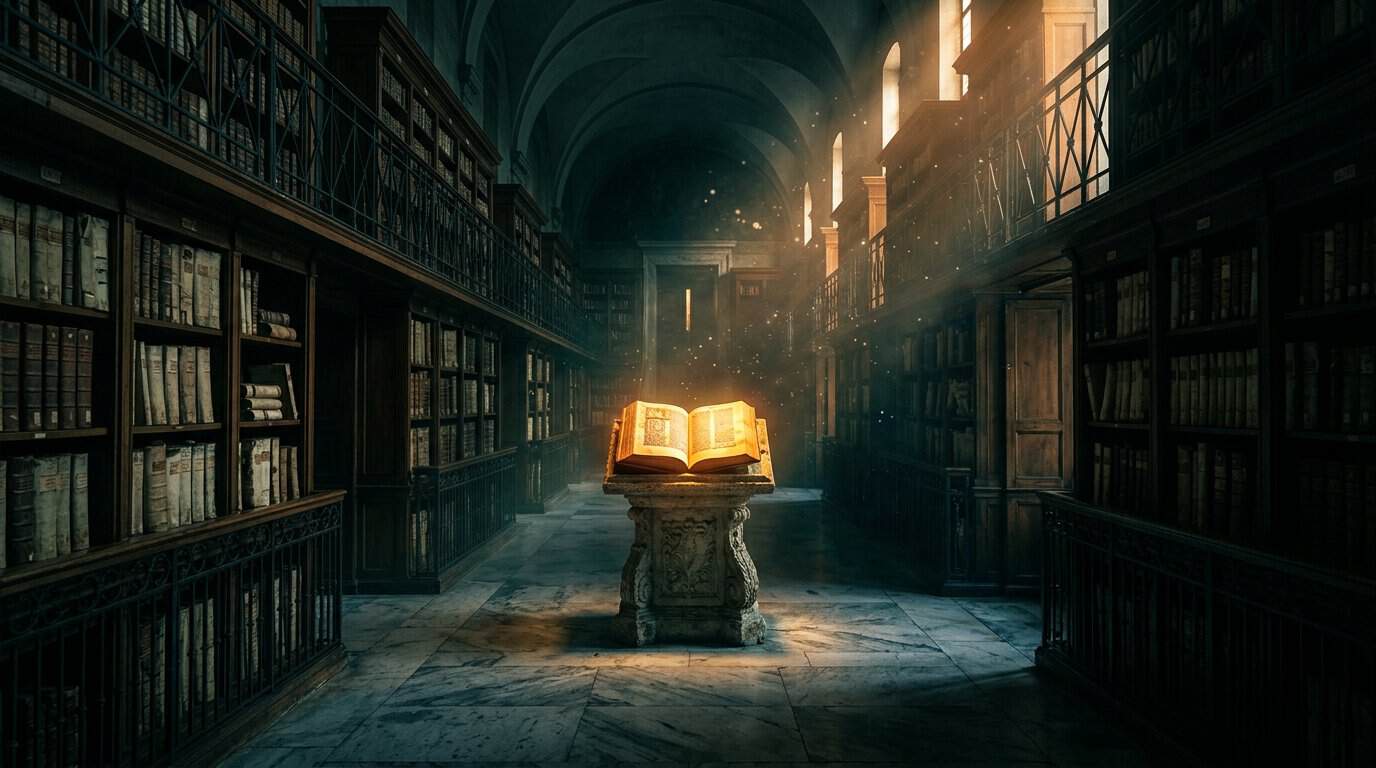
Descending beneath the quiet streets of Vatican City, one enters a massive, climate controlled fortress known simply as the Bunker. This two story underground structure is built from reinforced concrete to protect over fifty miles of shelving that house the private records of the papacy. Within these dim aisles, millions of documents are stacked in a silent labyrinth that stretches back over twelve hundred years. The sheer scale of the collection suggests a staggering amount of history that remains largely untouched by the public eye. Each row of shelving holds the potential to reshape our understanding of how the modern world was formed through centuries of religious and political influence.
The archives contain some of the most pivotal documents in human history, many of which were kept from public view for centuries. Researchers can find the original parchment from the trial of Galileo, where the scientist was forced to recant his discovery that the Earth revolves around the sun. Tucked away nearby are the desperate letters from Henry VIII, whose request for a divorce eventually triggered the English Reformation and changed the map of Europe forever. These papers are not just administrative records, but the physical evidence of moments when the Church exerted its immense power over science and statehood. The presence of such high stakes documentation fuels the persistent belief that even more explosive secrets might be hidden in the deeper, uncatalogued corners of the vaults.
While the Vatican has made efforts to modernize access for qualified scholars, the vast majority of these records remain a mystery to the average person. The transition from the name Secret Archive to the Apostolic Archive was intended to signal a new era of transparency, yet the restrictive nature of who can enter keeps the air of mystery alive. Many wonder if there are suppressed accounts of ancient civilizations or hidden lineages that have been intentionally kept out of the history books to maintain traditional narratives. Exploring these vaults is like walking through a physical timeline of human knowledge where the line between recorded fact and suppressed truth becomes blurred. What other world altering revelations do you think are still waiting to be discovered behind these concrete walls?
Opening The Controversial Pope Pius XII Files
For decades, the silence of Pope Pius XII during the height of the Holocaust has been one of the most guarded secrets within the Vatican’s stone walls. While some historians argue he worked quietly behind the scenes to save lives, others suggest a darker reality of suppressed knowledge and missed opportunities to speak out against atrocity. In March 2020, Pope Francis made the decision to open these specific Pope Pius XII files to the public, granting researchers access to millions of pages from the wartime era. This move was intended to address the long-standing theories that the Church held back critical information. The volume of data in these archives suggests that the full story of the Vatican’s influence on world history is only just beginning to surface.
The initial findings from these documents have already sparked intense debate among scholars and curious observers. Some newly discovered memos indicate that the Vatican may have been aware of the systematic nature of the camps earlier than previously admitted. These papers reveal a complex web of diplomatic cables and personal letters that paint a picture of a papacy caught between political survival and moral duty. By examining these records, we can see how historical secrets are often buried not just by malice, but by layers of bureaucratic caution and private interests. The release of these files provides a rare glimpse into how much of our global narrative is shaped by what remains tucked away in underground bunkers.
Opening the Pius XII files represents a significant shift toward transparency, yet it also raises questions about what else might still be waiting in the shadows. With over fifty miles of shelving contained in the Vatican Apostolic Archive, the task of cataloging every secret is a task that could take generations. This specific release serves as a reminder that history is rarely settled and that suppressed knowledge has a way of eventually finding its way into the light. As more documents are translated and analyzed, the public is left to wonder if other historical mysteries are currently being protected by similar institutional barriers. What do you believe is the most significant discovery waiting to be found in the archives, and does this new transparency change your view of the past?
Suppressed Knowledge And Modern Scholarly Access
The scale of the Vatican Apostolic Archive creates a natural bridge between historical reality and the world of high-stakes mystery. While the public often imagines a labyrinth of forbidden scrolls, the facility actually houses 85 kilometers of shelving containing documents that date back over twelve centuries. Every year, roughly 1,500 qualified scholars are granted entry to search for the truth. These researchers must adhere to rigorous protocols, requesting specific folders rather than browsing the shelves freely. This controlled environment ensures that while information is technically available, the most sensitive secrets remain protected by layers of bureaucracy and tradition.
Despite the recent name change intended to increase transparency, the archive remains a focal point for those who believe religious and world history has been carefully curated. The transition from the word secret to apostolic was meant to clarify that these are the private records of the Pope, yet the restriction of access to only highly specialized academics fuels further curiosity. Many wonder if documents regarding the secrets of the Knights Templar or the suppression of alternative gospels are still tucked away in the shadows of the reinforced concrete bunkers. Pope Francis has taken steps to open files from the era of World War II, but the slow pace of declassification continues to stir debates about what is truly being revealed.
The balance between scholarly inquiry and institutional privacy creates a unique tension that keeps the mystery of the archives alive. Even with a thousand researchers walking the halls, the vast majority of the collection remains unread by modern eyes due to the sheer volume of material. This gap between what is known and what is stored allows for the possibility that revolutionary historical truths are still waiting to be discovered. If you had the chance to walk through the miles of underground shelving, which era of history would you want to uncover first? Do you think the Vatican is finally showing its hand, or are the most significant secrets still tucked away in the dark?
Fifty-Three Miles of Shadowed History
The Vatican Apostolic Archive serves as a silent witness to a millennium of human history, holding secrets that have shaped the course of modern civilization. While the recent name change from secret to apostolic suggests a new era of openness, the sheer scale of the fifty-three miles of shelving implies that many truths remain tucked away in the shadows. These underground bunkers protect more than just paper, as they preserve the private thoughts of popes and the hidden maneuvers of global politics. Even with increased access for scholars, the vast majority of these records have never been seen by the public eye. This massive collection continues to stand as a bridge between ancient mysteries and the drive for modern transparency.
Deep within these reinforced concrete walls, the potential for suppressed knowledge regarding religious and world history remains a captivating possibility. Every newly released document offers a chance to rewrite what we think we know about the past, from the trial of the Knights Templar to the church’s role in global conflicts. The archive invites us to wonder what other historical truths might still be waiting in the dark, shielded from the scrutiny of the modern world. There is a sense that we are only scratching the surface of a much larger narrative that has been carefully guarded for centuries. As more researchers gain entry, the line between conspiracy and reality may continue to blur.
What do you think is the most significant secret still waiting to be discovered within the Vatican’s underground vaults? Are these archives truly becoming an open book, or is the most sensitive information still being kept from the public for a reason? We invite you to share your thoughts on whether complete transparency is even possible for an institution with such a long and complex history. Join the conversation below and let us know which historical mystery you would investigate first if you were given a key to the bunker. Your perspective helps us explore the fine line between documented history and the secrets that remain hidden.
Frequently Asked Questions
1. What exactly are the hidden Vatican archives?
The Vatican Apostolic Archive is a massive collection of historical records spanning over 1,200 years of human history. These archives contain millions of documents, including personal letters, papal accounts, and state papers, all housed on 53 miles of shelving. While often shrouded in mystery, they serve as the private records of the Pope rather than a collection of forbidden knowledge.
2. Why were they called the Secret Archives for so long?
The name originated from the Latin word secretum, which means private or personal rather than hidden. Pope Francis officially changed the name in 2019 to clear up this linguistic misunderstanding and promote transparency. The rebranding helps the world understand that these are the personal archives of the papacy rather than a vault of suppressed truths.
3. Can the public visit the underground bunker?
The general public cannot wander through the reinforced concrete bunker known as the Index. Access is strictly limited to qualified researchers and historians who must undergo a rigorous application process. These scholars enter the vaults to study specific historical events, such as the trial of Galileo or the records of the Knights Templar.
4. Is there evidence of extraterrestrials or suppressed gospels inside?
While legends of alien evidence and hidden gospels have circulated for centuries, no confirmed documentation of this nature has ever been released. The archives do contain many controversial documents that were once kept from view, which keeps the door open for theorists to wonder what remains undiscovered. Historians continue to sift through the 53 miles of shelves to separate fact from these long-standing myths.
5. How are the documents protected deep underground?
The records are kept within a high-tech, reinforced concrete bunker designed to withstand environmental damage. This climate-controlled environment ensures that ancient parchments and fragile papers are preserved for future generations. This protective layer adds to the sense of mystery, as the most sensitive records are tucked safely away from the outside world.
6. What are some of the most famous documents held in the collection?
The archives hold incredible pieces of history, including the 1521 bull of excommunication for Martin Luther and the petition from English peers regarding the annulment of King Henry VIII’s marriage. They also contain the original records from the trial of Galileo Galilei, where the Church confronted his scientific theories. These documents provide a direct link to the moments that shaped modern civilization.