The Mystery Of The Tartarian Empire And The Lost Civilization Erased From History
Walk through any major city and you will see grand stone buildings with towering spires, massive domes, and windows that seem half-buried beneath the sidewalk. While historians call this Neoclassical architecture, a growing community believes these structures are the fingerprints of the tartarian empire theory. This perspective suggests that a sophisticated, global civilization once harnessed the very air for free energy before being systematically scrubbed from history books.
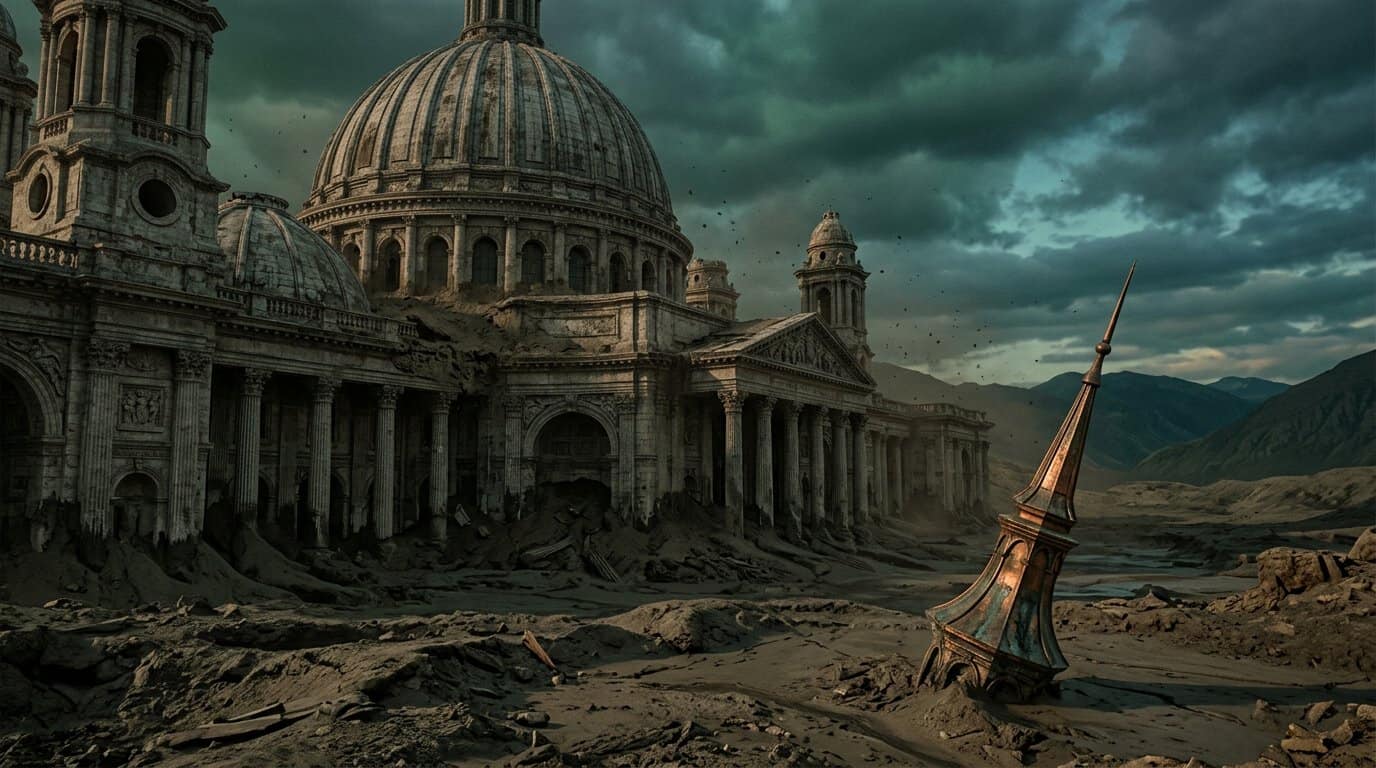
The mystery deepens with the legend of the Mud Flood, a supposed 19th-century cataclysm that left the world’s most beautiful cathedrals and government halls sitting deep in layers of unexplained earth. Proponents argue that we did not build these magnificent monuments with horse and buggy, but rather inherited them from a lost superpower that mastered technology far beyond its time. Exploring these claims requires a curious eye for detail and a willingness to look at the foundations of the modern world in a completely different light.
Key Takeaways
- The Tartarian Empire represents a lost global superpower that utilized advanced technology and atmospheric energy before being systematically erased from historical records in the 19th century.
- Grand Neoclassical structures featuring partially buried windows and ornate spires serve as physical evidence of a worldwide ‘Mud Flood’ cataclysm and a forgotten wireless power grid.
- Ancient cartographic records from the 16th and 17th centuries identify Grand Tartaria as a vast, organized civilization spanning Eurasia and North America, contradicting modern narratives of the region’s history.
- The transition to the modern era involved a ‘Great Reset’ where the ruling elite repurposed Tartarian architecture and suppressed free energy technology to establish a more controllable fossil fuel-based society.
Tracing Tartary On Ancient Cartographic Records
When you open a world atlas from the 16th or 17th century, a massive name often dominates the map of Eurasia and parts of North America. Cartographers like Abraham Ortelius and Gerardus Mercator frequently labeled these vast territories as Grand Tartaria. To the modern eye, these records look like evidence of a unified superpower that once stretched across continents. These maps do not just show empty land, they often include intricate symbols for cities, flags, and royal genealogies that suggest a sophisticated level of organization. While mainstream historians describe this as a general term for the region, the sheer scale of Tartaria on these ancient documents sparks a fascinating question about what might have been lost.
The mystery deepens when you notice how consistently these regions were depicted before they suddenly vanished from official records in the 19th century. Early encyclopedias, including the first edition of the Britannica, once listed Tartary as a distinct and enormous country with its own government and culture. Proponents of the theory point to these entries as proof that a global civilization was systematically edited out of collective memory. They argue that the transition from detailed cartographic depictions to blank spaces or new national borders was not an accident of geography. Instead, it is viewed as a deliberate attempt to hide an advanced empire that may have shared a unified architectural style across the globe.
Looking closely at these historical documents reveals a world that feels strangely different from the one taught in standard history classes. Many of these maps show Tartarian influence reaching into the American Northwest, suggesting a connection that predates traditional colonial narratives. This overlap between continents hints at a seafaring or technologically capable society that could bridge vast distances with ease. Whether these maps represent a simple naming convention or the remnants of a forgotten global power remains one of the most intriguing puzzles in alternative history. What do you think happened to the borders of Tartary, and why do you believe they were redrawn so drastically during the 1800s?
Architectural Anomalies And The Mud Flood Mystery
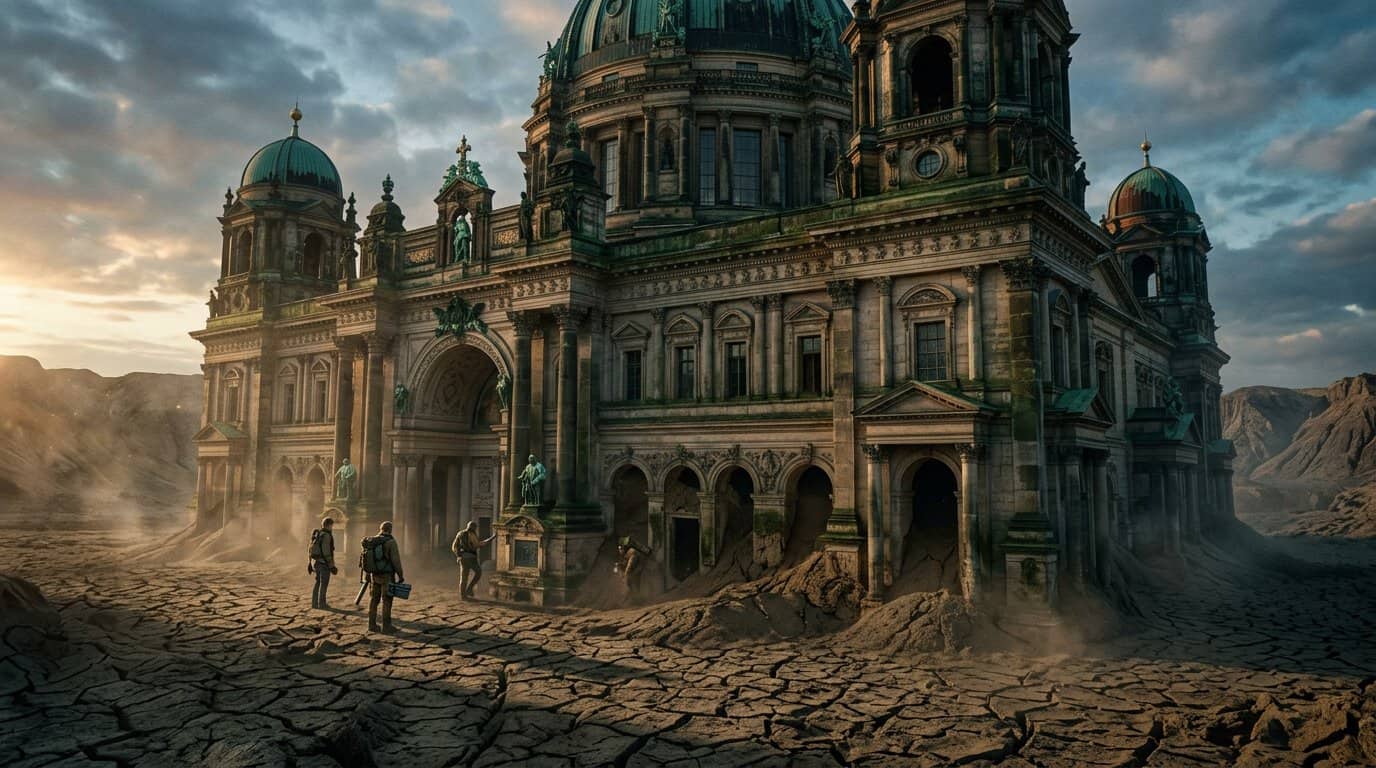
Walking through the streets of older cities like London, Moscow, or San Francisco, observant travelers often notice something peculiar about the ground floor windows. Many historical structures feature windows that are partially buried beneath the pavement, appearing as though the buildings were swallowed by the earth. While mainstream historians often explain these as light wells designed for basement ventilation, supporters of the tartarian empire theory suggest a more mysterious origin. They argue these architectural anomalies are the physical remains of a global civilization that was partially submerged by a massive, undocumented layer of soil.
The concept of the Mud Flood suggests that a mid-19th century cataclysmic event deposited several feet of earth across the globe, effectively resetting human history. Proponents point to the fact that many grand buildings from this era appear much older and more sophisticated than the technology of the time should have allowed. These theorists believe that the survivors of this event simply dug out the top floors of these buried structures and claimed them as their own creations. By examining old photographs from the 1800s that show strangely empty city streets and massive construction projects, researchers look for clues that a previous, advanced society was being erased from the public record.
This perspective invites us to look at ornate spires and copper domes not just as decorations, but as potential antennas for harvesting atmospheric energy. If the Tartarian Empire truly possessed the ability to distribute free energy, it would explain why so many historical buildings share similar high-tech features across different continents. While traditional records describe these as mere stylistic choices, the consistency of the designs suggests a shared global knowledge that seems to have vanished overnight. We are left to wonder if our ancestors were simply following a trend, or if they were repurposing the technology of a lost superpower that the history books chose to forget. What do you think when you see these buried windows in your own city, and could there be a hidden floor right beneath your feet?
Antique Tech And The Quest For Free Energy
The architectural landscape of the nineteenth century is filled with grand cathedrals and government buildings that some researchers believe served a purpose far beyond aesthetics. Proponents of the Tartarian theory suggest that the intricate spires, copper domes, and ornate metal finials atop these structures were actually sophisticated components of an ancient power grid. Instead of mere decoration, these metal features are viewed as antennas designed to pull clean, wireless energy directly from the atmosphere. This concept relies on the existence of the ether, a theoretical medium that early scientists like Nikola Tesla believed could provide a limitless supply of electricity to the entire world. By looking at old photographs of cities like San Francisco or Saint Petersburg, curious observers point to the sheer density of these power collectors as evidence of a forgotten technological golden age.
While mainstream historians categorize these features as examples of Gothic or Neoclassical architecture, the theory invites us to look closer at the materials used in their construction. Many of these old-world buildings utilized high-conductivity metals and massive stone foundations that some claim acted as grounding systems for harvested energy. Historical documentation often focuses on the artistic merit of these designs, yet the sudden disappearance of these complex antennas during the early twentieth century raises intriguing questions for those who study the fringe. It is suggested that as the modern fossil fuel industry rose to power, this free energy infrastructure was systematically dismantled or reclassified as simple ornamentation. This shift in perspective encourages a deeper investigation into whether our ancestors were more technologically advanced than the history books currently allow.
If these grand buildings were truly part of a global energy network, it would change everything we know about the industrial revolution and our collective past. The idea that a unified civilization once shared free power across continents is a captivating thought that challenges the standard narrative of human progress. We are left to wonder if the Age of Enlightenment was actually a period where ancient technology was being phased out in favor of more controllable resources. This mystery invites a balance of architectural study and open-minded skepticism regarding the true origins of our built environment. Do you think these majestic domes were built solely for beauty, or could they be the silent remnants of a lost global power grid?
The Great Reset And The Rewriting Of History
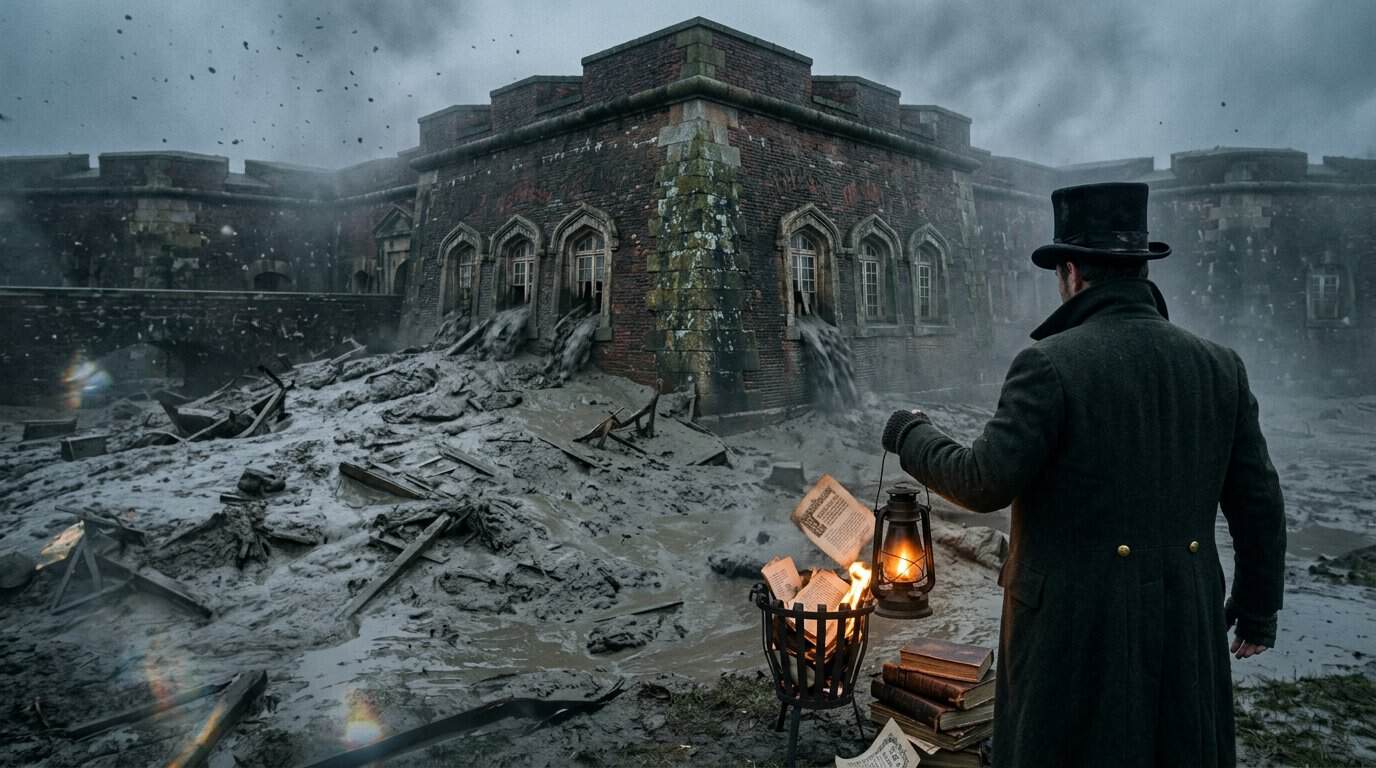
The core of the Tartarian Empire theory rests on the idea that modern history books have been carefully curated to hide a much grander past. Proponents suggest that a global reset occurred during the 19th century, where the sophisticated Tartarian civilization was systematically dismantled by a new ruling elite. This massive cover-up allegedly involved the destruction of magnificent architecture and the rebranding of advanced energy-harvesting structures as mere decorative buildings. By rewriting the narrative, those in power were able to claim these ancestral achievements as their own while burying the truth of a lost, technologically superior era.
Evidence for this historical erasure is often found in the grand urban renewal projects and world fairs that dominated the late 1800s. According to researchers like Anatoly Fomenko, who challenged traditional timelines, many of the ornate temporary structures built for these exhibitions were actually ancient Tartarian sites slated for demolition. The theory posits that the suspicious fires and urban renovations of that century were not accidents, but intentional efforts to scrub the landscape of any remaining Tartarian influence. This allowed the new global order to establish a fresh beginning, free from the advanced legacy of the people who came before them.
The transition into the 20th century provided even more opportunities to hide the remnants of this global empire through the chaos of world wars. Massive conflicts and the subsequent rebuilding of major cities served as a perfect smokescreen for removing the final traces of Tartarian technology and culture. Even today, some look at the massive, buried first floors of historic buildings as proof of a catastrophic mud flood that helped the elite reset society. While mainstream historians attribute these architectural features to simple design choices, the mystery continues to spark curiosity about what might truly be hidden beneath the pavement of our modern world.
The Lasting Echoes of a Hidden Empire
The mystery of Tartaria leaves us standing at a fascinating crossroads where official history meets architectural wonder. While historians explain these grand structures as products of the Gilded Age or Neoclassical movements, the sheer scale and complexity of the buildings continue to spark deep curiosity. We are left to wonder if the spires and domes we admire today were once part of a much older, more sophisticated network designed for purposes we no longer understand. This tension between documented records and the physical evidence in our city streets creates a compelling narrative that is hard to ignore. Exploring these possibilities allows us to look at our modern world through a lens of renewed wonder and healthy skepticism.
The idea of a lost global empire reminds us that the story of humanity might be far more complex than the version found in standard textbooks. Whether the Tartarian theory is a literal truth or a modern cultural legend or a symbolic reminder of forgotten craftsmanship, it encourages everyone to pay closer attention to the urban secrets hidden in plain sight. These architectural anomalies serve as a bridge between a mysterious past and our present search for answers about our origins. As we continue to peel back the layers of our collective history, the search for truth remains an ongoing adventure for those willing to look up at the skyline. What do you think about the strange features found on our oldest public buildings? We invite you to share your thoughts and any local urban mysteries you have discovered in the comments below.
Frequently Asked Questions
1. What exactly is the Tartarian Empire theory?
The Tartarian Empire theory suggests that a technologically advanced global civilization existed in the relatively recent past. This superpower allegedly mastered free energy and grand architecture before being erased from official history books and maps.
2. Why do many old buildings have windows half buried in the ground?
Proponents of this theory believe these buried windows are evidence of a global Mud Flood that occurred in the 19th century. This cataclysm supposedly covered the lower floors of grand stone structures in layers of earth, leaving the world to inherit buildings they did not actually construct.
3. Did Tartaria actually appear on historical maps?
Yes, famous cartographers like Abraham Ortelius and Gerardus Mercator labeled vast regions of Eurasia and North America as Grand Tartaria on their maps. While modern historians call this a general geographic label, the maps show intricate symbols for cities and flags that suggest a highly organized state.
4. How did the Tartarians supposedly power their massive cities?
The theory proposes that the tall spires and copper domes found on old cathedrals were actually antennas designed to harvest atmospheric electricity. This ancient technology would have provided the world with clean, wireless energy long before the modern electrical grid was established.
5. What happened to the records of this lost civilization?
Believers suggest that a systematic effort was made to scrub Tartaria from historical records to hide the existence of their advanced technology. This narrative claims that modern history was rewritten to portray these inherited masterpieces as the work of horse and buggy era architects.
6. Is there evidence that these buildings were not built by the people who claimed them?
Observers often point to the lack of construction photos and the sheer complexity of Neoclassical architecture as proof of a lost superpower. The precision of these massive stone domes and intricate carvings seems to surpass the known tools and capabilities of the late 1800s.