The Mystery Of The Kaimanawa Wall Origin
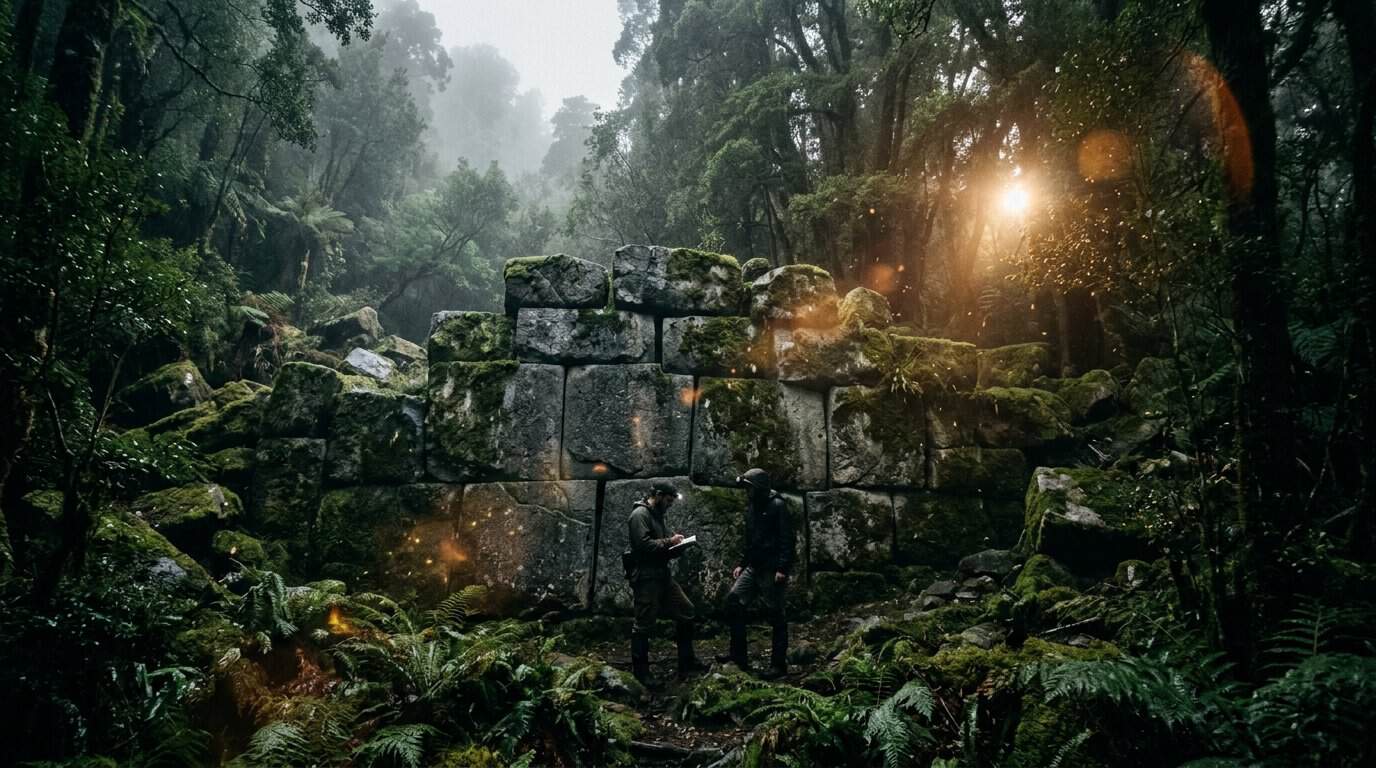
Deep within the lush greenery of New Zealand’s Kaimanawa State Forest lies a structure that defies easy explanation. At first glance, the sight is staggering: a series of perfectly stacked, rectangular stone blocks that look like the handiwork of an ancient civilization. This mysterious formation has sparked a decades-long debate over the kaimanawa wall origin, leaving many to wonder if they are looking at a forgotten monument or a masterpiece of Mother Nature.
While the stones appear to be precision-cut masonry, the official story tells a different tale of volcanic fire and cooling earth. Geologists point to natural processes that occurred hundreds of thousands of years ago, yet the sheer symmetry of the wall continues to fuel the imagination of explorers and alternative historians alike. It is a place where the rigid laws of science meet the whispers of a lost past, inviting anyone who visits to decide for themselves what is truly hidden in the stone.
Key Takeaways
- The Kaimanawa Wall is a natural formation of Jointed Rangitaiki Ignimbrite created by volcanic cooling and contraction approximately 330,000 years ago.
- Microscopic analysis of the stone joints reveals matching irregularities on opposing faces, proving the blocks were originally a single solid mass that fractured naturally rather than being carved by hand.
- The structure’s remarkable symmetry and precision-cut appearance continue to fuel alternative theories suggesting it is a megalithic monument built by a pre-Maori civilization.
- Despite its geological origins, the wall serves as a significant site of interest that demonstrates nature’s ability to perfectly mimic human architectural design.
The Case For An Ancient Civilization
To the untrained eye, the Kaimanawa Wall stands as a profound challenge to the conventional timeline of human history in New Zealand. The structure features massive, four sided stone blocks that appear to be stacked with the precision of a master stonemason. Supporters of the ancient civilization theory point to the symmetrical joints and level surfaces as evidence of an intentional, man-made design. These researchers argue that such geometric perfection is rarely found in nature without the help of tools and architectural planning. If these stones were indeed placed by human hands, it would suggest that a megalithic culture inhabited the islands long before the arrival of the first Polynesian explorers.
The mystery deepens when considering the potential age and origin of such a civilization. Some alternative historians, including author Barry Brailsford, have suggested that the wall could be the work of a pre-Maori culture known as the Waitaha. This theory proposes that ancient people with advanced knowledge of stone cutting traveled across the Pacific to settle in the Kaimanawa Range. While mainstream science points toward volcanic cooling as the cause of these shapes, the sheer uniformity of the blocks continues to spark curiosity. Many visitors find it difficult to believe that random natural forces could create something that so closely resembles the megalithic ruins found in places like Peru or Egypt.
Whether this site is a geological wonder or a forgotten monument, it invites us to look at the landscape with a sense of wonder. The possibility that a lost culture once carved their legacy into the New Zealand wilderness remains a captivating thought for many explorers. Even if the volcanic origins are correct, the wall serves as a powerful reminder of how nature can mimic human artistry. This intersection of science and mystery is what makes the Kaimanawa Wall mystery such a significant point of interest for those seeking the truth about our past. What do you think when you look at these massive stones, and could nature really be this precise?
Volcanic Roots And The Ignimbrite Theory
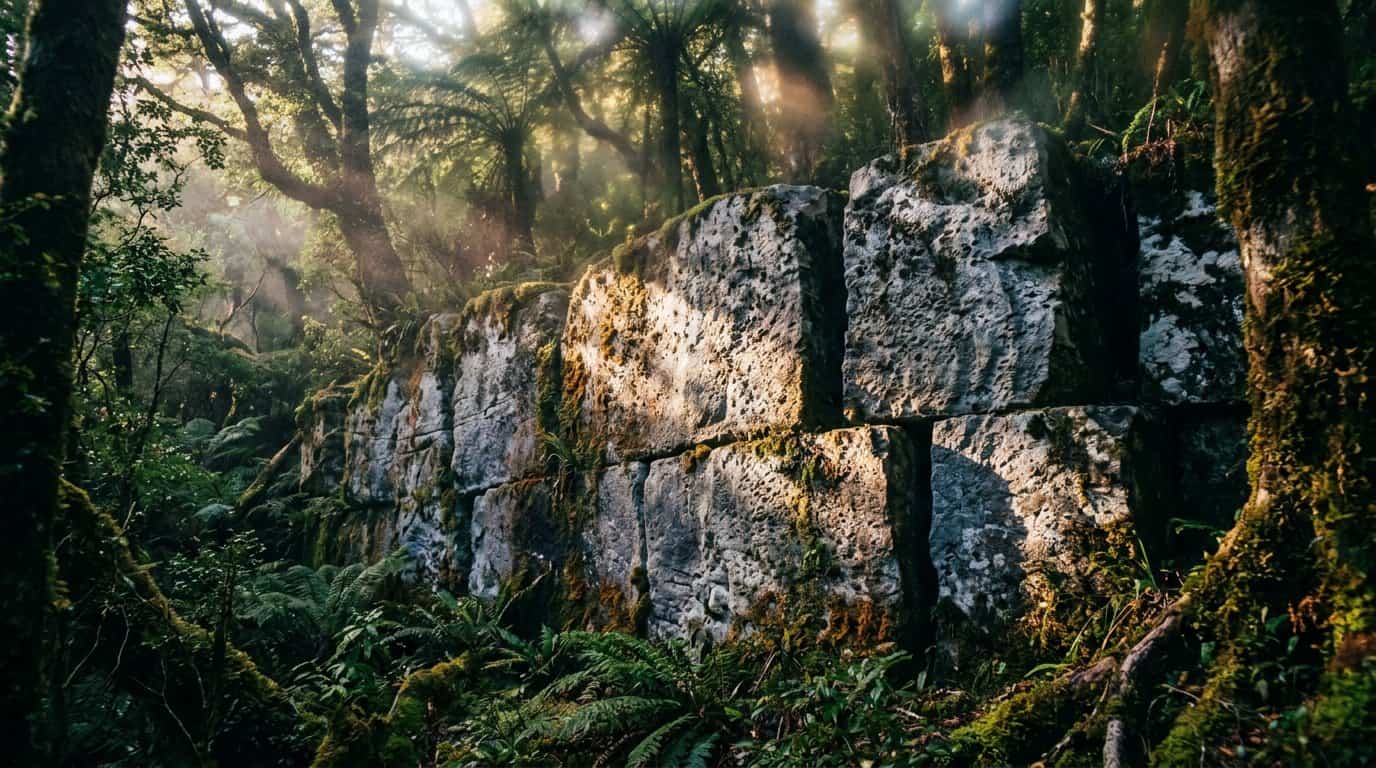
While the Kaimanawa Wall looks like a masterwork of ancient stonemasonry, geologists offer a different explanation rooted in the earth’s fiery past. The official story identifies the structure as a natural outcrop of Jointed Rangitaiki Ignimbrite, a volcanic rock that formed roughly 330,000 years ago. According to researchers, this massive formation was created during a period of intense volcanic activity in the Taupo Volcanic Zone. As the volcanic fire and searingly hot ash and debris cooled, the material contracted and began to pull apart in a very specific way. This cooling process often results in remarkably straight vertical and horizontal fractures, which can give the illusion of stacked blocks hand carved by humans.
Scientific investigators point to the internal structure of the stone as the primary evidence for its natural origin. When experts examine the joints between the blocks, they find matching micro irregularities that suggest the stones were once a single solid mass that simply cracked apart. Geologists explain that these joints are typical for ignimbrite and occur naturally without any human intervention. The incredibly precise right angles and flat surfaces are certainly rare in nature, but they are not impossible within the unique chemistry of volcanic cooling. This perspective suggests that what looks like a megalithic wall is actually a masterpiece of geological chance, shaped by time and pressure rather than tools.
Even with the geological data in hand, many visitors find it difficult to ignore how much the site resembles an intentional construction. The way the blocks are layered and the sheer uniformity of the stone patterns continue to fuel alternative theories about a lost civilization in New Zealand. While the ignimbrite theory provides a logical framework for how the wall could have formed naturally, it does not stop the curious from wondering if ancient people might have utilized or modified the site. The debate remains a fascinating tug of war between the rigid laws of geology and the enticing possibility of a hidden history waiting to be uncovered. Does this formation truly represent a random act of nature, or could there be a deeper story etched into these ancient stones?
Microscopic Clues Along The Stone Joints
A close inspection of the stone joints reveals a fascinating puzzle that keeps the debate over the Kaimanawa Wall alive. When looking at the seams where these massive blocks meet, geologists point to matching micro-irregularities on both sides of the cracks. These tiny bumps and dips suggest that the blocks were once a single solid mass of volcanic rock that fractured as it cooled. If the stones were carved and moved by human hands, it would be highly unlikely for these microscopic analysis patterns to align so perfectly across the gaps. This physical evidence supports the idea that natural cooling processes in the Rangitaiki Ignimbrite created the wall over 300,000 years ago.
Despite these geological explanations, the sheer precision of the horizontal and vertical lines continues to spark curiosity among alternative history enthusiasts. Some observers note that while the microscopic textures match, the way the blocks are stacked creates a visual symmetry that is rare in nature. The presence of what appear to be four-way intersections and right-angled corners mimics the work of skilled ancient masons. This creates a tension between the scientific data and the visual intuition that suggests a deliberate design. It is this specific blend of natural imperfections and architectural appearance that makes the site such a compelling mystery for those searching for lost civilizations.
The imperfect alignments found along certain sections of the wall add another layer to the investigation. While some joints are tight and uniform, others show slight shifts that could be interpreted as the settling of an ancient foundation or the result of seismic activity over millennia. Researchers have noted that the volcanic rock is common in the Taupo Volcanic Zone, yet few other formations in the area exhibit such a convincing wall-like structure. This uniqueness leaves the door open for questions about whether ancient people might have modified a natural formation to suit their needs. Whether it is a masterpiece of nature or a relic of a forgotten culture, the physical details of the stone joints remain the primary evidence for every theory.
Balancing Legend With Geological Science
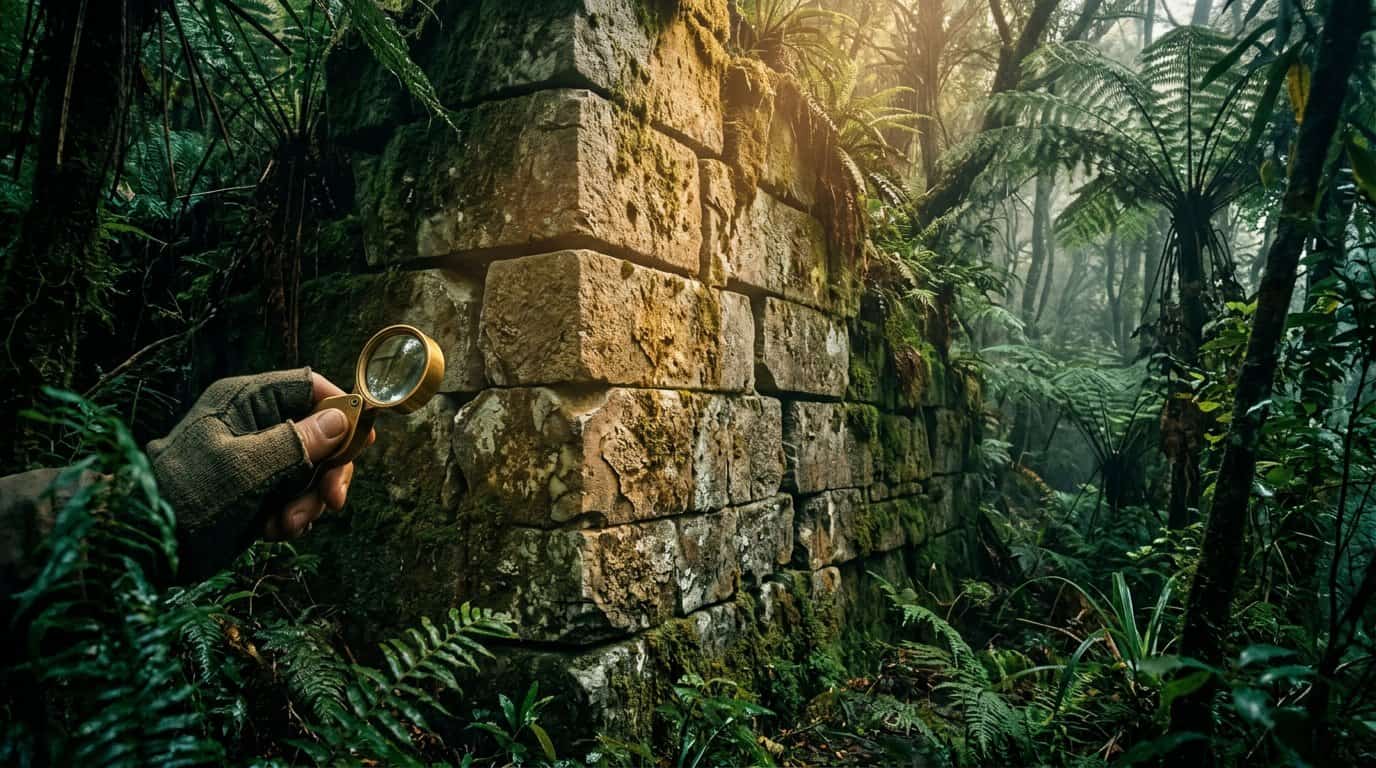
The Kaimanawa Wall stands as a captivating puzzle that bridges the gap between the natural world and the whispers of a forgotten past. To the naked eye, the structure resembles a meticulously crafted megalithic wall, featuring large, rectangular blocks that appear to be stacked with intentional precision. This striking appearance has led many independent researchers to wonder if an ancient, seafaring civilization inhabited New Zealand long before the arrival of the first known settlers. The idea of a lost culture capable of such grand masonry adds a layer of romantic mystery to the rugged forest landscape. While these theories spark the imagination, they also challenge us to look closer at the hidden corners of our planet.
Geological experts provide a different perspective, attributing the formation to the powerful forces of the Taupo Volcanic Zone. Scientists from the New Zealand Department of Conservation and various geological studies suggest the wall is actually a 330,000 year old outcrop of Jointed Rangitaiki Ignimbrite. As this volcanic rock cooled and contracted over millennia, it naturally fractured into the straight vertical and horizontal lines that we see today. Microscopic examinations often reveal that the joints between the blocks contain matching irregularities, suggesting they were never moved or shaped by human hands. This natural process, while less mysterious than a lost city, highlights the incredible ability of the Earth to mimic human architecture.
Even with scientific explanations in hand, the Kaimanawa Wall remains a site that inspires deep curiosity and debate. The sheer perfection of the joints and the way the formation sits within the landscape continue to draw those who believe there is more to the story than cooling lava. It serves as a reminder that the world is full of anomalies that test the boundaries of our current understanding. Whether it is a masterpiece of nature or a relic of a hidden era, the wall invites everyone to explore the outdoors with an open mind. What do you think when you look at these massive stone blocks, and do you believe nature is capable of such perfect geometry on its own?
Nature’s Artistry or a Forgotten Civilization?
The Kaimanawa Wall remains a fascinating landmark that invites us to question how we distinguish the handiwork of humans from the artistry of nature. While geological studies point toward the cooling of volcanic ignimbrite as the primary cause for these shapes, the visual impact of the site is undeniably provocative. The blocks appear so uniform and the joints so precise that it is easy to imagine an ancient civilization carving them into the landscape long ago. This tension between natural processes and the appearance of design is what keeps the site at the center of ongoing mystery. It challenges us to keep an open mind about the history of the South Pacific and the secrets that might still be hidden beneath the forest floor.
Exploring the origin of this structure allows for a rare moment where scientific data and ancient possibilities meet. Even if the rock is hundreds of thousands of years old, the way it has survived and presented itself to modern eyes continues to spark the imagination of researchers and travelers alike. Whether it is a masterpiece of volcanic cooling or a forgotten relic of a lost era, the wall serves as a reminder that our world is full of wonders that defy simple explanations. We are often reminded that history is a living puzzle, and sites like this one provide the missing pieces that keep our curiosity alive. What do you think about the precision of these stone blocks? Do you believe nature or lost civilization could create such a convincing imitation of a man-made wall, or is there more to the story?
Frequently Asked Questions
1. What exactly is the Kaimanawa Wall and where is it located?
The Kaimanawa Wall is a mysterious stone formation located deep within the Kaimanawa State Forest on the North Island of New Zealand. It consists of large, rectangular stone blocks that appear to be stacked with incredible precision, resembling an ancient megalithic structure. While it sits nestled in lush greenery, its perfectly straight lines have made it a focal point for explorers and scientists alike.
2. Is there evidence that an ancient civilization built the wall?
Supporters of the ancient civilization theory point to the symmetrical joints and level surfaces as proof of intentional design. Researchers like Barry Brailsford suggest these stones could be the work of a pre-Maori culture that possessed advanced masonry skills long before the arrival of the first Polynesians. The geometric perfection of the blocks is rarely seen in natural formations, leading many to believe it was a man-made monument.
3. What do geologists say about the origin of the stones?
The official scientific explanation is that the wall is a natural formation of ignimbrite rock created by volcanic activity roughly 330,000 years ago. Geologists argue that as the volcanic material cooled, it naturally fractured into rectangular shapes through a process called jointing. This creates the illusion of hand-cut blocks while actually being a masterpiece of Mother Nature.
4. Why do the stone blocks look so perfectly shaped?
The blocks look symmetrical because of the way specific types of volcanic rock break under pressure and temperature changes. These natural fractures often occur at right angles, which can mimic the appearance of precision-cut masonry used by human builders. However, the sheer uniformity of these blocks continues to fuel the debate between natural science and alternative history.
5. Has any archaeological testing been done at the site?
Official investigations by the Department of Conservation concluded that the structure is a natural outcrop of the surrounding bedrock. While some independent researchers have called for more extensive excavations to look for tools or artifacts, the current scientific consensus remains that the wall is a geological wonder rather than a human construction. This tension between perspectives keeps the mystery of the Kaimanawa Wall origins alive for every new visitor.
6. Can the public visit the Kaimanawa Wall today?
The wall is accessible to the public, though it requires a journey into the Kaimanawa State Forest to reach its remote location. It serves as a popular destination for those who want to see the phenomenon firsthand and decide for themselves if it is a relic of a lost past or a natural volcanic formation. Similar debates occur globally, such as when researchers investigate the giant walls of Siberia to determine if they are natural or man-made. Visitors are encouraged to explore the site with an open mind and respect the surrounding environment.