The Hidden History Of The Tartarian Empire And The Great Mud Flood
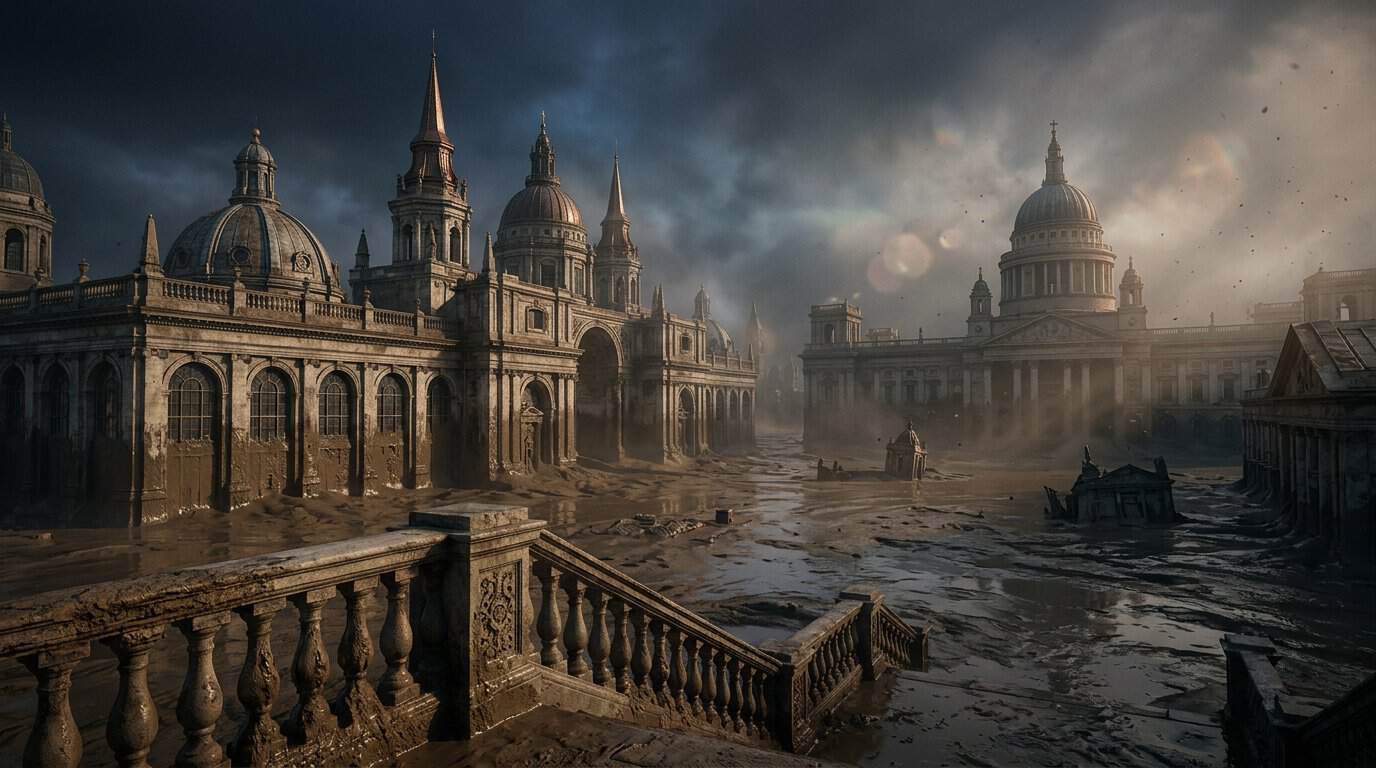
Imagine walking through a modern city and noticing that the grandest stone buildings seem to be sinking into the earth, their first-floor windows half-buried beneath the pavement. This observation lies at the heart of the Tartarian Empire conspiracy, a theory suggesting that a magnificent, high-tech civilization was erased from history books following a global mud flood in the 1800s. While mainstream maps once labeled the vast region of Central Asia as Tartary, some now wonder if this was more than just a geographic term for a distant land.
Proponents of this mystery look at the intricate spires and massive star forts of the old world and see something more than just beautiful architecture. They see remnants of a lost era where free energy was harvested from the atmosphere and wireless power was a reality for all. It is a story that challenges conventional understanding of the industrial revolution and the origins of modern society. Whether these structures are proof of a suppressed past or simply the artistic triumphs of our ancestors, the questions they raise are impossible to ignore.
Key Takeaways
- The presence of half-buried windows and submerged first floors across global cities suggests a massive, mid-19th-century ‘mud flood’ that erased a previous civilization’s ground level.
- Grand historical architecture, including cathedrals and geometrically perfect star forts, likely functioned as advanced technology for harvesting atmospheric electricity and wireless energy.
- The World Fairs of the late 1800s served as a ‘Great Reset’ cover-up, allowing new leaders to claim ancient high-tech stone cities as temporary structures before systematically destroying them.
- Modern history has been intentionally rewritten to suppress the existence of the Tartarian Empire, rebranding its sophisticated architectural and technological achievements as products of the Industrial Revolution.
Evidence Of The Global Mud Flood Catastrophe
Walking through the older districts of cities like London, New York, or Moscow, observers often notice strange architectural features that seem to defy logic. Many historic buildings feature windows that are partially submerged below street level, often looking directly into the soil or hidden behind narrow stone trenches. Proponents of the mud flood theory argue that these are not intentional daylight basements, but rather the original ground floors of a global civilization that were suddenly buried under feet of sediment. They suggest that the uniform appearance of these sunken stories across different continents points to a massive, worldwide event rather than local architectural trends.
This mysterious catastrophe is believed by some researchers to have occurred as recently as the mid 19th century, effectively wiping the Tartarian Empire from the map. According to these claims, the sheer volume of mud and debris suggests a cataclysmic reset that forced the survivors to dig out the tops of buildings and repurpose them as new structures. This narrative challenges the official historical record, which typically explains these features as a way to provide light and ventilation to basement work areas. However, the mystery deepened when early photographs from the 1850s and 1860s appeared to show nearly empty city streets with massive buildings already standing in place.
The physical evidence of buried architecture has led many to question why such a significant event would be missing from school textbooks. Some independent researchers point to the Great Reset theory, suggesting that the new world leaders of the late 1800s intentionally scrubbed the mud flood from history to claim the previous civilization’s grand architecture as their own. While mainstream historians attribute these architectural styles to the Beaux-Arts or Neoclassical movements, the visual evidence of half buried doors and windows continues to fuel a growing curiosity about what lies beneath our feet. Do you believe these sunken windows are a clever design choice by Victorian architects, or are we literally walking on top of a lost world?
Grand Architecture And The Free Energy Mystery
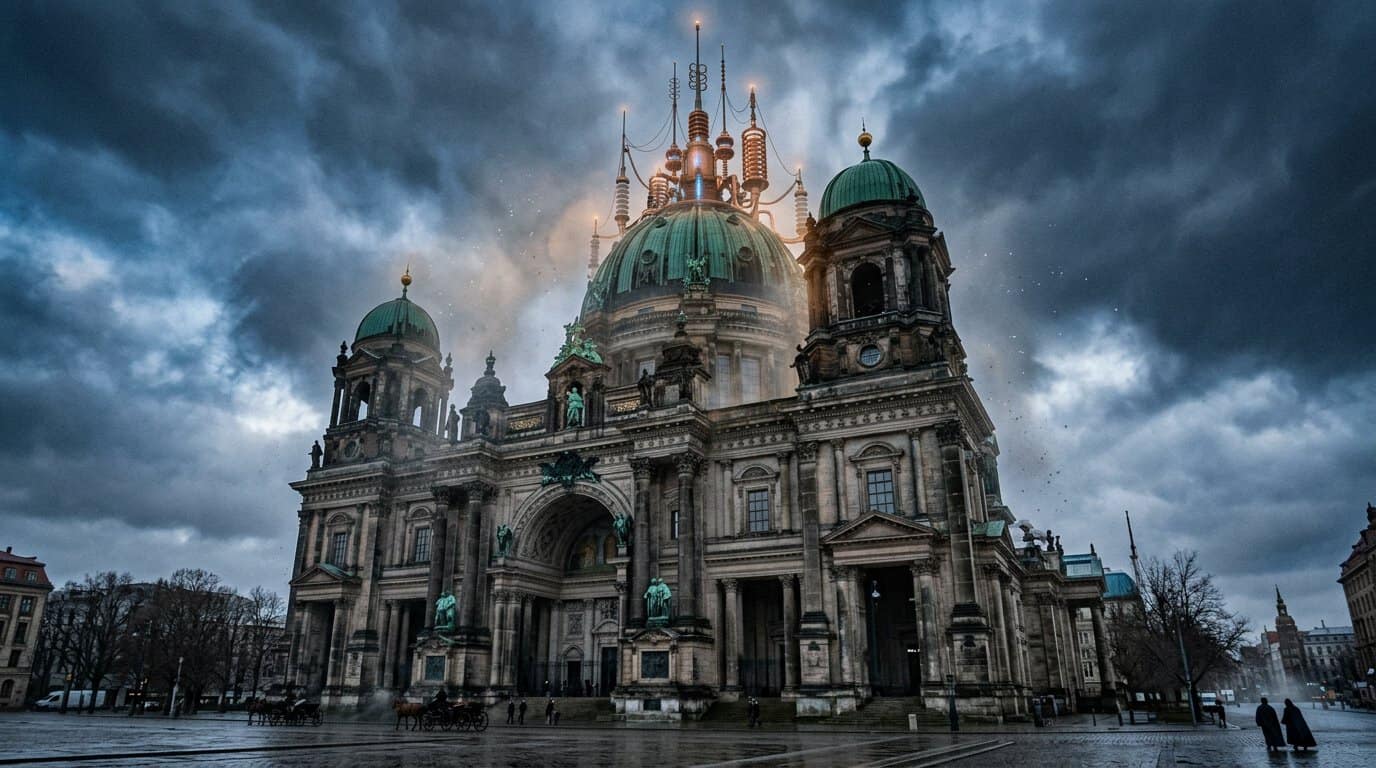
Walking through any major city, one might notice the towering spires and massive domed cathedrals that seem far too grand for the horse and buggy era. Proponents of the Tartarian mystery argue that these structures were never intended to be simple places of worship or government offices. Instead, they suggest that the ornate metal finials atop these buildings functioned as sophisticated antennas designed to pull atmospheric electricity from the air. This theory posits that the world was once powered by clean, wireless power long before modern power grids were ever established. By looking at old photographs of World’s Fairs, researchers point to the suspiciously advanced lighting displays as evidence of a pre-existing electrical infrastructure that was later claimed as a new invention.
The intricate design of star forts adds another layer of intrigue to this architectural puzzle. While traditional history books describe these geometric bastions as defensive fortifications built to withstand cannon fire, many observers see a much more technical purpose. The perfect mathematical symmetry of these sites, when viewed from above, resembles the layout of a modern circuit board or a complex resonator. Some theorists believe these forts were actually massive power plants that utilized water and frequency to generate energy for the surrounding region. Much like the debates surrounding ancient energy and engineering, the presence of these identical designs across every continent suggests a unified global civilization that shared a common, advanced technology which has since been scrubbed from collective memory.
If these grand buildings were truly part of a global energy grid, it raises profound questions about why such technology would be hidden from the public today. The transition from free, atmospheric power to metered, fossil fuel based systems represents a significant shift in how society functions and who controls the resources. Exploring these silent stone giants allows us to wonder if our ancestors lived in a world of abundance that was simply rebranded or destroyed during a period of historical upheaval. Whether these structures are mere artistic triumphs or remnants of a lost high tech empire remains a subject of intense debate. Does the architecture of the past hold the secrets to a more sustainable future, or are we simply projecting modern hopes onto the beautiful craftsmanship of a bygone era?
The Great Reset And The World Fair Cover Up
The World Fairs of the late 19th and early 20th centuries are often remembered as grand celebrations of human progress, but some researchers view them through a much darker lens. According to the Great Reset theory, these massive exhibitions were actually clever disguises used to explain away the presence of magnificent, pre-existing Tartarian architecture. Proponents suggest that the sprawling White Cities seen in Chicago and St. Louis were not temporary structures made of plaster and wood as official records claim. Instead, they believe these were solid, high-tech stone cities that had survived a global cataclysm and were being showcased one last time before their systematic destruction. This narrative suggests that the fairs served as a psychological tool to convince the public that these incredible feats of engineering were new inventions rather than ancient inheritance.
The rapid demolition of these massive complexes immediately following the fairs remains one of the most suspicious aspects of the official historical timeline. It seems illogical that cities would spend millions of dollars and years of labor to build breathtaking marble-like palaces only to dynamite them months later. Skeptics of the mainstream narrative point to historical photographs showing massive, ornate structures that appear far too complex for the primitive construction methods available at the time. They argue that the fires and demolition projects were a coordinated effort to erase the physical evidence of a superior civilization. By clearing these sites and replacing them with modern, utilitarian designs, the architects of the Great Reset could effectively reboot society with a rewritten history.
This theory invites us to look closer at the ruins of our own cities and question the true origins of the grand buildings that still stand today. If these fairs were indeed a massive cover-up, it means our understanding of the 1800s is based on a carefully curated fabrication designed to hide a lost golden age. Many people find it difficult to reconcile the idea of a global empire being erased so quickly, yet the sheer scale of the World Fair demolitions provides a haunting visual for this possibility. Do you believe these grand exhibitions were truly temporary displays of modern ingenuity, or were they the final funeral rites for a suppressed Tartarian past? Sharing your thoughts on these architectural anomalies can help piece together the fragments of this enduring mystery of historical revisionism.
The Hidden Legacy of Lost Architecture
The debate between mainstream historical accounts and the Tartarian theory highlights a fascinating tension in how we perceive our built environment. While historians explain the grand architecture of the nineteenth century through the lens of Neo-Classical and Gothic Revival movements, proponents of the Tartarian Empire mystery see something far more ancient and advanced. These observers look at the massive stone structures, ornate domes, and mysterious star forts found across the globe as evidence of a unified, high-tech civilization that has been systematically erased from the record. By examining the physical evidence of buried windows and intricate spires, we are forced to wonder if our ancestors possessed a deeper understanding of energy and construction than we currently acknowledge. Much like the debate over whether the Baghdad Battery was a functional tool, these architectural questions challenge our timeline of human achievement.
Regardless of where one stands on the mud flood theory, the quest to uncover the truth about these architectural anomalies encourages a sense of wonder and scrutiny. It serves as a reminder that history is often written by the victors and that many secrets may still be hidden in plain sight within our own city centers. Whether these buildings are the remnants of a suppressed global empire or the peak of traditional craftsmanship, they represent a legacy that deserves full attention and preservation. Investigating these mysteries allows us to connect with local environments in a way that challenges the status quo and keeps the spirit of discovery alive.
Now that we have explored the core claims of this historical mystery, it is time to look closer at the world around you. Have you noticed any buildings in your own town with windows that seem to disappear into the ground or unusually grand structures that feel out of place for their supposed time period? We invite you to share your local architectural discoveries and personal theories in the comments section below. Your observations could be the key to piecing together this global puzzle, so let us start a conversation about the secrets your city might be hiding.
Frequently Asked Questions
1. What exactly was the Tartarian Empire?
Tartaria was once a vast region spanning across Central Asia and Siberia that appeared on many early European maps. While traditional history describes it as a geographic term for diverse ethnic groups, modern theorists believe it was actually a unified, high-tech global civilization that was intentionally erased from human memory.
2. What is the global mud flood theory?
The mud flood theory suggests that a massive, worldwide catastrophe occurred in the mid 1800s and covered the first floors of grand buildings in several feet of soil. This event supposedly buried the original ground levels of cities like London and New York, leaving behind the half submerged windows we see today.
3. Why do some old buildings have windows below street level?
Mainstream architects explain these features as daylight basements designed to let light and air into lower levels. However, researchers of this mystery argue the uniform appearance of these windows across the globe suggests they were once the main entrances of a society buried by a sudden geological event.
4. Did the Tartarians really have access to free energy?
Many believe the intricate spires and metal finials found on old world cathedrals were actually sophisticated antennas used to harvest atmospheric electricity. This theory proposes that ancient cities enjoyed wireless power long before modern technology, utilizing the natural energy found in the air around us.
5. What happened to the people of Tartaria?
The theory suggests that a massive power vacuum or a coordinated effort by modern governments led to the collapse of this empire during the 19th century. Following the mud flood, history books were allegedly rewritten to credit the Industrial Revolution for architectural feats that were actually inherited from the Tartarians.
6. What are star forts and why are they significant?
Star forts are massive, geometrically perfect fortifications found on every continent that feature complex patterns visible from the sky. While historians call them military defenses, proponents of the Tartarian mystery believe they were actually advanced energy plants or frequency resonators used by the lost civilization.