The Hunt For Sunken Czarist Gold In The Bering Sea
In the freezing, churning waters of Nome, Alaska, a unique breed of treasure hunter risks everything for a glimpse of glitter beneath the waves. The hit series bering sea gold has returned for its 19th season, pushing the limits of what human endurance and modern machinery can achieve. As the fleet targets the deepest untapped deposits ever recorded, the stakes have never been higher for these modern-day pioneers. They battle shifting tides and sub-zero temperatures, all for the chance to strike it rich before the Arctic winter seals the harbor shut.
Beyond the mechanical roar of the dredges lies a world of mystery and untapped potential that continues to baffle and inspire. Recent episodes have showcased massive nuggets pulled from the seafloor, proving that the Bering Sea still holds secrets despite decades of intensive mining. While some see only a dangerous gamble, others believe these waters hide a geological fortune that defies standard scientific expectations. This season’s journey into the deep explores the thin line between a lucky strike and a devastating loss in one of the most unforgiving environments on Earth.
Key Takeaways
- Modern mining fleets are pushing into the deepest, most dangerous untapped deposits ever recorded to reach gold before the Arctic winter seals the harbor.
- The search for gold has evolved into a high-stakes historical investigation as miners use advanced sonar to locate legendary lost Czarist treasures from the Russian Revolution.
- Success in the Bering Sea requires a critical balance of sophisticated pressure-resistant technology and geological expertise to navigate shifting sands and sub-zero temperatures.
- The 2026 season represents a new frontier in underwater exploration where the line between industrial dredging and historical treasure hunting has officially blurred.
Chasing The Legend Of Lost Czarist Treasures
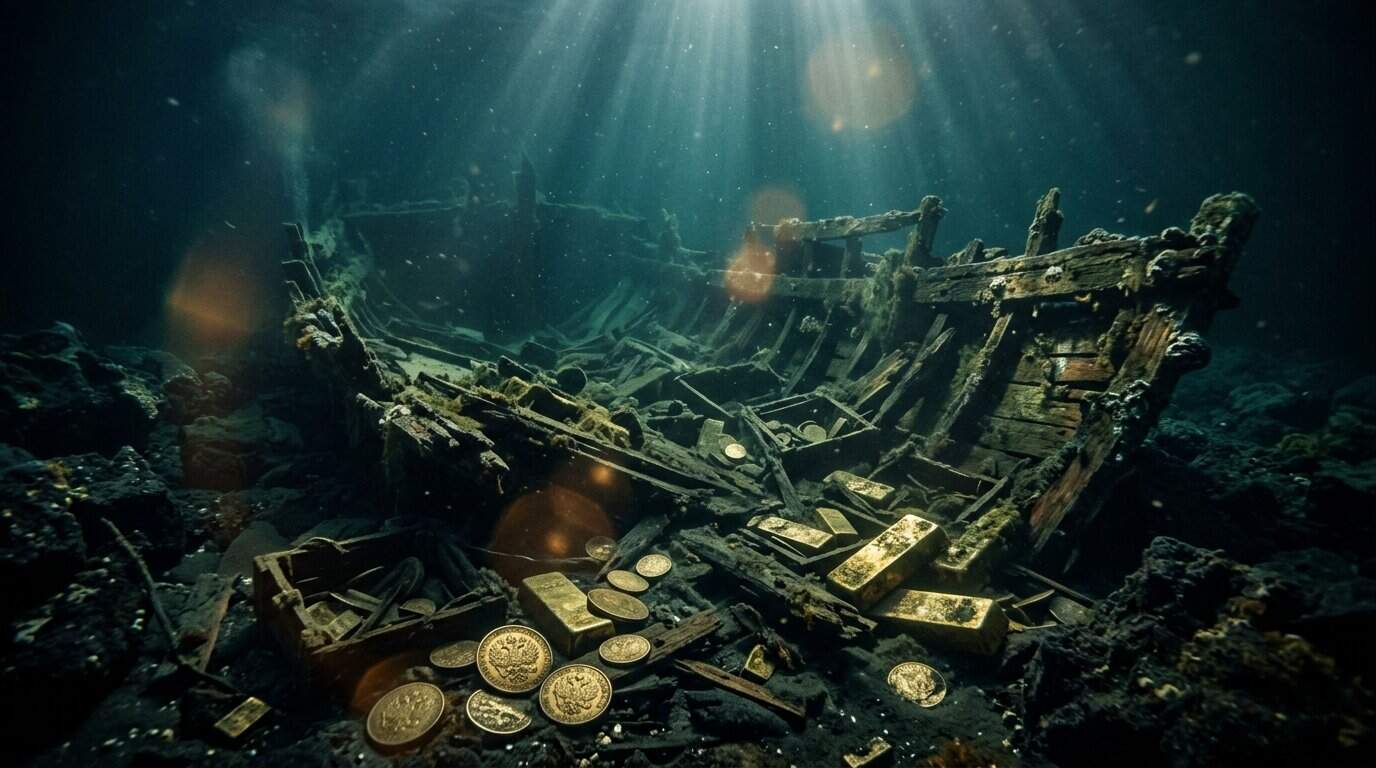
The frozen expanse of the Bering Sea hides more than just natural gold deposits within its shifting sands. Local legends and historical records suggest that during the chaotic collapse of the Russian Empire in the early twentieth century, a fortune in lost Czarist treasures may have vanished beneath these frigid northern waves. As the Bolshevik Revolution upended the old world, rumors swirled of secret maritime shipments intended to secure the future of the Romanov dynasty or fund resistance efforts from abroad. Many believe that at least one of these iron-hulled vessels, weighed down by heavy crates of imperial bullion, met its end in a violent storm before it could reach a safe harbor. This lingering mystery provides a powerful motivation for modern explorers who believe the mother lode is waiting just beyond the next sandbar.
While the crews are often seen chasing seasonal paystreaks, the investigative curiosity regarding these lost shipments adds a layer of high stakes to every dive. Historical accounts from the era describe frantic departures from eastern ports, where officials reportedly loaded gold reserves onto ships bound for the relative safety of North American shores. According to documentation preserved by maritime historians and archival researchers, several of these vessels disappeared from official registries without a trace near the treacherous waters of the Seward Peninsula. The possibility that a single shipwreck could hold more wealth than a lifetime of dredging keeps the spirit of the hunt alive for the fleet. Every time a suction nozzle uncovers a piece of worked metal or an unusual artifact, the dream of finding a czarist fortune feels a little more like reality.
The search for these vanished riches requires a delicate balance of modern technology and old fashioned detective work. Today’s treasure hunters use advanced sonar and GPS mapping to scan the seabed, looking for the telltale silhouettes of sunken hulls that might be buried under decades of silt. While skeptics argue that the harsh environment would have reclaimed any wreckage long ago, the discovery of well preserved artifacts in deep, cold water suggests otherwise. This ongoing pursuit is fueled by a blend of documented history and the persistent hope that the Bering Sea has not yet given up all its secrets. Do you believe these imperial treasures are still waiting to be found in the deep, or has the ocean successfully hidden the czar’s gold forever?
Deep Water Mining And The Reaper Fleet
The 2026 season finds Shawn Pomrenke and the Kelly family pushing their machinery into the deepest, most dangerous waters yet. While the goal is modern wealth, the air in Nome is thick with the legend of lost Czarist treasures and sunken shipments from centuries past. These miners are no longer just chasing dust in the shallows but are using advanced pressure-resistant technology to scan the seabed for massive anomalies. Many locals believe that these deep-water trenches hide more than just natural gold, acting as a final resting place for historical riches lost during the region’s chaotic maritime history. By combining high-tech sonar with old-world grit, the fleet is bridging the gap between modern industry and ancient mystery.
The Reaper fleet faces its most grueling challenge as the harbor begins to freeze, forcing the crews to work against a ticking clock. Every dive into the dark abyss is a gamble against the extreme environmental limits of the Bering Sea. While the search for massive nuggets is the primary focus, the discovery of unexpected metallic signatures keeps the spirit of investigative storytelling alive. Production reports indicate that the 2026 season features some of the most sophisticated diving gear ever seen, allowing the Reaper crew to stay submerged longer in freezing temperatures. These efforts represent a high-stakes hunt where the line between a lucky strike and a historical find becomes increasingly blurred.
As the season reaches its final gasp for gold, the question remains whether the fleet will uncover a fortune that changes history. The combination of historical documentation regarding lost northern shipments and the raw power of modern dredging creates a compelling narrative of discovery. Shawn Pomrenke’s relentless drive to reach the deepest untapped deposits suggests that the greatest secrets of the deep sea are still waiting to be brought to the surface. Whether it is a natural motherlode or a piece of a long-lost maritime fortune, the 2026 season proves that the ocean floor still holds the power to surprise us. Do you think the legendary treasures of the north are hidden in these deep-water trenches, or are they lost to the currents forever?
Scientific Realities Of Cold Water Gold Recovery
The icy depths of the Bering Sea hold more than just loose dust, as they serve as a massive underwater graveyard for history and wealth alike. While modern suction dredges pull gold from the seafloor, the geological reality of these waters involves shifting sands that bury secrets deep beneath the frost. Legends of lost czarist treasures and sunken shipments have long fueled the imaginations of those brave enough to face the sub-zero temperatures. Historical accounts from the era of the Russian Empire suggest that vast fortunes may have vanished into these northern waves during periods of political upheaval. The combination of heavy metal deposits and the potential for undiscovered shipwrecks makes every dive a high-stakes investigation into the unknown.
Recovering these treasures is a technical nightmare that requires more than just luck and a strong stomach. Suction dredging technology must battle against the harbor freezing over and the immense pressure of the deep, often pushing equipment to its absolute breaking point. Scientific data from recent expeditions shows that the gold is often trapped in ancient, submerged riverbeds that are difficult to pinpoint without advanced sonar. These geological traps can hide anything from massive nuggets to the remains of centuries-old maritime vessels lost to the unforgiving ice. The constant movement of the seafloor means that a site rich with gold one day might be completely covered by silt and debris the next.
The hunt for northern riches remains a delicate balance between modern engineering and the pursuit of historical mysteries. Much like the effort to decode the mystery of ancient maps, the search for Bering Sea gold relies on interpreting fragments of the past to find physical wealth. While skeptics might view tales of lost czarist gold as mere folklore, the sheer volume of documented shipwrecks in the region suggests that many secrets are still waiting to be found. Each season brings new technology that allows divers to reach deeper, untapped areas where the shadows of the past might finally come to light. This intersection of maritime history and underwater mining creates a compelling narrative that goes far beyond the simple search for profit. Do you believe the shifting sands of the Bering Sea are still hiding a massive, undocumented fortune from the days of the czars?
Beyond the Gold: Legends of the Bering Sea
The frozen expanse of the Bering Sea remains one of the most captivating frontiers on the planet, blending the grit of modern industrial mining with the haunting echoes of maritime history. While the crews push their equipment to the breaking point to reach untapped deposits, the water holds more than just loose flakes of precious metal. The enduring legend of lost czarist shipments and sunken historical treasures continues to fuel a sense of wonder that transcends mere financial gain. This unique intersection of documented history and high stakes mystery ensures that the allure of the deep never truly fades. Each season brings new technology to the seafloor, but the ocean continues to guard its most profound secrets with a icy grip.
The search for these lost fortunes represents a bridge between the documented past and the speculative future of underwater exploration. With the latest season pushing miners into deeper and more dangerous territory than ever before, the line between a routine mining operation and a historical treasure hunt begins to blur. Researchers and enthusiasts alike point to the vast, unmapped stretches of the northern seabed where currents may have hidden massive shipments of gold for over a century. Even as the harbor freezes over and the fleet retreats for the winter, the questions regarding what lies beneath the silt remain unanswered. The possibility that a single dive could uncover a world changing historical artifact keeps the spirit of discovery alive in the hearts of those who brave the cold.
What do you believe is still hidden beneath the shifting sands and crushing ice of the far north? Some theorists argue that the legendary czarist gold was scattered by powerful currents long ago, while others maintain that an intact fortune is waiting for the right sonar technology to pinpoint its location. The sheer scale of the Bering Sea makes it a perfect hiding place for the secrets of the Beringia and lost maritime shipments alike. We invite you to share your thoughts on whether these historical riches will ever be recovered or if they are destined to remain part of the ocean floor forever. Join the conversation and let us know if you think the next big discovery will be a natural nugget or a piece of forgotten history, perhaps even rivaling the haunted waters of the southern coast. Much like the mystery deep beneath the waves in other parts of the world, the Arctic continues to challenge our understanding of what lies hidden on the seabed.
Frequently Asked Questions
1. Where exactly is the gold found in the Bering Sea?
The gold is located on the seafloor near Nome, Alaska, tucked away in the ancient sands and rocky crevices of the ocean bed. Miners use specialized dredging equipment to vacuum up material from the freezing depths, hoping to catch the heavy yellow metal before it washes away.
2. Is it true that Russian treasures are hidden in these waters?
Historical legends suggest that during the Bolshevik Revolution, ships carrying imperial bullion may have sunk during violent Arctic storms. These stories of lost Czarist gold provide a constant source of inspiration for modern explorers who believe a massive fortune still waits to be discovered.
3. How deep do the miners go to find the gold?
Current expeditions are pushing into the deepest untapped deposits ever recorded, testing the limits of human endurance. Divers must brave extreme pressure and sub-zero temperatures to reach these untouched pockets of wealth located far beneath the churning waves.
4. What makes the Bering Sea so dangerous for treasure hunters?
The environment is incredibly unforgiving, featuring shifting tides, massive storms, and water temperatures that can cause instant hypothermia. Miners have a very limited window to work before the Arctic winter arrives and seals the entire harbor shut with a thick layer of ice.
5. Can anyone go to Alaska and start mining for gold?
While the allure of a lucky strike is strong, mining in these waters requires heavy machinery, specialized diving skills, and legal permits. It is a high-stakes gamble where the cost of equipment and fuel often rivals the value of the gold recovered from the seabed.
6. Why does gold still exist in the Bering Sea after years of mining?
The sea is a dynamic environment where shifting currents and geological forces constantly move material around the ocean floor. Many experts believe these waters hide a geological fortune that defies standard scientific expectations, ensuring that new secrets are uncovered every season. This obsession with finding hidden wealth mirrors the multi-generational effort seen in history’s greatest treasure hunt where the search for answers never truly ends. Fans of the long-running series bering sea gold know that the struggle against the elements is just as intense as the search for the gold itself.