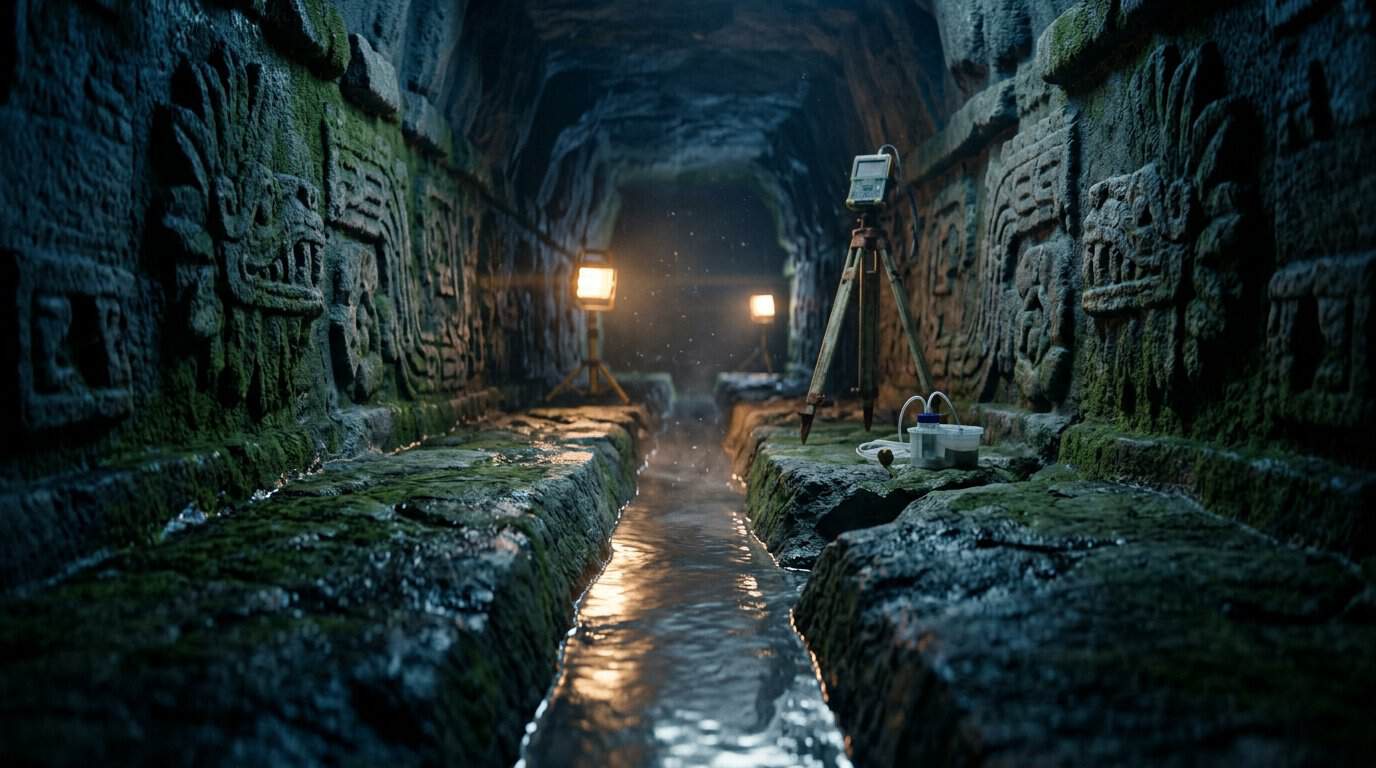
The Silver River Beneath The Pyramid Of The Feathered Serpent
Deep beneath the ancient city of Teotihuacan, a long-forgotten secret waited in the darkness for nearly two thousand years. In 2015, archaeologists exploring a hidden tunnel made a discovery that defied explanation: a shimmering pool of Teotihuacan liquid mercury resting at the end of a sealed corridor. This toxic, silver substance was found 60 feet below the Pyramid of the Feathered Serpent, sparking a wave of questions about why a prehistoric civilization would possess such a rare material.
The discovery has changed how researchers view the mysterious people who once walked these stone streets. Some believe the liquid metal was meant to represent a shimmering underworld river, creating a symbolic gateway between the living and the dead. As experts sift through the artifacts found alongside this metallic pool, they are forced to consider if the leaders of this ancient city possessed scientific knowledge far beyond what was previously imagined.
Key Takeaways
- The discovery of liquid mercury 60 feet beneath the Pyramid of the Feathered Serpent reveals that the Teotihuacan civilization possessed advanced chemical knowledge to extract silver metal from cinnabar ore.
- Archaeologists believe the underground tunnel was designed as a miniature map of the cosmos, using shimmering pyrite ceilings and reflective mercury pools to represent a sacred river in the underworld.
- The presence of rare toxic metals alongside thousands of high-value offerings, such as jade statues and jaguar remains, strongly suggests the site served as a ritual gateway or a hidden funerary chamber for the city’s lost royalty.
- The intentional sealing of this 330-foot subterranean passage for 1,800 years preserved a sophisticated spiritual landscape that bridges the gap between ancient Mesoamerican science and religious mythology.
A Secret Tunnel Under The Temple Of Quetzalcoatl
The discovery began in 2003 when a heavy rainstorm opened a mysterious sinkhole near the base of the Pyramid of the Feathered Serpent. Archaeologist Sergio Gómez Chávez was lowered by rope into the dark void, where he realized he had stumbled upon a man-made tunnel that had been intentionally sealed for 1,800 years. This accidental find launched a grueling excavation process that required nearly a decade of careful work to clear tons of debris and soil. As the team moved deeper into the 330 foot passage, they realized the tunnel was designed to represent a miniature version of the underworld. The walls were even dusted with powdered minerals to make them shimmer like the night sky when illuminated by torches.
Deep beneath the earth, roughly 60 feet below the surface, the excavation team reached a series of three hidden chambers that held a breathtaking secret. Within these rooms, researchers discovered pools of liquid mercury shimmering in the darkness. This find was unprecedented for Mesoamerican archaeology and suggested a level of advanced chemical knowledge that continues to baffle experts today. The toxic metal may have been used to symbolize a ritualistic river or lake of the underworld, reflecting the spiritual beliefs of the Teotihuacan people. Because mercury is so difficult to mine and process, its presence indicates that this space was reserved for the highest level of ritual or perhaps the final resting place of a lost king.
The sheer effort required to transport and store such a dangerous substance highlights the immense importance of this underground sanctuary. Along with the liquid mercury, archaeologists uncovered thousands of extraordinary artifacts, including jade statues, obsidian blades, and carved seashells. These treasures suggest that the tunnel was more than just a passage, serving instead as a bridge between the physical world and the divine. While the search for a royal tomb continues, the discovery of the mercury pools has already fundamentally changed how we view the scientific and ritualistic sophistication of this ancient civilization. What do you think the architects of Teotihuacan were trying to communicate by placing a silver river beneath their grandest temple?
The Cosmic Map Of Liquid Mercury And Pyrite
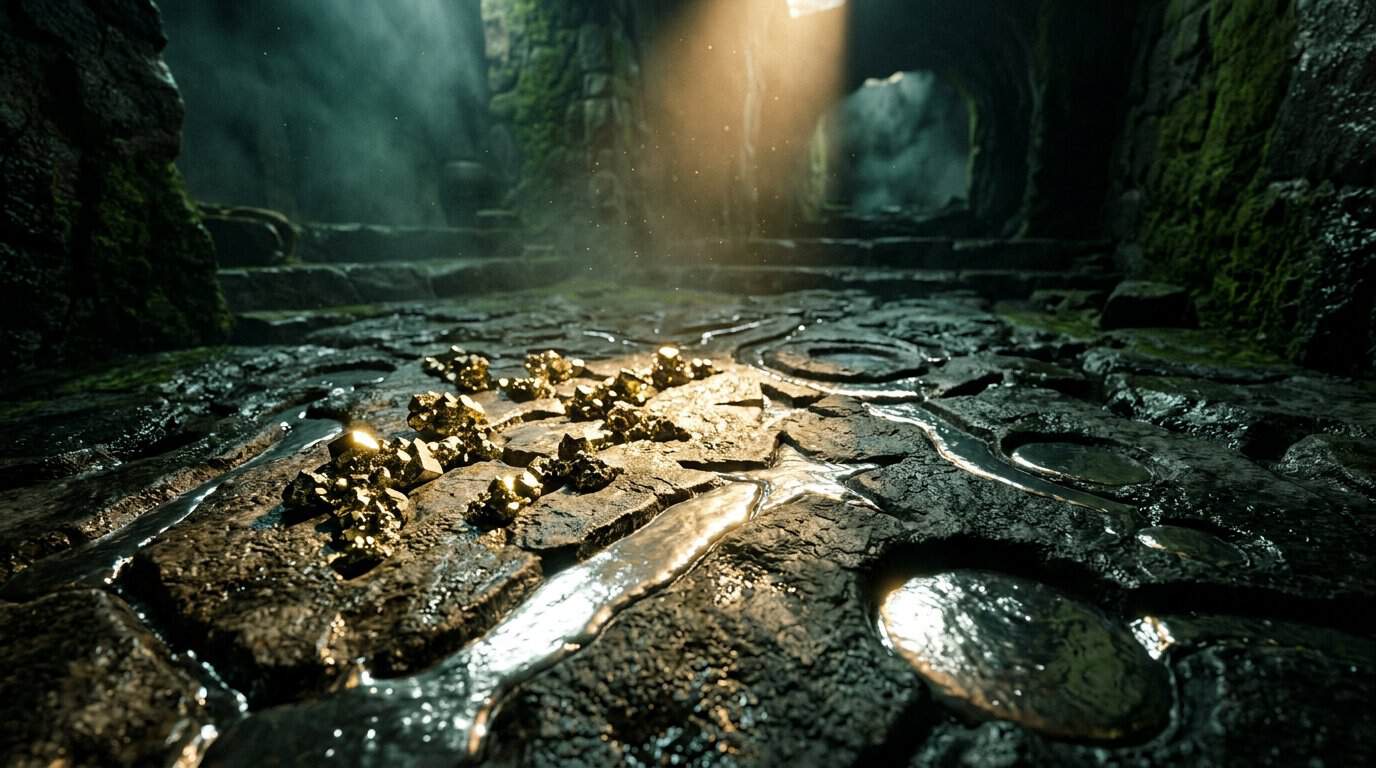
Deep beneath the Pyramid of the Feathered Serpent, archaeologist Sergio Gómez Chávez uncovered a scene that looked more like a celestial map than a burial chamber. The ancient builders had meticulously coated the pyrite ceilings and walls of the tunnel with crushed pyrite, a shimmering mineral often called fool’s gold. When a torch was brought into the darkness, the golden flecks caught the light, creating the illusion of standing in the middle of a vast, twinkling galaxy. This intentional design suggests that the tunnel was meant to represent a space between worlds, where the physical earth met the infinite stars.
At the end of this shimmering corridor, the discovery of liquid mercury added a chilling and beautiful layer to the mystery. Because mercury is a liquid metal that reflects everything around it, it likely served as a symbolic river or lake representing the underworld. By pooling this rare and toxic substance on the floor, the Teotihuacanos created a mirror that reflected the pyrite stars from above. This clever use of chemistry and artistry allowed priests or rulers to literally walk over a reflection of the cosmos, blurring the lines between the heavens and the subterranean depths.
The presence of mercury is particularly impressive because it does not occur naturally in a liquid state and is difficult to extract from ore. This suggests that the people of Teotihuacan possessed advanced knowledge of chemical heating processes to produce the silver liquid for their rituals. Much like ancient technology found in other parts of the world, this discovery forces us to rethink the timeline of human innovation. By combining the golden glow of pyrite with the flowing silver of mercury, they built a permanent, indoor universe that remained sealed for eighteen centuries. What do you think the purpose of this liquid mirror was, and does it change how you view the scientific skills of ancient civilizations?
Sacred Offerings Surrounding The Mercury Pools
Archaeologist Sergio Gómez Chávez and his team uncovered a breathtaking collection of treasures that suggest the tunnel was a symbolic representation of the underworld. Surrounding the shimmering pools of mercury, researchers found an array of sacred offerings, including beautifully carved jade statues and the skeletal remains of powerful jaguars. These items were not placed randomly but seem to have been part of a complex ritual designed to honor the gods or mark the resting place of a great ruler. The presence of such diverse and high value materials indicates that this hidden chamber was one of the most important spiritual sites in all of Teotihuacan.
Among the most puzzling objects found within the damp soil were hundreds of mysterious yellow spheres known as clay orbs. These hand molded balls range from one to five inches in diameter and are covered in a yellow material called jarosite, which is formed through the oxidation of pyrite. When the tunnel was first used nearly two thousand years ago, these spheres would have glittered like gold in the torchlight, adding to the supernatural atmosphere of the space. While their exact purpose remains a mystery, many experts believe they were used in ceremonies to represent celestial bodies or pockets of divine energy.
The sheer volume of artifacts found alongside the toxic metal suggests that the people of Teotihuacan possessed a sophisticated understanding of both chemistry and symbolic art. In addition to the organic remains and clay orbs, excavators discovered finely crafted pottery, obsidian blades, and even preserved wooden objects that survived the centuries. This subterranean landscape was clearly intended to mirror the cosmos, with the mercury acting as a reflective river and the artifacts serving as eternal gifts. Such a discovery invites us to wonder if we have only scratched the surface of the advanced engineering held by this ancient civilization.
Royal Tombs And The Search For Teotihuacan Rulers
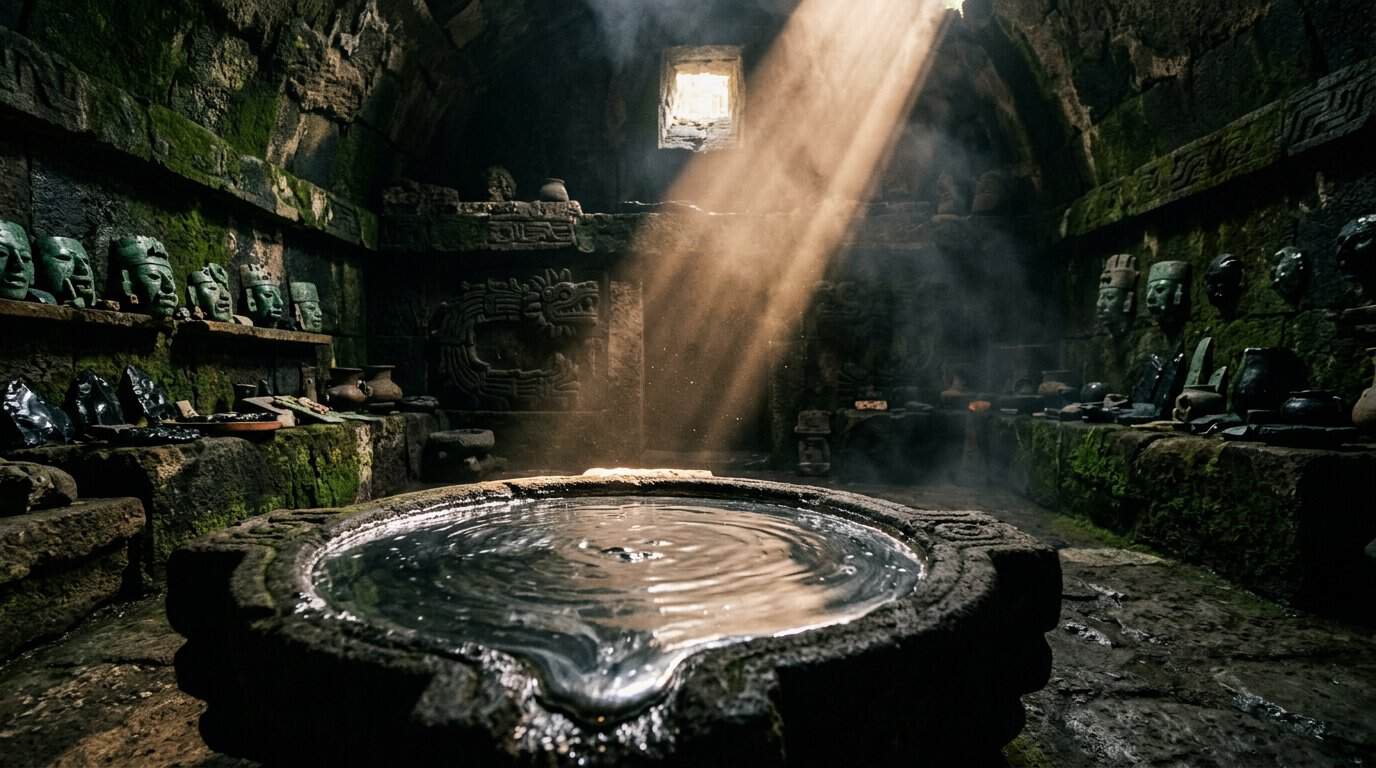
Beneath the heavy stone foundations of the Pyramid of the Feathered Serpent, archaeologist Sergio Gómez Chávez uncovered a scene that felt more like a cinematic legend than a standard excavation. After years of clearing debris from a 330 foot tunnel, his team discovered shimmering pools of liquid mercury gathered in the darkness of the deepest chambers. This rare, toxic metal was not native to the region, meaning the ancient people of Teotihuacan had to process it from cinnabar ore through an advanced understanding of chemistry. The presence of such a mesmerizing substance suggests it was used to create a miniature landscape, perhaps representing a subterranean river or a mystical lake of the underworld.
Researchers believe this metallic river served as a symbolic boundary between the world of the living and the eternal resting place of the citys elite. Because mercury is highly reflective and flows with an eerie, lifelike quality, it likely acted as a mirror to the cosmos during sacred rituals. Sergio Gómez has proposed that these chambers were designed to house the remains of the long lost rulers of Teotihuacan, who have remained hidden from history for nearly two millennia. The mercury may have been the final gateway, a shimmering barrier meant to protect the powerful spirits of the royalty buried just beyond the reach of the modern world.
While no royal bodies have been confirmed yet, the discovery of thousands of extraordinary artifacts alongside the mercury points to a high stakes funerary site. Excavators found beautifully carved jade statues, jaguar bones, and even rubber balls, all meticulously placed as offerings within the tunnel. This incredible wealth of objects suggests that the liquid metal was part of a grander architectural puzzle designed to honor the divine authority of the citys leaders. As the search continues, the question remains whether this ancient engineering was a trap for intruders or a sacred path for the soul. Do you think the mercury was meant as a protective seal, or was it a symbolic map to guide the dead into the afterlife?
The Shimmering Gateway to the Teotihuacan Underworld
The discovery of liquid mercury deep beneath the Pyramid of the Feathered Serpent serves as a stunning bridge between ancient chemical mastery and spiritual mythology. By meticulously crafting a miniature landscape of shimmering metal, the people of Teotihuacan may have been attempting to recreate a sacred underworld right beneath their feet. This reflective pool likely represented a celestial river or a gateway to the divine, showing that their understanding of the natural world was inseparable from their religious convictions. Such a find challenges us to reconsider the technological limits of Mesoamerican civilizations, as handling and concentrating this toxic substance required sophisticated knowledge.
The sealed tunnel, hidden for nearly two thousand years, reminds us that our understanding of history is often just one discovery away from a major shift. While the mercury points toward the possible presence of a royal tomb or a high-ranking ritual space, much of the city’s political structure remains a mystery. Archaeologists continue to sift through the darkness of these subterranean chambers, hoping to find the final pieces of a puzzle that has puzzled scholars for decades. Much like the secrets of the Lady of Dai, the shimmering liquid remains a silent witness to a culture that viewed the earth as a living, breathing map of the cosmos.
What do you think was the true purpose of this metallic river hidden so far underground? It is fascinating to imagine the sight of torchlight reflecting off a silver pool in a place meant to remain secret forever. Some believe it was a symbol of status, while others see it as a complex tool for ritual divination. Much like the debate surrounding the Baghdad Battery, we invite you to share your thoughts on whether this was a feat of early science or a purely spiritual endeavor. Your perspective helps keep the conversation alive as we wait for the next great secret of Teotihuacan to be revealed.
Frequently Asked Questions
1. Where exactly was the liquid mercury found in Teotihuacan?
Archaeologists discovered the shimmering pools at the end of a long, hidden tunnel located sixty feet beneath the Pyramid of the Feathered Serpent. This secret passage had been sealed for nearly two thousand years before a heavy rainstorm accidentally revealed its entrance in 2003.
2. How did the ancient people of Teotihuacan obtain liquid mercury?
The process likely involved heating cinnabar, a bright red ore found in volcanic regions, to release the silver metal in vapor form before cooling it back into a liquid. This difficult task required a deep understanding of chemistry and heat, suggesting these ancient builders were much more scientifically advanced than previously thought.
3. Why would an ancient civilization put mercury under a pyramid?
Many researchers believe the liquid metal was used to create a miniature model of the underworld, featuring a shimmering river that mirrored the stars. This sacred landscape may have served as a symbolic gateway where the spirits of powerful rulers could travel between the world of the living and the realm of the dead.
4. Is the mercury found at the site dangerous today?
Mercury is a highly toxic substance that can cause serious health issues if touched or inhaled, making the excavation process extremely risky for the team. Sergio Gómez Chávez and his fellow researchers had to wear specialized protective gear and use advanced ventilation systems to stay safe while working in the deep chambers.
5. What else was discovered alongside the liquid mercury?
The tunnel was a treasure trove of ancient artifacts, including detailed jade statues, jaguar bones, and thousands of mysterious clay spheres covered in yellow minerals. These items were likely offerings left behind during sacred ceremonies to honor the gods and the powerful figures buried within the city.
6. Does the discovery prove there are royal tombs nearby?
While a primary royal burial has not been found yet, the presence of such a rare and expensive material suggests that something of immense importance is located at the end of the tunnel. The search continues as experts use radar and robots to peer into the remaining hidden spaces in hopes of finding the lost kings of Teotihuacan.