Ahool Sightings: Inside the Legend of Java’s Giant Flying Creature
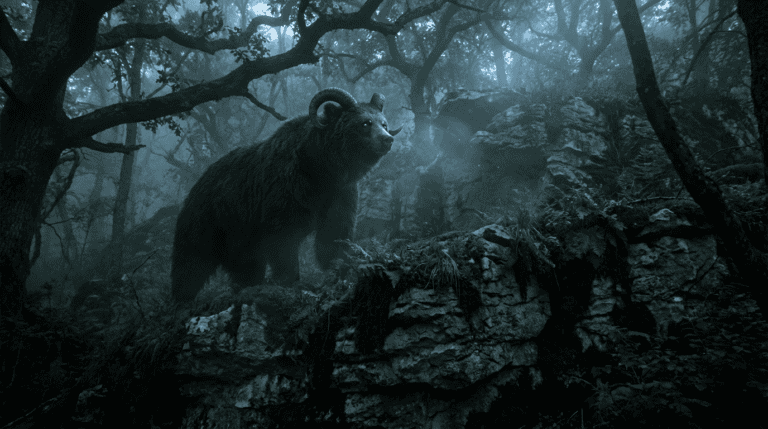
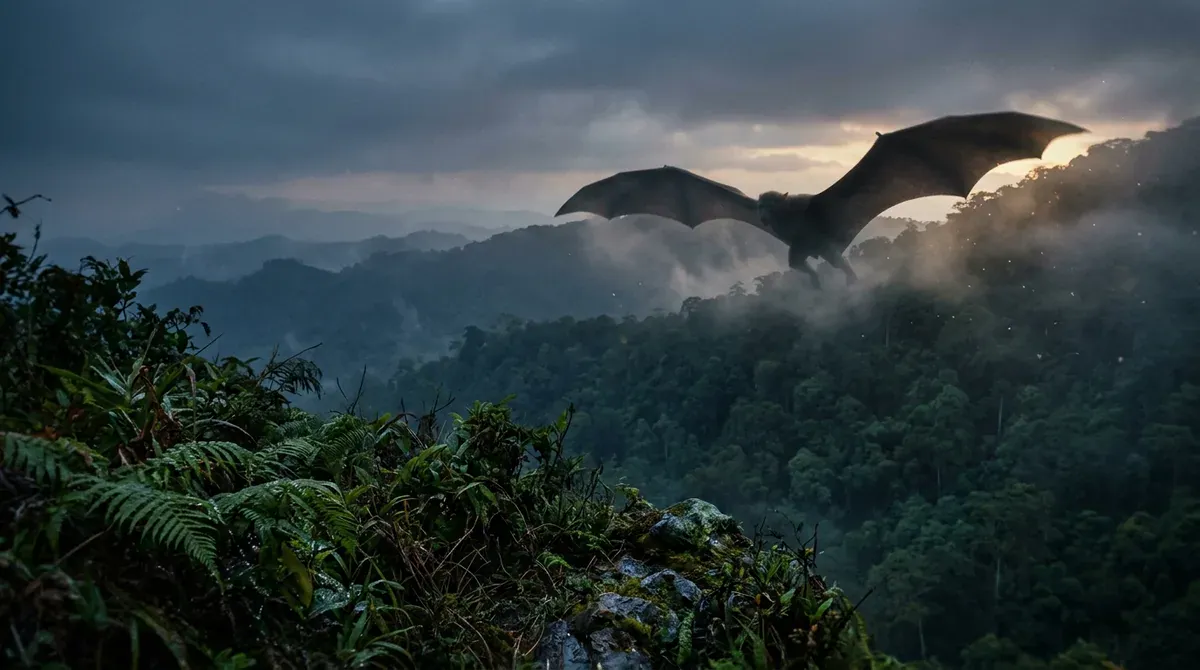
Ahool sightings describe a giant, bat-like creature said to live in the mountains of western Java, one named for the call witnesses claim to have heard in the forest. Witnesses of these sightings describe wingspans of 11 to 12 feet, more than twice the width of the large flying fox, a real bat that also lives on the island and spreads roughly 1.3 to 1.5 metres from wingtip to wingtip. Local tradition treats the creature as part of the mountain itself, a quiet presence that belongs to the slopes and the dark forest above them.
The best-known accounts trace back to naturalist Ernst Bartels, who is said to have watched a large flying animal near a waterfall on Mount Salak in 1925, and who later heard the Ahool’s call near Cijengkol in 1927. Those two stories remain the anchor of the legend, and they are the best place to start weighing what people really saw and heard. In the sections that follow, we trace the trail from those first reports to the scientists, writers and forest conditions that shape how the Ahool is understood today.
Key Takeaways
- Poor dusk light can make a bird of prey look far larger than it really is.
- Forest clearing on Mount Salak’s slopes can leave large wild animals with fewer roosting trees.
- The sources behind the legend contain no firsthand report from Mount Salak after 1927.
- Ivan T. Sanderson is the figure most often linked to the idea that the Ahool could be a surviving pterosaur.
- The large flying fox, a real bat living on Java, is the strongest natural candidate for the Ahool.
Where Does the Ahool Live on Java?
The Ahool is a giant, bat-like creature tied to the mountains of western Java, and it takes its name from the call witnesses say they heard in the forest. Cryptozoological references place it on the highland slopes, where dense trees and drifting mist make it easy to imagine something large moving unseen overhead.
Much of the legend centers on Mount Salak, a volcano in western Java. Its forests, streams and waterfalls create the kind of place where sound carries strangely and shadows gather early. Anyone picturing the setting can imagine a steep green landscape where a trail may disappear into fog within minutes.
Local tradition does not treat the Ahool as an outsider that wandered in from somewhere else. In many retellings, the creature belongs to the mountain itself, part of the same quiet life as the slopes, the water and the trees. Some accounts also use the name Aul, a related local name that ties the creature to the mountain’s older stories.
That bond between creature and mountain explains why the Ahool often feels less like a monster to be hunted and more like a presence that keeps to the high forest. Stories of this kind usually place the creature in the background of daily life, something felt in the dusk and heard in the night rather than seen in the open.
For the witnesses who first told these stories, the mountain was never just scenery. It was a place with its own voices, and the Ahool was one of them.
What Did Dr. Bartels See by the Waterfall in 1925?
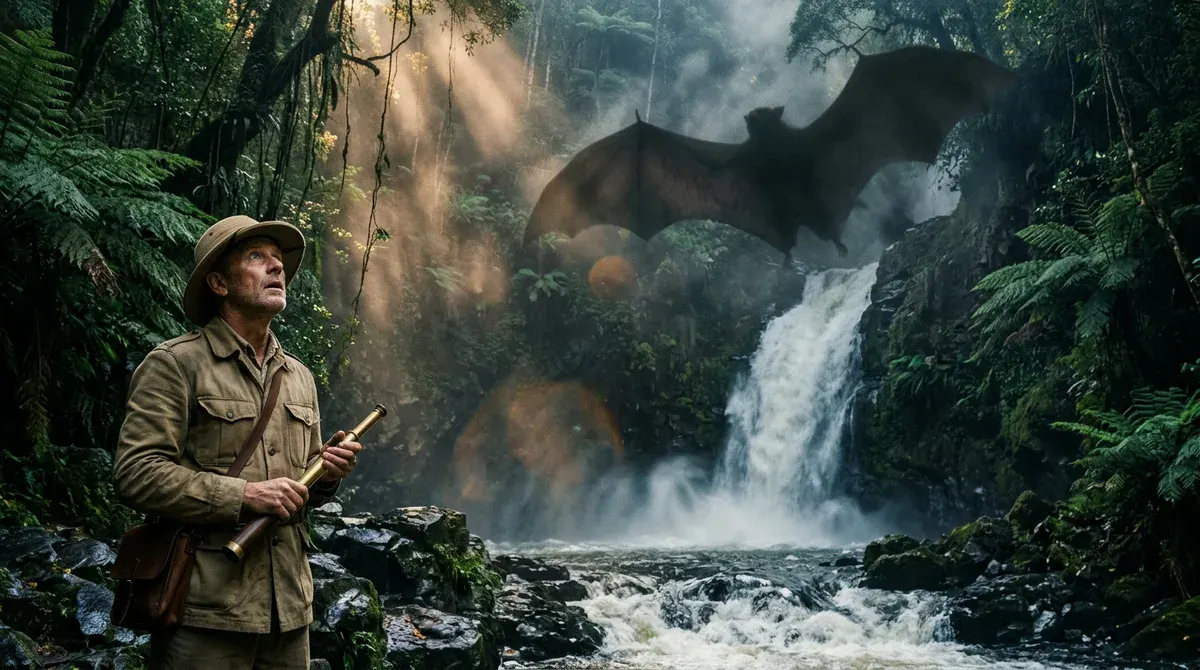
Naturalist Ernst Bartels is said to have watched a large flying animal near a waterfall on Mount Salak in 1925. The account describes a giant, bat-like creature with a reported wingspan of about 11 to 12 feet.
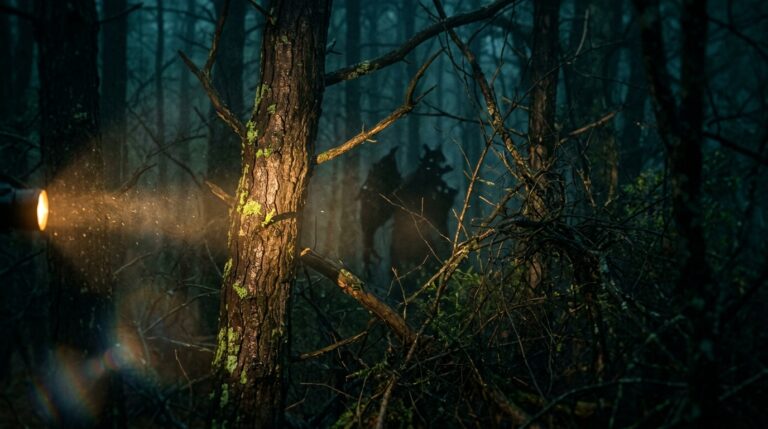
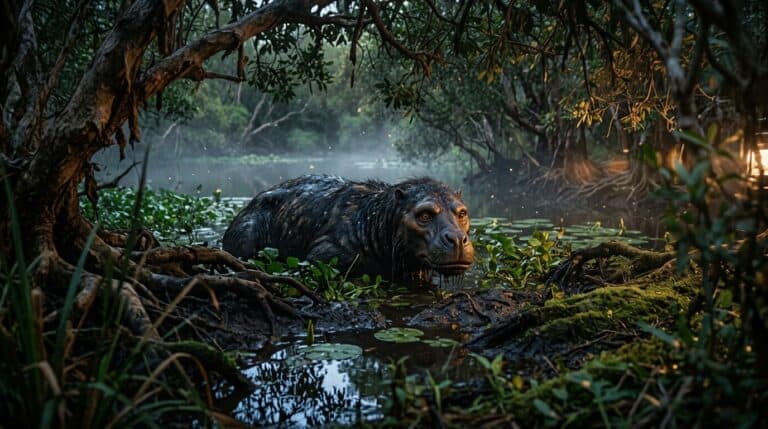
The setting gives the story much of its atmosphere. Waterfalls on the slopes of Mount Salak throw up a constant spray, and mist hangs in the trees around the falls. In that soft, shifting light, a dark shape crossing the open air above the water could easily look larger than it really was, and the forest beneath it offers plenty of places for a creature to disappear.
The account is a sighting, not a capture. Bartels’ story survives in writing rather than in a preserved animal. A reference work that records the legend traces its sources to a 1966 article by Bartels and Ivan T. Sanderson, and to a 1994 article by Karl Shuker, which is how the tale reached later readers.
The physical picture centers on shape and size. Witnesses pictured bat-like wings spread wide over the water, far broader than any bat most observers would expect to see on Java. The emphasis on size is what sets the Ahool apart from ordinary sightings of wildlife.
A separate report from 1927 moves the story from the waterfall to the night. It describes a call heard near Cijengkol, the sound that gave the creature its name. The two reports together show how the legend grew from something seen to something heard.
What the 1925 account offers is a trained observer’s description of a large flying shape in misty, failing light. Whether Bartels saw an unknown animal, a familiar creature glimpsed at a distance, or a memory shaped by the stories around him is still open. Standing at that waterfall, with spray in the air and the trees going dark, the question is whether the sighting was a shadow of a mountain legend or an early look at something still hidden in the forest.
The 1927 Night Call Echoes Through the Forest
Two years after the waterfall sighting, the story shifted from something seen to something heard. In 1927, witnesses reported a night call near Cijengkol, and that cry became the sound that gave the creature its name. A reference work records the 1927 account, which is why the call remains a central part of the legend.
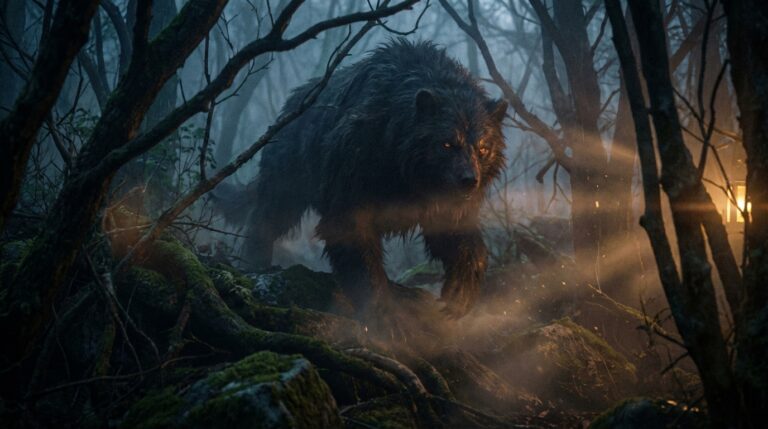
Why would a call become a creature’s name? In the forests of western Java, a sound at night can travel far, bouncing between trunks and rolling down the slopes, so a listener may never be sure where it began. The name Ahool comes from that reported call, which means the creature was known first as a voice before anyone agreed on what it looked like.
Sound in the dark is both vivid and slippery. A listener can remember the rise and fall of a cry with real clarity, yet struggle to judge how far away it was or whether it came from the canopy or the ground. Rainforest nights are crowded with insects, wings, distant water and branches creaking, and the mind tends to sort these into patterns it already expects.
The large flying fox offers a useful natural comparison. It is a real bat that roosts in trees and flies quietly, so a bat passing overhead at night may leave almost no trace in the air. That quiet flight makes it hard to say whether a call heard in the dark came from a bat, a bird, or something the forest keeps to itself.
Could the Ahool Be a Surviving Pterosaur?
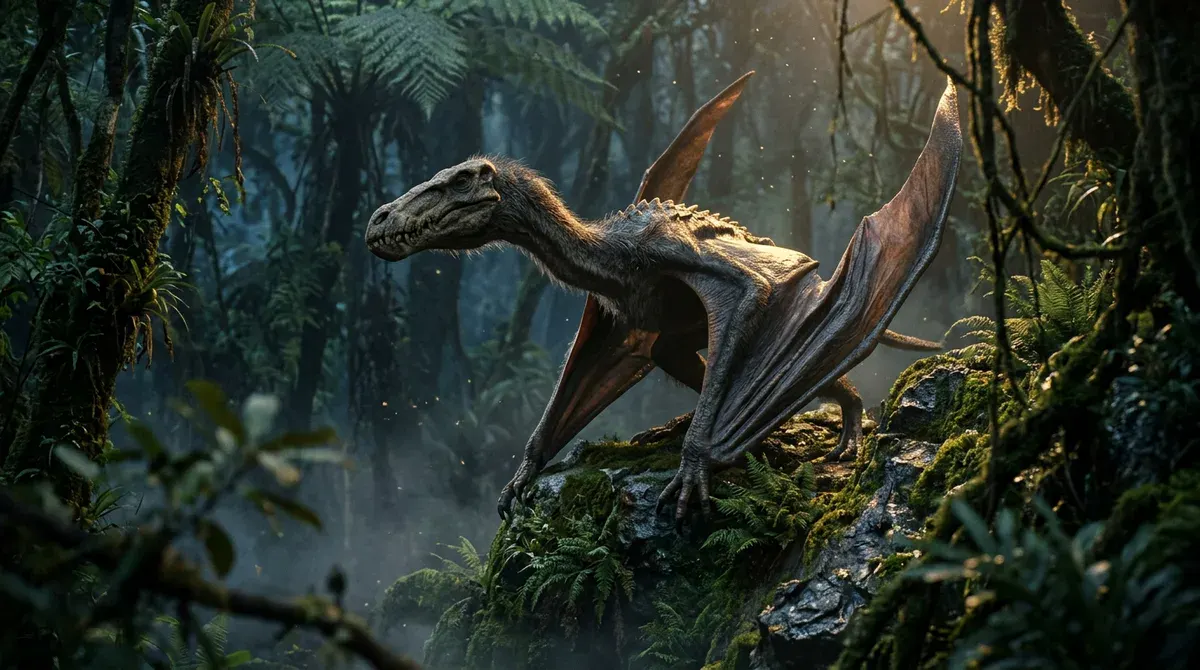
Some cryptozoologists think the Ahool could be a pterosaur, a flying reptile from the age of dinosaurs that may have survived in remote mountains. It is the boldest explanation on the table, and it would move the legend far from ordinary bats.
The appeal is easy to understand. Scientists have long known that pterosaurs vanished at the end of the age of dinosaurs, yet the natural world has offered surprises before, such as a fish long believed extinct that turned up alive. A large, leathery-winged shape gliding over a mountain forest could look like a living fossil to a witness who had never seen a pterosaur drawing. Pterosaur wings were also built differently from a bat’s, with a membrane stretched along one long finger, which gives believers a detail to argue about.
Ivan T. Sanderson, a naturalist and writer who spent years chasing reports of unknown animals, is the figure most often linked to this idea. He drew comparisons with the Kongamato, a winged creature said to be seen in central Africa, and he treated similar flying reports from different regions as possible echoes of the same story. His thinking gave the Ahool a place in a wider conversation about surviving prehistoric animals.
The research trail begins with a 1966 article by Bartels and Ivan T. Sanderson, the earliest source in the chain that a reference work follows. Readers who want the original argument will find the Ahool discussed in a setting shaped by the writers of that era. Karl Shuker returned to the creature in a 1994 article, and that later discussion helped keep the Ahool in print among readers of unexplained animals.
Could a pterosaur hide in a Javanese forest for ages unseen? A wing shape seen through mist at dusk might be enough to start that thought, but not enough to finish it.
Which Animals Could Explain the Sightings?
The strongest natural candidate is the large flying fox, Pteropus vampyrus, a real bat that lives on Java. Its wingspan of about 1.3 to 1.5 metres is far smaller than the 11 to 12 feet that Ahool witnesses describe, and that gap is the first thing any careful observer would need to explain.
The bat’s habits show how a mistake could happen. Large flying foxes roost in trees, so they are most likely to appear against the canopy at dusk, when the light is poor and the forest is hard to read. Their flight is quiet, which means a broad dark shape crossing a clearing can pass without a sound to warn anyone below. A witness looking up through mist, with no scale to compare against, could easily judge the wings to be much wider than they really are.
The species’ conservation record adds an unexpected twist. The IUCN Red List’s 2022 status-change table shows the large flying fox moving from Near Threatened in 2021 to Endangered in 2022. The table codes the reason as a non-genuine status change.
The call that gave the creature its name may have a different source altogether. The Javan wood owl is a real owl of the island’s forests, and its calls are loud enough to carry far through trees at night. A cry rising and falling somewhere up the slope could easily be an owl, even when a listener is sure it came from something much larger.
None of these animals fits every detail of the legend. The bat explains the shape but not the size, and the owl explains the sound but not the wings. Still, a forest that holds a real giant bat and a loud night bird gives the Ahool plenty of ordinary material to borrow from.
Eyewitness Memory and the Forest Dusk
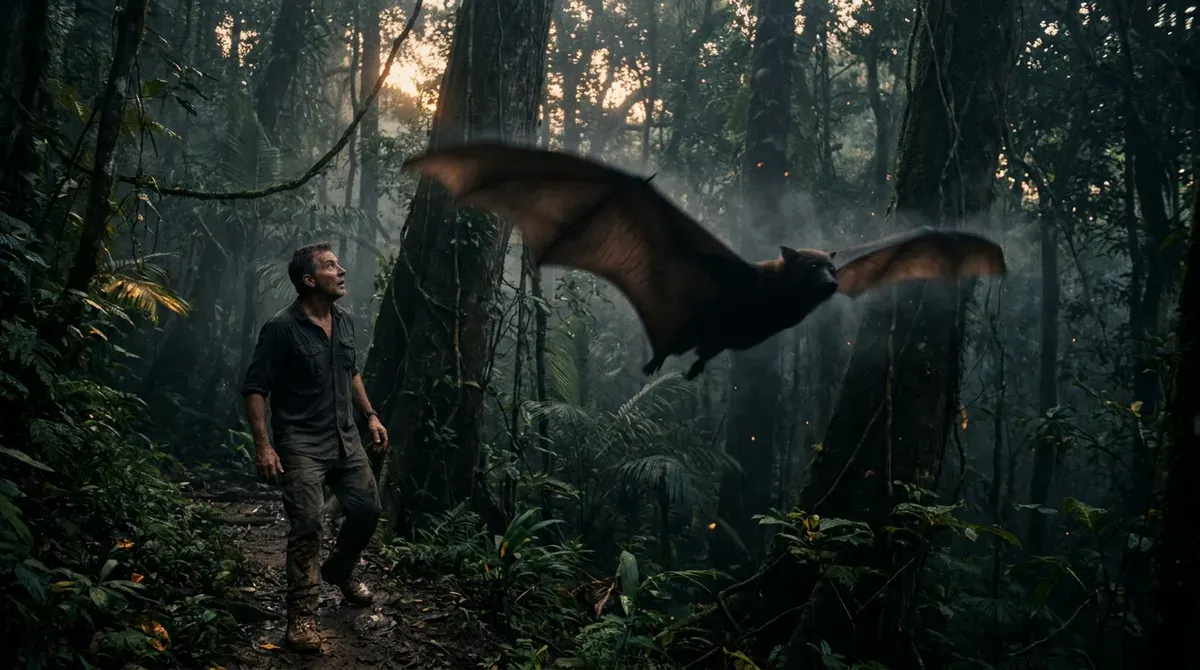
Dusk is the hardest hour for the eye. As the light fades across the slopes of Mount Salak, colors drain away and outlines blur, so a hawk riding a rising current or a flock of swifts can look far larger than it is. Mountain mist bends the light and makes distances hard to judge, and a witness standing alone on a trail has nothing nearby to measure a shape against.
The most common mistake is misidentification. A large bat, a bird of prey catching the wind, or a drifting cloud crossing a gap in the canopy can all leave the same dark silhouette against a pale sky. Sound is even harder to pin down. A night bird’s cry can seem to come from the treetops one moment and from the ravine the next.
Memory then starts shaping the story. Each time an experience is retold, small details tend to settle into place. A shape becomes a wingspan, and a cry becomes a name. The teller may honestly believe the sharpened picture, and listeners who already know the legend may fill gaps without noticing.
Sincere people can still be wrong, and an honest memory can carry a mistake for years. A real animal can be glimpsed badly in poor light, so the useful question is which parts of an account the forest could easily produce and which parts it could not.
Why Ahool Sightings Have Faded From View
Mount Salak has changed a great deal since the 1920s. Across western Java, forest on the lower and middle slopes has been cleared for farms, villages and roads. A mountain that once offered long stretches of unbroken trees now holds more fields, paths and clearings. For a large, wary animal, that kind of change can mean fewer roosting trees, fewer quiet valleys and less cover when it needs to move.
The sources reviewed for this article follow a different trail. The 1925 waterfall sighting and the 1927 night call remain the anchor of the legend, and the writings by Bartels, Sanderson and Shuker keep returning to those same two accounts. No later firsthand report from the mountain appears among them, so the Ahool’s story today is mostly a story about the past.
Shrinking forest may affect the reports as much as the animals themselves. Fewer trees mean fewer people walking deep into the slopes, and fewer evenings spent listening in the dark for a cry from the canopy. A witness who never reaches the high forest cannot describe a shape crossing a gap in the trees. Over time, a legend with few new voices tends to settle into its old retellings, repeated from book to book.
Weighing the Ahool Evidence for Yourself
Start with the simplest test. Choose one account, such as the 1925 waterfall sighting, and write down every detail the witness gave: the light, the distance, the shape, and whether anything nearby offered a size to compare against. Then do the same for the 1927 night call. The gaps on that list show where the legend asks for more trust than the account can support.
Next, set the account beside the natural candidates. Look up the large flying fox and listen to recordings of the Javan wood owl, paying attention to how far a call seems to carry through trees at night. Ask whether a roosting bat or a calling owl could produce the same picture or sound, and what would still be left unexplained if one of them could.
Then widen the search. Read the 1966 article and the 1994 article that carry the legend forward, and check whether either adds a firsthand report from Mount Salak after 1927. If none appears, that silence is worth weighing alongside the old accounts.
Finally, talk it through. Share your list with someone who has spent time in tropical forest at dusk and ask what they would have seen. Does the Ahool still feel like a voice from the mountain, or has the forest given you a more ordinary answer? Tell us in the comments what evidence would convince you either way.
Frequently Asked Questions
1. Has any physical specimen of the Ahool ever been collected or studied?
No physical specimen of the Ahool is documented in the sources behind the legend, so no skin, bones or feathers have reached scientists for study. Every key account rests on a sighting or a call, which leaves the creature’s body unexamined. Researchers would need a captured or found animal before any formal study could begin.
2. Are there any Ahool reports from outside western Java?
The Ahool is tied to the mountains of western Java, especially the slopes of Mount Salak and the area near Cijengkol. Ivan T. Sanderson linked the Ahool to flying reports from other regions, including the Kongamato in central Africa, but the Kongamato is a separate creature. Anyone searching for Ahool-style reports elsewhere will mostly find similar winged cryptids rather than the Ahool itself.
3. What should someone do if they hear an unusual night call in the Javan mountains?
Note the time, the direction the sound seemed to come from, how long it lasted, and whether it rose or fell in pitch. If possible, record it on a phone, since a recording can later be compared with the calls of owls and other forest birds. Stay on marked trails, avoid steep ravines after dark, and tell someone where you are going before you head out.
4. How does the Ahool compare with the Kongamato?
Both are described as large flying creatures, and Sanderson treated them as possible echoes of a wider story about surviving prehistoric animals. The Kongamato is linked with central Africa, while the Ahool is tied to the mountains of western Java and to the call that gave it its name. The two cryptids differ most in place and in the kind of evidence that surrounds them.
5. How do scientists track bat populations in western Java today?
Researchers who study bats in western Java often survey known roosting trees at dusk and count the animals that leave them. Field teams may also use fine nets to catch bats, identify the species, and release them unharmed. Their findings feed into conservation assessments such as the IUCN Red List, which ranks how threatened each species is.