The Haunted Peaks Of Australia’s Black Mountain
Deep in the shadows of the Pisgah National Forest and nestled within rugged peaks, a series of strange events has left experts and locals searching for answers. The black mountain mysteries span across the country, connecting a century of unexplained disappearances in North Carolina to ancient, silent ruins in the American West. From hikers who vanish without a trace to stone structures that seem to defy history, these sites hold secrets that challenge our understanding of the natural world.
The stories began to surface in 1922 when the first documented traveler disappeared, leaving behind only neatly stacked gear and a lingering sense of unease. Since then, dozens of people have stepped into these woods and never returned, fueling theories that range from geological anomalies to something far more elusive. Investigating these patterns requires a careful look at historical records and a willingness to explore the thin line between documented fact and the truly unknown.
Key Takeaways
- Black Mountain sites in Australia and North America share a century-long history of unexplained disappearances characterized by missing remains and neatly abandoned gear.
- Powerful magnetic anomalies within the granite and volcanic rock formations frequently disable electronic navigation tools, GPS units, and compasses, causing extreme disorientation for travelers.
- The unique geological structure of these mountains creates a treacherous labyrinth of unstable boulders and lightless subterranean caverns that act as natural traps for hikers and livestock.
- Ancient indigenous legends, such as those of the Eastern Kuku Yalanji, provide essential cultural warnings that identify these ‘Places of Spears’ as dangerous zones where the laws of nature do not always apply.
Vanishing Hikers And The Maze Of Granite
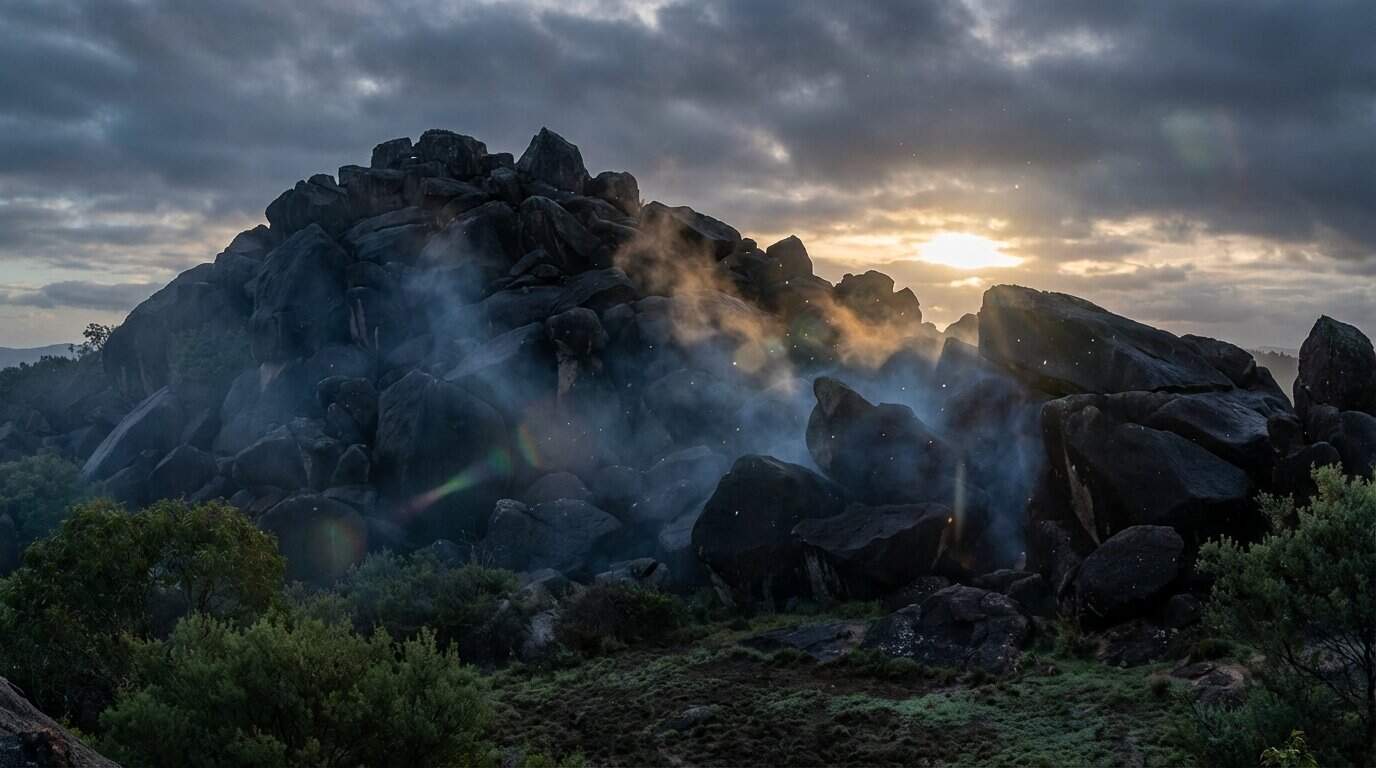
Deep within the rugged terrain of Australia’s Black Mountain, a labyrinth of massive granite boulders creates a landscape that is as dangerous as it is enchanting. This site, known to the local Eastern Kuku Yalanji people as Kalkajaka, has earned a reputation for swallowing those who venture too far into its shadows. Since the late 1800s, dozens of reports have surfaced involving hikers, explorers, and entire herds of livestock that simply vanished without a trace. The mountain is composed of unstable rocks that form deep, lightless caverns, making it a natural trap for the unwary. Local legends often warn of this Place of Spears, where the very earth seems to pull visitors into its hidden depths.
The mystery of these unexplained disappearances is often linked to strange magnetic anomalies that reportedly interfere with navigation equipment and compasses. Pilots and hikers have frequently noted that their instruments behave erratically when near the granite peaks, leading many to lose their sense of direction in the maze of granite. Historical accounts, such as those documented in regional archives and folklore collections, describe search parties that entered the gaps to find missing persons only to return empty-handed and shaken. Even experienced trackers have expressed a sense of unease, claiming the mountain feels alive or capable of shifting its paths. These physical phenomena suggest that the mountain holds secrets that science is still struggling to fully explain.
While some researchers point to the treacherous physical structure of the boulders as the primary cause of these tragedies, others remain open to more unusual possibilities. The lack of remains or clothing found in many cases continues to fuel theories about underground voids or energy vortexes that defy standard logic. Each story of a vanishing traveler adds another layer to the mountain’s dark history, blending geological facts with high-strangeness folklore. Whether the cause is a simple misstep in the dark or something far more mysterious, the granite maze remains a place where the line between reality and legend becomes blurred. Do you believe the mountain’s unique magnetic pull is responsible for these lost souls, or is there a deeper secret hidden within the stone?
Magnetic Anomalies And Electronic Interference
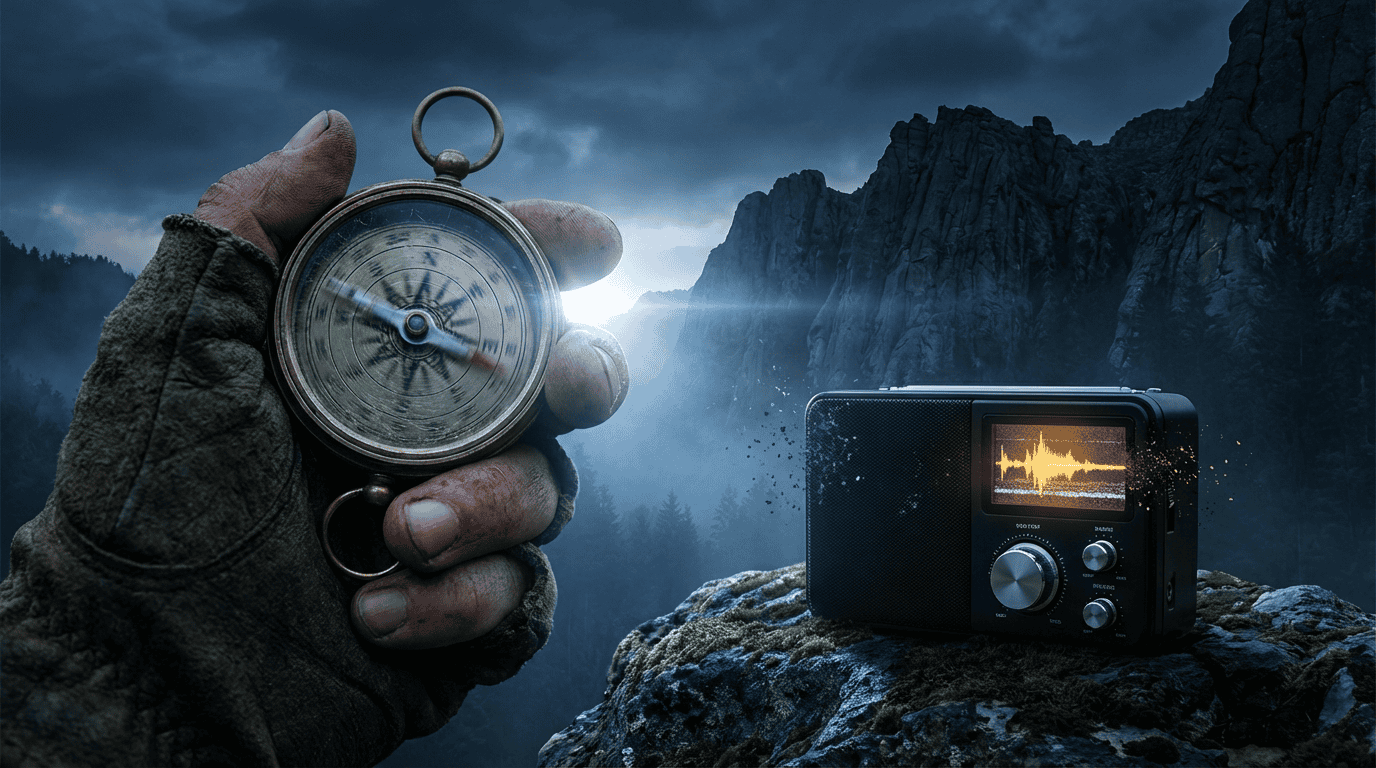
Deep within the rugged terrain of Australia’s Black Mountain, pilots and hikers frequently report that their navigational equipment simply stops working. Compasses have been known to spin wildly or point in entirely wrong directions, suggesting a powerful magnetic anomalies hidden beneath the granite boulders. Local legends and modern accounts alike describe a strange sensation of being watched, often accompanied by the sudden failure of handheld GPS units and digital cameras. These electronic glitches create a sense of disorientation that makes the mountain’s labyrinth of caves even more treacherous for explorers. Scientists believe these anomalies stem from the unique geological composition of the site, which is primarily made of massive volcanic rocks.
The mountain is essentially a giant pile of black granite boulders that may contain high concentrations of magnetite or other iron-rich minerals. Geologists suggest that these natural deposits create localized magnetic fields strong enough to interfere with radio waves and traditional navigational tools. This scientific explanation provides a grounding for the many stories of travelers becoming hopelessly lost despite being experienced in the bush. While some experts point to the way these rocks hold heat and create shifting air currents, others wonder if there is a more profound energy source at play. The combination of documented interference and the site’s eerie reputation keeps researchers and hobbyists coming back to study the peaks.
Beyond the simple failure of gadgets, some individuals report hearing distorted audio or experiencing dead zones where no signals can penetrate. These disruptions are often linked to the jagged, hollow structure of the mountain, which acts like a natural baffling system for sound and radio frequencies. Historical documentation from early explorers mentions similar struggles with orientation, proving that these issues existed long before the age of smartphones. Whether the cause is purely mineral or something more mysterious, the electronic interference at Black Mountain remains one of its most persistent and verifiable traits. What do you think causes these devices to fail, and would you trust a compass in a place known for such strange energy?
Ancient Legends Of The Place Of Spears
Long before modern explorers spoke of magnetic anomalies, the Eastern Kuku Yalanji people knew this site as Kalkajaka, which translates to the Place of Spears. Traditional stories describe the massive pile of granite boulders as a forbidden territory where the laws of nature do not always apply. Elders have passed down warnings for generations, cautioning that the mountain is a place of powerful spirits and unpredictable energy. These legends serve as a cultural map, mapping the mysteries of the landscape and marking certain areas as off limits to those who wish to return home safely. The dark stones are said to swallow the light and the people who venture too deep into their shadows.
The physical structure of the mountain creates a labyrinth of caves and crevices that seem to breathe with a life of their own. Local folklore suggests that the whistling sounds heard on windy days are actually the voices of the ancestors guarding the stone fortress. Many believe that the strange disappearances occurring since the mid 1800s are a direct result of ignoring these ancient cultural protocols. Whether it is a supernatural force or a complex geological trap, the mountain maintains a reputation for being a hungry landscape. The gap between indigenous wisdom and modern mystery continues to shrink as more visitors report unexplainable sensations near the peaks.
Scientific interest often clashes with these traditional narratives, yet both agree that the mountain is unlike any other formation in Australia. While researchers point to the high concentration of magnetic minerals as the cause for compass failures, the Kuku Yalanji view these glitches as signs of the mountain’s spiritual potency. This intersection of geological fact and high strangeness makes the site a focal point for those seeking to understand the unknown. By respecting the ancient legends, visitors can begin to appreciate why this location has been treated with such profound reverence and caution for thousands of years. Do you think these ancient warnings are based on a physical danger we have yet to fully measure?
Where Geological Gaps Meet Unexplained Ends
The mysteries surrounding Black Mountain serve as a powerful reminder of how little we truly understand about the natural world. Whether it is the magnetic anomalies that scramble compasses in Australia or the chilling pattern of disappearances in North Carolina, these locations challenge our sense of security. Science points to geological hazards like shifting boulders and hidden crevices, yet these facts rarely satisfy the human need for deeper meaning. There is a thin line between a tragic accident and a supernatural event when the evidence left behind is so baffling. We are left to wonder if the mountain itself holds a consciousness that resists being mapped or tamed.
Choosing to explore these rugged terrains requires a balance of respect for nature and an open mind toward the unknown. Historical records and modern accounts suggest that these black stones hide secrets that have persisted for generations. While skeptics may dismiss the high strangeness as mere coincidence, the sheer volume of unexplained activity makes it difficult to ignore the possibility of something more. These landscapes invite us to look closer at the shadows and consider what might be hidden just out of sight. The conversation between geological reality and Appalachian folklore continues to evolve as new explorers venture into the dark.
What do you believe is the true cause behind the legends of Black Mountain? Some researchers suggest that the unique magnetic properties of the rocks create a sensory distortion that leads travelers astray. Others lean into the local stories of ancient spirits or hidden gateways that only open under specific conditions, much like the unsolved mysteries of other regions where people vanish without explanation. Perhaps you have your own theory or a personal experience with a place that felt more alive than it should. We invite you to share your thoughts and theories in the comments below to keep the investigation alive.
Frequently Asked Questions
1. Where are the primary locations of the Black Mountain mysteries?
These strange events span multiple continents, with significant activity centered in North Carolina’s Pisgah National Forest and the rugged deserts of Arizona. Another famous site is located in Australia, where the granite labyrinth known as Kalkajaka holds a long history of unexplained disappearances.
2. What happened during the first recorded disappearance in 1922?
A traveler vanished deep within the woods, leaving behind a campsite where their gear was found in perfectly neat stacks. This discovery created a sense of unease among investigators because there were no signs of a struggle or a reason for the traveler to abandon their belongings.
3. Why is the Australian Black Mountain considered so dangerous for hikers?
The mountain is made of massive, unstable granite boulders that create a confusing maze of deep, pitch-black caverns. These natural traps can easily swallow explorers or livestock, and the local Eastern Kuku Yalanji people have long warned others about the treacherous nature of this site.
4. Do magnetic anomalies actually affect navigation in these areas?
Many pilots and hikers have reported that their compasses and electronic instruments behave erratically when passing near these mountains. These magnetic disturbances make it incredibly easy for even experienced travelers to lose their way in the dense forests or rocky crevices.
5. Are there any scientific explanations for the missing people?
Geologists point to the unstable rock formations and hidden fissures as a primary cause for people falling into inaccessible areas. While these physical dangers are real, the sheer number of vanishings and the strange state of abandoned campsites continue to challenge a purely geological explanation, much like the mystery of the Dyatlov Pass incident where hikers were found in inexplicable circumstances.
6. How can visitors stay safe while exploring these mysterious sites?
Preparation is key, including carrying reliable physical maps and traveling with experienced guides who understand the local terrain. Staying on marked trails and respecting the warnings of local communities can help adventurers enjoy the beauty of these areas without becoming part of the mystery.