Ghost Hunting Equipment Rental: Where to Borrow or Hire Gear Before You Buy
Ghost hunting equipment rentals come from three main sources: free public library lending, paid commercial kits, and guided investigations that include the gear. At Plain City Public Library in Ohio, adult cardholders in good standing can borrow a ghost-hunting kit for three days, but only after signing a rental agreement and a release-and-waiver form.
Prices range from free at many libraries to a listed $39.99 for a commercial kit, yet the fine print can cost far more. Plain City charges $20 for each late day, and a borrower may be billed $600 to $800 if a kit is not returned within 10 days.
Key Takeaways
- Plain City Public Library in Ohio lends its ghost hunting kit for three days to adult full-access cardholders in good standing, but only after they sign a rental agreement and a release-and-waiver form.
- Plain City Public Library charges $20 for each late day and may bill a borrower $600 to $800 if a kit is not returned within 10 days, so a late return can cost far more than the listed $39.99 price of a commercial kit.
- The Culpeper County Library in Virginia lists a replacement cost of $228 for its Ghost Detective Kit, so losing a single item can cost more than a paid commercial rental.
- The Defiance Public Library System in Ohio lends items from its Library of Things free for 14 days to patrons with a current card in good standing, which makes library lending usually the cheapest way to rent ghost hunting equipment.
- The Culpeper County Library in Virginia says its Ghost Detective Kit is meant for entertainment and is not scientifically validated for ghost detection.
Where Can You Rent Ghost Hunting Equipment?
You can rent ghost hunting equipment from three kinds of places: public libraries that lend kits, online shops that offer rental kits, and guided investigation companies that supply the gear for a night out. Library lending is usually the cheapest route. The Defiance Public Library System in Ohio lends items from its Library of Things free for 14 days to patrons with a current card in good standing.
Commercial kits cost money but offer more choice. One commercial rental provider lists a kit with a TEP-Pod, spirit box, EMF detector and dowsing rods, but its page does not say how long you can keep it, so ask before you book. Guided nights cost the most, though a guide shows you how each tool works. One guided investigation company advertises investigations lasting three to five hours. Every provider sets its own rules for eligibility, returns, liability and damage, so read the agreement before you pay or sign.
What Gear Turns Up in a Typical Ghost Hunting Kit?
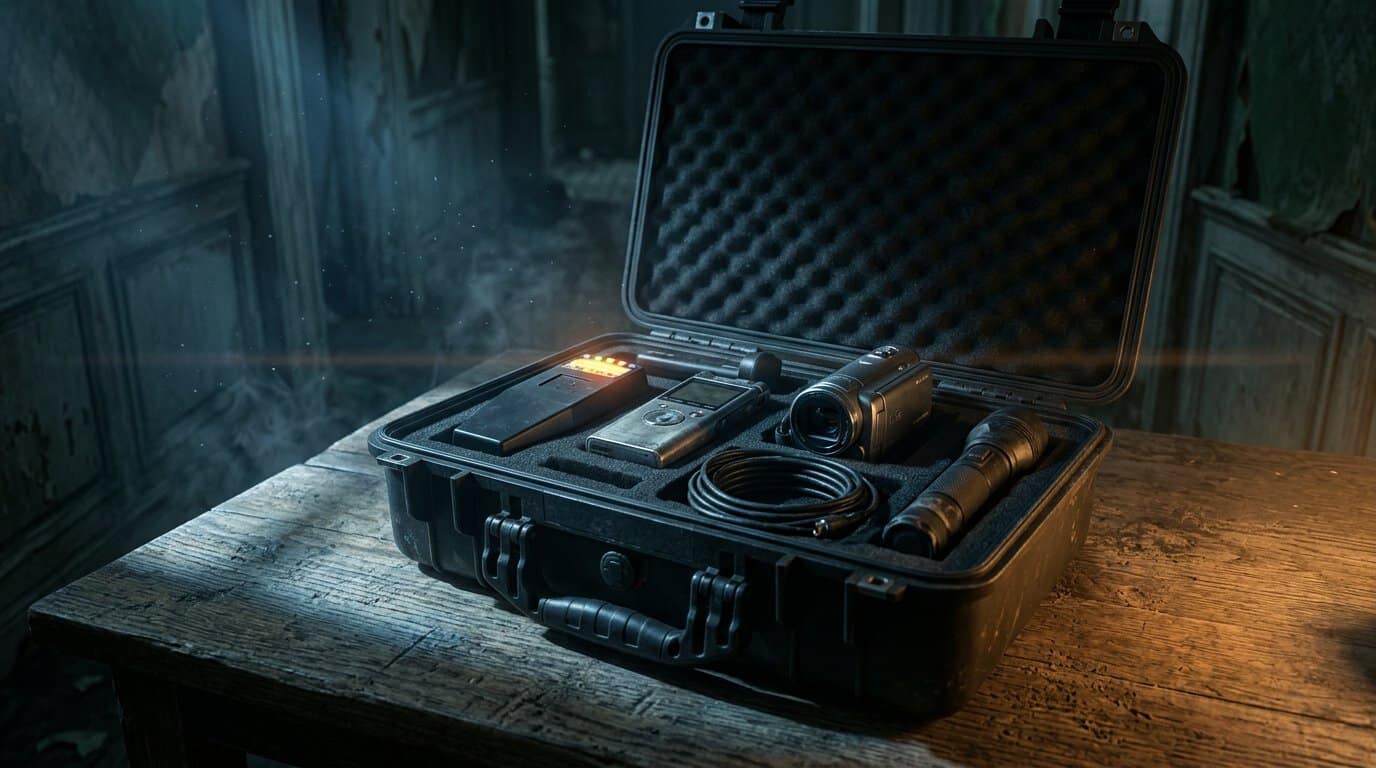
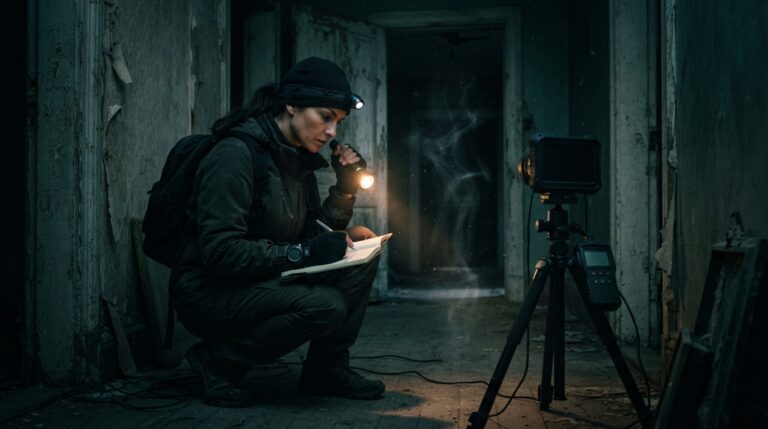
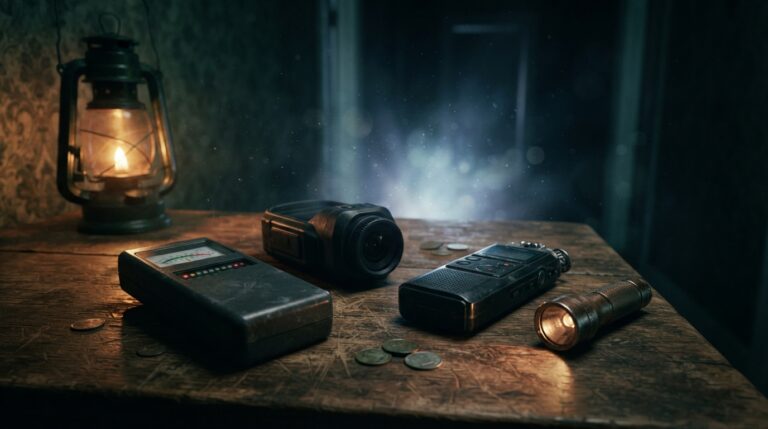
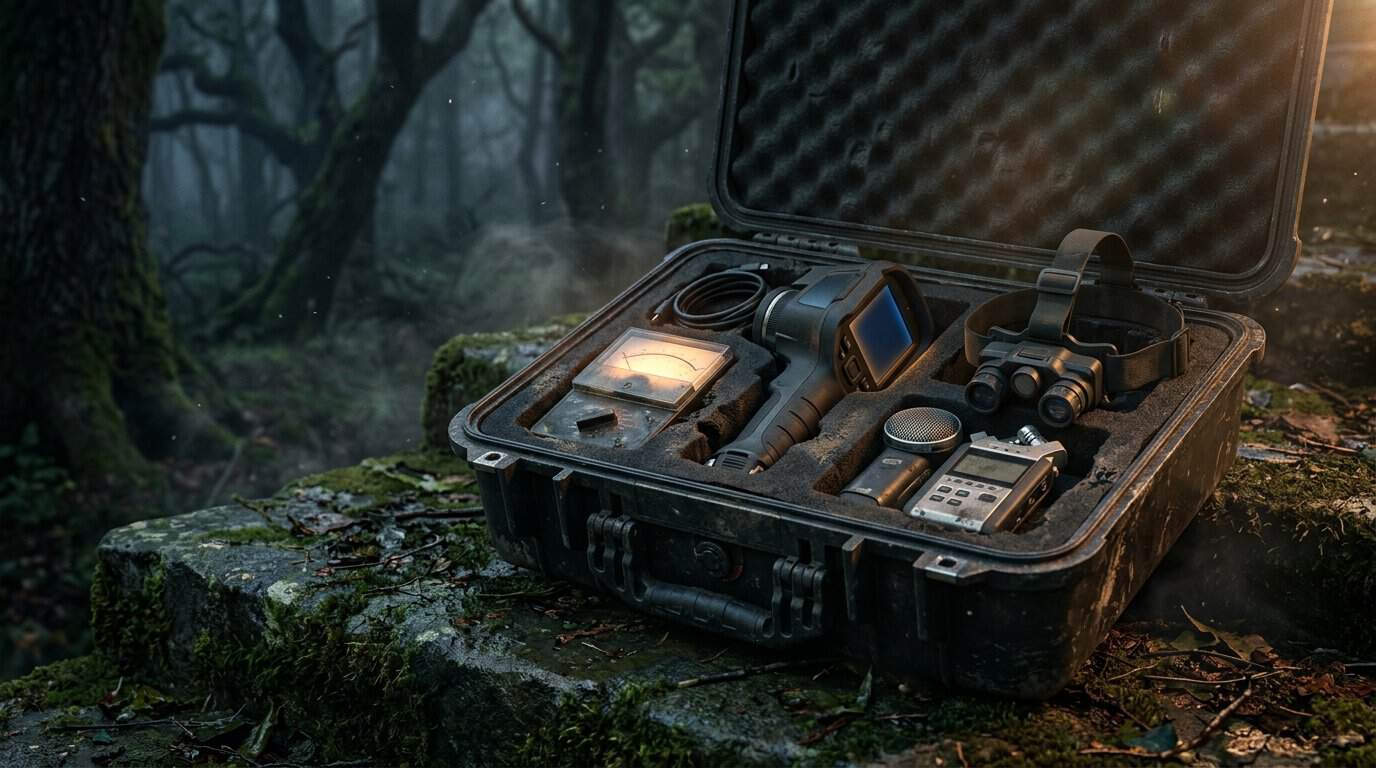
A typical ghost hunting kit holds a mix of detectors, recorders, cameras and lights, though no two kits match exactly. Providers most often list these categories:
- EMF meters, which measure electromagnetic fields
- Spirit boxes, which scan radio frequencies for voices
- Audio recorders for capturing sound during a night out
- Thermometers for checking temperature changes
- Cameras and flashlights
- Accessories such as cases, batteries and chargers
Plain City Public Library in Ohio lists a more detailed set: a 4K camera, a KII EMF meter, a flashlight, a laser-grid light, walkie-talkies, an EVP wrist recorder, a power bank, and either an SBox scanner or a Flux 2 response device. The Council Bluffs Public Library in Iowa runs a leaner kit with a GoPro HERO 4, an EMF meter, two walkie-talkies and two flashlights. Before you book, check the listing so you know exactly what will be in the case on pickup day.
How Much Does Renting Ghost Hunting Gear Cost?
A commercial ghost hunting rental kit has been listed at around $39.99, and many public libraries lend similar kits for nothing. The real cost often shows up later, when a kit comes back late or damaged. Plain City’s $20 daily late charge adds up fast, and its agreement allows a bill of $600 to $800 if a kit is not returned within 10 days.
Replacement charges can be just as surprising. The Culpeper County Library in Virginia lists a replacement cost of $228 for its Ghost Detective Kit, so one lost item can cost more than a paid rental.
Many commercial listings also leave out how long you can keep the gear. Without that detail, it is hard to know when a late fee might begin. Before you pay, ask the provider what happens if you return a kit late or damaged.
How Long Can You Keep Borrowed Ghost Gear?
Borrowed ghost hunting gear can stay with you for a single evening or for up to two weeks, depending on the provider. The table below shows the main options.
| Where you borrow | Loan or rental period | Key conditions |
|---|---|---|
| Plain City, Ohio (public library) | Three days | Adult full-access cardholders in good standing |
| Council Bluffs, Iowa (public library) | Up to five days | Eligible patrons over 18, certified to borrow Makerspace equipment |
| Culpeper County, Virginia (public library) | Two weeks | Renewable if there are no holds |
| Defiance, Ohio (public library) | 14 days, free | Current library card in good standing |
| Franklin County, Virginia (public library) | 14 days | Reserve online or request at the reference desk |
| Guided investigation | Typically three to five hours | The gear is used during the night out |
Libraries offer the longest loans. Culpeper County Library lets borrowers renew its Ghost Detective Kit for another stretch if no one else has placed a hold on it. A Library of Virginia feature from 2025 reported that Franklin County’s kits run on the same 14-day schedule.
A single night out works differently. Guided investigations typically last three to five hours, so the equipment is part of the evening rather than something you take home.
Do Library Ghost Kits Actually Detect Anything?
Library ghost kits make no promise that they can detect ghosts. The Culpeper County Library in Virginia says its Ghost Detective Kit is for entertainment and that its contents are not scientifically validated for ghost detection.
Still, many investigators use the same kinds of gear. They rely on EMF meters and audio recorders to log readings and strange sounds, and they treat each result as a clue rather than proof. Skeptics point out that electrical wiring and household devices can cause odd meter spikes, yet a sudden jump or a voice caught on tape can still deserve a closer look.
What Paperwork Do You Need to Borrow a Kit?
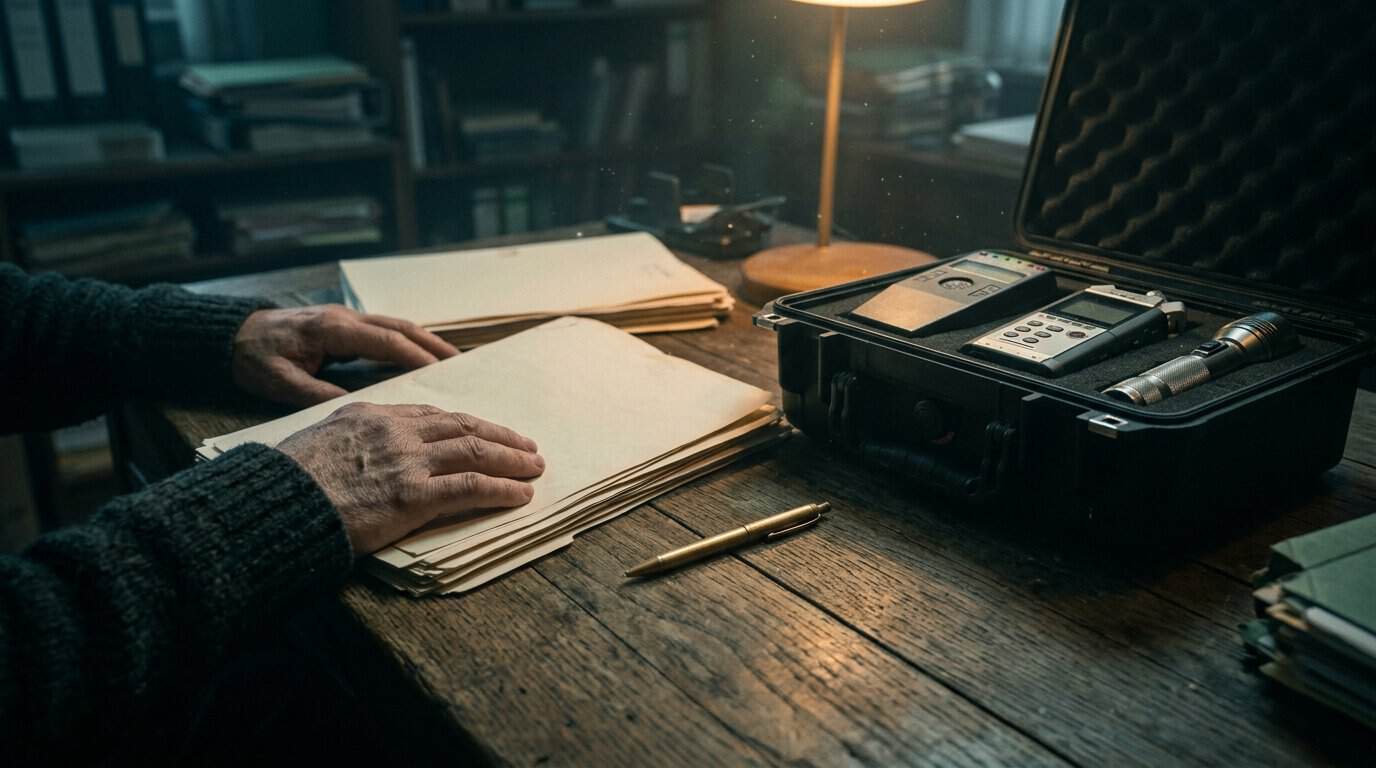
Most libraries want proof that you qualify and a signature on their agreement before a kit leaves the desk. Requirements vary, so check them before you visit. At Plain City, the steps usually run like this:
- Confirm that your card is an adult full-access card in good standing.
- Sign the rental agreement.
- Sign the release-and-waiver form.
- Read the return, liability and damage terms before you take the kit home.
Council Bluffs requires borrowers to be over 18 and certified to use Makerspace equipment. Franklin County lets you reserve a kit online or request one at the reference desk, so you can plan ahead.
Is Renting Gear or Joining a Guided Investigation Better?
A guided night is usually the better choice for a first-timer, while a self-guided borrow suits someone who already has a plan and a location. Guided investigations typically last three to five hours, and the guide usually explains how each piece of gear works. One guided investigation company advertises EMF meters, spirit boxes, thermal cameras and data loggers for rent, with a guide showing you how to use them. Self-guided borrowers must learn the equipment before the lights go out, and they handle late fees and damage rules on their own.
Planning Your First Night With Borrowed Gear
Start by searching your local library catalog for a ghost hunting kit, then call the reference desk to confirm your card is in good standing.
Write down the loan period, late charge and replacement cost before you sign the agreement.
Charge the power bank the day before pickup, then practice with the EMF meter and recorder at home.
If you would rather learn from an expert first, book a guided night and watch how the guide handles each tool.
Return every item on time, so your first night stays a good memory.
Frequently Asked Questions
1. How can you go ghost hunting without any equipment?
You can go ghost hunting without any equipment by relying on careful observation, a notebook, and a quiet place to sit. Many people start by noting the time, the room temperature they feel, any unexplained smells or sounds, and the history of the site. Writing down what you notice before searching for explanations keeps the night honest, and your own senses can be your most useful tools.
2. Where can you go ghost hunting legally?
The safest places to ghost hunt are sites that open their doors to the public, such as historic buildings that run night tours or organized investigations. Before you enter any private property, ask the owner or manager for permission, since entering without it can cause trouble even on a quiet night. A local historical society can also point you toward sites with documented histories.
3. What should you record to keep a clear ghost hunting log?
A clear log records the date, the start and end times, the exact location, and the conditions in the room. Note every reading from an EMF meter or thermometer along with the time it happened, and mark when you switched an audio recorder on or off. Write down possible everyday explanations too, such as a running appliance or a passing truck, so each entry is easy to review later.
4. Are library ghost hunting kits safe to use in old buildings?
Library ghost hunting kits are light, portable tools, but safety depends on the building and how you move through it. Old structures can have loose floorboards, weak stairs, and damaged wiring, so watch each step and keep your hands free for balance. Read the damage and liability terms in the rental agreement before you go, because libraries such as Council Bluffs state that borrowers may be billed for damaged or missing materials.